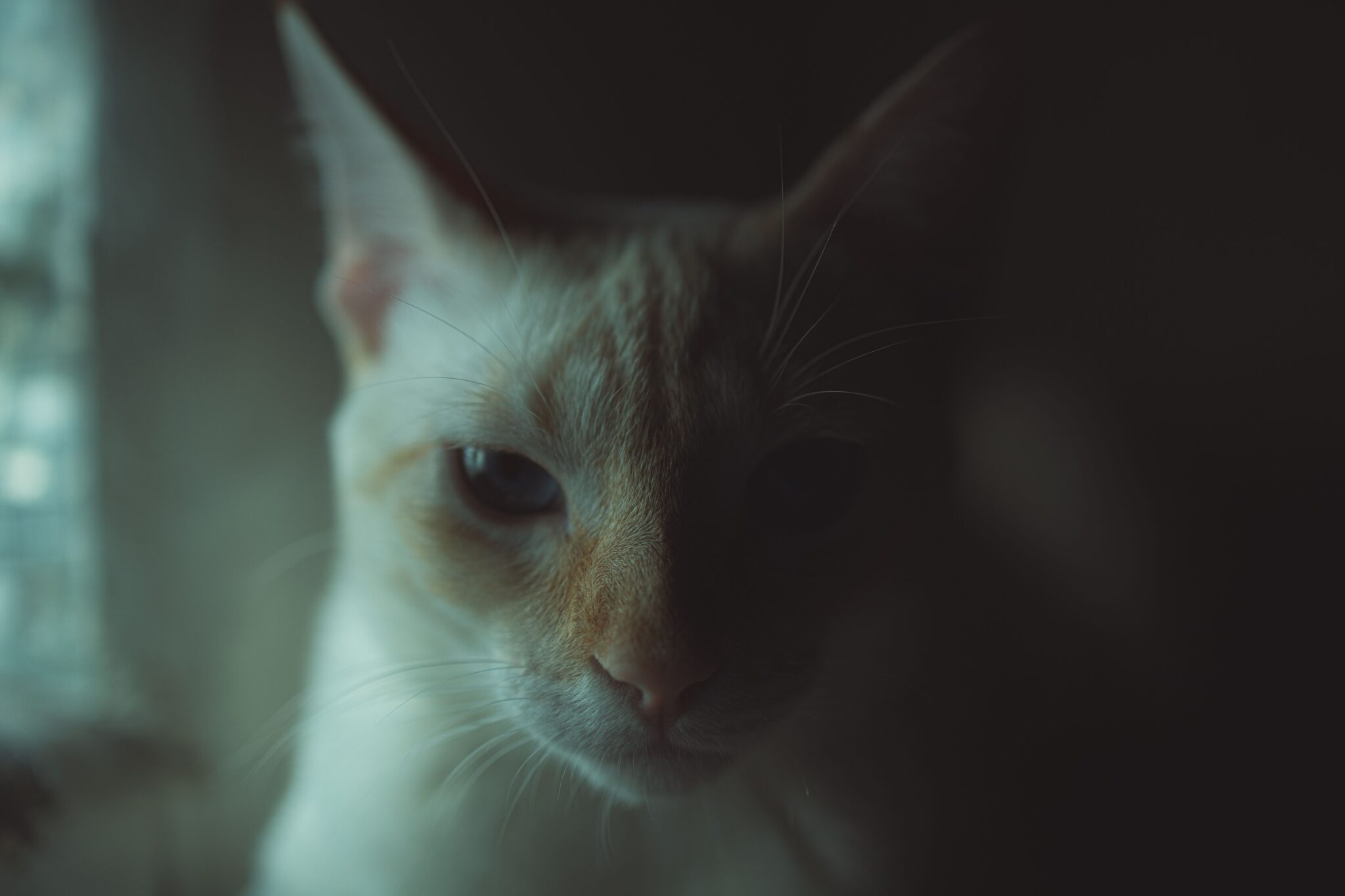
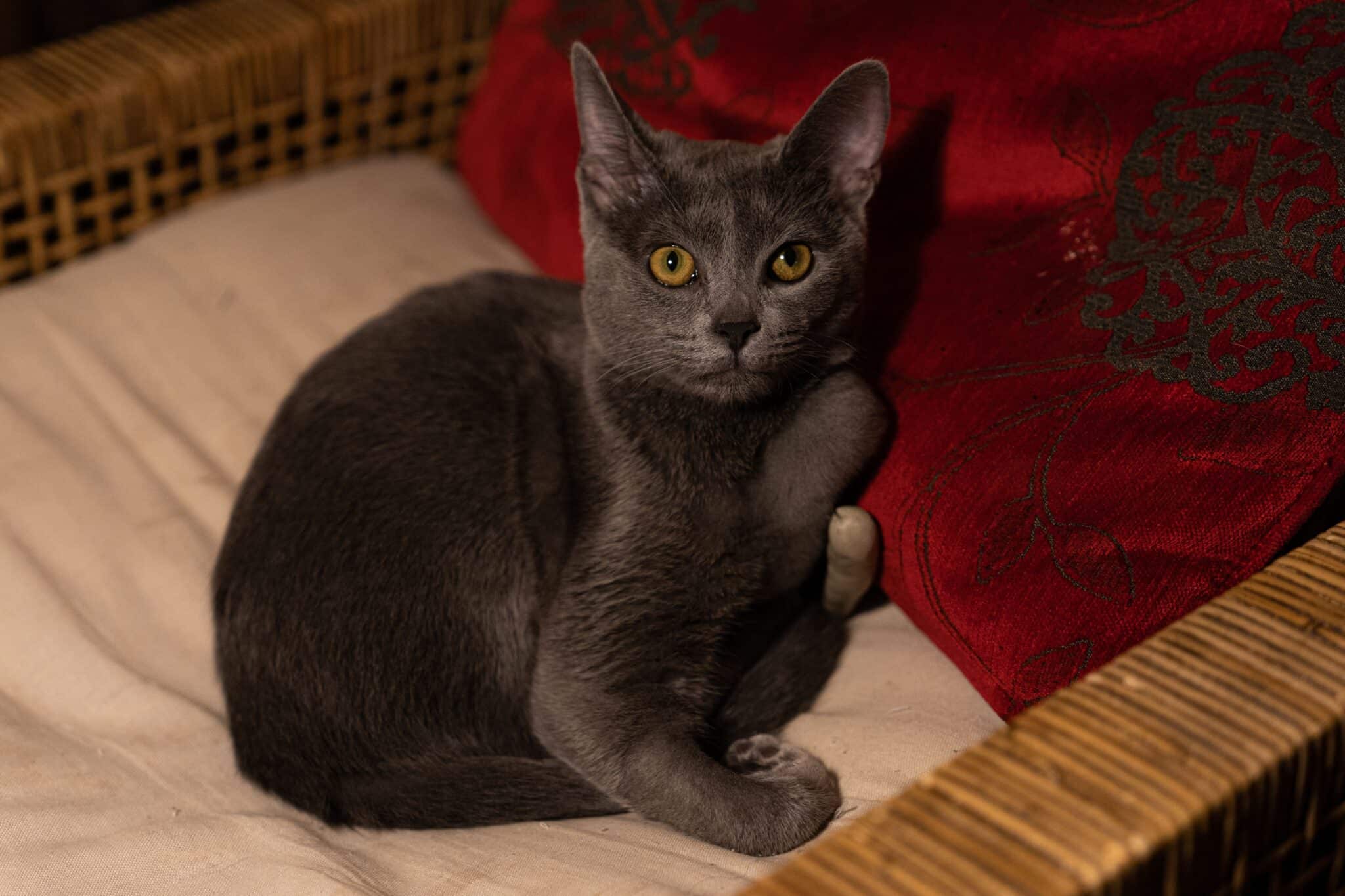
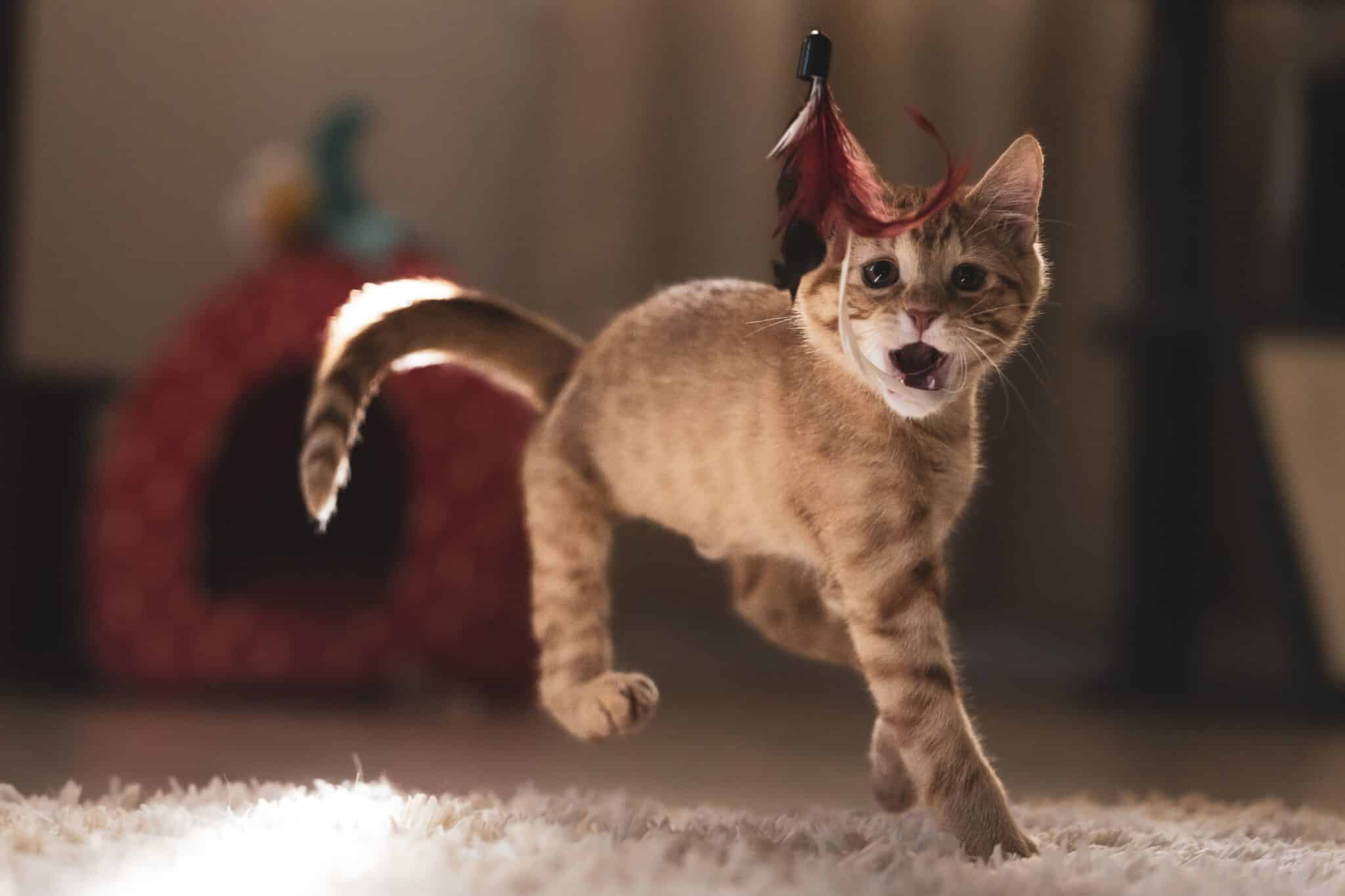
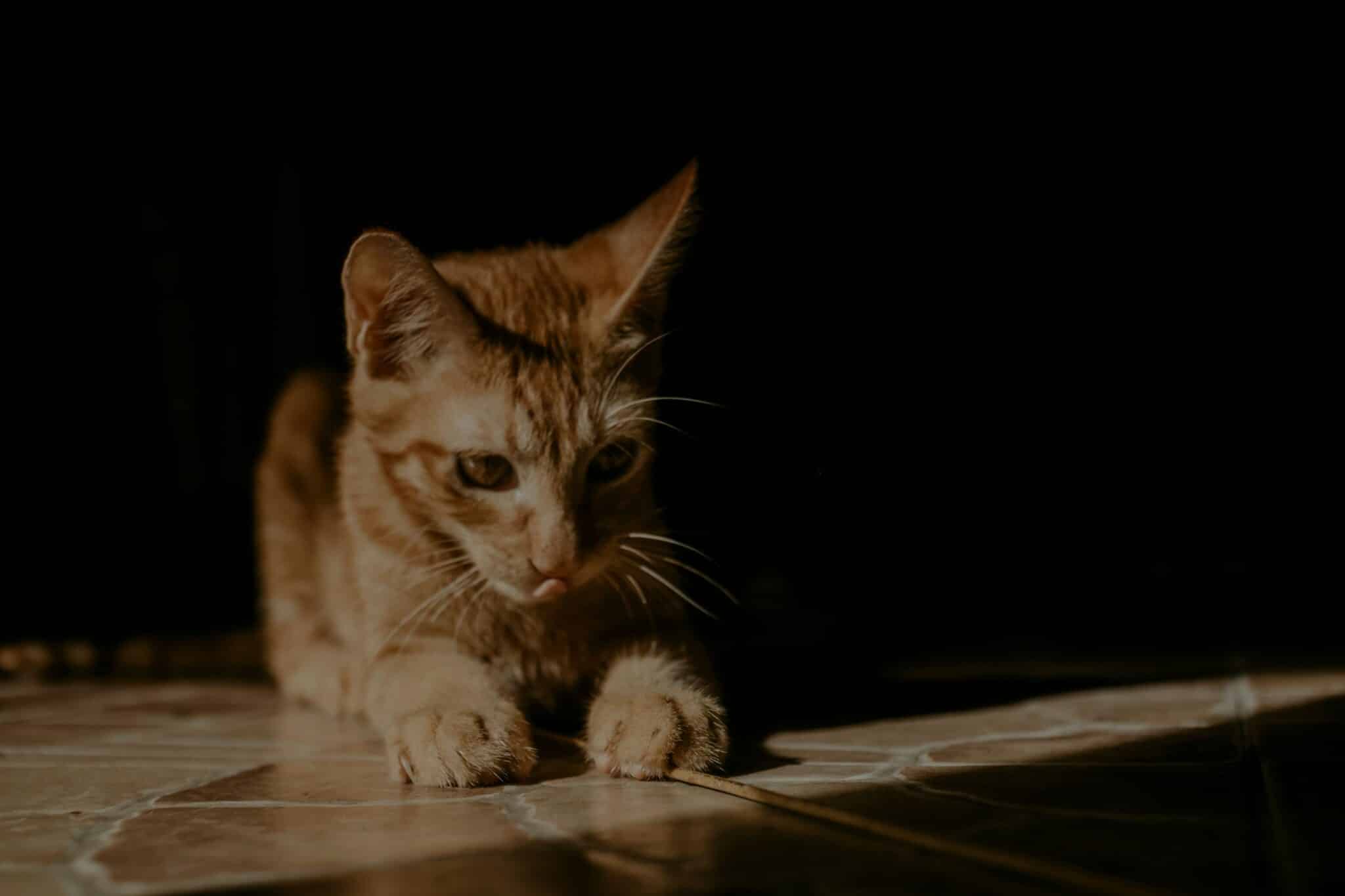
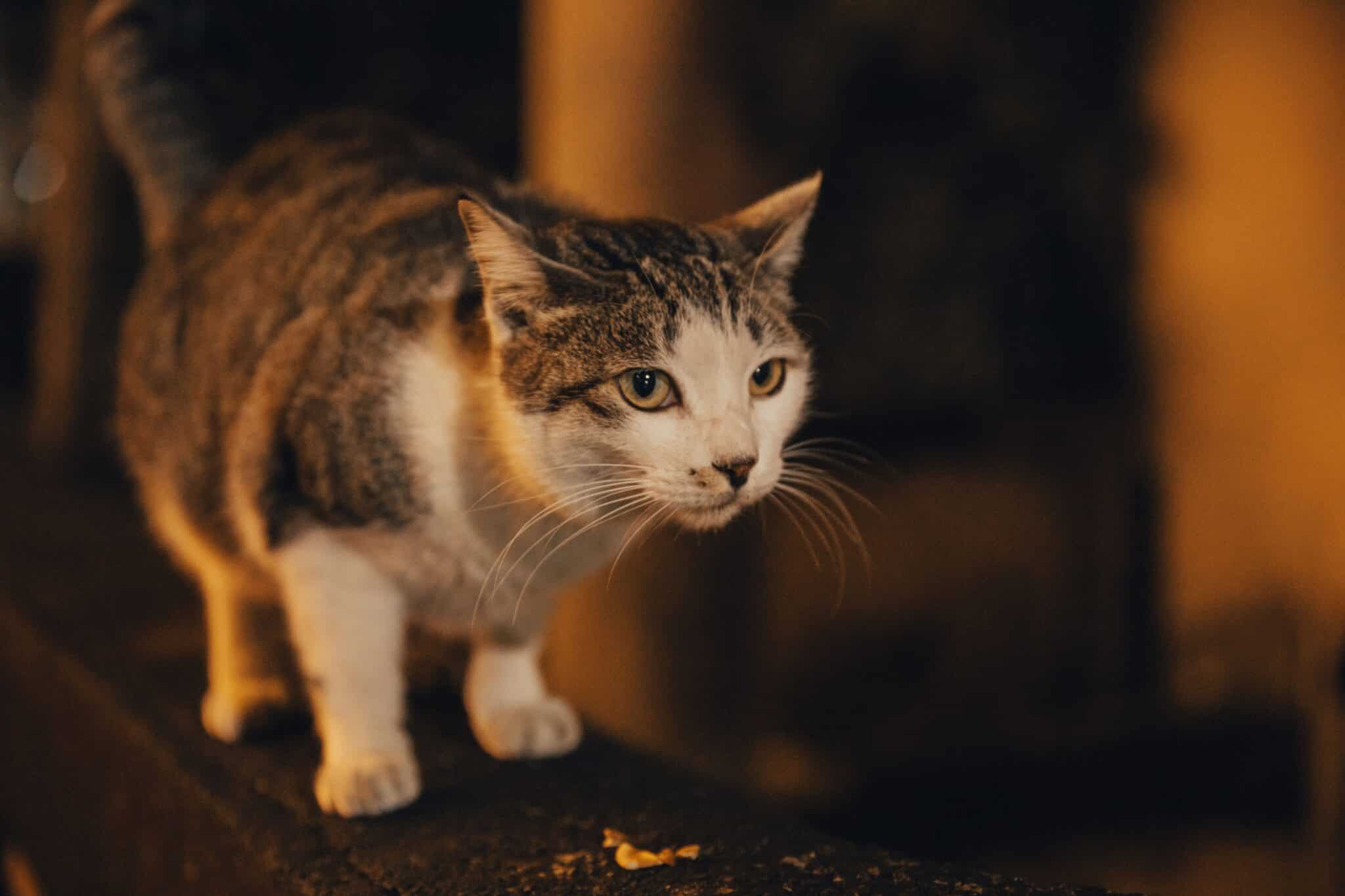
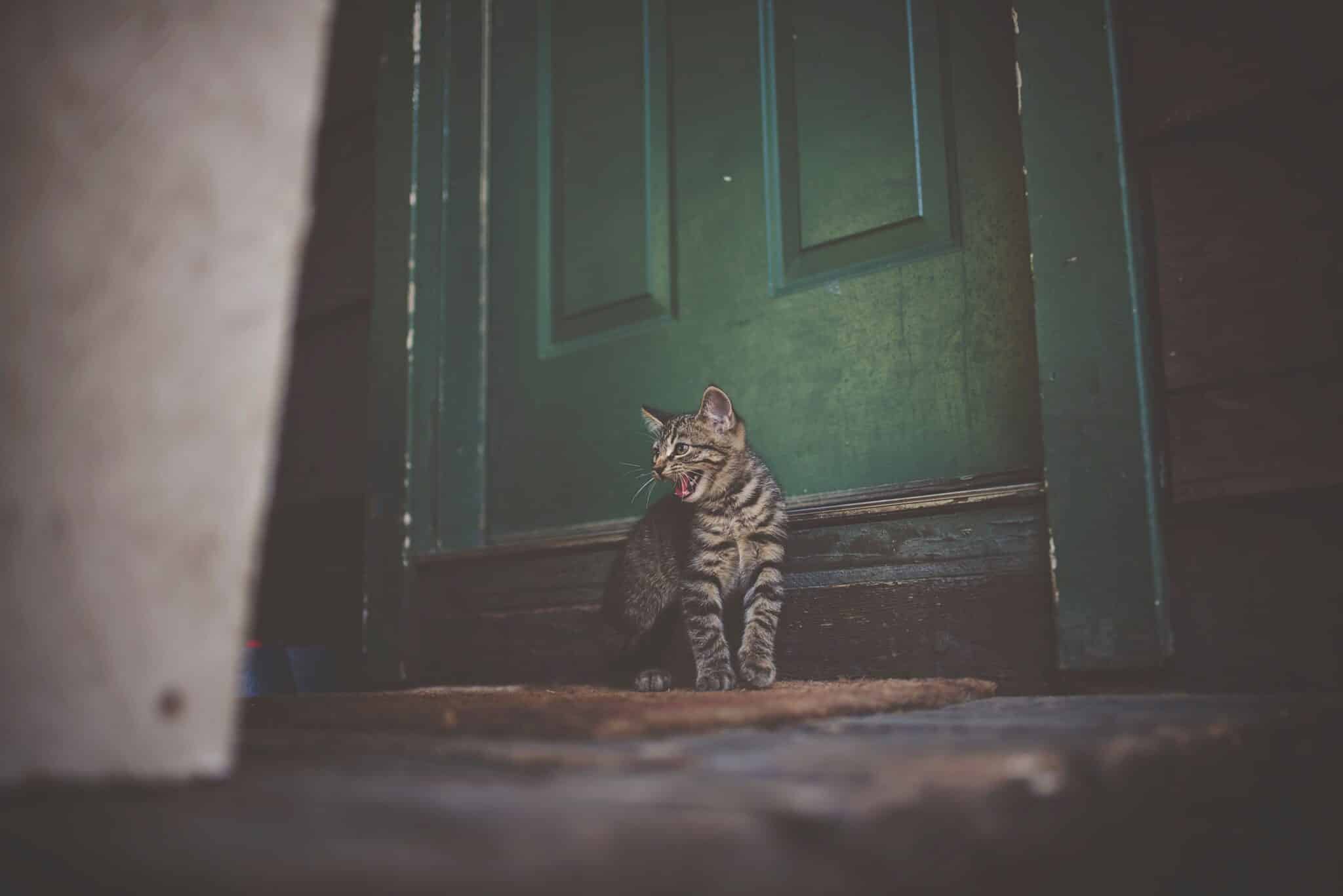
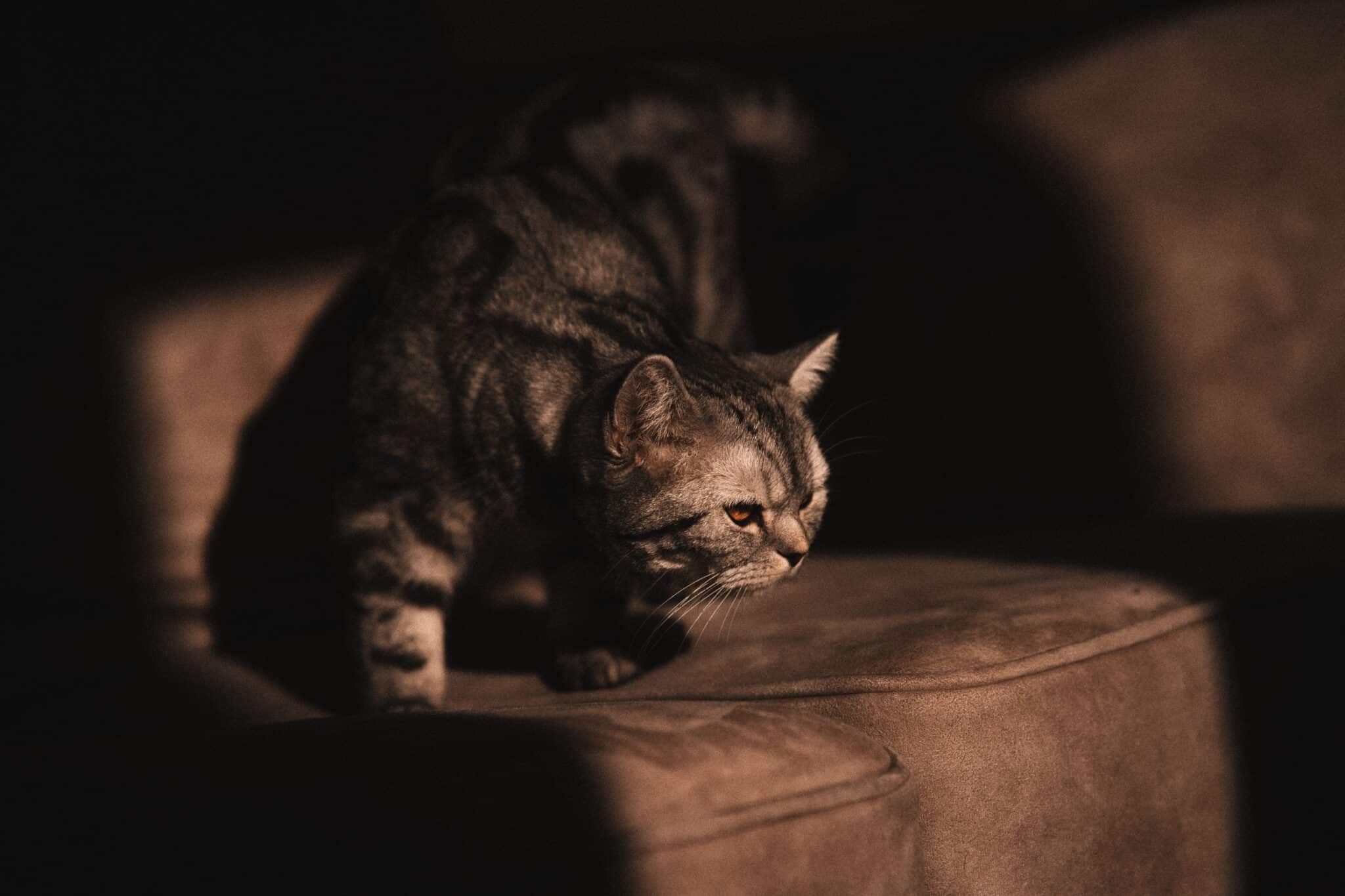
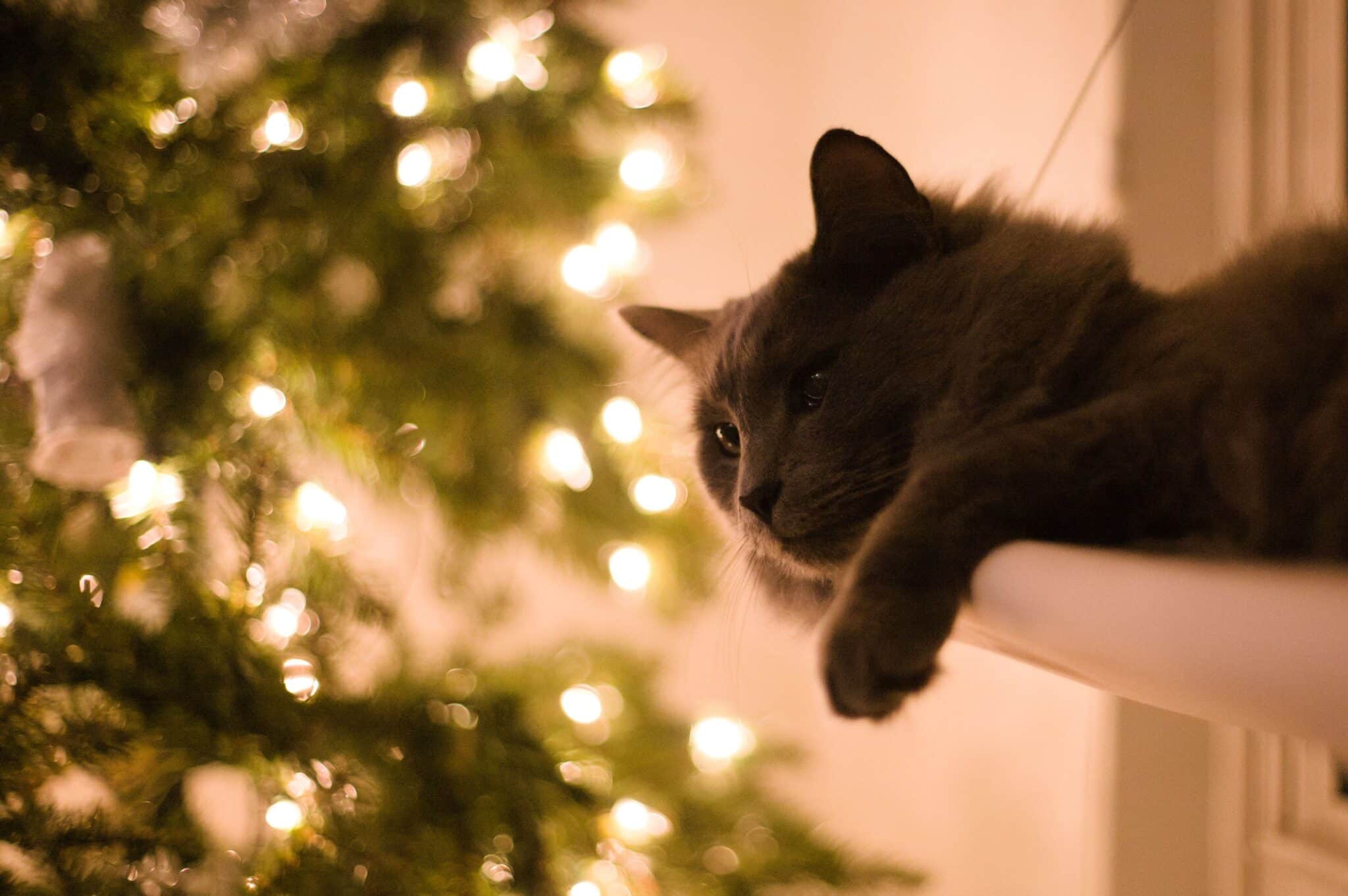
To millions of feline owners worldwide, the transition from dusk to dawn marks a dramatic transformation in their pets’ behavior. A domestic cat that has spent the afternoon curled up in a sunbeam or sleeping peacefully on the sofa suddenly morphs into an energetic predator once the lights go out. Hallways become race tracks, dark corners turn into objects of intense fascination, and quiet homes are often punctuated by sudden, melodic—or demanding—meows.
While these midnight antics are frequently chalked up to eccentricities or the classic belief that cats are simply "creatures of the dark," modern ethology and veterinary science tell a more precise story. Feline nocturnal and crepuscular habits are deeply rooted in evolutionary biology, finely tuned sensory adaptations, and instinctual survival mechanics that persist despite millennia of domestication.
This comprehensive report investigates the physiological, sensory, and behavioral drivers behind feline nighttime activity. By examining the mechanics of feline vision, acoustic sensitivity, predatory drives, and environmental psychology, pet parents can better distinguish between normal evolutionary quirks and underlying medical flags that warrant a veterinary intervention. Understanding the night world of our feline companions bridges the gap between human bewilderment and true empathetic pet stewardship.
Detailed Chronology: The Evolutionary Roots of Feline Rhythms
To understand why a cat sprints across a hardwood floor at 3:00 AM, one must first look backward through evolutionary history. The domestic cat (Felis catus) descends directly from the African wildcat (Felis lybica), a solitary hunter whose survival depended entirely on its ability to secure prey without falling victim to larger apex predators.
The Crepuscular Window
Contrary to popular belief, cats are not strictly nocturnal; rather, they are crepuscular. This biological classification means they are naturally most active during the twilight hours of dawn and dusk. Historically, these periods offered wild cats distinct ecological advantages:
Thermal Regulation: Desert and savanna environments experienced extreme daytime heat, making hunting during the blistering sun metabolically inefficient. Dawn and dusk provided cooler ambient temperatures.
Prey Availability: Small rodents, lagomorphs, and insects—the primary dietary staples of ancestral cats—are frequently active during the transitional lighting phases of twilight.
Predator Evasion: By hunting when lighting was low, wild felines could effectively hide from larger diurnal raptors and mammalian carnivores that ruled the daylight hours.
Although modern house cats enjoy a life free from the necessity of hunting for subsistence, their internal circadian rhythms and genetic blueprints remain unchanged. The evolutionary impulse to hunt, patrol, and expend energy spikes during dawn and dusk. Consequently, a house cat’s biological clock often aligns poorly with human sleep schedules, leading to late-night sprints and early-morning wake-up calls.
Supporting Context & Metrics: The Anatomy of Nighttime Perception
A cat’s ability to navigate, hunt, and play in near-total darkness is not supernatural; it is the result of extraordinary physiological adaptations. To appreciate why cats behave so differently after dark, one must examine their sensory apparatus.
1. Vision Tailored for Dim Light
Feline eyes are evolutionary masterpieces designed specifically to maximize light capture.
The Tapetum Lucidum: Behind the retina lies a specialized reflective layer of tissue known as the tapetum lucidum. This layer acts like a microscopic mirror, bouncing unabsorbed light back through the photoreceptor cells a second time. This process significantly enhances their visual sensitivity in low-light environments, giving rise to the characteristic "eyeshine" observed when light hits a cat’s eyes at night.
Rod-Dominated Retinas: Feline retinas are heavily saturated with rod cells—photoreceptors specialized for detecting motion and low-light intensities—far outnumbering the cone cells responsible for color vision.
The Catch: Cats cannot see in absolute, pitch-black darkness. They require roughly one-sixth of the amount of light that humans need to navigate. When a cat stares intently into a dark hallway, it is actively processing subtle shifts in ambient light, shadow, and movement that escape human sight.
2. High-Definition Acoustic Radar
While human ears are capable of detecting frequencies up to approximately 20,000 Hertz (Hz), domestic cats can hear frequencies reaching an astounding 64,000 Hz. Furthermore, they can detect sounds as low as 45 Hz.
Directional Pinnae: A cat’s external ears (pinnae) are controlled by over 30 specialized muscles, allowing them to rotate 180 degrees independently.
Micro-Acoustics at Night: When a house grows quiet at night, ambient noise pollution drops drastically. Faint sounds—such as an insect crawling inside a wall, the settling of wooden framing, or a pipe vibrating—become glaringly loud to a cat. Their sudden head snaps and fixations on empty corners are frequently reactions to acoustic stimuli imperceptible to human ears.
3. Whiskers (Vibrissae) as Spatial Sensors
Long before a cat enters a narrow space, its facial whiskers act as precision instruments. Embedded deeply in areas rich with nerve endings, vibrissae are sensitive to minute air currents and pressure changes. In dim rooms, cats use their whiskers to map their immediate physical boundaries, ensuring safe navigation without relying solely on vision.
Behavioral Dynamics: Zoomies, Shadows, and Elevation
Beyond sensory perception, specific behavioral patterns dominate the feline nighttime experience. Pet owners frequently report sudden bursts of hyperactivity, obsessive focus on walls, and vertical ascension.
The Midnight "Zoomies"
Medically termed Frenetic Random Activity Periods (FRAPs), the midnight "zoomies" are a natural release valve for pent-up kinetic energy.
The Sedentary Day: Many indoor cats spend the daytime hours sleeping or resting while their human companions are at work or busy. Without adequate environmental enrichment, this stored energy accumulates throughout the day.
The Burst: Once the household quiets down, the cat experiences a sudden surge of adrenaline and endorphins, resulting in erratic sprinting, furniture scaling, and acrobatics. Incorporating rigorous interactive play sessions (such as wand toy engagement) late in the evening can help burn off this surplus energy before bedtime.
Shadows, Reflections, and Phantom Prey
Moving headlights from passing cars, blinking LED indicators on electronics, and shifting shadows cast by moonlight can easily trick a cat’s predatory circuitry. Because their visual processing is hardwired to react instantly to sudden movement, a fleeting shadow across a wall triggers the exact same neurological cascade as a scurrying mouse.
The Preference for Vertical Space
At night, cats frequently seek out high vantage points—such as the top of a refrigerator, a tall cat tree, or an upper bookshelf. From an ethological perspective, elevation offers two major benefits:
Strategic Advantage: A high perch provides a panoramic view of the territory, enhancing feelings of safety and control.
Thermal Regulation: Warm air naturally rises in a home, making elevated platforms comfortable resting spots during cooler nighttime hours.
Official Statements and Veterinary Insights
While normal feline nighttime quirks can be amusing or mildly disruptive, veterinary professionals emphasize that owners must remain vigilant for sudden behavioral anomalies.
Dr. Sarah Martinez, a leading companion animal behaviorist, notes:
"Normal nighttime activity is predictable, tied to biological rhythms, and resolves once the cat’s predatory or energetic needs are met. However, when a previously calm cat begins pacing, howling, or showing intense disorientation exclusively at night, it crosses the line from quirky behavior into a clinical symptom."
Veterinary medicine highlights several key conditions that manifest primarily as nocturnal disturbances:
1. Feline Cognitive Dysfunction (FCD)
Just as humans can experience cognitive decline with advanced age, senior and geriatric cats can develop feline cognitive dysfunction—the feline equivalent of Alzheimer’s disease. Affected cats often experience disrupted sleep-wake cycles, leading to nocturnal restlessness, wandering, and repetitive vocalizing (howling or crying in empty rooms).
2. Pain and Underlying Medical Conditions
Conditions such as osteoarthritis, hyperthyroidism, hypertension (high blood pressure), and dental disease can cause significant discomfort that becomes more noticeable in a quiet, distraction-free environment.
Hypertension can cause sudden blindness or disorientation, leading to panicked vocalizations at night.
Hyperthyroidism revs up the cat’s metabolism, resulting in restlessness, increased appetite, and excessive vocal demands during sleeping hours.
3. Sensory Decline
As cats age, progressive loss of vision or hearing can induce anxiety. An elderly cat that can no longer hear or see well may feel insecure in the dark, leading to nervous pacing and vocal appeals for owner reassurance.
Future Outlook: Managing and Embracing the Feline Night
As pet ownership becomes increasingly sophisticated, veterinarians and behaviorists are shifting toward holistic lifestyle management to harmonize human and feline schedules. Addressing disruptive nighttime behavior does not require suppressing a cat’s natural instincts, but rather channeling them constructively.
Recommended Best Practices for Pet Parents:
The Play-Eat-Sleep Cycle: Replicate the natural feline routine by engaging your cat in a vigorous hunting-mimicry play session in the evening, immediately followed by their largest meal of the day. In nature, a cat hunts, catches, eats, and then grooms before sleeping. Completing this cycle late in the evening encourages deep, synchronized rest.
Environmental Enrichment: Utilize puzzle feeders, automated rolling toys, and window perches during the day to keep indoor cats mentally stimulated while their humans are occupied.
Ignore Demand Meowing: If a cat learns that nighttime vocalizations result in food, attention, or open doors, the behavior will be positively reinforced. Maintaining a consistent boundary helps extinguish learned midnight habits.
Routine Veterinary Check-Ups: For cats exhibiting sudden, unexplained shifts in nighttime temperament, a comprehensive veterinary exam—including blood panels, blood pressure checks, and orthopedic assessments—is essential to rule out hidden medical distress.
Conclusion
The nocturnal world of the domestic cat is a fascinating intersection of ancient wild ancestry and modern domestic life. When a cat leaps across a dark room, stares intently at an empty wall, or sprints down a hallway at midnight, it is not acting out of malice or mystery. It is simply honoring millions of years of evolutionary engineering—processing high-definition sounds, scanning with sensitive whiskers, and navigating a world designed for a stealthy predator. By understanding these mechanisms, cat owners can transform nocturnal frustration into deep appreciation for their pets’ remarkable, wild heritage.