
Executive Overview
In a massive public health intervention spanning nearly two weeks, federal and state agencies have blanketed Maine’s northernmost frontier with hundreds of thousands of doses of live-saving medication. Between August 12 and August 24, Wildlife Services—a division of the United States Department of Agriculture (USDA)—joined forces with the Maine Department of Health and Human Services’ Center for Disease Control and Prevention (Maine CDC) to distribute nearly 599,000 oral rabies vaccine (ORV) baits across Aroostook County.
This intensive late-summer deployment represents a critical escalation in an ongoing multi-decade battle to contain the spread of the raccoon rabies virus. Following an initial push earlier this spring, this second wave of baiting was triggered by a troubling series of confirmed rabies detections among local wildlife populations. By targeting wild raccoon populations, the joint federal-state initiative aims to construct a biological firewall, radically reducing the potential exposure risks that threaten local residents, domestic pets, livestock, and working animals throughout the region.
While the logistics of dropping hundreds of thousands of vaccine packets across vast, densely forested terrain are staggering, the overarching mission is remarkably simple: halt the geographic progression of a 100% fatal neurological disease before it breaches further into New England communities. Public health officials, veterinarians, and wildlife biologists are now urging local residents to understand the nature of the campaign, recognize the bait vehicles, and adhere strictly to safety protocols regarding human and animal interactions with the vaccine packets.
Detailed Chronology: The August 2026 Aroostook County Deployment
The execution of the August 2026 oral rabies vaccine campaign required meticulous timing, precise coordination, and specialized deployment methodologies tailored to the varied topography of Aroostook County—Maine’s largest county, encompassing more than 6,800 square miles of forests, rolling farmlands, and sparse rural settlements.
Phase One: Aerial and Ground Logistics (August 12–August 18)
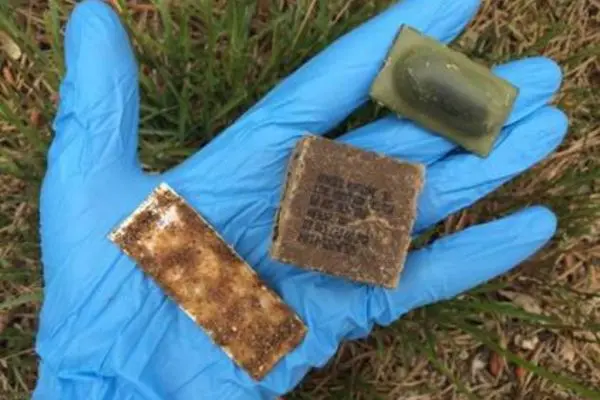
The deployment kicked off on the morning of August 12, utilizing a dual-pronged approach designed to maximize geographic coverage. In remote, heavily wooded, and inaccessible rural areas, Wildlife Services deployed specialized fixed-wing aircraft equipped for aerial bait drops. Flying at low altitudes along pre-programmed flight paths, these planes systematically showered the forest canopy with fishmeal-coated bait cubes and sachets, ensuring that deep-woods raccoon populations would have ready access to the immunization.
Simultaneously, ground crews operating vehicles traversed populated zones, rural roadsides, and the outskirts of Aroostook County towns. These teams manually placed baits in strategic locations where raccoons are known to forage, such as woodlines, agricultural edges, and suburban peripheries.
Phase Two: Saturation and Monitoring (August 19–August 24)
As the operation entered its second week, teams focused on infill distribution, verifying coverage metrics, and monitoring public feedback. By August 24, the cumulative total of distributed ORV units reached an impressive 599,000.
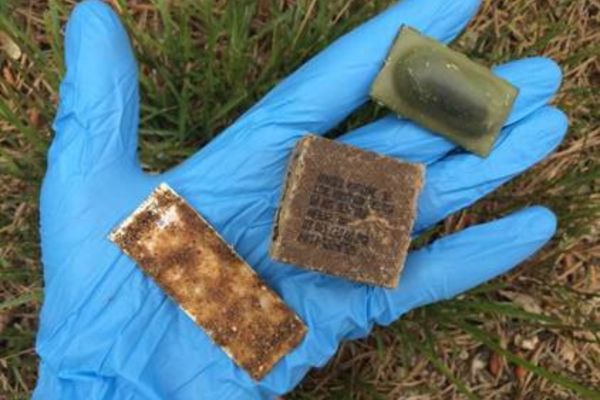
The physical baits themselves are engineered specifically to appeal to the olfactory senses of raccoons. Consisting of a fishmeal coating wrapped around a small plastic sachet or compressed cube measuring approximately one to two inches in length, the bait entices the animal to bite into it. When the raccoon punctures the casing, it ruptures the liquid vaccine inside, coating the oral mucosa and allowing the vaccine to be absorbed into the lymphatic system, thereby stimulating an immune response against the rabies virus.
Throughout this period, the Maine CDC maintained open lines of communication with local veterinary clinics, emergency rooms, and municipal offices to address public inquiries regarding the sudden appearance of the bait packets on private properties and public lands.
Supporting Context & Metrics: The Scale of the Threat and Historical Background
To fully grasp the significance of the August 2026 deployment in Aroostook County, one must examine the broader epidemiological landscape of rabies in Maine, as well as the historical framework of the USDA’s regional control programs.
Current Epidemiological Data in Maine (2026)
Rabies remains an ever-present, silent threat across the pine tree state. Public health tracking reveals that as of August 10, 2026, Maine has officially reported 28 rabies-positive animals spanning 12 distinct counties. The infected wildlife pool is diverse, encompassing classic vector species such as:
- Raccoons (Procyon lotor)
- Striped skunks (Mephitis mephitis)
- Red and gray foxes
- Multiple bat species
- An unexpected confirmed case in a domestic livestock animal (one goat)
This cross-species transmission underscores why wildlife agencies cannot afford to let down their guard. While bats remain the primary wildlife vector associated with human rabies cases in the United States, the raccoon variant—introduced to the Northeastern United States decades ago—presents a high risk for epizootic outbreaks among both wild animals and unvaccinated domestic pets that come into contact with wildlife.
Historical Evolution of the USDA Program
The current deployment in northern Maine is far from an isolated event; it is a critical node in a sophisticated, continent-spanning defensive network. USDA Wildlife Services initiated its targeted raccoon rabies containment efforts in northern Maine back in 2003. Recognizing that wildlife diseases do not respect geopolitical boundaries, the agency has maintained close, collaborative partnerships with provincial wildlife authorities in neighboring New Brunswick and Quebec, Canada.
On a macro level, the Maine campaign is an integral component of a massive USDA-managed rabies-control barrier. This strategic buffer zone stretches continuously along the Appalachian region, running all the way from the Canadian international border down to Alabama. By establishing this vaccinated biological barrier, federal agencies prevent the northern raccoon rabies variant from merging with the southern raccoon or coyote variants—an eventuality that could create an unbroken chain of rabies vulnerability stretching from the Gulf of Mexico to the Arctic Circle.
Official Statements and Veterinary Guidelines: Safety, Handling, and Public Protocol
With hundreds of thousands of chemical and biological packets scattered across fields, forests, and suburban edges, community education is paramount. Federal and state health authorities, alongside veterinary professional associations, have issued clear, unambiguous guidelines regarding public interaction with the ORV baits.
Safety for Humans and Pets
The primary question on the minds of pet owners, farmers, and parents is whether the vaccine itself poses a health hazard.
- Human Safety: Veterinarians and public health officials emphasize that people and animals cannot contract rabies from contact with the bait itself. The oral vaccine utilizes a modified live virus or recombinant vector that is incapable of causing the disease. However, human handling of the baits is strongly discouraged, as the human scent can deter raccoons from consuming them.
- Accidental Skin Contact: If an individual touches or handles a bait packet, the protocol is straightforward: immediately wash the affected skin area thoroughly with soap and warm water.
- Pet and Livestock Exposure: Domestic dogs and cats frequently find the fishmeal coating irresistible. If a dog consumes multiple baits, the most common side effect is mild gastrointestinal upset (such as minor vomiting or diarrhea) due to the rich fishmeal composition and wax-fat matrixes. There are no known long-term health effects resulting from dogs or cats consuming the ORV baits.
The Maine CDC Consultation Line
For any resident, pet owner, or livestock producer who has questions regarding a person or domestic animal that has handled, punctured, or ingested an ORV bait, the State of Maine provides a dedicated resource. Inquiries can be directed to the Maine CDC’s 24-hour consultation line at 800-821-5821.
Veterinary Best Practices
Veterinary professionals practicing in Maine and across New England play an indispensable role in the frontline defense against rabies. Medical professionals are instructed to reinforce several critical messages with their clients:
- Up-to-Date Vaccinations: Emphasize that maintaining current, legal rabies vaccinations for all domestic dogs, cats, ferrets, and livestock is the single most effective barrier against domestic transmission.
- Post-Exposure Protocols: Urge clients to seek immediate veterinary or medical evaluation following any unexplained bite, scratch, or direct contact with wild animals.
- Thorough Wound Debridement: In the event of a suspected animal bite or scratch, human medical guidelines mandate immediate and thorough wound washing with soap and running water for a full 10 to 15 minutes before seeking emergency medical care.
Future Outlook: Sustaining the Immunization Barrier
As the smoke clears from the August 2026 Aroostook County bait drop, public health planners are already looking ahead to the future of wildlife disease management in northern New England.
The success of the oral rabies vaccine program is measured not by the immediate eradication of the virus—an epidemiological impossibility given the vastness of wild reservoirs—but by containment, suppression, and risk mitigation. By consistently reducing the susceptible population of raccoons through synchronized spring and fall baiting campaigns, the USDA and Maine CDC have successfully prevented the massive epizootic waves that plagued the region in the late 20th century.
However, challenges remain on the horizon. Changing climate patterns, shifting wildlife migration corridors, and urban sprawl continue to alter how wild species interact with human populations. Maintaining the integrity of the Appalachian rabies barrier requires sustained federal funding, uninterrupted cross-border cooperation with Canadian authorities, and ongoing public vigilance.
For now, the nearly 599,000 doses distributed across Aroostook County stand as a testament to modern preventive medicine and wildlife management. By proactively immunizing the wild populations most likely to act as viral vectors, Maine is safeguarding its rural communities, protecting domestic animals, and reinforcing a biological shield that protects public health from the ground up.
For further updates, detailed maps of bait distribution zones, and ongoing public health advisories, visit the official website of the State of Maine.