
By Veterinary Practice News Editorial Staff
Published: September 2026
Executive Overview
The modern veterinary practice operates in a high-stress, emotionally demanding environment. Veterinary professionals—ranging from veterinarians and certified veterinary technicians (CVTs) to practice managers and front-desk personnel—routinely navigate a complex landscape marked by clinical emergencies, financial constraints, and emotionally charged client interactions. Amid these systemic challenges, the emotional well-being of clinic staff is frequently strained, while client relationships can occasionally become transactional or tense.
However, a growing movement within practice management champions the integration of small, intentional, and low-cost initiatives to radically shift this dynamic. Authored by veterinary practice management expert Jill Brecklin, CVT, CVPM, recent industry insights highlight how minor operational adjustments can yield outsized returns. By systematically recognizing positive client behaviors, introducing interactive and personalized clinic experiences, and deepening partnerships with local animal welfare organizations, veterinary hospitals can cultivate an environment of mutual respect, joy, and community integration.
This article examines the core strategies detailed by Brecklin, analyzing how concepts such as the "Gold Star Client" program, monthly pet-photography themes, and streamlined rescue fundraisers function not merely as feel-good gimmicks, but as strategic operational tools. These initiatives simultaneously improve staff retention, elevate the client experience, and cement the veterinary hospital as a compassionate pillar of its local community.
Detailed Chronology: The Evolution of Positive Reinforcement and Community Engagement in Veterinary Medicine
The Genesis of the "Gold Star Client" Initiative
In many veterinary settings, standard operational policies tend to react primarily to negative situations: dealing with billing disputes, managing aggressive clients, or addressing critical feedback online. Brecklin identified a critical gap in this approach: veterinary teams rarely paused to formalize and reward positive interactions.
The "Gold Star Client" program was engineered to counteract this oversight through a deceptively simple mechanism. Whenever a client inside an examination room offered genuine compliments to the veterinary staff, demonstrated exceptional patience, or received difficult medical prognoses with grace and understanding, they were designated as a Gold Star Client.
- Identification: Staff members identified moments of extraordinary kindness or resilience during everyday appointments.
- Personalized Recognition: Clinicians or front-desk personnel completed a physical Gold Star card, hand-writing the specific reason for the commendation and expressing gratitude for the client’s empathy.
- Immediate Financial Incentive: Accompanying the card was a nominal $5 immediate credit applied directly to the client’s bill for that visit.
- Monthly Cumulative Drawing: At the close of each month, practice management utilized the practice management system (PMS) to compile all Gold Star recipients, running a randomized drawing to award a larger prize package.
Rather than relying on massive financial investments, the program operated on a modest budget—most notably demonstrated by an initial $100 investment in a simple box of custom cards. Yet, the psychological return on investment (ROI) proved profound. Clients began discussing the program openly, marveling that they were being acknowledged simply for "being nice." This transparency served an educational purpose as well; it prompted other clients to recognize the inherent pressures of veterinary medicine, fostering a culture of mutual understanding across the exam room table.
Implementing Sweet and Simple Touches: The Monthly Photo Themes
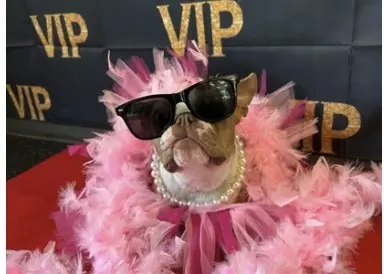
Moving beyond behavioral recognition, veterinary hospitals frequently struggle with the inherent sterility of clinical environments. Waiting rooms and exam spaces can induce anxiety in both pets and their owners. To combat this, Brecklin’s practice implemented a rotating series of monthly photo themes designed to transform the clinic into an interactive, warm, and visually engaging space.
- Internal Proofing via Staff Pets: To build internal momentum and familiarize staff with the workflow, the clinic initially featured photographs and social media posts of employee-owned pets interacting with the themes.
- Client Integration: Once the concept was established, the hospital advertised upcoming monthly themes. Clients were actively encouraged to bring their pets to designated photo areas within the clinic lobby during visits.
- Omnichannel Amplification: Pet owners captured images using personal smartphones for their own social media channels, while clinic staff simultaneously captured high-engagement content for the hospital’s digital platforms.
- Physical Lobby Showcases: To bridge the gap between digital and physical spaces, the practice transitioned these images onto a dedicated monthly bulletin board in the lobby, giving clients a tangible sense of belonging.
By reframing the veterinary visit as an opportunity to celebrate the human-animal bond through creative photography, the clinic reduced client anxiety while generating organic, word-of-mouth marketing that traditional advertising budgets struggle to replicate.
Deepening Community Roots: Rescue Partnerships and Innovative Fundraising
The third pillar of Brecklin’s operational framework focuses outward, aligning the veterinary hospital with local rescue organizations and animal shelters. Traditional fundraising efforts in clinical settings often suffer from logistical bottlenecks—such as lobby congestion caused by physical donations (blankets, food, and crates) that overwhelm limited storage space.
To solve this, the clinic introduced streamlined, technology-driven giving models:
- The Digital Giving Tree: During the holiday season, the lobby featured a decorative tree adorned with paper ornaments. Each ornament displayed a photograph of a real shelter pet, a brief biographical back story, and a customized QR code.
- Seamless E-Commerce Integration: Foster families curated individualized Amazon wish lists tailored to each specific foster pet’s dietary needs, toy preferences, and medical requirements. Clients simply scanned the QR code with their smartphones, purchased the items directly, and had them shipped straight to the foster parent’s doorstep.
- Zero-Inventory Efficiency: The hospital successfully facilitated donations for 25 distinct shelter pets simultaneously, with each animal receiving multiple orders, all without requiring the clinic to store physical goods on-site.
- On-Site and Off-Site Event Sponsorship: Beyond the clinic walls, staff involvement expanded to major regional events, such as The Bella Ball—an annual winter gala founded by a client in memory of a beloved dog named Bella. The clinic proudly sponsored the event’s "Puppy Kisses and Cuddle Booth," helping generate critical financial support for local no-kill shelters while fostering deep personal connections between staff and clients outside of clinical hours.
Supporting Context and Metrics: The Economics of Compassion
To fully appreciate the impact of these initiatives, one must analyze the broader economic and psychological metrics governing the veterinary industry. According to industry data from organizations such as the American Animal Hospital Association (AAHA) and the Veterinary Hospital Managers Association (VHMA), staff burnout, compassion fatigue, and retention remain among the most urgent threats to the sustainability of animal healthcare practices.
The Cost of Workplace Stress
High staff turnover is a multi-faceted crisis for veterinary clinics. Recruiting, hiring, and training a new veterinary technician or associate veterinarian can cost thousands of dollars in lost productivity and direct expenses. More importantly, chronic staff burnout directly correlates with decreased client satisfaction scores, medical errors, and a deterioration in the quality of patient care.
Programs like the Gold Star Client initiative serve as an organizational buffer against burnout. When veterinary teams experience consistent, positive reinforcement from clientele—cultivated and encouraged by management—the emotional burden of difficult cases is measurably lightened. Front-line workers who feel supported and valued by their community are significantly less likely to experience severe compassion fatigue.
Marketing Efficiency and Word-of-Mouth ROI
Traditional veterinary marketing often relies on expensive pay-per-click digital campaigns, direct mailers, or local print advertising. However, consumer trust in veterinary medicine is fundamentally built on peer recommendations.
The integration of monthly photo themes and client recognition cards harnesses the power of user-generated content (UGC). When a client posts a photo of their pet participating in a clinic-sponsored holiday or seasonal theme, they act as an authentic brand ambassador.
- Organic Reach: Social media shares generated by clients carry higher trust metrics among prospective clients than corporate advertising.
- Low Capital Expenditure: Purchasing small props, seasonal backdrops, and printing custom card stock requires minimal financial overhead (e.g., the initial $100 card box investment), making these strategies accessible to independent clinics operating on tight margins.
- Enhanced Client Retention: Clients who feel emotionally bonded to a practice through shared joy, community philanthropy, and personal recognition exhibit higher lifetime value (LTV) and compliance rates regarding preventative care recommendations.
Official Statements and Industry Perspectives
Industry leaders and practice management professionals have increasingly emphasized the necessity of human-centric leadership within veterinary medicine.
"Veterinary medicine is fundamentally an emotionally taxing profession. When we focus exclusively on clinical metrics, financial yields, and operational throughput, we risk losing the very heartbeat of our hospitals—the human connection between our teams, our clients, and our patients," notes Jill Brecklin, CVT, CVPM. "Implementing small, intentional touches like client recognition and collaborative rescue support doesn’t just improve morale; it fundamentally alters the energetic frequency of the workplace."
Behavioral analysts in veterinary human resources echo these sentiments, pointing out that modern pet owners—particularly younger demographics such as Millennials and Gen Z—prioritize brand values, community involvement, and emotional resonance when selecting healthcare providers for their companion animals. Clinics that successfully project sincerity and social responsibility capture a distinct competitive advantage in an increasingly consolidated corporate veterinary landscape.
Furthermore, representatives from regional animal rescue organizations have highlighted the transformative nature of clinic-backed partnerships.
"When a veterinary hospital opens its doors—whether through hosting low-impact photo days or utilizing digital giving trees—they bridge the gap between shelter animals and potential adopters in a way that shelters simply cannot achieve alone," shares a director from a municipal no-kill rescue group. "It transforms veterinary clinics from places people only visit during times of illness or crisis into hubs of community celebration and hope."
Future Outlook: The Next Frontier in Veterinary Practice Management
As the veterinary industry continues to evolve through technological integration, corporate consolidation, and shifting workforce expectations, the imperative for human-centric practice management will only intensify. Looking toward the future, several trends are poised to shape how clinics adopt and expand upon these foundational concepts:
1. Integration of Digital Practice Management Tools
Future iterations of client recognition programs will likely leverage advanced Practice Management Software (PMS) and client engagement apps. Automated push notifications could instantly reward clients who exhibit exemplary patience or kindness during complex treatments, seamlessly applying digital loyalty credits without requiring manual administrative tracking.
2. Expanded Corporate Social Responsibility (CSR) in Independent Practices
Corporate and privately owned veterinary practices alike are recognizing that modern consumers demand active corporate citizenship. Moving forward, partnerships with rescue organizations will likely expand beyond seasonal events into year-round philanthropic frameworks, utilizing augmented reality (AR) and virtual reality (VR) in clinic lobbies to showcase adoptable pets in immersive formats.
3. Mental Health Metrics as a Core Performance Indicator (KPI)
Forward-thinking practice managers are beginning to measure clinic success not purely through financial EBITDA (Earnings Before Interest, Taxes, Depreciation, and Amortization), but through holistic metrics that include staff retention rates, employee Net Promoter Scores (eNPS), and client sentiment analysis. Initiatives that foster joy, recognition, and community cohesion will transition from "nice-to-have" extras to essential operational standards for sustainable practice longevity.
Conclusion
The insights shared by Jill Brecklin underscore a vital truth about modern veterinary practice: excellence does not always require massive financial investment or complex technological overhauls. By focusing on sincerity, celebrating the human-animal bond, systematically rewarding kindness, and uniting around community rescue efforts, veterinary hospitals can build resilient, joyful, and deeply connected workplaces that benefit staff, clients, and patients alike.