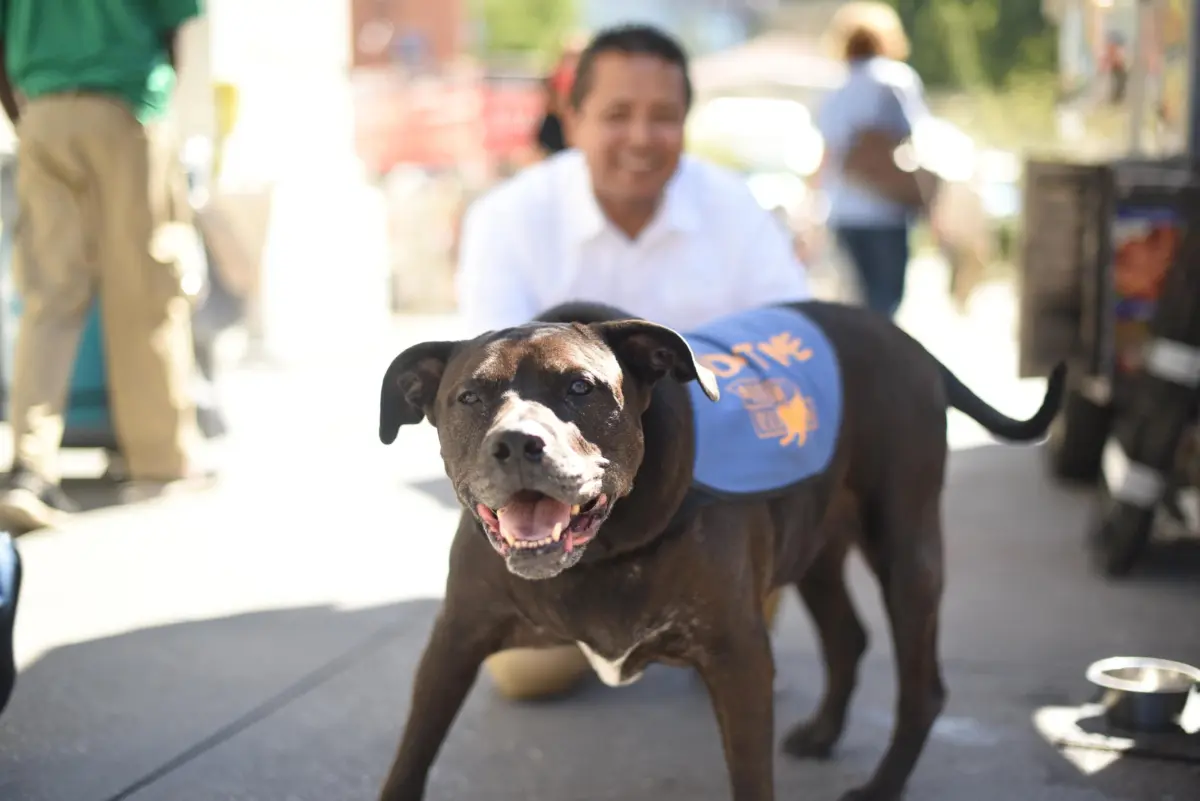
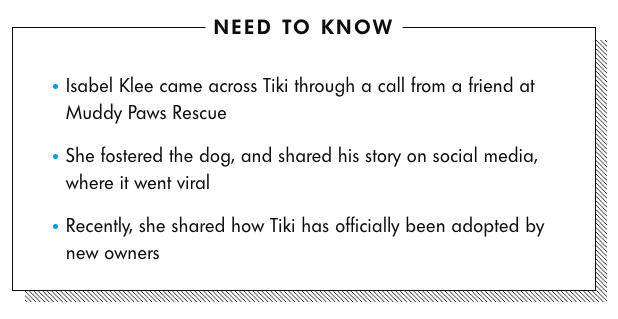
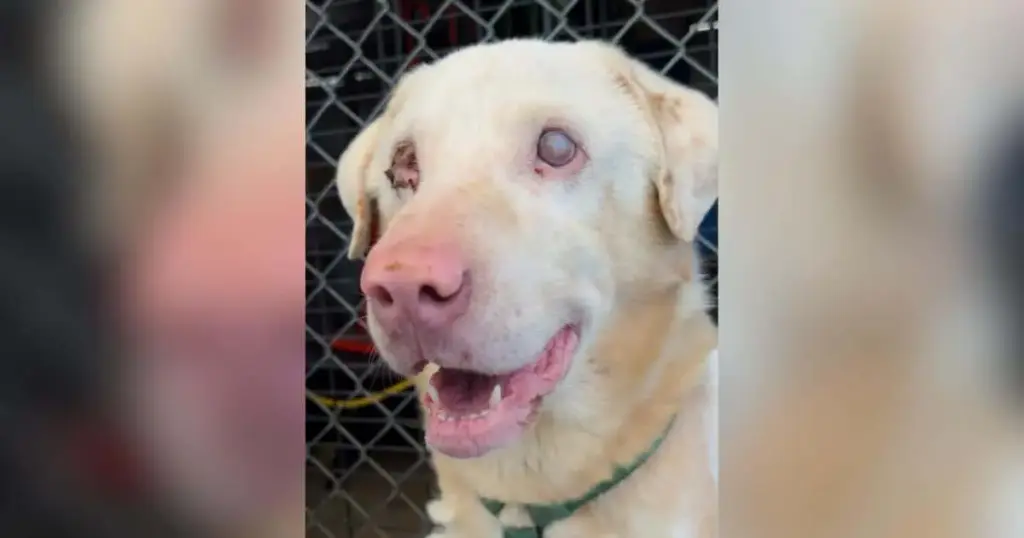
In an era defined by rapid digital consumption and fleeting internet trends, rare moments of genuine heart manage to break through the noise, capturing the collective consciousness of millions. Such was the remarkable case of Tiki, a rescue dog whose harrowing early struggles, subsequent rehabilitation, and eventual adoption became a global phenomenon. Featured prominently in People Magazine and championed by dedicated foster caregiver Isabel (known widely across digital platforms as @simonsits), Tiki’s journey evolved from a localized animal rescue narrative into a universal symbol of resilience, patience, and courage.
Initially entering the foster system as an extremely fearful, shut-down dog who exhibited classic signs of severe institutional trauma and sensory overload, Tiki’s prospects appeared daunting. However, through a meticulous, compassionate, and unorthodox foster-care approach, he transitioned from hiding away from the world to inspiring individuals across the globe to confront their own fears. This comprehensive investigative report explores the mechanics of Tiki’s viral fame, the vital role of modern foster networks in animal welfare, the specific challenges of rehabilitating shut-down rescue dogs, and what this landmark adoption means for the future of animal advocacy.
Detailed Chronology: The Path from Isolation to the Spotlight
Phase 1: The Arrival and the Shell of Fear
When Tiki first entered the rescue pipeline, he did not resemble the joyful, photogenic companion that would later grace computer and smartphone screens worldwide. Animal behaviorists and shelter workers categorize "shut-down" dogs as those who have experienced psychological trauma so intense that their primary coping mechanism is complete withdrawal. Tiki refused to make eye contact, cowered at the slightest environmental noise, and appeared entirely detached from his surroundings.
For many animals exhibiting these extreme symptoms, the risk of euthanasia in overcrowded municipal shelters remains devastatingly high. However, specialized rescue organizations and dedicated foster volunteers frequently step in to offer a lifeline. For Tiki, that lifeline came in the form of Isabel, a seasoned foster parent with a proven track record of handling high-anxiety and special-needs animals.
Phase 2: The Foster Breakthrough and Digital Documentation
Rehabilitating a shut-down dog requires infinite patience, adherence to strict routines, and an environment devoid of undue pressure. Isabel documented Tiki’s rehabilitation process not as a calculated bid for social media stardom, but as an authentic educational window into the realities of canine trauma recovery.
By sharing short video clips on TikTok (@simonsits), Isabel offered viewers a raw, unvarnished look at the incremental steps of progress. Audiences watched as Tiki took his first hesitant steps outside, engaged in his initial moments of play, and slowly learned to trust human touch. The contrast between Tiki’s initial paralyzed state and his gradual awakening struck a profound chord with internet users, transforming his daily updates into mandatory viewing for millions.
Phase 3: National Recognition and Viral Velocity
As Tiki’s confidence blossomed, so did his digital footprint. Algorithms favored his authentic narrative of triumph over adversity, propelling his videos onto the "For You" pages of users far outside the traditional animal rescue demographic. Media outlets quickly took notice of the groundswell of public interest.
The turning point for mainstream visibility arrived when People Magazine published a dedicated feature story detailing Tiki’s journey from a terrified shelter intake to an internet-famous beacon of bravery. The article amplified his story beyond social media bubbles, introducing his plight to a massive readership and initiating a nationwide search for his forever home.
Phase 4: The Forever Home
The culmination of months of rehabilitation, viral advocacy, and intensive media coverage arrived when Tiki was officially adopted. The adoption not only provided a happy ending for a deserving dog but also validated the tireless, often invisible labor performed by foster parents and rescue coordinators worldwide. Tiki’s new family stepped forward equipped with a deep understanding of his specialized background, ensuring that his transition from foster care to permanent residency would be seamless and supportive.
Supporting Context & Metrics: The Mechanics of Modern Animal Advocacy
To fully understand Tiki’s impact, one must examine the broader ecosystem of animal rescue, foster networks, and digital advocacy metrics in the mid-2020s.
The Crisis of Shut-Down Dogs in Shelters
According to data compiled by animal welfare coalitions, thousands of dogs enter municipal shelters annually exhibiting signs of acute psychological trauma or learned helplessness. Unlike dogs that display high-energy behavioral issues or physical ailments, shut-down dogs are frequently overlooked by casual adopters walking through kennel rows. Their stillness is often misconstrued as a calm temperament, when in reality, it is a trauma response.
Organizations like Muddy Paws Rescue and similar urban foster-based networks have pioneered alternative models to combat this crisis. By bypassing traditional brick-and-mortar kennels in favor of foster homes, these organizations provide trauma-recovery environments that significantly lower cortisol levels in newly rescued animals.
The Rise of "Influencer-Fostering"
Tiki’s story underscores a shifting paradigm in animal rescue marketing: the rise of the digital foster parent. Social media platforms have transformed individual foster homes into media hubs capable of generating instantaneous public engagement, donations, and adoption applications.
Reach Multiplication: A single viral video can reach upwards of 5 to 10 million unique viewers within a 48-hour window.
Applicant Quality: Digital documentation pre-qualifies potential adopters. By the time a dog like Tiki becomes available for adoption, the applicant pool consists of individuals who are intimately familiar with the animal’s specific behavioral triggers, medical history, and daily needs.
Democratization of Rescue: Content creators like Isabel demystify the complexities of fostering, encouraging first-time volunteers to open their homes to high-need animals.
Official Statements and Industry Perspective
The widespread acclaim surrounding Tiki’s adoption has elicited responses from animal welfare professionals, behavioral experts, and digital media analysts.
Dr. Elena Vance, a prominent veterinary behaviorist specializing in shelter trauma recovery, noted the significance of public exposure in cases like Tiki’s:
"When the public witnesses the rehabilitation of a shut-down dog in real-time, it shatters the misconception that shelter animals are ‘damaged goods.’ Tiki’s journey proves that with time, structure, and immense empathy, neuroplasticity allows traumatized animals to reclaim their capacity for joy."
Shelter directors have similarly highlighted the secondary benefits of viral rescue stories. While only one dog can be adopted by a single family, the halo effect of viral visibility often drives a surge in overall adoption inquiries, foster applications, and monetary donations for entire rescue networks. Isabel herself reflected on the phenomenon in her communications with followers, emphasizing that Tiki’s bravery was a mirror for the audience:
"Tiki didn’t just learn how to be brave in a scary world; he reminded all of us watching that facing our own fears is possible, one tiny, trembling step at a time."
Future Outlook: Implications for Animal Rescue and Adoption Innovation
Tiki’s viral adoption serves as a case study for the future of animal rescue organizations. As digital platforms continue to evolve, rescue groups are increasingly professionalizing their media strategies, treating foster coordinators as digital content creators and community managers.
1. Mainstreaming Flexible Adoption Models
In tandem with viral success stories, progressive rescues are implementing innovative adoption frameworks to accommodate hesitant or first-time pet parents. Programs such as "Flex Adoptions"—which allow potential owners extended trial periods or foster-to-adopt pipelines—are seeing increased adoption rates because they lower the psychological barrier to entry for human adopters.
2. Evolving Registration and Vetting Processes
As digital reach expands, animal shelters are modernizing their administrative infrastructure. Outdated, paper-based adoption registration is being replaced by streamlined digital portals that can handle high-volume interest generated by viral media coverage without compromising the rigorous vetting required to ensure animal safety.
3. Progressive Policies: Beyond Breed Labels
Forward-thinking rescues are also rethinking how adoptable animals are presented to the public. Initiatives such as the removal of restrictive breed labels focus instead on individual behavioral assessments, ensuring that dogs are judged by their unique personalities and trauma histories rather than generalized stereotypes—a philosophy that undoubtedly paved the way for open-minded adopters to look past Tiki’s initial fearful demeanor and see his true potential.
Conclusion
Tiki the dog is more than just a viral internet darling or a headline in People Magazine. He is a testament to the transformative power of patient foster care, the reach of modern digital advocacy, and the indomitable spirit of rescue animals everywhere. As he settles into his permanent home, Tiki leaves behind a legacy that challenges shelters, fosters, and adopters alike to look closer, care deeper, and remain brave in the face of the unknown.