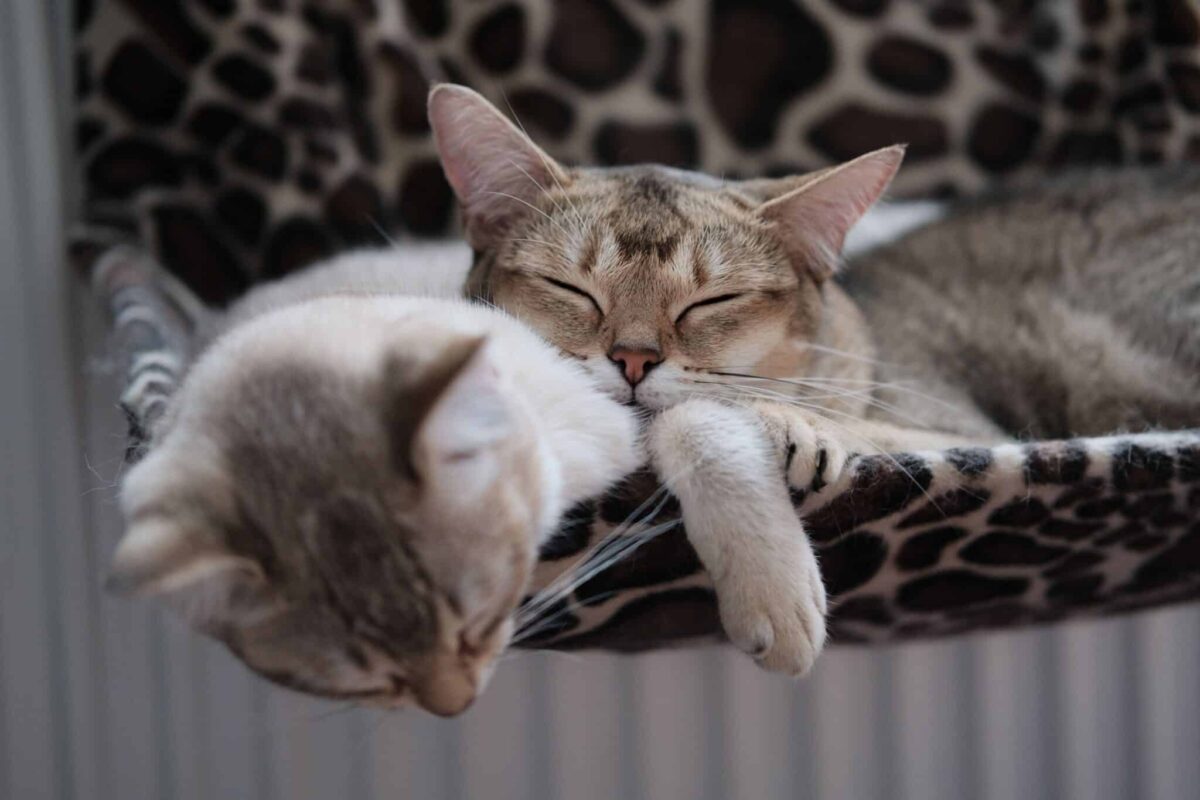
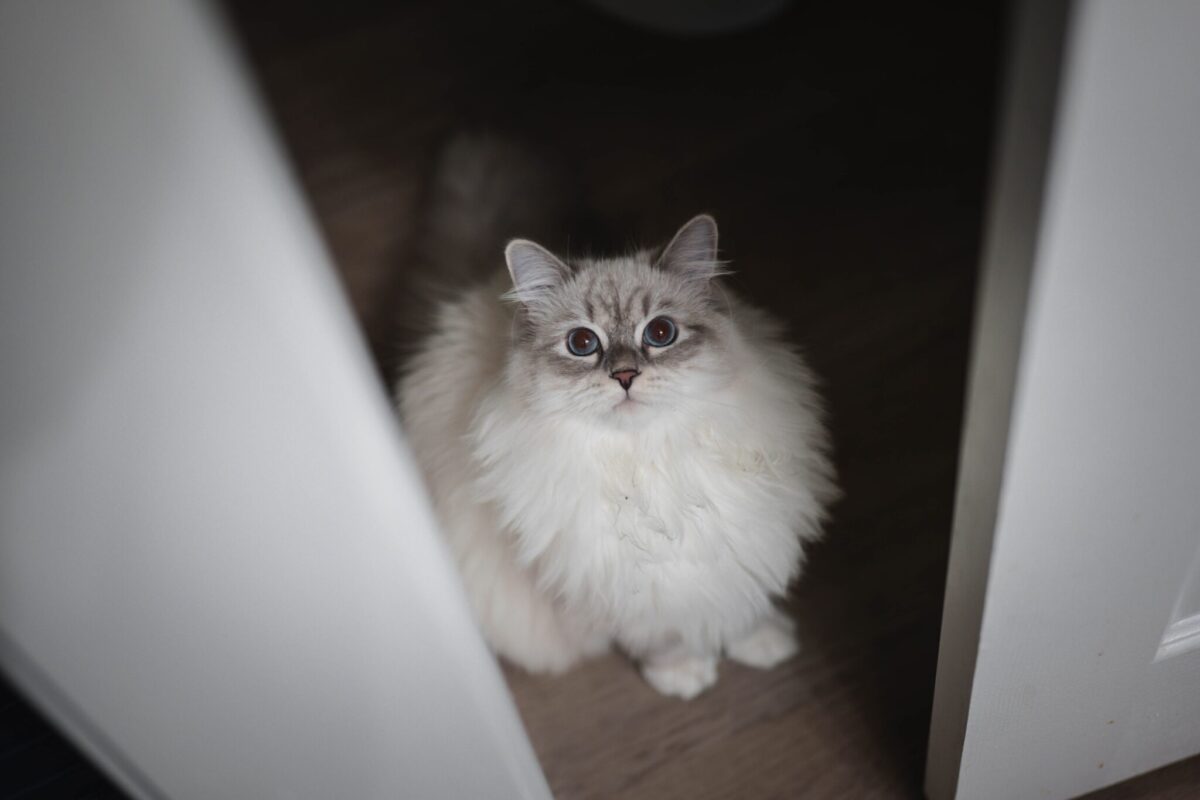
To live with a cat is to dwell in a state of perpetual bewilderment. Feline companions possess a rare, uncanny knack for turning an ordinary afternoon into an unpredictable masterclass of absurdity. They will systematically squeeze their bodies into impossibly tiny cardboard boxes while ignoring a plush, hundred-dollar orthopedic bed; they will launch into supersonic sprints across quiet rooms at 3:00 AM for reasons entirely unknown; they will stare with terrifying, unblinking intensity at a seemingly blank wall; and they will slowly, deliberately push a glass of water off a countertop while maintaining direct eye contact with their owner.
To the human observer, these routines appear random, chaotic, and occasionally maddening. However, contemporary animal behaviorists, evolutionary biologists, and feline veterinarians emphasize that these actions are far from arbitrary. When examined through the lens of a cat’s ancestral heritage, sensory capabilities, and neurological wiring, almost every eccentric habit reveals itself to be a surprisingly logical adaptation.
This comprehensive investigative report explores the scientific explanations behind eleven of the most common—and most baffling—feline behaviors. By bridging the gap between human interpretation and biological reality, we can better understand the complex internal world of our domestic companions, transforming household confusion into deep empathy and appreciation.
Detailed Chronology of Feline Behavioral Evolution
The domestic cat (Felis catus) occupies a unique evolutionary niche. Unlike dogs, which were domesticated primarily for cooperative working roles such as herding, guarding, and hunting alongside humans, cats transitioned into human society largely on their own terms. Roughly 10,000 years ago in the Fertile Crescent, wild African cats (Felis lybica) gravitated toward early agricultural settlements to prey on rodents attracted to stored grain. Humans welcomed these efficient pest controllers, but the fundamental neurobiology of the cat remained largely unaltered.
As a result, our modern apartment-dwelling tabby retains the exact survival machinery of a solitary desert predator. The behaviors that baffle us today—from frantic sprinting to obsessive scent-marking—are historical evolutionary tools honed over millions of years. Below is a detailed chronological breakdown of how these instincts manifest in daily domestic life.
1. The Box Obsession: Seeking Enclosed Security
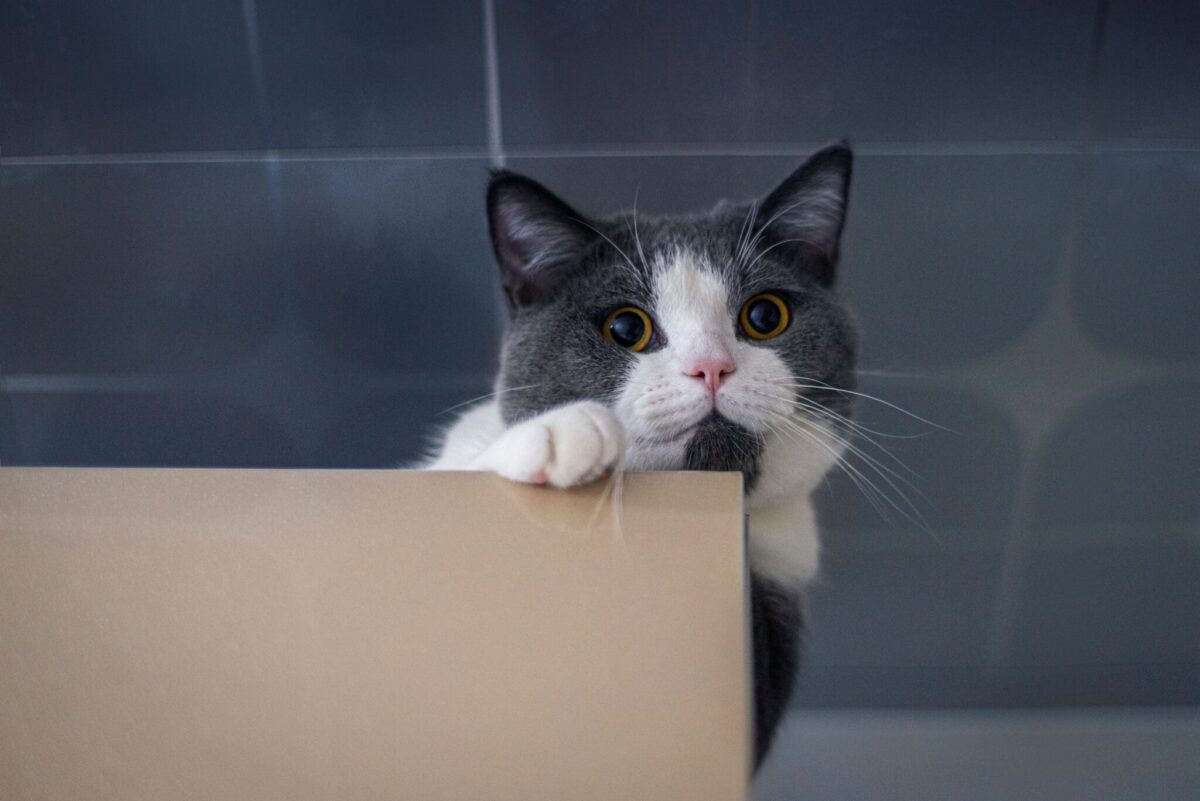
One of the most widely documented feline quirks is an unyielding preference for cardboard boxes over luxury cat furniture. When a cat curls tightly into a container that is a fraction of their size, they are not merely amusing us; they are fulfilling a primal drive for safety.
In the wild, enclosed spaces provide dual evolutionary advantages: protection from ambush predators and concealment while stalking prey. A box limits the vectors from which a threat can emerge, offering physical boundaries that trigger the release of endorphins and lower stress levels. Furthermore, cardboard is an exceptional thermal insulator. Because a cat’s optimal thermoneutral zone is significantly higher than human room temperature (typically between 85°F and 100°F), confined spaces trap body heat, ensuring maximum comfort during extended resting periods.
2. Midnight Zoomies: Releasing Predatory Energy
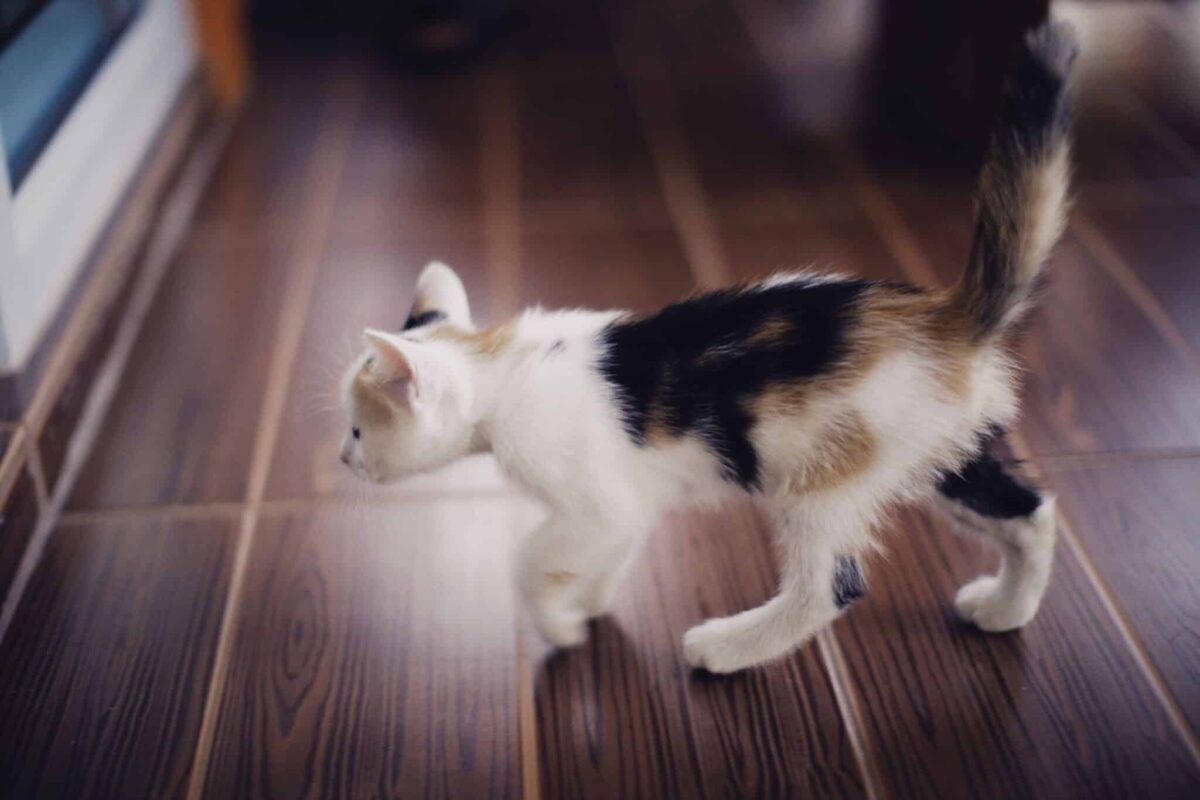
The sudden, high-speed dash across a living room—colloquially known as "zoomies" or Frenetic Random Activity Periods (FRAP)—usually strikes when the household is winding down for sleep.
Biologically, these sudden bursts of energy serve as an outlet for unspent predatory adrenaline. In a natural environment, a cat’s day is dictated by the hunt: stalking, chasing, capturing, and consuming prey. For an indoor cat whose meals arrive effortlessly in a ceramic bowl, this high-octane biological loop remains unbroken. Without the physical exertion of hunting, pent-up kinetic energy accumulates in the nervous system. The explosive sprint is a safety valve, allowing the cat to rapidly discharge nervous tension before returning to a state of calm grooming.
3. Making Biscuits: The Retaining of Kittenhood Comfort
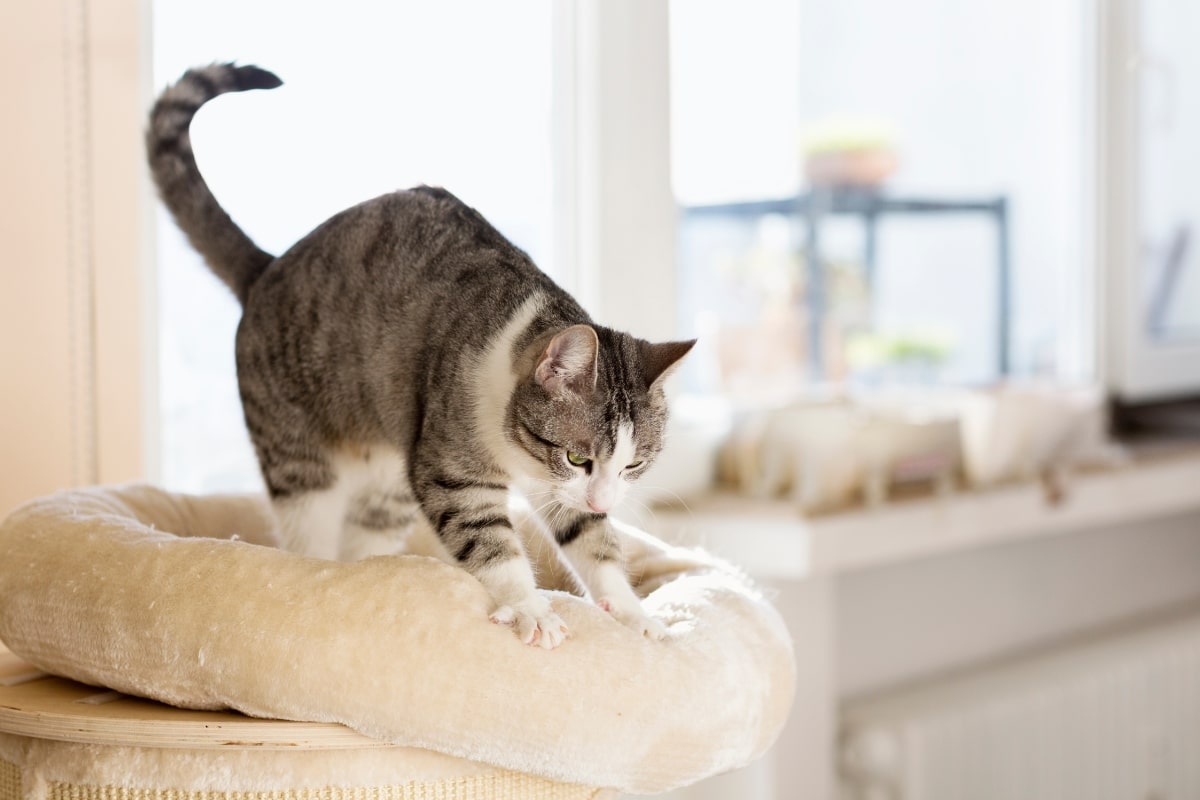
Rhythmic paw-pressing against soft blankets, upholstery, or human legs—known affectionately as "kneading" or making biscuits—is a direct behavioral throwback to kittenhood.
Nursing kittens knead their mother’s abdomen to stimulate milk flow. When adult cats replicate this motion, they are typically in a state of deep contentment, regression, and relaxation. Neurologically, the act triggers comforting memories of maternal warmth, safety, and nourishment. Additionally, a cat’s paw pads are densely packed with sweat and scent glands. Kneading serves a dual purpose: it acts as a tactile massage to prepare a comfortable sleeping spot while simultaneously depositing unique chemical signatures to mark the territory as safe and familiar.
4. Window Chattering: The Frustration of Unattainable Prey
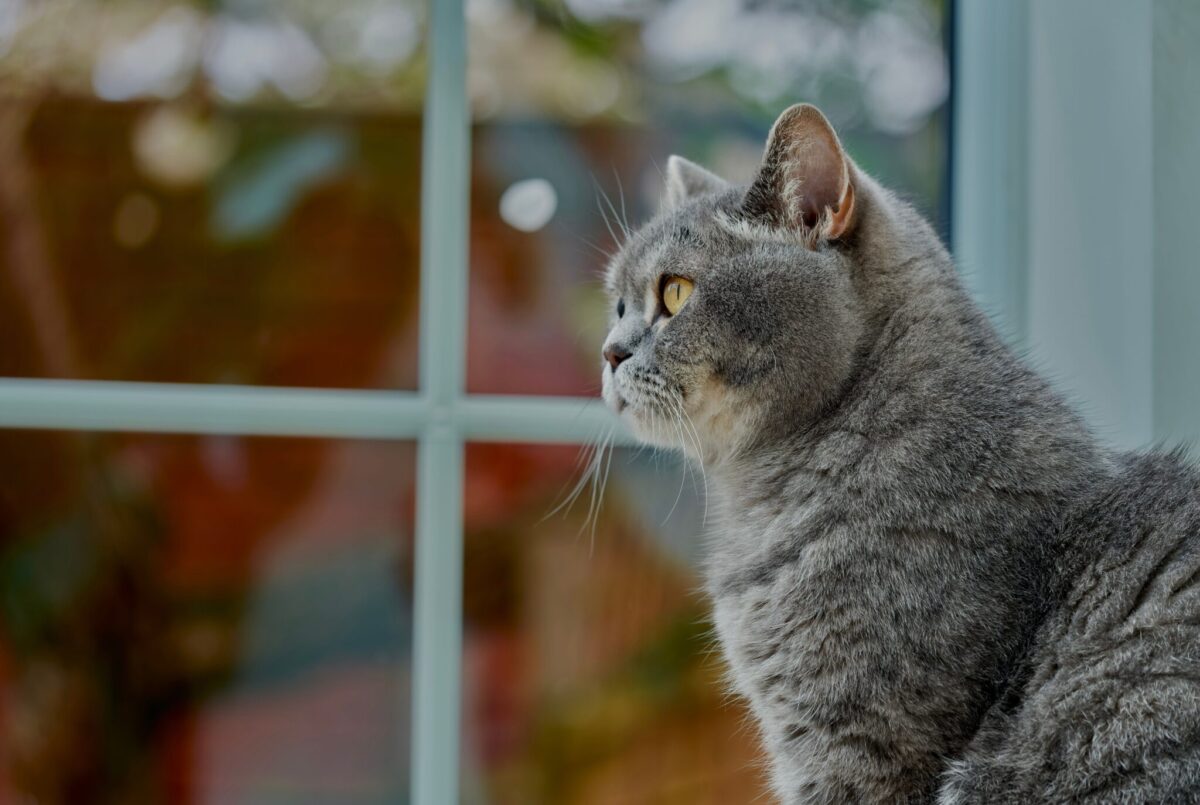
When a house cat spots a bird or squirrel through a glass pane, their jaw often drops open, producing a rapid, rhythmic chattering or clicking sound. This eerie vocalization has fascinated researchers for decades.
While the exact mechanics are still debated, ethologists suggest that chattering represents a mixture of intense hunting arousal, anticipation, and neuromusculoskeletal frustration. Some theories propose that the rapid jaw movement mimics the fatal "killing bite" that a feline would instinctively deliver to the cervical vertebrae of prey. The glass barrier prevents the execution of the final predatory sequence, resulting in an involuntary nervous discharge through the jaw and vocal cords.
5. Architectural Sabotage: Why Cats Knock Things Over
The deliberate pawing of items off tables, desks, and nightstands is a masterclass in feline curiosity. Far from being an act of pure malice, pushing objects is an exploratory tactic.
Cats possess paws packed with sensitive tactile nerve endings, making them premier investigative tools. When a cat bats at a pen, a roll of tape, or a glass of water, they are testing the object’s physical properties: Does it roll? Does it slide? Does it produce a sound? Furthermore, domestic cats quickly learn an associative lesson: knocking an object off a surface unfailingly generates an immediate reaction from their human attendants. What the cat interprets as an interactive physics experiment is often misread by humans as intentional destruction.
Supporting Context & Metrics: The Feline Sensory Apparatus
To fully comprehend why cats behave the way they do—particularly when staring at empty spaces or following us into restricted zones—we must examine the biological metrics of their sensory architecture.
Exceptional night vision; easily tracks minute particulate motion in dim environments.
Olfactory Receptors
~5 million
~200 million
Highly sensitive to chemical markers, pheromones, and environmental changes via cheek-rubbing.
The Mystery of the Unseen: Staring at Empty Walls
When a cat fixes its gaze on an apparently blank wall or corner for minutes on end, owners frequently wonder if the animal is witnessing ghosts. In reality, the explanation lies in the cat’s superior auditory and visual metrics.
A cat’s ears can independently rotate 180 degrees, functioning as biological satellite dishes that capture high-frequency sounds completely imperceptible to the human ear. A microscopic termite chewing within drywall, a house spider navigating baseboards, or a distant plumbing vibration will instantly arrest a cat’s attention. Similarly, their eyes possess a tapetum lucidum—a reflective layer behind the retina that amplifies ambient light—allowing them to detect microscopic dust motes or shifting light refractions in an otherwise empty room.
Territorial Pheromones and Facial Rubbing
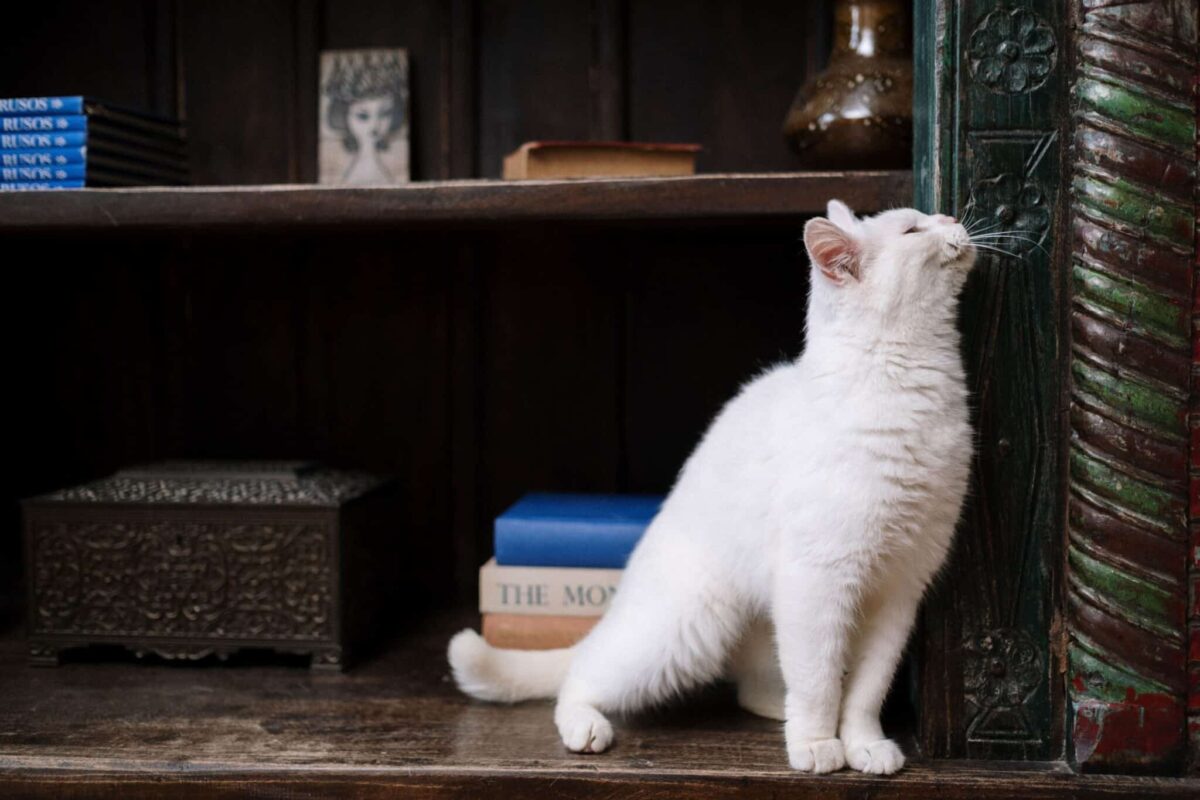
The habit of rubbing cheeks, chins, and lips against furniture corners, doorframes, and human shins is an elaborate cartography of scent. Cats possess specialized sebaceous scent glands concentrated around their facial features.
By depositing these apocrine secretions onto objects, the cat maps out a secure, familiar perimeter known as a "safety zone." When a cat rubs against a human, they are not merely displaying affection; they are cross-contaminating species boundaries, marking the human as a trusted component of their communal colony.
Official Statements and Expert Perspectives
Veterinary behaviorists emphasize that decoding these quirks is vital not only for human amusement but for clinical feline welfare.
"When owners view feline behavior through a human moral lens—attributing malice to knocked-over cups or spite to shredded carpets—the human-animal bond fractures," explains Dr. Elena Vance, a board-certified veterinary behaviorist and author of The Domestic Predator. "Every single bizarre behavior a cat exhibits is an evolutionary solution to a perceived environmental stimulus. If we shift our perspective from frustration to scientific curiosity, we can curate an environment that satisfies their predatory and sensory needs."
Furthermore, animal welfare organizations stress that suppressing these natural instincts can lead to chronic stress-related illnesses, such as feline interstitial cystitis and psychogenic alopecia. Providing dedicated outlets—such as puzzle feeders, vertical climbing spaces, and interactive wand toys that mimic erratic prey movement—allows cats to express their biological imperatives safely indoors.
Future Outlook: The Intersection of Technology and Feline Behavior
As our understanding of animal cognition advances, the future of pet care is shifting toward evidence-based environmental enrichment. Modern technological innovations are increasingly designed to cater to the sensory metrics of the domestic cat.
Automated Sensory Toys: Next-generation interactive devices utilize unpredictable, erratic movement algorithms that successfully stimulate the feline hunting loop without requiring constant human intervention.
Smart Environmental Design: Architects and interior designers are integrating "catification" principles into modern residential housing, incorporating hidden tunnels, elevated catwalks, and vertical enclosures that satisfy the primal need for height, security, and observation.
Behavioral Telehealth: Veterinary medicine is embracing specialized remote behavioral consultations, allowing owners to analyze video footage of unusual staring, pacing, or vocalizations to distinguish between normal evolutionary quirks and neurological distress.
Ultimately, the strangeness of cats is a testament to their evolutionary resilience. They are miniature, highly specialized apex predators sharing a domestic world designed for primates. By honoring their instincts, decoding their sensory experiences, and embracing their delightful eccentricities, we ensure that our feline companions live enriched, stress-free lives alongside us.