
Executive Overview
Summer transitions often bring a blend of celebratory milestones, unexpected natural phenomena, and the unyielding rhythm of agricultural life. Recently, a multi-generational family gathering on the iconic shores of Cape Cod, Massachusetts, provided a rich backdrop for exploration, historical reflection, and familial bonding. Centered around the milestone 18th birthday of granddaughter Taylor, the trip offered a deep dive into classic New England architecture, local ecology, and maritime history.
Concurrently, back on the family farm, the peak of the summer growing season presented a classic rural paradox: vibrant, flourishing floral displays thriving amidst an unruly, rain-drenched jungle. Farm management shifted gears to accommodate lush pastures for livestock, essential veterinary checkups, and the timeless, albeit soapy, ritual of bathing a well-deserving farm dog. This dispatch captures the essence of summer—balancing the joy of milestone celebrations miles away from home with the grounded, daily responsibilities of managing a thriving homestead.

Detailed Chronology of Events
The Cape Cod Expedition: Architecture, Weather, and History
The journey began with a collective family trek to Cape Cod to honor Taylor’s 18th birthday. Despite common warnings regarding peak-season tourist congestion and summer traffic bottlenecks, the excursion yielded a series of memorable discoveries.
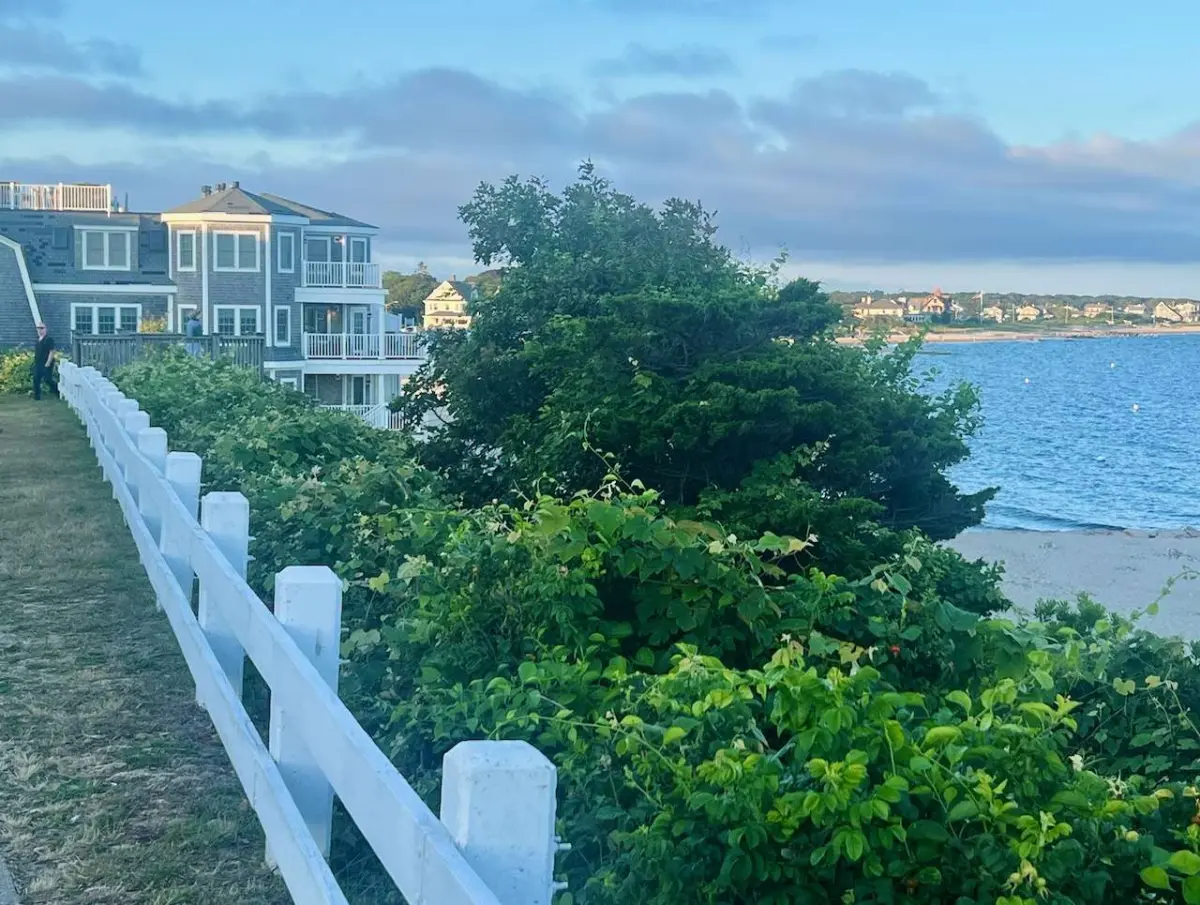
Upon arrival, the landscape immediately mirrored classic New England imagery. Traditional Cape Cod architecture dominated the coastal towns: weather-beaten cedar shingles, crisp white trim, and steeply pitched roofs designed to withstand harsh Atlantic winters. While the younger family members settled into a rented property nearby, the hosts secured accommodations at the historic Inn on the Sound in Falmouth. Despite booking late—landing the diminutive "Deer Pond" room situated between the kitchen and the living area—the stay was characterized by gracious hospitality, exceptional morning breakfasts, and an ideal coastal location.

Uncovering Maritime History at the Whydah Pirate Museum
Unfavorable weather on the opening day prompted an indoor excursion to the renowned Whydah Pirate Museum. Anticipating a conventional, perhaps trivial tourist diversion, the family instead encountered a deeply educational and historically rigorous experience.
Exhibits detailed the true social fabric of the "Golden Age of Piracy," revealing that pirates were frequently individuals escaping severe political persecution, escaped slaves, or marginalized men categorized as "without a country." A surprisingly egalitarian social structure governed these crews: all spoils were divided equally among every man, regardless of his onboard rank. While the museum maintained an objective stance that did not excuse historical violence, the comprehensive exploration of the Whydah shipwreck and its crew left a lasting impression on the entire party.

Ecological Encounters: The Cicada Effect on Local Oak Forests
Beyond historical maritime discoveries, the Cape Cod landscape presented a striking ecological anomaly. Vast stretches of local oak forests appeared distressed, with the leaves on outer branches discolored, withered, and dying. Botanical investigations revealed that this widespread damage was not a permanent blight, but rather a temporary consequence of the 17-year cicada emergence. The physical trauma inflicted upon tree limbs during the oviposition (egg-laying) process temporarily disrupts vascular circulation. Arborists and local experts confirm that the affected woodlands are expected to rebound fully by the following season.
Gardens and Multi-Generational Gatherings
Further exploration led the family to the Heritage Museum and Gardens, sprawling across 100 acres of meticulously maintained horticultural paradise in Sandwich, Massachusetts. The visit served as the focal point for a complete family gathering. The assembled group included Jim’s son Zach, partner Sarah, family friend Emma, birthday celebrant Taylor, eleven-year-old granddaughter Quinne, mother Rachel, son Shane, and Jim.

Supporting Context & Metrics: Farm Operations and Homestead Management
While coastal explorations dominated the first half of the week, the homestead required continuous oversight. The juxtaposition between coastal leisure and agrarian labor highlighted the dynamic nature of rural life during peak summer.
Horticultural Triumph Amidst Agricultural Chaos
Back on the farm, the seasonal apex of floral blooms created an optical illusion of pristine horticultural success. However, a closer inspection revealed a landscape heavily impacted by a relentless cycle of heavy rainfall and packed schedules. Labeled affectionately as a "jungle," the gardens grew unchecked due to a combination of inclement weather and family travel. Despite the lack of meticulous weeding and pruning, the floral displays maintained an undeniable, wild aesthetic strength.

Livestock Welfare and Forage Abundance
In stark contrast to the slightly chaotic vegetable and flower beds, the livestock experienced optimal environmental conditions. The sheep population thrived in what can only be described as "ovine heaven," grazing on exceptionally lush, vibrant green pastures. Agricultural metrics for the season indicate unprecedented forage quality and volume, supported by a healthy reserve of over 150 bales of hay securely stored in the barn.
Official Statements & Routine Animal Care
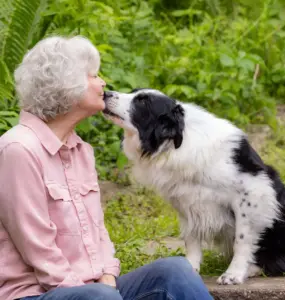
Agricultural and homestead management inherently involves routine veterinary oversight and the physical maintenance of working animals. Recent days brought significant milestones regarding the health and hygiene of the farm’s canine residents, Skip and Maggie.

Canine Hygiene: The Outdoor Hot Water Investment
Skip, an intact male dog, necessitated a thorough cleansing—a requirement confirmed decisively by olfactory evidence. Reflecting on farm infrastructure improvements, the administration noted immense gratitude for the strategic decision to invest in an outdoor hot water line installation.
Utilizing a diluted shampoo technique recommended by professional groomers, the bathing process was streamlined for maximum efficiency and minimal coat residue. Following the wash, Jim captured high-speed photography of Skip’s classic post-bath water-shake sequence, concluding with a therapeutic series of body rubs and physical massages as the dog dried.

Veterinary Updates: Health Metrics for Maggie and Skip
Both Maggie and Skip underwent comprehensive veterinary evaluations at the Mazomanie Vet Clinic under the care of Dr. Eric.
- Maggie’s Renal Health Report: Diagnostic results confirmed highly positive news regarding Maggie’s renal function. Blood urea nitrogen (BUN) registered just marginally above baseline at 2.7, while creatinine levels dropped to 1.5 (an improvement from 1.9 recorded in March), positioning her comfortably at the upper boundary of the normal reference range. Furthermore, urine concentration metrics fell well within optimal parameters, eliciting relief and optimism from veterinary staff.
- Skip’s Cardiac Evaluation: Clinical discussions with Dr. Eric addressed Skip’s diagnosed displaced mitral valve and subsequent vulnerability to extreme overheating. Monitoring protocols remain active, with further updates anticipated as management strategies are refined.
Future Outlook
As the summer season progresses past its midpoint, the dual rhythms of travel and homestead maintenance will continue to shape daily operations. The recovered oak forests of Cape Cod will be monitored for their anticipated post-cicada rebound next spring, while the farm will focus on transitioning livestock management from lush summer pastures to upcoming autumn preparations. Continued veterinary monitoring for Skip’s cardiac condition and Maggie’s stable renal metrics will remain top priorities for the homestead administration, ensuring that both human and animal residents navigate the remainder of the year in optimal health and high spirits.