
EXECUTIVE SUMMARY
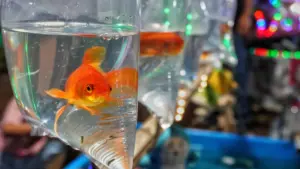
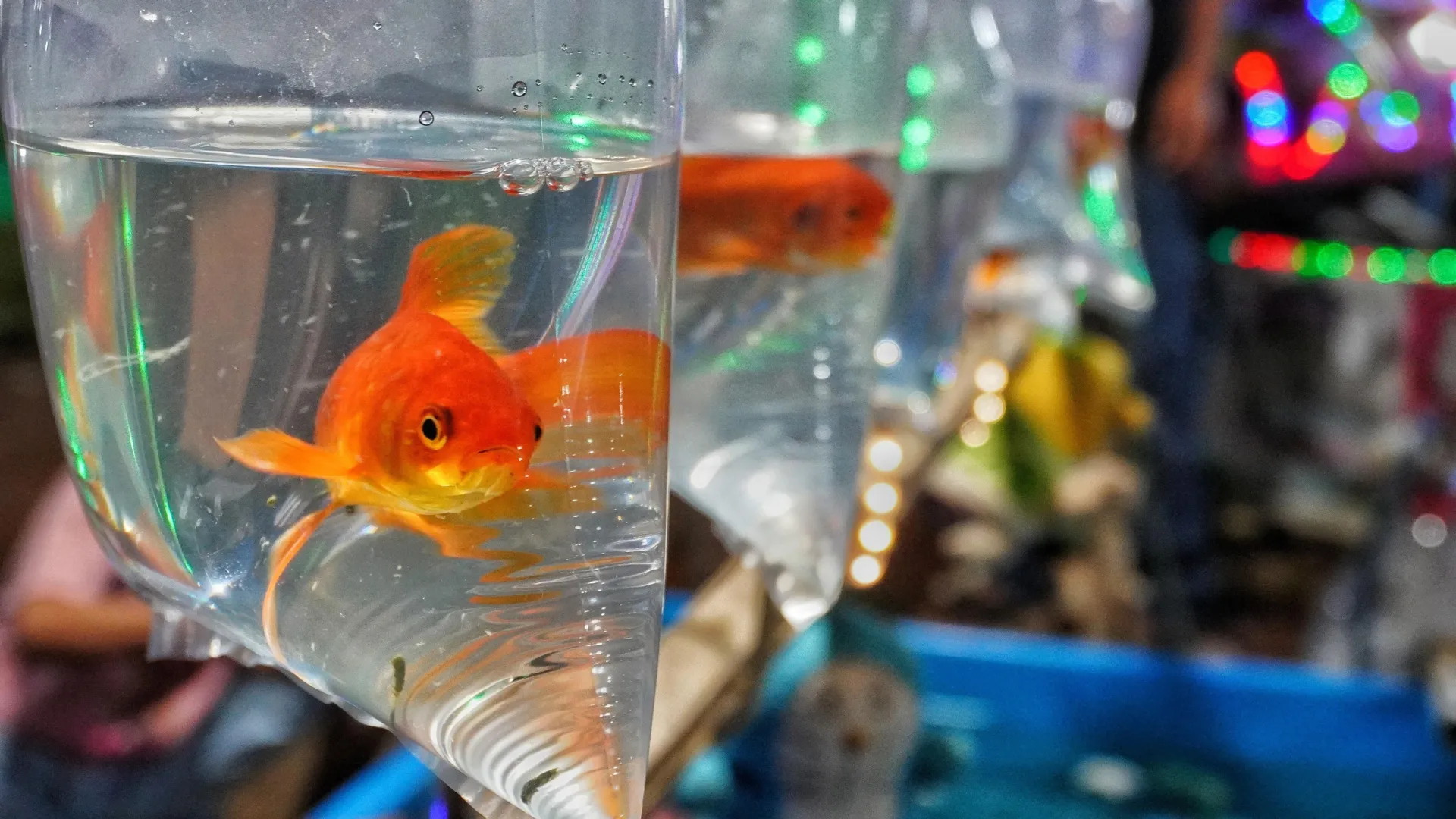
For generations, the humble goldfish (Carassius auratus) has occupied a benign, almost quaint space in human culture. Often purchased cheaply at local carnivals or pet stores, these gleaming orange, white, and bronze aquatic vertebrates are frequently introduced to domestic life in glass bowls or small desktop aquariums. To millions of pet owners, they represent an introduction to animal husbandry—a quiet, low-maintenance companion. However, a landmark peer-reviewed study recently published in the prestigious Journal of Animal Ecology shatters this idyllic illusion.
Conducted by an interdisciplinary team of researchers from The University of Toledo and the University of Missouri, the study delivers the most robust experimental evidence to date regarding the ecological perils of released and escaped goldfish. Far from being harmless additions to local waterways, these resilient creatures can drive sweeping, highly destructive transformations in freshwater ecosystems, fundamentally altering water quality, stripping away native aquatic vegetation, and plunging vibrant aquatic habitats into severe ecological degradation.
The findings carry an urgent, unequivocal warning for pet owners, natural resource managers, policymakers, and environmental protection agencies across the globe. What many well-meaning citizens view as an act of compassion—"setting a pet free" into a local pond or lake—is, in reality, the introduction of a biological time bomb. As lead investigator Dr. William Hintz, an associate professor in UToledo’s Department of Environmental Sciences and Lake Erie Center, starkly notes, innocent pets can swiftly transform into destructive ecological pests.
This comprehensive report examines the methodology and outcomes of the UToledo-Mizzou research, explores the mechanics of aquatic "regime shifts," details the specific environmental pathways through which goldfish exert their dominance, and outlines actionable frameworks for prevention, public awareness, and policy reform.
SECTION 1: EXECUTIVE OVERVIEW
To fully appreciate the gravity of the new study, titled "Invasive goldfish trigger a regime shift in experimental lake ecosystems of varying trophic state," one must understand the traditional perception of invasive species. Typically, the public conversation surrounding aquatic invaders focuses on massive, high-profile species like Asian carp, zebra mussels, or northern snakeheads—creatures whose aggressive behaviors or rapid reproductive rates make dramatic headlines. Goldfish, conversely, have long suffered from an invisibility cloak of domestic familiarity.
However, biology often defies aesthetic bias. Native to East Asia, goldfish are part of the family Cyprinidae—the same family that includes carp. Like their larger, more notorious relatives, goldfish possess remarkable physiological traits: high tolerance for low oxygen levels, resilience against extreme water temperature fluctuations, and a generalist omnivorous diet. When confined to an aquarium, these traits are manageable. When introduced to an unmanaged, open freshwater ecosystem, these same traits allow them to outcompete native fauna, exploit resources with ruthless efficiency, and rapidly expand their biomass.
The collaborative research team—comprising Dr. William Hintz, Hannah Barrett, and Dr. Rick Relyea (director of the Johnny Morris Institute of Fisheries, Wetlands and Aquatic Systems at the University of Missouri)—sought to move beyond observational anecdotes. While field biologists have long documented feral goldfish growing to massive proportions in urban ponds and suburban lakes, definitive experimental proof isolating their direct ecological impacts has historically been difficult to obtain.
By employing large-scale, outdoor experimental setups that mirrored natural freshwater environments, the researchers bridged the gap between laboratory control and real-world complexity. Their conclusions are chilling: goldfish do not merely alter ecosystems incrementally; they can trigger an abrupt "regime shift," pushing a lake across a critical threshold into a permanently degraded state that is exceptionally difficult, labor-intensive, and costly to reverse.
SECTION 2: DETAILED CHRONOLOGY & METHODOLOGY
To isolate the precise variables associated with goldfish invasions, the research team designed an ambitious, large-scale experiment utilizing outdoor freshwater mesocosms. Mesocosms—enclosed experimental volumes that simulate natural ecological conditions—allowed the scientists to control baseline environmental factors while observing the complex interactions between fish, water chemistry, plants, and microorganisms over extended periods.
Simulating Real-World Lake Dynamics
The research was structured to test how goldfish (Carassius auratus) impact freshwater environments across varying baseline conditions, specifically focusing on two distinct trophic states:
- Oligotrophic Waters: Nutrient-poor aquatic environments characterized by clear water, low primary productivity, and limited algal growth.
- Eutrophic Waters: Nutrient-rich aquatic environments characterized by high primary productivity, frequent algal blooms, and high biological activity.
By testing goldfish across both oligotrophic and eutrophic states, the researchers could determine whether the fish’s destructive capabilities were restricted to specific types of water bodies or if they represented a universal threat across diverse ecological landscapes.
Isolating the Goldfish Effect: Additive and Substitutive Designs
A major methodological challenge in aquatic ecology is distinguishing the impacts of a specific invasive species from the general pressures caused by an increase in total fish biomass. For instance, if any fish species were added in large numbers, one might expect increased competition for food or changes in nutrient cycling due to excretion.
To overcome this, the research team implemented a sophisticated combination of additive and substitutive experimental designs.
- Substitutive designs allowed researchers to swap native species populations for goldfish, observing how the community responded when goldfish took the place of equivalent biomass.
- Additive designs allowed them to layer goldfish into existing community structures.
Through rigorous statistical analyses, the team demonstrated that while minor fluctuations in aquatic vegetation could occasionally be correlated with general fish abundance, the severe, catastrophic ecological damage observed in the mesocosms was directly, unmistakably linked to the presence of goldfish specifically. The unique behavioral and physiological characteristics of Carassius auratus—rather than just the presence of more fish in the water—drove the degradation.
SECTION 3: SUPPORTING CONTEXT & ECOLOGICAL METRICS
When goldfish escape or are intentionally dumped into natural waterways, they undergo a rapid transformation. Confined to small tanks, their growth is naturally inhibited by spatial constraints and dietary management. Once liberated into an expansive lake or river system with abundant food sources, they undergo compensatory growth, swelling into large, robust bodies that bear little resemblance to their pet-store origins.
[Domestic Goldfish in Tank]
       │
       ├─> Intentional Release / Accidental Escape (Flooding)
       │
       ▼
[Open Water Ecosystem]
       │
       ├─> Rapid Growth & Biomass Expansion
       ├─> Benthic Bioturbation (Stirring Sediments)
       ├─> Nutrient Resuspension & Algal Blooms
       ├─> Resource Depletion & Native Species Displacement
       │
       ▼
[Ecological "Regime Shift" / Degraded State]
The Mechanics of Destruction: How Goldfish Alter Lakes
The research highlighted several interconnected pathways through which goldfish destabilize freshwater ecosystems:
- Benthic Bioturbation (Stirring Up Sediments): As bottom-feeders, goldfish constantly forage through the benthic zone (lake bottoms). In doing so, they root through silt and sediment, uprooting delicate native aquatic plants and stirring settled nutrients back into the water column.
- Water Clarity and Light Deprivation: The constant agitation of sediment dramatically reduces water clarity. Turbid water blocks sunlight penetration, which in turn stifles the growth of submerged aquatic vegetation that native fish and invertebrates rely on for cover, spawning, and oxygenation.
- Nutrient Resuspension and Eutrophication: Stirring up bottom sediments releases stored phosphorus and nitrogen into the water column. These liberated nutrients act as a fertilizer for phytoplankton and filamentous algae, frequently triggering explosive algal blooms that further choke out healthy aquatic life and deplete dissolved oxygen levels.
- Intense Predation and Competition: Goldfish consume massive quantities of macroinvertebrates, zooplankton, and fish eggs. By stripping the food web of foundational organisms, they starve native fish species of essential sustenance while aggressively outcompeting them for remaining resources.
Understanding the "Regime Shift"
Perhaps the most alarming concept underscored in the study is the regime shift. In ecology, a regime shift describes a sudden, dramatic reorganization of an ecosystem’s structure and function.
A healthy lake maintains resilience, absorbing minor shocks while preserving its clear-water state, diverse plant life, and balanced fish communities. However, as invasive goldfish push environmental stress factors past a critical tipping point, the lake’s self-regulating mechanisms fail. The ecosystem rapidly flips from a clear-water, macrophyte-dominated state into a turbid, algae-dominated, degraded state.
According to the researchers, reversing a regime shift is exceptionally difficult, time-consuming, and cost-prohibitive for conservation agencies. Often, it requires drastic interventions such as complete lake drainage, chemical rotenone treatments to kill all fish life, and extensive re-vegetation programs—all of which carry high financial costs and ecological collateral damage.
SECTION 4: OFFICIAL STATEMENTS & EXPERT PERSPECTIVES
The severity of the study’s findings has drawn immediate commentary from leading environmental scientists and institutional directors, emphasizing the urgent need to bridge the gap between academic research and public behavior.
Dr. William Hintz, lead investigator and associate professor at The University of Toledo’s Department of Environmental Sciences and Lake Erie Center, emphasized the psychological hurdle of public perception:
"It is critically important to inform the public that their pets can become pests that will harm freshwater ecosystems. The evidence is now clear—releasing a goldfish into the wild might be seen as an act of kindness, but it can turn into a major ecological threat."
Dr. Hintz noted that the anthropomorphic tendency to view releasing a pet as "setting it free to live a happy life" blinds people to the harsh realities of trophic ecology. Animals unaccustomed to natural selection either suffer starvation and predation or, in the case of resilient species like goldfish, become ecological juggernauts that devastate local biodiversity.
Co-author Dr. Rick Relyea—professor in the University of Missouri College of Agriculture, Food and Natural Resources and director of Mizzou’s Johnny Morris Institute of Fisheries, Wetlands and Aquatic Systems—elaborated on the physical and biological mechanisms observed during the mesocosm trials:
"If goldfish are released into the wild, they rapidly grow into very large fish that stir up lake sediments, consume large numbers of prey, and compete with native fish."
Relyea stressed that the global pet trade, which moves millions of aquatic species across international borders every year, acts as a primary vector for biological invasions. Without aggressive intervention at both the consumer and regulatory levels, urban and suburban waterways will continue to serve as incubation grounds for invasive populations.
Co-author Hannah Barrett echoed these sentiments, pointing out that public awareness campaigns must move past passive education and actively dismantle the cultural normalization of releasing unwanted pets into local stormwater management ponds, park lagoons, and natural lakes.
SECTION 5: FUTURE OUTLOOK, POLICY RECOMMENDATIONS & PREVENTION
As urbanization expands and the global ornamental pet trade continues to thrive, the interface between domestic hobbyists and natural ecosystems grows increasingly volatile. Mitigating the threat of invasive goldfish requires a multi-layered strategy involving strict regulatory oversight, proactive natural resource management, and comprehensive public education.
1. Elevating Goldfish in Invasive Species Frameworks
Historically, state and federal wildlife agencies have prioritized resources toward managing high-profile invaders like zebra mussels (Dreissena polymorpha) or Asian carp (Hypophthalmichthys spp.). The findings from UToledo and the University of Missouri suggest that natural resource managers must reevaluate goldfish (Carassius auratus).
- Agencies should classify goldfish as high-priority invasive species in regional management plans.
- Funding should be allocated toward early detection and rapid response (EDRR) protocols in urban and suburban water bodies where pet releases are most frequent.
2. Redefining Public Education and Pet Surrender Protocols
Because the primary vector for goldfish introduction is the individual pet owner, education remains the first line of defense. Campaigns must clearly communicate the ecological consequences of release while providing accessible, stigma-free alternatives for owners who can no longer care for their aquatic pets.
Recommended community-level alternatives include:
- Retailer Buyback or Return Programs: Encouraging pet stores to accept surrenders of healthy fish.
- Hobbyist Networks: Facilitating community boards and local aquarium societies where surplus fish can be adopted by experienced hobbyists.
- Humane Euthanasia Guidelines: Providing veterinary-approved guidance for humane euthanasia when rehoming is impossible, preventing owners from resorting to the "guilt-free" illusion of outdoor release.
3. Strengthening Municipal Infrastructure and Stormwater Design
Many goldfish invasions begin when backyard ponds overflow during heavy rain events or flooding, allowing fish to escape into local municipal drainage systems, creeks, and rivers.
- Urban planners and landscape architects should incorporate physical barriers—such as fine mesh screens and secure overflow grates—into municipal stormwater retention ponds and residential water features.
- Legislation could mandate anti-escape standards for artificial water features constructed within designated flood zones or near sensitive natural watersheds.
4. Continued Scientific Inquiry
While the UToledo-Mizzou study provides definitive baseline data regarding experimental mesocosms, the research team emphasizes that ongoing study is necessary. Future research must examine how climate change—specifically rising water temperatures and altered precipitation patterns—interacts with goldfish invasions to accelerate or modify regime shifts in natural lake systems. Furthermore, investigating the synergistic effects of goldfish co-existing with other invasive species (such as rusty crayfish or zebra mussels) will be crucial for holistic watershed management.
CONCLUSION
The research published by Dr. William Hintz, Hannah Barrett, and Dr. Rick Relyea serves as an unmistakable wake-up call. The goldfish swimming in a child’s glass bowl or a backyard garden pond is not merely a passive decoration; it is a member of a remarkably resilient lineage capable of engineering catastrophic environmental change.
When released from the confines of an aquarium, these golden survivors grow unchecked, churning up sediments, suffocating aquatic plants, starving native species, and pushing vulnerable lake ecosystems across the precipice of a permanent regime shift.
Safeguarding our freshwater resources requires an immediate cultural shift. By pairing rigorous scientific monitoring with proactive public policy, responsible pet surrender programs, and heightened ecological literacy, society can prevent well-intentioned ignorance from despoiling the natural aquatic heritage upon which all life depends. The message from the scientific community is clear: keep goldfish contained, protect native waters, and recognize that in ecology, even the smallest pet can leave a giant footprint.