
Executive Overview
Every pet owner lives with a low-grade, underlying anxiety about what their animal companions might inadvertently ingest when left unsupervised. For renowned animal behaviorist and author Dr. Patricia McConnell, that anxiety materialized as a botanical hazard inside her own home. When her dog, Maggie, ingested prodigious quantities of a newly purchased Zamioculcas zamiifolia—commonly known as the ZZ plant—it sparked a harrowing medical emergency.
What began as an acute gastrointestinal crisis evolved into a profound lesson in veterinary toxicology, redefining how pet owners understand critical terminology like "toxic" and "irritation." More than that, the incident opened a rare window into the inner workings of the American Society for the Prevention of Cruelty to Animals (ASPCA) Animal Poison Control Center (APCC). Through a subsequent investigation led by senior ASPCA officials, McConnell’s ordeal transformed from a personal scare into a public education campaign.
This comprehensive report examines the chronology of Maggie’s poisoning, the critical semantic gaps surrounding household plant safety, the behind-the-scenes mechanics of the nation’s premier animal poison hotline, and the broader implications for pet safety in domestic environments.
Detailed Chronology: The Anatomy of a Botanical Emergency
The incident unfolded on a seemingly ordinary afternoon following a routine shopping trip. McConnell had brought home a vibrant ZZ plant, a popular, hardy houseplant praised for its low-maintenance care requirements and glossy foliage. While McConnell and her husband were away from the farm, Maggie—a dog with a well-documented history of indiscriminate eating habits—discovered the plant.

The Ingestion and Immediate Aftermath
By the time McConnell returned, Maggie had consumed vast quantities of the plant’s leaves and stems. The physical fallout was immediate and severe. Maggie expelled "mountains of vomit" across a newly and professionally cleaned oriental carpet, signaling an aggressive rejection of the foreign material. Rather than offering temporary relief, however, the vomiting marked the beginning of a prolonged evening of absolute misery.
McConnell quickly found herself locked in a familiar yet agonizing behavioral loop. On rare occasions, Maggie suffers from mild acid stomach, prompting her to delicately nibble on houseplants to ease her discomfort. However, the ingestion of the ZZ plant created a catastrophic physiological feedback loop. The plant is heavily laden with insoluble calcium oxalate crystals. As Maggie chewed and swallowed the plant, these microscopic, needle-like crystals embedded themselves in her oral mucosa, esophagus, and stomach lining, causing intense burning and pain.
Because dogs instinctively try to soothe gastrointestinal distress by eating plant matter—much like they graze on grass—Maggie’s inflamed and burning digestive tract compelled her to consume more of the very toxin that was harming her.
The Medical Escalation and Communication Breakdown
As the evening progressed, Maggie’s condition deteriorated. Witnessing an animal in acute distress triggers what veterinary professionals clinically describe as "breaking an owner’s heart" pain. Seeking professional guidance, McConnell placed an initial call to an emergency veterinary clinic. The clinic correctly assessed that the ingestion was not immediately life-threatening; while painful, calcium oxalates generally cause localized trauma rather than systemic organ failure. They advised that the symptoms would soon resolve.

They did not. By 8:00 PM, with Maggie writhing in escalating discomfort, McConnell dialed the ASPCA Poison Control Center hotline (888-426-4435). Prepared to pay the established $115 consultation fee and brace for a lengthy hold time, McConnell settled onto the couch to comfort her dog while keeping a watchful eye on her mobile screen.
Instead of connecting with a toxicologist, the call quietly failed. Distracted by Maggie’s worsening agony, McConnell missed the silent disconnection. Recognizing the urgency of the situation, she bypassed further phone consultations and turned to her domestic veterinary supply, administering a safe dose of Tramadol previously prescribed for canine pain management. Within 20 minutes, the analgesic took effect, allowing Maggie to finally drift into a peaceful sleep.
The Mysterious Aftershock: Delayed Liver Complications
The drama, however, was far from over. Approximately a week after the incident—long after Maggie appeared to have fully recovered from her mucosal burns—routine or follow-up evaluations revealed alarming news. Maggie’s liver function values had skyrocketed.
Blood panels showed worrisomely high levels of Alkaline Phosphatase (ALP), Alanine Aminotransferase (ALT), and Total Bilirubin (TBL), though her kidney values remained within normal limits. For ten agonizing days, McConnell and her veterinary team wrestled with the terrifying possibility that the nearly 13-year-old dog was facing a terminal diagnosis.

Fortunately, veterinary medicine occasionally yields relief. Medical speculation suggested the severe biochemical spike was a delayed systemic inflammatory response to the massive ingestion of plant oxalates. Ten days later, subsequent blood work confirmed the hypothesis: Maggie’s liver values had successfully regulated back to normal baselines.
Supporting Context & Metrics: Decoding Botanical Toxicity
The unexpected complexity of Maggie’s case prompted a deeper investigation into how pet owners interpret plant safety guidelines, leading directly to a dialogue between McConnell, Nicole Martin (Senior Director of Business Development for the ASPCA APCC), and Dr. Catherine Dzienisiewski, a board-certified veterinary toxicologist.
Re-evaluating "Toxic" Versus "Irritant"
The root of the accident lay in a dangerous semantic misunderstanding. When purchasing the ZZ plant, the nursery attendant assured McConnell that the plant was "not toxic," though it might cause "mild irritation."
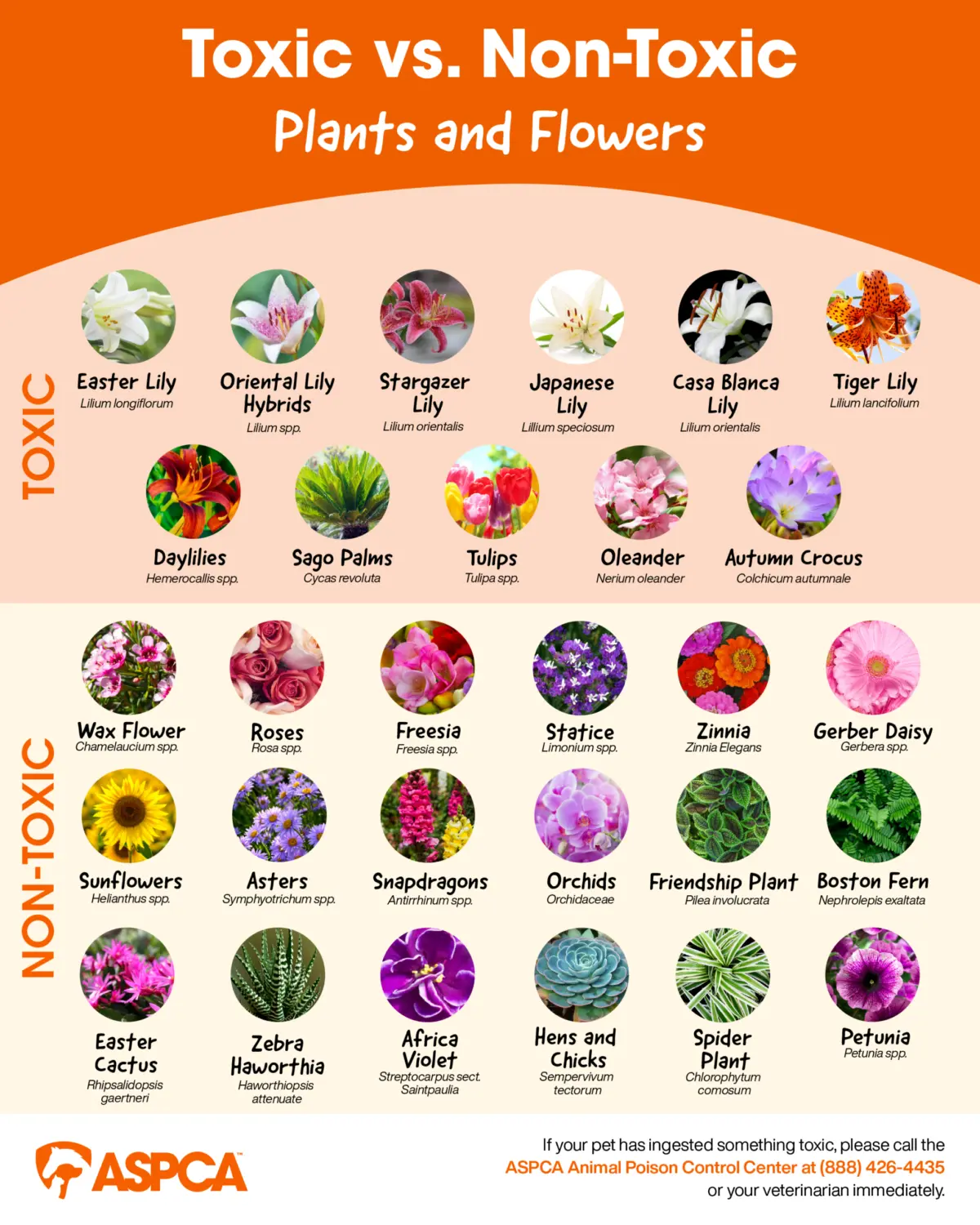
To the average consumer, these words carry reassuring connotations. According to Merriam-Webster, "toxic" is defined as containing poisonous material capable of "causing death or serious debilitation." By this strict definition, the ZZ plant does not rank alongside lethally potent flora like the Sago Palm (Cycas revoluta), where a single ingested seed can prove fatal to a dog.

However, Dr. Dzienisiewski emphasized a foundational maxim of toxicology: the dose makes the poison, and virtually any substance—even water—can become toxic under specific conditions. Furthermore, the colloquial use of the word "irritation" wildly understates the biological reality of insoluble calcium oxalates. While a human might describe a minor skin rash as an "irritation," to a dog that has ingested pounds of oxalate-rich plant matter, the sensation is akin to having the entire digestive tract coated in searing acid.
Insoluble Oxalates and Popular Houseplants
Insoluble calcium oxalates are defense mechanisms utilized by various plant families to deter herbivores. When chewed, the plant cells rupture, releasing needle-like crystals that penetrate soft tissues mechanically while simultaneously releasing chemical irritants.
Following McConnell’s public documentation of the incident, the ASPCA APCC updated its outreach, publishing focused resources on insoluble oxalates and updating its internal database to include the ZZ plant (Zamioculcas zamiifolia). The center currently tracks over 415 species of plants known to exhibit varying degrees of toxicity to dogs. As interior design trends shift and houseplant popularity waxes and wanes, keeping this botanical catalog accurate remains a monumental, ongoing task for veterinary researchers.
Official Statements and Institutional Impact: Inside the ASPCA APCC
The most remarkable development in Maggie’s story occurred a week after the incident when Nicole Martin of the ASPCA reached out via email. Concerned by reports that a pet owner had failed to reach the hotline during a critical emergency, Martin initiated an inquiry to audit the communication breakdown.

A Behind-the-Scenes Audit
What followed was a nearly hour-long teleconference between McConnell, Martin, and Dr. Dzienisiewski. During the audit, Martin revealed that the ASPCA’s digital logs showed McConnell’s call had indeed registered on their servers, lasting precisely 29 minutes before terminating. While McConnell’s handset displayed a generic "Call failed" message, the system logged the interaction as an "abandoned call."
This proactive follow-up highlights the rigorous quality control and dedication driving the ASPCA’s poison management infrastructure. Rather than dismissing a dropped connection as a consumer error, the organization treats every missed connection as a potential risk to an animal’s life.
The Scale and Legacy of the APCC
The conversation shed light on an institution that serves as an invisible safety net for millions of animals worldwide. Established in 1978, the ASPCA Animal Poison Control Center handles more than 400,000 cases annually.
Staffed around the clock by elite, board-certified veterinary toxicologists, the center does more than field panic-stricken phone calls from owners. It functions as a premier research engine for veterinary toxicology. The APCC maintains a proprietary database housing data on more than 5 million historical cases.

This staggering repository of epidemiological data has directly shaped modern veterinary medicine, leading to the identification of novel toxins and the optimization of life-saving treatment protocols. Notably, the APCC’s rigorous data analysis is responsible for discovering:
- The profound nephrotoxicity of lilies in felines.
- The specific mechanisms of xylitol (artificial sweetener) poisoning in canines.
- The lethal pathways associated with macadamia nut ingestion.
- The dangers of grapes, raisins, and tartaric acid causing acute kidney injury in dogs.
For every pet owner who knows to keep a bag of grapes away from a counter-surfing puppy, the credit belongs largely to the data crunchers and toxicologists working quietly behind the scenes at the APCC.
Future Outlook: Best Practices and Preparedness for Pet Owners
Maggie’s brush with the ZZ plant—and her subsequent recovery from liver-value spikes—serves as a cautionary tale for pet owners everywhere. Domestic spaces are increasingly populated by exotic and ornamental flora, many of which carry unadvertised chemical defenses.
Essential Takeaways for Animal Caretakers
- Never Rely Solely on Nursery Labels: Staff at general retail nurseries may use terms like "non-toxic" loosely, referring only to non-fatal outcomes. Always cross-reference new greenery with verified databases such as the ASPCA’s online toxic and non-toxic plant directory.
- Understand Biological Terminology: Recognize that "irritation" in a veterinary context can mean severe, agonizing mucosal burns if ingested in large quantities.
- Keep Emergency Contacts Accessible: Program the ASPCA Animal Poison Control Center hotline (888-426-4435) directly into your mobile phone. While a consultation fee applies, the immediate access to board-certified toxicologists is invaluable during a crisis.
- Audit Your Environment for "Labrador-Like" Behavior: As McConnell wryly noted of Maggie—who once required emergency surgery to remove a wine bottle cork—some dogs possess an uncanny ability to consume items entirely devoid of nutritional value. Securing houseplants out of reach is paramount, particularly in homes with opportunistic eaters.
As winter settles over McConnell’s farm, bringing a dusting of snow, quiet walks, and the comforting chaos of multi-species coexistence, the memory of Maggie’s botanical adventure fades into the background. Yet, the lessons remain sharp. Through the intersection of personal narrative and institutional transparency, pet owners are reminded of the fragile balance of domestic safety—and the extraordinary dedication of the professionals standing watch at the other end of the line.