
Executive Overview
To an ordinary pet, the modern world is a sensory carnival. Dropped food on a bustling sidewalk, the abrupt squeak of a bicycle tire, the fragrant breeze of a food truck, or the sudden lunge of a passing neighborhood dog are all immediate invitations to investigate. For the average dog, giving in to these impulses is a natural, expected reaction.
However, for a service dog—an animal tasked with safeguarding the independence, mobility, and very lives of individuals with disabilities—the world must operate differently. When a service dog is on duty, the overwhelming symphony of environmental stimuli must quiet down. Their focus cannot be left to chance, natural temperament, or good luck; it must be systematically engineered.
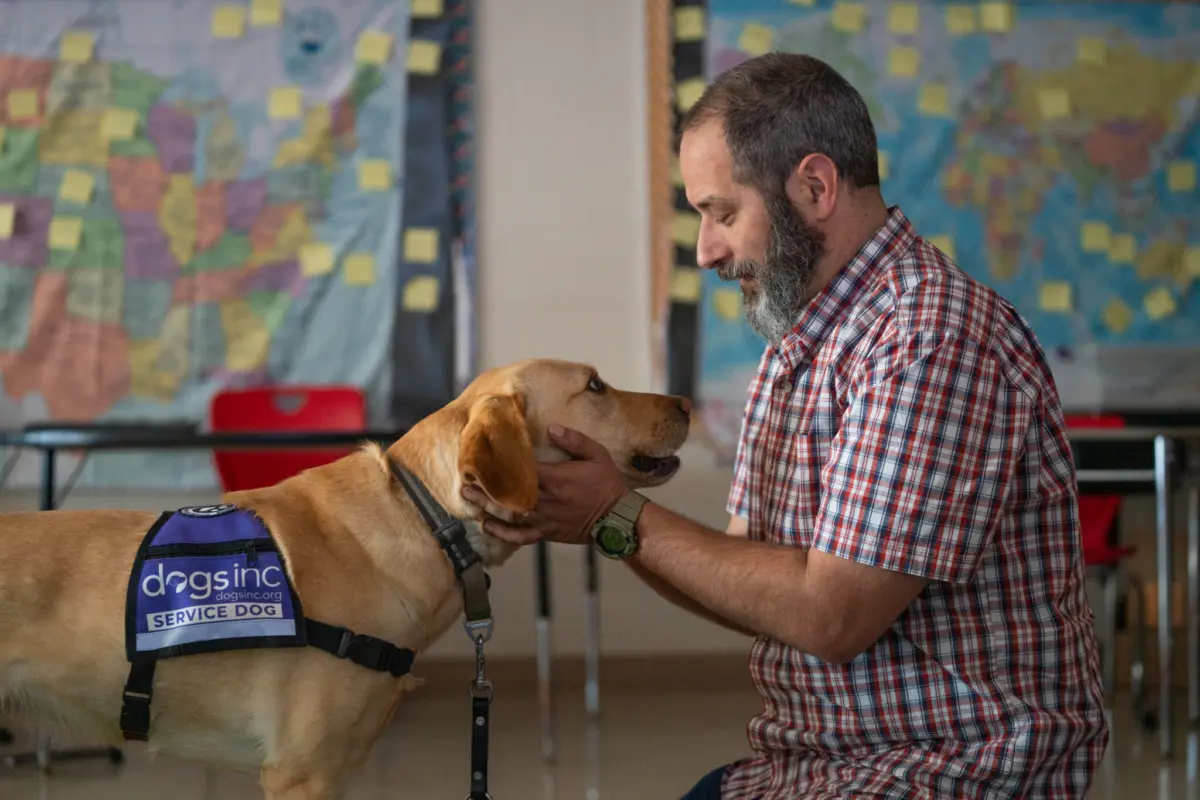
At organizations like Dogs Inc, the development of this unwavering concentration is recognized as the structural backbone of all successful service animal training. Building a profound, unbreakable bond of trust is essential, as dogs naturally gravitate toward—and prioritize—the human handler who serves as the most rewarding and secure element in their environment. Through early socialization, positive reinforcement, impulse control, and gradual real-world exposure, a service dog’s attention is transformed into second nature.
This deep focus acts as a vital communication bridge, signaling that the dog recognizes its handler as its primary source of direction and reward. This comprehensive report explores the methodology, challenges, environmental triggers, and collaborative efforts required to forge the ultimate working mindset in modern service animals.
Detailed Chronology: The Lifecycle of Focus Development
The journey of a service dog does not begin when they master complex physical tasks or graduate into public service; it begins during their earliest weeks of life. Cultivating elite-level focus is a multi-stage developmental progression that spans months of deliberate exposure, structured habituation, and professional refinement.
Phase 1: Neonatal Foundations and Early Puppyhood
Long before a puppy ever wears a service vest, the groundwork for environmental resilience is laid. During the earliest stages of development, puppy raisers introduce pups to novel textures, gentle sounds, and varied handling. The goal during this window is not demanding obedience, but rather teaching the puppy that novel stimuli do not equal danger. By pairing calm environments with gentle praise, handlers establish foundational positive associations.
Phase 2: Adolescent Socialization and Setting Expectations
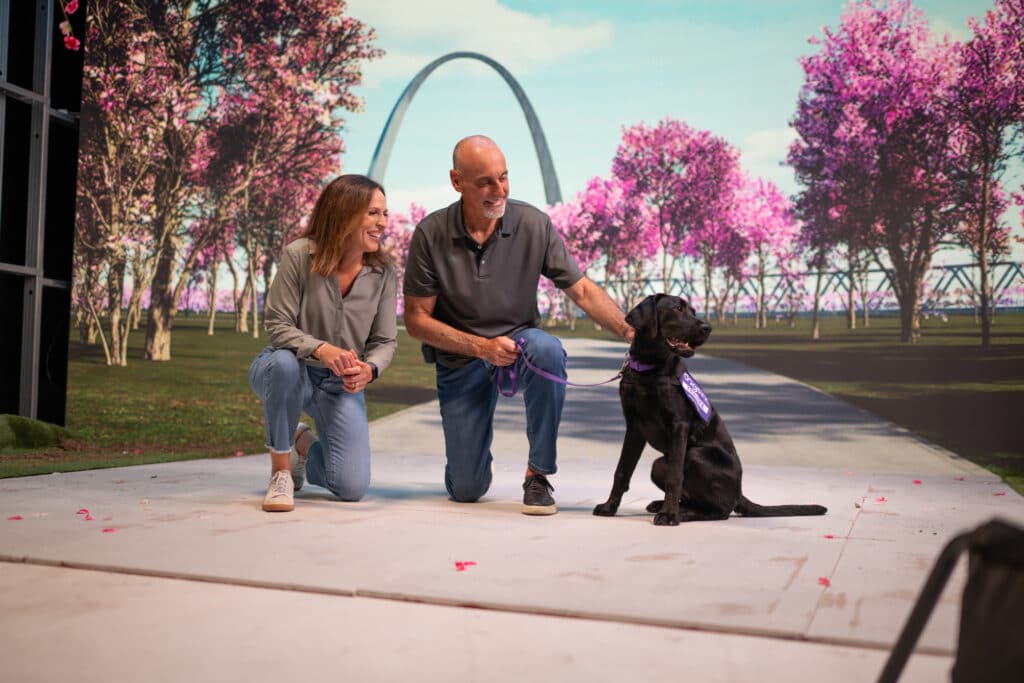
As puppies grow into energetic adolescents, structured routines become paramount. This is the period where expectations are firmly set. Puppies learn to offer spontaneous eye contact, hold attention despite minor environmental distractions, and respond consistently to basic cues. Dedicated puppy raisers transform everyday life—trips to quiet suburban sidewalks, neighborhood parks, and residential areas—into meaningful training laboratories. They introduce mild distractions at a distance, ensuring the dog remains calm and responsive, and generously reward them for checking in rather than reacting to stimuli.
Phase 3: Intermediate Public Access and Gradual Exposure
As the dog matures, training moves beyond quiet residential zones and into more stimulating public arenas. This phase marks the introduction of controlled environmental, social, and olfactory challenges. Instructors and raisers utilize gradual exposure techniques, slowly increasing the complexity of the surroundings. If a dog shows hesitation or over-arousal, the team increases the distance from the trigger, allowing the dog to process the environment and successfully regain its composure.
Phase 4: Advanced Real-World Proofing and Task Integration
In the final stages of the curriculum, dogs transition into high-stakes, real-world environments. They practice navigating complex, unpredictable settings—including busy commercial facilities, crowded public transportation hubs, grocery stores, and bustling urban centers. Here, focus training merges directly with specialized task work. The animal learns to perform complex mitigation tasks while maintaining absolute neutrality toward surrounding distractions, cementing their reliability for life on the job.
Supporting Context & Metrics: Navigating the Spectrum of Distraction
To understand the magnitude of service dog training, one must evaluate what constitutes a "distraction" in the eyes of a canine. Dogs perceive the world primarily through scent and sound, meaning their internal reality is vastly different from ours. Training must systematically address four primary categories of distraction.
+-----------------------------------------------------------------+
|                    THE FOUR PILLARS OF DISTRACTION              |
+----------------------+------------------------------------------+
| Environmental        | Crowds, traffic, sudden movement, loud   |
|                      | noises, unfamiliar architectural spaces. |
+----------------------+------------------------------------------+
| Social               | Direct eye contact, unsolicited petting, |
|                      | verbal calling, leash-greeting attempts. |
+----------------------+------------------------------------------+
| Olfactory / Food     | Restaurant aromas, dropped food items,   |
|                      | strong atmospheric scents.               |
+----------------------+------------------------------------------+
| Animal Triggers      | Squirrels, birds, loose neighborhood     |
|                      | pets, and passing working dogs.          |
+----------------------+------------------------------------------+
1. Environmental Distractions
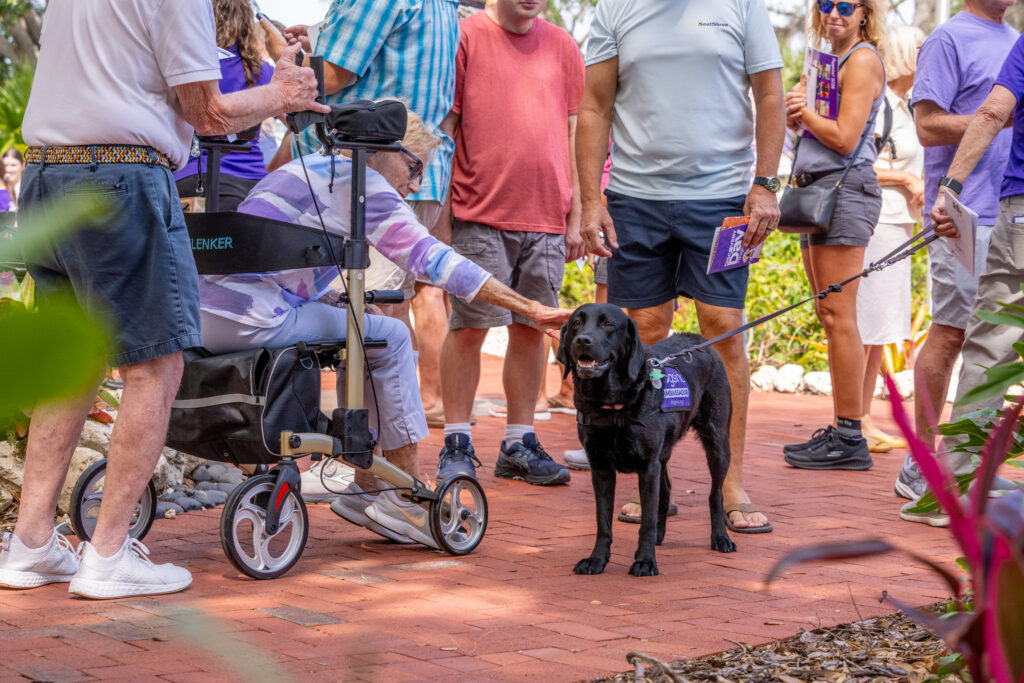
Modern infrastructure presents an endless array of visual and auditory hurdles. Flashing signs, sudden transit noises, and shifting crowds can easily overwhelm an untrained animal. Service dogs learn to treat these environmental variables as background noise rather than immediate threats or points of interest.
2. Social Distractions
Perhaps one of the most frustrating challenges for handlers in public spaces is well-meaning members of the public. Unsolicited approaches, direct eye contact, high-pitched verbal cooing, and attempts at unauthorized leash greetings pose significant hurdles. Focus training ensures that the dog actively ignores these social temptations, maintaining undivided attention on their partner.

3. Food and Scent Distractions
For many canines, the olfactory pull of dropped food in a grocery store or the rich aromas of a restaurant environment represent the ultimate test of self-control. Through rigorous training, a service dog learns that edible items encountered on the ground do not constitute an invitation to consume, but rather a cue to remain neutral and move past.
4. Other Animals and Wildlife
Biological instincts run deep. Squirrels darting across a park pathway or barking neighborhood dogs are natural triggers for predatory drift and arousal. Through systematic repetition, a service dog develops the impulse control required to remain entirely neutral, even when every evolutionary instinct commands them to investigate.
Methodological Framework: Techniques That Build Unbreakable Focus
Achieving elite operational focus requires a strategic blend of positive reinforcement, impulse control, and behavioral proofing. Trainers rely on several core methodologies to achieve these results.
Positive Reinforcement and High-Value Rewards
Dogs repeat behaviors that yield favorable outcomes. By utilizing high-value rewards—such as specialized treats, enthusiastic verbal praise, or play incentives—trainers reinforce the choice to ignore distractions. This dynamic ensures that the handler remains the most rewarding focal point in any given environment.
Impulse Control and the Power of the Pause
Impulse control training teaches a dog to pause before reacting. Whether faced with a rolling ball, a dropped snack, or an approaching animal, the dog learns to delay gratification. Within that crucial pause, the animal actively chooses focus over instinct, reinforcing calm, self-regulated behavior.
Proofing Behaviors Across Contexts
A behavior is not truly mastered until it can be performed anywhere. "Proofing" involves taking known commands and testing them under increasingly difficult conditions—shifting from quiet living rooms to noisy indoor shopping malls and unpredictable outdoor plazas. This ensures that the dog’s reliability does not degrade when environmental pressure increases.
Official Statements and Industry Insights
The philosophy underpinning modern service dog training emphasizes that focus is not synonymous with rigidity or fear; rather, it is rooted in calm confidence and working neutrality.
Industry experts emphasize that a service dog is never trained to completely shut out the world, but rather to navigate it with absolute poise and operational control.

"A service dog is not built through intimidation or the suppression of instinct; they are crafted through structured empowerment," notes a senior training coordinator at Dogs Inc. "When a dog possesses deep trust in their handler, the chaotic distractions of the world naturally fade into the background. Their primary anchor is their person, and everything else is secondary."
Furthermore, behavioral specialists note that neutrality yields accelerated learning curves. A dog that is unburdened by environmental reactivity absorbs new task cues significantly faster, resulting in a more resilient, dependable working partnership.
Future Outlook: The Evolution of Service Animal Partnerships
As urban environments grow denser and public spaces become increasingly complex, the demands placed upon service animals will only intensify. Future advancements in service dog breeding and training will likely lean even further into early neurological stimulation, individualized genetic temperament tracking, and data-driven behavioral assessments.
Organizations like Dogs Inc continue to refine their pipelines, ensuring that the partnership between puppy raisers, professional instructors, and final recipients remains seamless. As training methodologies evolve, the central objective remains immutable: cultivating a calm, focused, and steady canine partner. By mastering the delicate balance between environmental awareness and absolute focus, these remarkable animals ensure that individuals with disabilities can step forward into the world with enduring confidence, freedom, and safety.