
Executive Overview
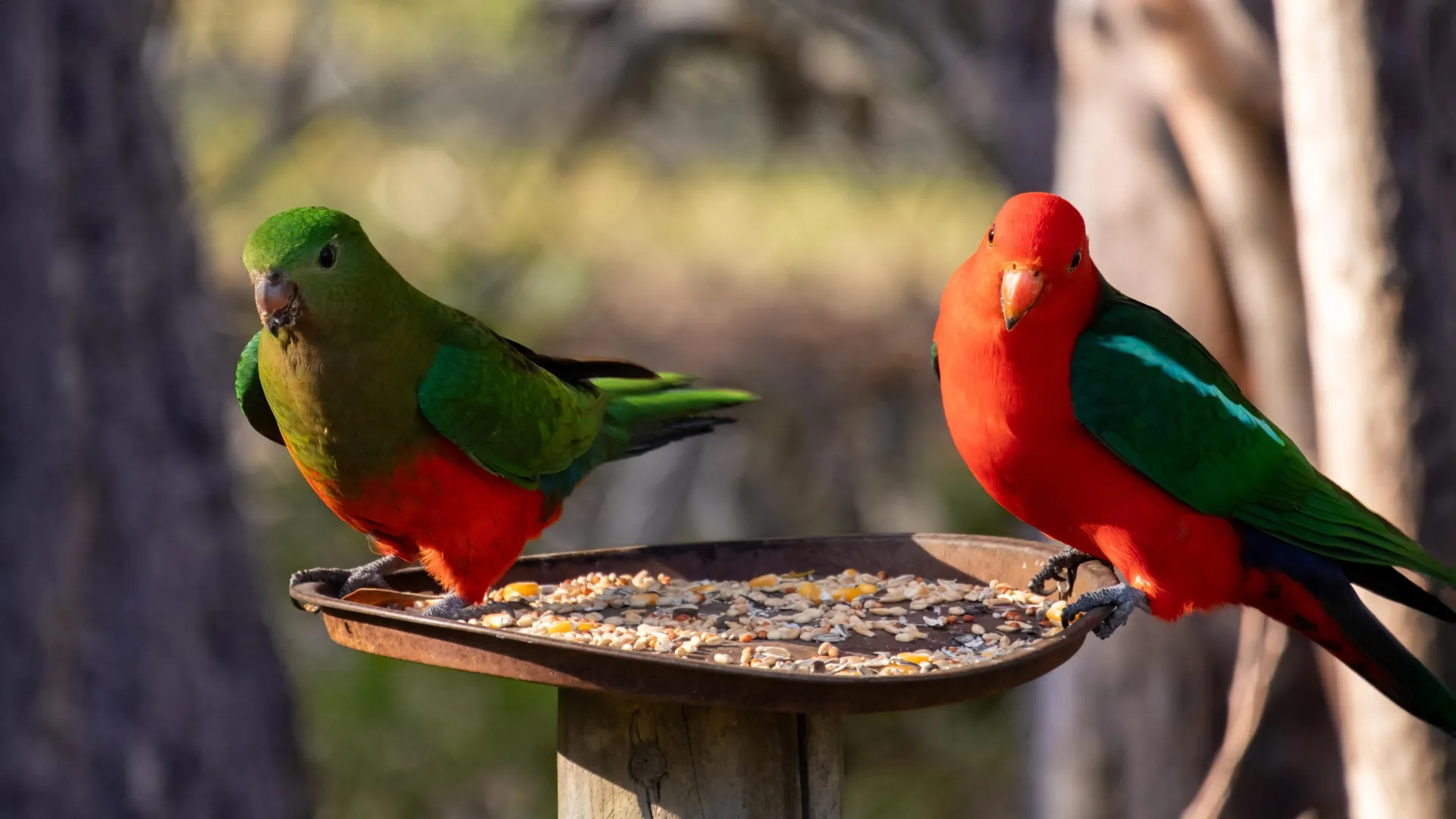
Backyard bird feeding has long been celebrated as one of Australia’s most treasured domestic pastimes. Research indicates that approximately half of all Australian households engage in the practice, with many citizens providing supplementary nourishment to wild avian species on a daily basis. Driven by a deep-seated affinity for nature, millions of people invest time, money, and care into transforming their gardens into safe havens for local wildlife.
However, this benign hobby is facing intense scrutiny as a high-stakes ecological threat emerges. Public health officials, wildlife biologists, and biosecurity experts warn that backyard feeding stations are functioning as localized superspreader events for the highly pathogenic H5N1 avian influenza virus. This devastating strain of bird flu—which has already wreaked havoc across global wild bird and mammalian populations—is actively sweeping across the Australian continent.
Recent mortality events, including the deaths of more than 1,000 crested terns and the tragic demise of a long-nosed fur seal (marking the first mainland mammal detection in the country), underscore the severity of the crisis. When humans artificially aggregate diverse species of birds into cramped backyard feeding stations, they create high-density transmission hotspots. These spaces drastically elevate the risk of disease amplification.
While stopping the practice entirely remains the gold standard for wildlife safety, millions of Australians remain attached to the routine. Navigating this unprecedented ecological crossroads requires an urgent re-evaluation of how humans interact with urban wildlife. Balancing the psychological benefits of backyard bird watching with the uncompromising demands of biosecurity is now vital to preventing further catastrophe among Australia’s most vulnerable native species.
Detailed Chronology: The Escalation of H5N1 in Australia
To understand the current danger posed by backyard bird feeding, it is necessary to examine the rapid and alarming progression of the H5N1 virus across the globe and its recent arrival in Australia.
The Global Precursor and Arrival
For years, the H5N1 strain of highly pathogenic avian influenza (HPAI) has operated as an ecological juggernaut. Moving relentlessly across North America, Europe, Asia, and South America, the virus mutated to infect not just aquatic and terrestrial birds, but an unprecedented array of mammalian species—from marine mammals like seals and sea lions to terrestrial scavengers like foxes, mink, and bears.
When the virus finally breached Australian shores, biosecurity agencies mobilized rapidly, yet the sheer scale of migratory bird movements and environmental persistence made containment an immense challenge. Islands and remote coastal regions reported initial outbreaks, but the transition of the virus to the Australian mainland signaled a terrifying new phase of the epizootic.
The Milestone Mass Mortalities
The crisis entered public consciousness with devastating clarity following a series of mass mortality events along the coastline. Most notably, more than 1,000 crested terns perished in a single, concentrated geographic window, overwhelming local wildlife rehabilitators and municipal cleanup crews.
Shortly thereafter, a long-nosed fur seal was confirmed as the first mainland Australian mammal to succumb to the virus. This development breached a critical biological barrier, proving that the local strain retained the cross-species lethality observed internationally. As scavenger species—such as crows, possums, and introduced red foxes—come into contact with these infected carcasses, the web of exposure widens dangerously close to human settlements and backyard ecosystems.
Supporting Context & Metrics: Why Backyard Feeders Are Transmission Hotspots
The popularity of feeding wild birds cannot be overstated. National surveys reveal that roughly 50% of Australian households regularly put out seeds, sugar water, or meat scraps for visiting wildlife. While participants are motivated by compassion and a desire to connect with nature, the mechanics of backyard feeding run counter to basic epidemiological safety.
Artificial Aggregation and Species Mixing
In a natural setting, wild birds disperse across vast landscapes, foraging for insects, nectar, seeds, and worms. Contact between different species or distant flocks is regulated by natural ecological spacing.
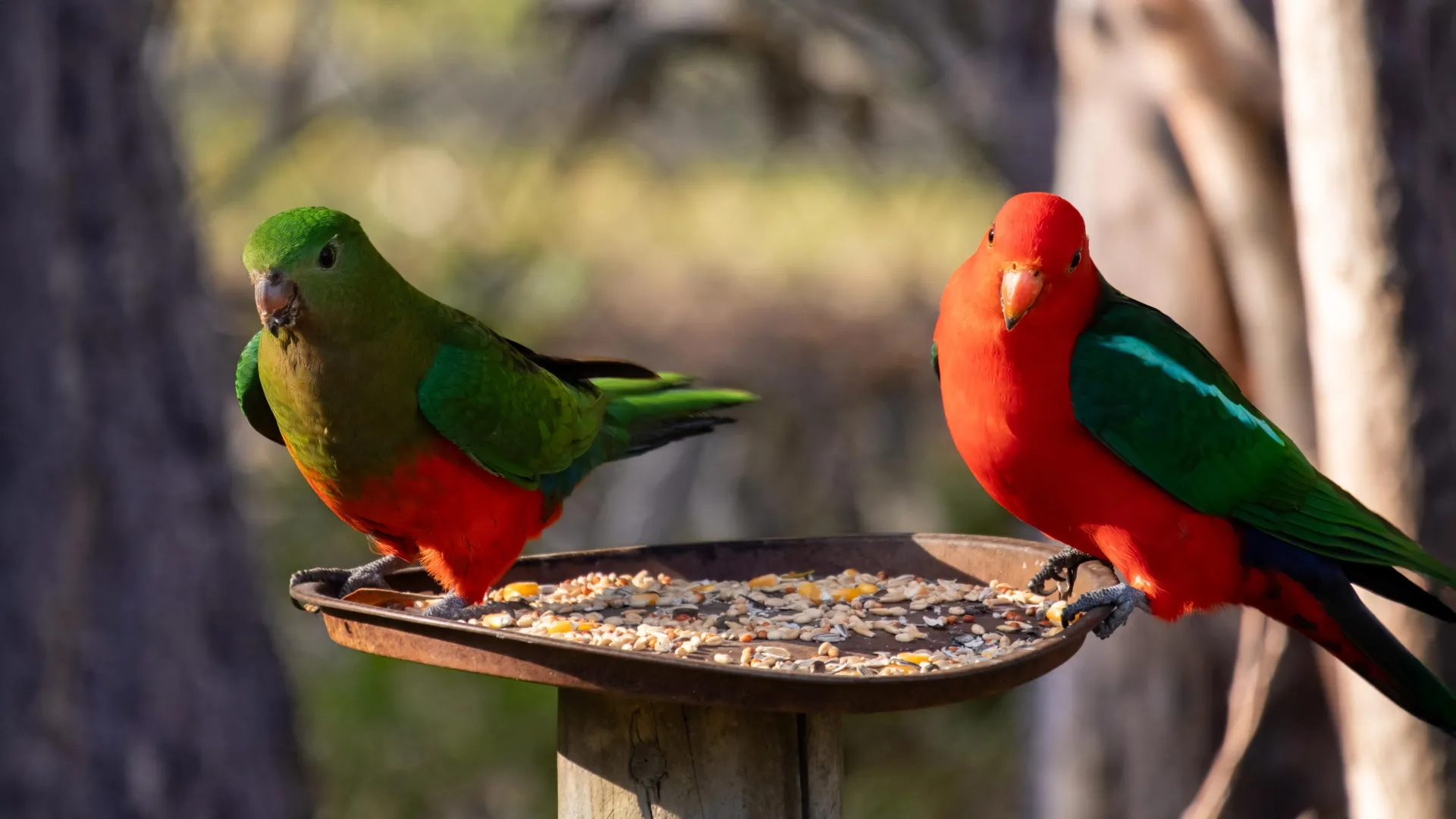
Backyard feeding stations completely upend this dynamic. By concentrating high-value, calorie-dense food sources into a single, static location, feeders artificially aggregate a diverse mix of avian species. Birds that would never normally forage in close proximity are suddenly packed tightly around trays, perches, and ground scraps.
This environment is ideal for a pathogen like H5N1. If a single migratory or resident bird sheds the virus through saliva, nasal secretions, or droppings, the contaminated food and feeding surfaces instantly expose dozens of subsequent visitors. What starts as a quiet morning on a suburban deck can quickly morph into a localized epidemiological disaster.
The Myth of Nutritional Necessity
A common justification for backyard feeding is the belief that wild birds rely on these handouts for survival, particularly during harsh weather or seasonal downturns. However, extensive ornithological research challenges this assumption.
Studies examining the stomach contents and foraging habits of birds that frequent backyard feeders demonstrate that the vast majority obtain the vast majority of their nutrition from natural sources. The seeds, bread, and meat scraps provided by humans function primarily as supplemental snacks rather than essential caloric lifelines. Consequently, tapering off or eliminating backyard feeding does not starve local bird populations; rather, it encourages them to resume natural, decentralized foraging behaviors that naturally enforce social distancing among wildlife.
Official Statements & Expert Recommendations
As the H5N1 crisis deepens, scientific bodies, conservation groups, and government agencies have aligned on clear, actionable guidelines to mitigate transmission risks.
The Ultimate Solution: Ceasing Feeding
Leading wildlife conservation organizations and biodiversity councils emphasize that the most effective strategy to prevent backyard-driven outbreaks is simple: stop feeding wild birds altogether. Without artificial attractants, birds will not congregate in unnaturally high densities around residential gardens, significantly reducing the probability of viral transmission cascades.
Three Golden Rules for Hesitant Feeders
Recognizing that many citizens will find it difficult to immediately abandon a long-held hobby, experts have outlined three mandatory risk-reduction protocols for those who choose to continue feeding:
- Offer Significantly Less Food: Restricting the volume of available food prevents large flocks from gathering. Smaller portions minimize crowding, functioning similarly to the social distancing measures deployed during human pandemics.
- Strictly Avoid Hand-Feeding: While hand-feeding offers an intimate wildlife experience, it represents an unacceptable biosecurity risk. Direct physical contact bridges the gap between animal pathogens and human skin, heightening exposure risks—even if human infections remain rare and typically mild.
- Maintain Rigorous Sanitation: If feeding stations must remain operational, daily cleaning and disinfection using domestic bleach is non-negotiable. Experts stress a hardline rule: If you are not prepared to rigorously and regularly clean all feeding surfaces, you should not be feeding wild birds at all.
Future Outlook: Protecting Australia’s Biodiversity
The arrival of H5N1 in Australia marks a critical turning point for the nation’s unique endemic wildlife. With iconic and already vulnerable species—such as the critically endangered orange-bellied parrot—facing potential exposure, the margin for error has evaporated.
The choices made in suburban backyards across the country over the coming months will play a decisive role in shaping the trajectory of this outbreak. While sacrificing the comforting routine of morning bird feeding is a difficult emotional adjustment for millions of Australians, it is a necessary sacrifice to protect the very creatures people love.
By replacing backyard feeding trays with native plant landscaping—which naturally supports local wildlife without creating high-density disease vectors—Australians can continue to foster biodiversity safely. Ultimately, safeguarding our feathered neighbors from the specter of H5N1 requires a collective shift toward mindful, science-based conservation right outside our back doors.
Emergency Notice: If you encounter sick or dead wild birds or marine mammals, do not touch them under any circumstances. Record the location, capture photographs from a safe distance, keep domestic pets securely away, and immediately report the sighting to the Emergency Animal Disease Hotline on 1800 675 888 (Australia).