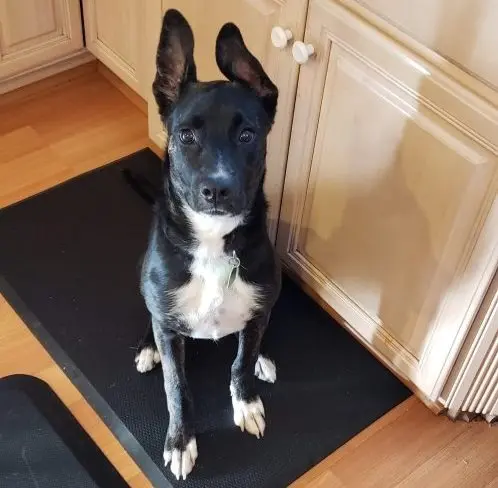
The integration of companion animals into the modern domestic sphere has fundamentally altered the indoor environmental microbiome. While pet ownership yields documented psychological and physiological benefits—including reduced cortisol levels and enhanced cardiovascular health—it simultaneously introduces a complex matrix of biological byproducts into human living spaces. Chief among the challenges faced by cohabitating pet owners is the accumulation of persistent, non-human odors.
Often characterized by a distinct, musty olfactory signature, "dog odor" is not a singular compound but a complex assemblage of volatile organic compounds (VOCs), oxidized lipids, dander, saliva proteins, and environmental particulates.
As the pet care sector continues its upward economic trajectory—with the global pet care market projected to exceed $350 billion by 2030—consumer demand has shifted from simple masking agents (such as synthetic perfumes and aerosols) toward sophisticated, science-based remediation strategies.
This investigative report examines the precise mechanisms of canine odor accumulation within residential environments, maps the chronological pathways of bio-load degradation, evaluates targeted technological interventions, and establishes the veterinary parameters that differentiate normal physiological shedding from pathological indicators.
Detailed Chronology: The Lifecycle of Domestic Odor Accumulation
To successfully mitigate companion animal odors, one must understand how a pristine domestic environment systematically degrades. This process is not instantaneous; rather, it is a cumulative, multi-stage degradation of surfaces and air quality driven by daily canine activity.
Phase I: Threshold Ingress and Particulate Importation
The accumulation cycle begins at the boundary between the outdoor environment and the domestic interior. During daily excursions, a dog’s paws and coat act as mechanical collectors for soil particulates, moisture, fungal spores, and organic debris.
Mitigation Strategy: Interrupting the transport of outdoor contaminants at the entryway is the first line of defense. Mechanical cleaning devices, such as the Dexas MudBuster, utilize soft silicone bristles to physically agitate and suspend mud and debris in water before the animal gains access to the home’s interior.
Topical Maintenance: For localized despoilment, specialized topical solutions like HICC PET Dog Wipes utilize mild surfactants to lift surface grime, preventing the transfer of outdoor micro-flora to interior textiles.
Phase II: Atmospheric Shedding and Aerosolization
Once inside, the animal disperses biological materials into the air. Canine dander (microscopic flakes of dead skin) and hair are shed continuously. Dander acts as an airborne vector for salivary and sebaceous proteins, which easily bypass coarse HVAC filters and settle deep into carpets, drapery, and ductwork.
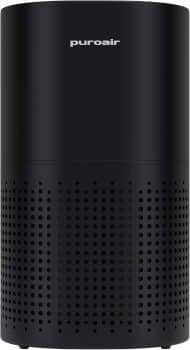
Airborne Filtration: High-Efficiency Particulate Air (HEPA) systems, such as the PuroAir 240, are engineered to capture particulate matter down to 0.1 microns, effectively removing airborne dander and preventing its settlement onto soft surfaces.
Mechanical Grooming: Proactive coat management using tools like the Hertzko Self-Cleaning Slicker Brush intercepts loose hair and dead epidermal cells directly at the source, preventing them from entering the domestic air currents.
Phase III: Surface Adsorption and Lipid Transfer
When a dog rests on carpets, sofas, or bedding, direct physical contact transfers sebum—the natural oily secretion of canine sebaceous glands—onto the textile fibers. Sebum is highly hydrophobic and adheres tenaciously to synthetic fibers like polyester and nylon, which are commonly used in upholstery.
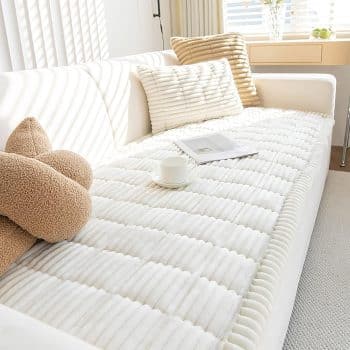
Physical Barriers: Utilizing specialized barriers, such as a Non-Slip Pet Friendly Sofa Protector, prevents direct lipid transfer to primary furniture structures, consolidating the bio-load onto a easily removable, washable layer.
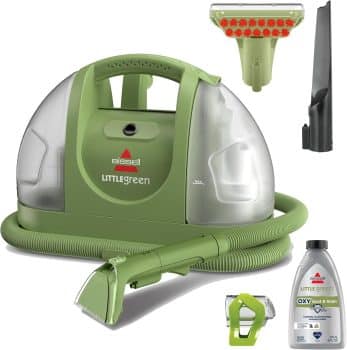
Deep-Extraction Cleaning: When lipids penetrate deep into fibers, surface vacuuming is insufficient. Portable hot-water extraction machines, such as the BISSELL Little Green, inject water and surfactant solutions deep into the pile, agitating and extracting the bound oils and suspended dirt.
Phase IV: Chemical Oxidation and Bacterial Proliferation
Over time, the adsorbed sebum undergoes lipid peroxidation—a chemical process where unsaturated fatty acids react with atmospheric oxygen, breaking down into highly volatile, foul-smelling aldehydes, ketones, and acids. This chemical degradation is accelerated by the home’s natural microbial flora, which feed on the lipids and proteins, releasing secondary volatile organic compounds (VOCs).
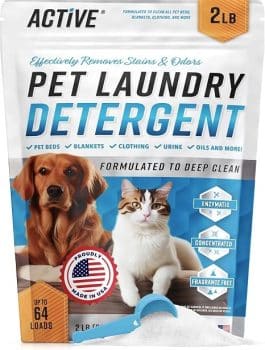
Routine Laundry Care: Washable textiles must be laundered with detergents containing targeted enzymes. ACTIVE Enzyme-Based Powder Detergent utilizes proteases and lipases to break down the peptide bonds in saliva and the lipid chains in sebum, ensuring complete extraction rather than temporary masking.
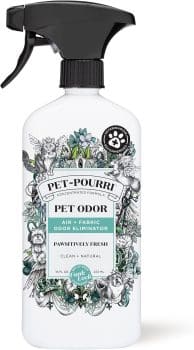
Topical Deodorizers: For non-washable surfaces, solutions like Pet-Pourri Air+Fabric Deodorizer employ chemistry designed to bind to and neutralize volatile molecules in the air and on fabrics.
Phase V: Acute Biological Incidents and Environmental Incubation
The final and most severe phase of domestic odor degradation involves acute biological accidents (urine, feces, or emesis) and the compounding effects of relative humidity. Left untreated, these highly concentrated biological fluids penetrate carpet backing, padding, and subflooring, creating localized reservoirs of microbial activity.
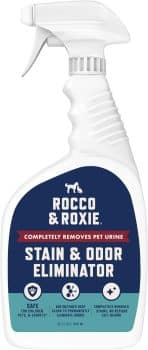
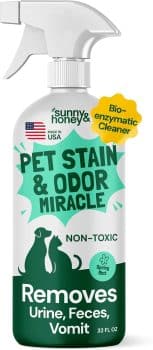
Enzymatic Remediation: Standard surfactants cannot eliminate the uric acid crystals present in canine urine. Enzymatic treatments, such as Rocco & Roxie Stain & Odor Eliminator or Sunny & Honey Pet Stain Spray, are required to biochemically cleave these crystals into water-soluble compounds that can be evaporated or extracted.
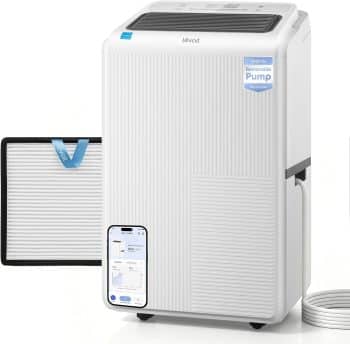
Moisture Management: High relative humidity (RH) re-hydrates old, dormant organic residues, accelerating microbial activity and volatile gas emission. Maintaining home humidity levels below 50% using systems like a Levoit Dehumidifier stabilizes the indoor environment, retarding the degradation of organic materials.
Supporting Context & Metrics: The Chemistry and Biophysics of Canine Odor
To understand why traditional household cleaning often fails to eradicate companion animal odors, we must examine the molecular structure of these compounds.
Canine skin does not produce sweat in the same manner as human skin; instead, it relies heavily on sebaceous glands to produce sebum, which protects the skin and coat. Sebum is rich in:
Squalene
Wax esters
Cholesterol esters
Free fatty acids
When these lipids are deposited onto fabrics, they undergo slow oxidation. This reaction produces short-chain volatile fatty acids, such as isovaleric acid (which carries a pungent, cheesy odor) and butyric acid. Because these lipids are insoluble in water, standard washing cycles without lipid-cleaving enzymes often fail to remove them, leading to a progressive buildup of odor over time.
The Nitrogenous Challenge: Canine Urine Chemistry
Canine urine is a highly concentrated solution of nitrogenous waste, primarily urea. When deposited on a carpet, the urea is rapidly consumed by environmental bacteria expressing the enzyme urease. This reaction converts urea into ammonia and carbon dioxide:
This initial alkaline reaction causes the characteristic sharp ammonia smell. However, as the spot dries, the remaining proteins, lipids, and uric acid bind to the carpet fibers. Uric acid is highly insoluble in water and forms resilient crystalline structures.
These crystals can remain dormant for years. When exposed to humidity, they re-hydrate, releasing volatile thiol compounds and amines that preserve the offensive odor.
Veterinary professionals emphasize that while a baseline level of natural canine odor is normal, a sudden or overwhelming change in an animal’s scent profile often indicates systemic or localized pathology.
"A healthy dog should not possess an odor that is offensive from a distance of several feet," states Dr. Evelyn Vance, DVM, DACVD, a board-certified veterinary dermatologist. "When clients present dogs with severe, persistent odors, we frequently diagnose secondary infections.
For instance, Malassezia pachydermatis—a common opportunistic yeast found on canine skin—proliferates rapidly in warm, moist environments. This yeast digests sebum, releasing free fatty acids that produce a highly distinctive, musty ‘corn chip’ odor.
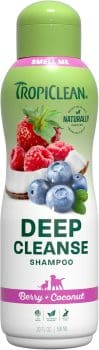
Attempting to resolve this with frequent, aggressive bathing using standard shampoos often exacerbates the problem by stripping the epidermal barrier, leading to increased sebum production and further microbial overgrowth. We recommend targeted, pH-balanced therapeutic topicals like TropiClean Deodorizing Shampoo only after diagnosing the underlying dermatological state."
Environmental Health and Indoor Air Quality Experts
Industrial hygienists note that managing pet-occupied homes requires a shift from surface cleaning to air-exchange science.
"The primary mistake consumers make is relying on passive odor absorbers or masking sprays," explains Marcus Thorne, CIH, an indoor air quality consultant. "Many off-the-shelf aerosol fresheners contain phthalates and volatile organic solvents that merely anesthetize the occupant’s olfactory receptors.
To actually clean the air, you must implement a multi-stage physical filtration strategy. True HEPA filtration is essential for capturing the physical dander particles that act as rafts for bacteria and salivary proteins.
Additionally, controlling the home’s relative humidity is critical. If your indoor relative humidity exceeds 60%, you are creating an incubator for the biological residues trapped in your carpets and upholstery."
Future Outlook: The Intersection of Smart Homes and Pet Hygiene
As domestic architecture and consumer technology evolve, the management of companion animal hygiene is transitioning from manual, reactive cleaning to automated, preventative systems.
The next generation of surface maintenance is moving away from harsh chemical sanitizers, which can decimate the beneficial home microbiome and encourage the growth of resistant bacterial strains. Instead, researchers are developing probiotic-based cleaning agents. These products deposit beneficial, spore-forming bacteria (such as select Bacillus strains) onto domestic surfaces.
These benign microbes consume the organic lipids, proteins, and carbohydrates shed by pets, outcompeting odor-causing bacteria and establishing a self-sustaining biological shield on carpets and upholstery.
Integrated Smart Environments
The integration of Internet of Things (IoT) technology into home appliances is streamlining environmental management:
Automated Air Monitoring: Modern air purifiers are increasingly equipped with optical and chemical sensors that detect sudden increases in airborne particulates and volatile organic compounds (VOCs). When a dog enters a room and shakes, these systems automatically scale up filtration speeds to capture airborne dander before it settles.
Architectural Adaptations: High-end residential architecture is increasingly incorporating dedicated "pet mudrooms." These spaces feature built-in, elevated washing stations equipped with professional-grade plumbing, dedicated drains, and commercial-grade blow-dryers. This design contains the primary ingress of moisture and dirt within a highly cleanable zone, preventing contaminants from entering the home’s main living areas.
Advanced In-Ground Waste Digestion: For outdoor management, traditional waste disposal is being replaced by biological systems like the Doggie Dooley Pet Waste Digester. These systems function as localized, miniature septic tanks, utilizing enzymatic tablets to safely liquefy waste and return it to the soil sub-strata, eliminating odor and reducing the biological load on municipal landfills.
Ultimately, achieving a fresh-smelling home does not require owners to choose between pristine living spaces and the companionship of their pets. By understanding the chemistry of canine secretions, implementing targeted physical and chemical interventions, and recognizing when an odor warrants veterinary care, homeowners can maintain an environment that is both welcoming to guests and highly supportive of their pets’ health.