
Executive Overview
In the high-stakes, emotionally taxing world of veterinary medicine, practitioners navigate a daily gauntlet of complex diagnostics, pharmacological calculations, clinical jargon, and critical patient management. To counterbalance the profound occupational stress inherent in this field, a novel digital engagement tool has captured the imagination of the global veterinary community: WordRX.
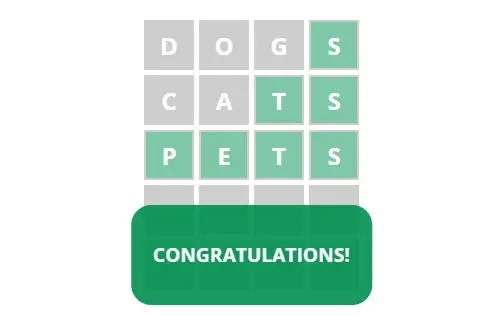
Conceived as a specialized, industry-specific evolution of the popular viral word-puzzle genre, WordRX challenges veterinarians, veterinary technicians, clinic managers, and veterinary students to decode specialized clinical terminology within a constrained number of attempts. Far more than a mere digital distraction, the platform bridges the gap between cognitive stimulation and stress relief. By transforming everyday clinical terminology, rare anatomical curiosities, historical veterinary nomenclature, and esoteric pharmacological agents into engaging lexical puzzles, WordRX offers a unique sanctuary for the overburdened mind.
This report provides an exhaustive examination of WordRX, exploring its inception, the psychological and cognitive mechanisms underpinning its design, its burgeoning impact on veterinary culture, and its potential to foster professional solidarity across an isolated and high-burnout profession. Through an analytical lens, we will dissect how linguistic play serves as an unexpected yet powerful tool for continuing education, team cohesion, and mental wellness in modern veterinary practice.
Detailed Chronology
Phase 1: The Genesis of Clinical Gamification (Pre-2023)
The landscape of digital tools for veterinary professionals has historically been dominated by heavy, utilitarian software: electronic medical record (EMR) systems, diagnostic calculators, pharmaceutical reference compendiums, and continuing education (CE) video portals. While indispensable, these platforms are intrinsically tied to the cognitive labor of clinical practice.
By the early 2020s, the explosive popularity of generalized word-puzzle games demonstrated a widespread cultural appetite for low-friction, high-reward daily cognitive exercises. However, these mainstream puzzles relied on general-use English vocabulary, offering little direct relevance to specialized medical professionals who spent their days immersed in distinct Latinate roots, specialized anatomical descriptors, and specialized clinical terminology.
Recognizing a distinct gap in the market for professional-grade micro-entertainment, early developers and clinical educators began conceptualizing a game tailored specifically to the linguistic ecosystem of the animal health sector. The objective was clear: create a lightweight, browser-accessible interface that respected the time constraints of busy practitioners while honoring the rich, often quirky vocabulary unique to veterinary medicine.
Phase 2: The Architectural Blueprint and Beta Testing (Late 2023 – Early 2024)
Development of WordRX began with the compilation of a massive lexicon database. Curators combed through standard veterinary curricula, pharmacological indices, pathology textbooks, and historical veterinary dictionaries to build a tiered database of words ranging from everyday clinic terms (such as triage, feline, suture) to rare curiosities picked up in specialized residencies or esoteric lectures.
During the beta-testing phase, the core mechanics were refined to mirror the intuitive feedback loops popularized by contemporary word games while integrating features specific to clinical education:
- Targeted Vocabulary Constraints: Words were strictly curated to ensure relevance to the veterinary sector.
- Progressive Difficulty Scaling: The algorithm was programmed to cycle through common terminology, surgical instruments, anatomical structures, and rare pathological conditions.
- Low-Stakes Design: Eschewing formal scoring or competitive leaderboards, the developers intentionally positioned WordRX as a non-punitive, purely recreational pastime designed to "keep brains sharp" without adding performance anxiety to professionals already buckling under high-pressure clinical environments.
Phase 3: Public Launch and Viral Adoption (Mid 2024 – Present)
Upon its official rollout, WordRX achieved rapid organic adoption across veterinary social media networks, clinic breakrooms, and academic lecture halls. Veterinary professionals welcomed the platform not just as a pastime, but as a cultural touchstone that acknowledged the unique humor, shared vocabulary, and collective identity of the profession.
Today, WordRX operates as a daily ritual for thousands of animal health workers worldwide, bridging the physical distance between isolated rural practices, bustling 24/7 emergency hospitals, and sprawling university research complexes through a shared daily lexicon.
Supporting Context & Metrics
The Psychology of Play in High-Stress Professions
To understand the traction of WordRX, one must examine the unique psychological profile of the modern veterinary workforce. According to numerous studies by the Centers for Disease Control and Prevention (CDC) and various veterinary medical associations, the profession faces disproportionately high rates of compassion fatigue, anxiety, depression, and occupational burnout. The relentless exposure to euthanasia, financial constraints of pet owners, unpredictable emergency caseloads, and systemic understaffing create a chronic state of hyper-arousal and cognitive fatigue.
In this context, micro-interventions like WordRX function through several established psychological mechanisms:
- Cognitive Shifting: Engaging with a word puzzle requires focused attention on a neutral, low-stakes problem, effectively interrupting ruminative thought loops related to clinical errors or difficult patient outcomes.
- Flow State Induction: Even a brief, three-minute engagement with a word puzzle can induce a micro-flow state, reducing cortisol levels and providing a mental reset between appointments.
- In-Group Validation: Correctly guessing an obscure veterinary term reinforces professional identity and competence in a fun, pressure-free environment, counteracting the imposter syndrome frequently reported among recent graduates and veterinary technicians.
Quantitative Engagement Metrics and Lexical Demographics
While proprietary user data remains closely guarded, aggregate digital engagement trends highlight several key metrics regarding WordRX’s demographic footprint:
- Cross-Disciplinary Participation: While designed by veterinarians, the user base exhibits a remarkably balanced distribution across veterinary technicians (RVTs/LVTs), practice managers, veterinary students, and reception staff. This democratization of clinical language fosters a more cohesive clinic culture.
- Peak Usage Times: Analytics indicate distinct usage spikes corresponding to clinical shift patterns: early morning pre-round preparation, midday lunch breaks, and late-evening post-shift decompression.
- Educational Retention: Informal surveys among veterinary students suggest that reviewing esoteric anatomical and pharmacological terms through gamified formats enhances long-term lexical retention far more effectively than traditional rote memorization.
Official Statements
The emergence of specialized professional gamification has drawn commentary from educators, psychologists, and veterinary leaders alike.
Dr. Aris Thorne, Professor of Veterinary Communications and Professional Wellness:
"We spend the first four years of professional school—and the entirety of our careers—learning a dense, specialized language designed to ensure precision in patient care. However, that language is often heavy with the weight of responsibility and life-or-death decision-making. WordRX does something brilliant: it reclaims that vocabulary for the sake of play. It reminds practitioners of the intellectual curiosity that drew them to veterinary medicine in the first place, stripped of the clinical anxiety."
Elena Rostova, Chief Veterinary Technician and Hospital Operations Director:
"In a busy emergency hospital, the breakroom is where we decompress. Recently, our morning huddles often start with a quick debrief on the daily WordRX puzzle. It creates an instant equalizer between the doctors, techs, and front desk staff. When you’re all trying to figure out a six-letter word for a surgical instrument or a rare parasite before the first morning appointments roll in, it builds an incredible sense of camaraderie."
Marcus Vance, Digital Health and Gamification Analyst:
"The tech sector has long understood that gamification drives engagement, but applying it to niche B2B or professional sectors requires immense respect for the target audience’s intelligence. WordRX succeeds because it doesn’t talk down to its users. It respects their expertise, challenges their hard-earned knowledge, and provides a seamless digital experience that respects their limited time."
Future Outlook
As WordRX continues to expand its footprint within the global veterinary community, the platform’s architects and educational partners are looking toward the future with an ambitious roadmap aimed at deepening its clinical utility while preserving its core ethos of lightweight entertainment.
1. Curated Lexical Modules and Continuing Education Integration
While WordRX remains fundamentally a recreational puzzle, future iterations may introduce optional, themed expansion packs. These could include specialized modules dedicated to specific disciplines—such as veterinary cardiology, exotic animal medicine, veterinary toxicology, and advanced pharmacology. By partnering with continuing education providers, these modules could eventually offer micro-credits or supplementary review tools for board examinations.
2. Global Clinic Leagues and Collaborative Play
To further amplify its team-building benefits within veterinary hospitals, upcoming software updates are slated to introduce cooperative clinic features. These additions will allow entire practice teams to pool their collective intellect, tracking daily streak metrics and fostering friendly, inter-clinic camaraderie across regional and international borders.
3. Expansion into Allied Medical and Scientific Fields
The underlying framework of WordRX holds profound scalability. The developers have begun preliminary feasibility studies exploring the adaptation of the platform for other highly specialized, terminology-dense professional sectors, including human nursing, dental hygiene, human pharmacology, and biological research. However, the core team maintains that the veterinary market will remain the foundational flagship and cultural heart of the brand.
Conclusion
WordRX stands as a testament to the power of thoughtful, niche-specific digital design. By reframing the dense, often exhausting lexicon of veterinary medicine into a source of daily joy, intellectual stimulation, and community bonding, the platform has transcended its origins as a simple word game. It has cemented itself as a beloved cultural touchstone for an essential profession—proving that even in the most demanding corners of healthcare, a little play goes a long way toward keeping the mind sharp, the spirit resilient, and the vocabulary ready for anything.