
Executive Overview
For centuries, human companionship with cats has been romanticized, misunderstood, and frequently overshadowed by the more overt, high-energy displays of affection exhibited by dogs. Where the canine paradigm of love involves tail-wagging, vocal leaps, and immediate physical engagement, the feline paradigm operates on an entirely different spectrum. Cats rarely demand grand gestures to validate a bond; instead, their affection is quietly woven into the fabric of everyday moments.
Feline communication relies heavily on subtle body language, scent distribution, spatial proximity, and voluntary social contact. Because these expressions are often nuanced, some of the warmest signals—ranging from a soft, narrowed gaze to the deliberate choice to sit with a turned back—are remarkably easy for human observers to overlook. Individual personalities, historical socialization, environmental factors, and innate instincts heavily shape how a cat displays attachment. Not every feline companion enjoys constant touching, being cradled, or prolonged cuddling sessions.
This in-depth investigative feature explores the ethological science behind feline affection, breaking down distinct behavioral categories. By learning to decode these quieter, highly intentional behaviors, cat owners can gain a profound appreciation for the depth of trust and social connection flourishing within an ordinary day.
Detailed Chronology: The Evolution of Human-Feline Social Dynamics
To truly understand why modern domestic cats express affection through spatial proximity, scent-marking, and slow blinks, one must examine the evolutionary timeline of Felis catus.
The Solitary Ancestor
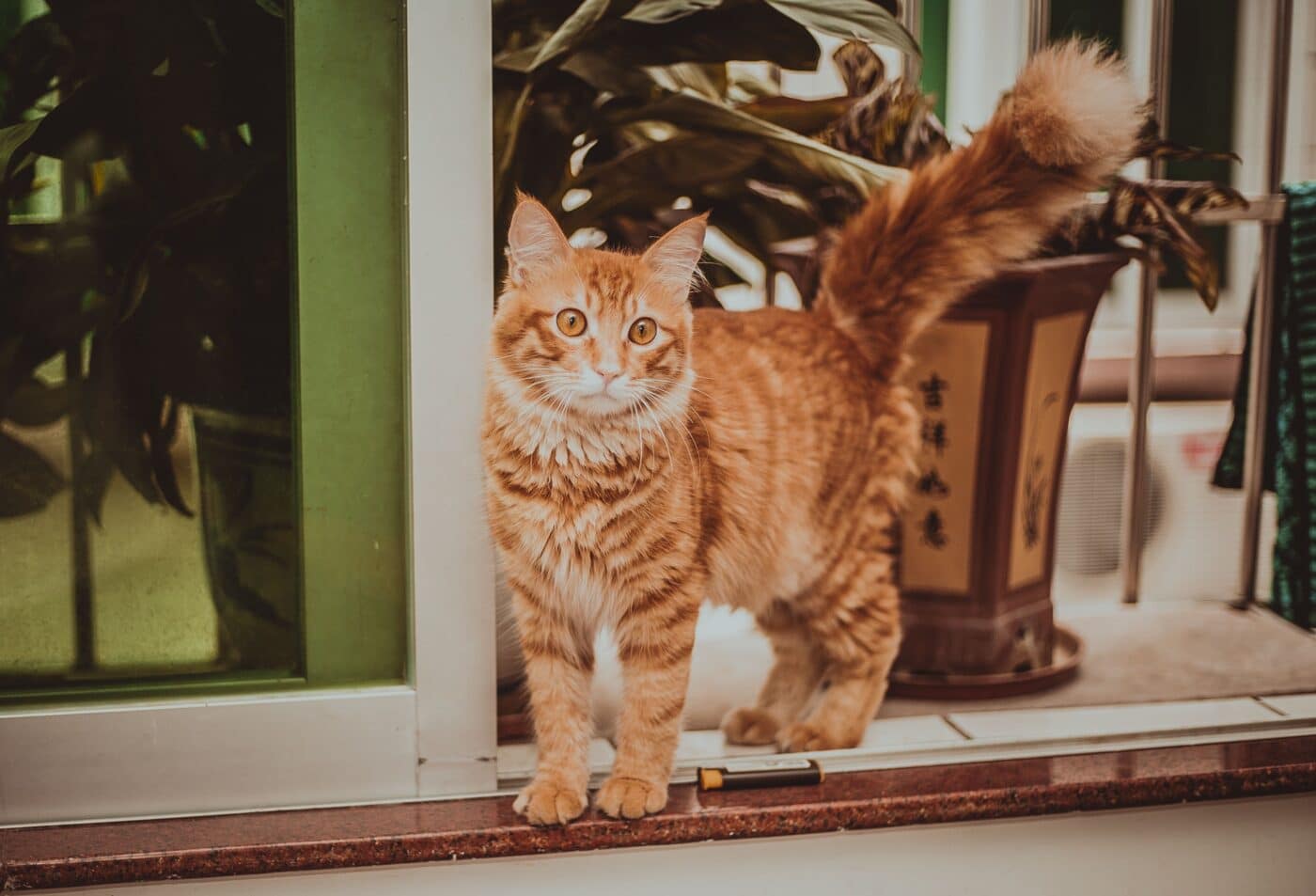
Unlike wolves, which evolved as obligate pack hunters requiring complex, highly visible social hierarchies and overt cooperative signaling, the wild ancestor of the domestic cat (Felis lybica, the African wildcat) was primarily a solitary predator. Survival depended on stealth, resource conservation, and the avoidance of unnecessary conflict. Overt emotional displays were evolutionary liabilities that could either alert prey or invite territorial aggression from rivals.
The Self-Domestication Era (Approx. 10,000–12,000 Years Ago)
Cats did not undergo the rigorous, human-driven selective breeding that transformed wolves into domestic dogs. Instead, the feline-human relationship began through a process of self-domestication. As human societies transitioned from nomadic hunter-gatherer models to agrarian settlements, grain stores attracted rodents. African wildcats naturally gravitated toward these human hubs to exploit an abundant prey source. Humans welcomed the pest control, creating a symbiotic, low-interference environment.
The Behavioral Adaptation
During this agricultural transition, cats had to adapt their solitary wiring to coexist in high-density human environments. They began to tolerate—and eventually seek out—conspecifics and humans. However, their core survival instincts remained intact. Affection could not be expressed via reckless abandon; it had to be communicated in a manner that maintained personal boundaries, security, and the ability to withdraw at a moment’s notice.
Consequently, modern domestic cats developed a sophisticated, low-risk vocabulary of trust. Behaviors such as slow blinking, cheek-rubbing, and tail-up approaches emerged as safe evolutionary workarounds—ways to signal absolute non-aggression and social bonding without sacrificing the cat’s vigilant awareness of its environment.
Supporting Context & Metrics: The Science of Feline Communication
Behavioral biologists and animal welfare researchers have increasingly turned their attention to quantifying feline social signals. While popular culture often frames cats as aloof or emotionally detached, empirical studies reveal a rich, highly communicative emotional life.
1. The Slow Blink Phenomenon
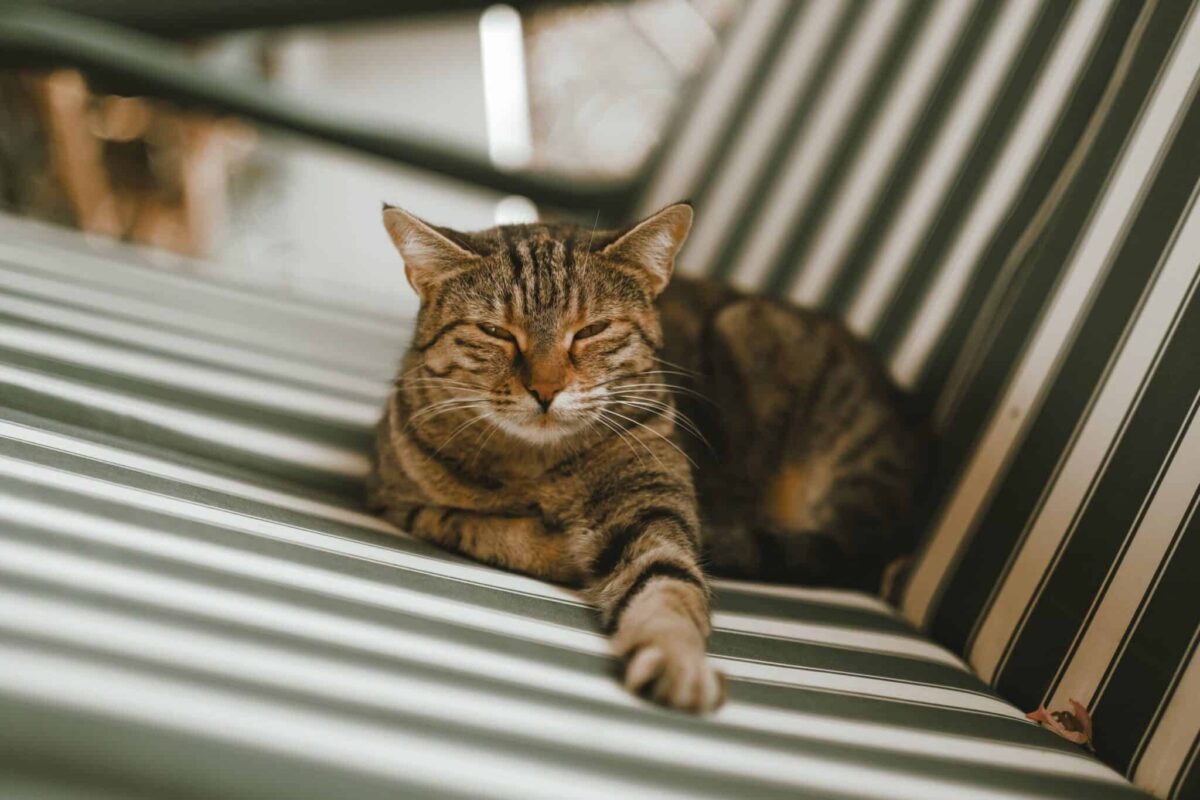
Research into human-cat interactions has demonstrated that the "slow blink"—a sequence where a cat softens its gaze and slowly closes and reopens its eyelids—functions as a positive emotional communication channel.
- The Metric: Controlled observational studies indicate that humans who initiate slow blinks toward unfamiliar cats are significantly more likely to have the cats approach them and reciprocate the blink compared to humans maintaining a direct, unblinking stare (which cats interpret as a predatory or aggressive challenge).
- The Context: A slow blink lowers visual defenses, signifying to the observer that the cat feels entirely safe and unthreatened in their presence.
2. Scent-Marking as Social Bonding
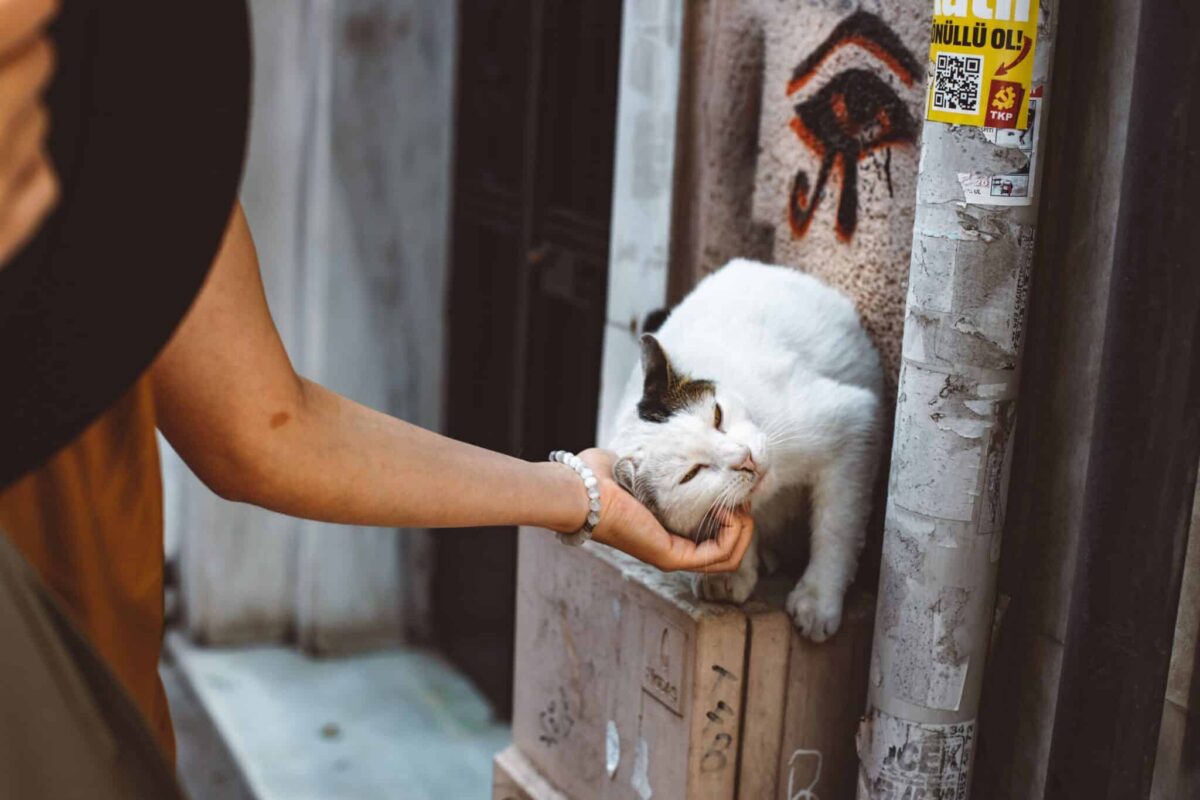
When a cat rubs its face, cheeks, or flanks against a human companion, it is executing far more than a simple bid for attention.
- The Metric: Feline facial glands (perioral, temporal, and submandibular) secrete chemical compounds known as pheromones. When a cat deposits these secretions onto a human, it creates a combined scent profile often referred to as a "communal scent."
- The Context: In multi-cat households and human-cat bonds, this scent-sharing establishes a unified group identity. It signals that the human is accepted not just as a provider, but as a trusted member of the cat’s core social circle.
3. Vulnerability Metrics: Sleep and Posture
In ethology, resting vulnerability is a key metric for measuring environmental security and trust.
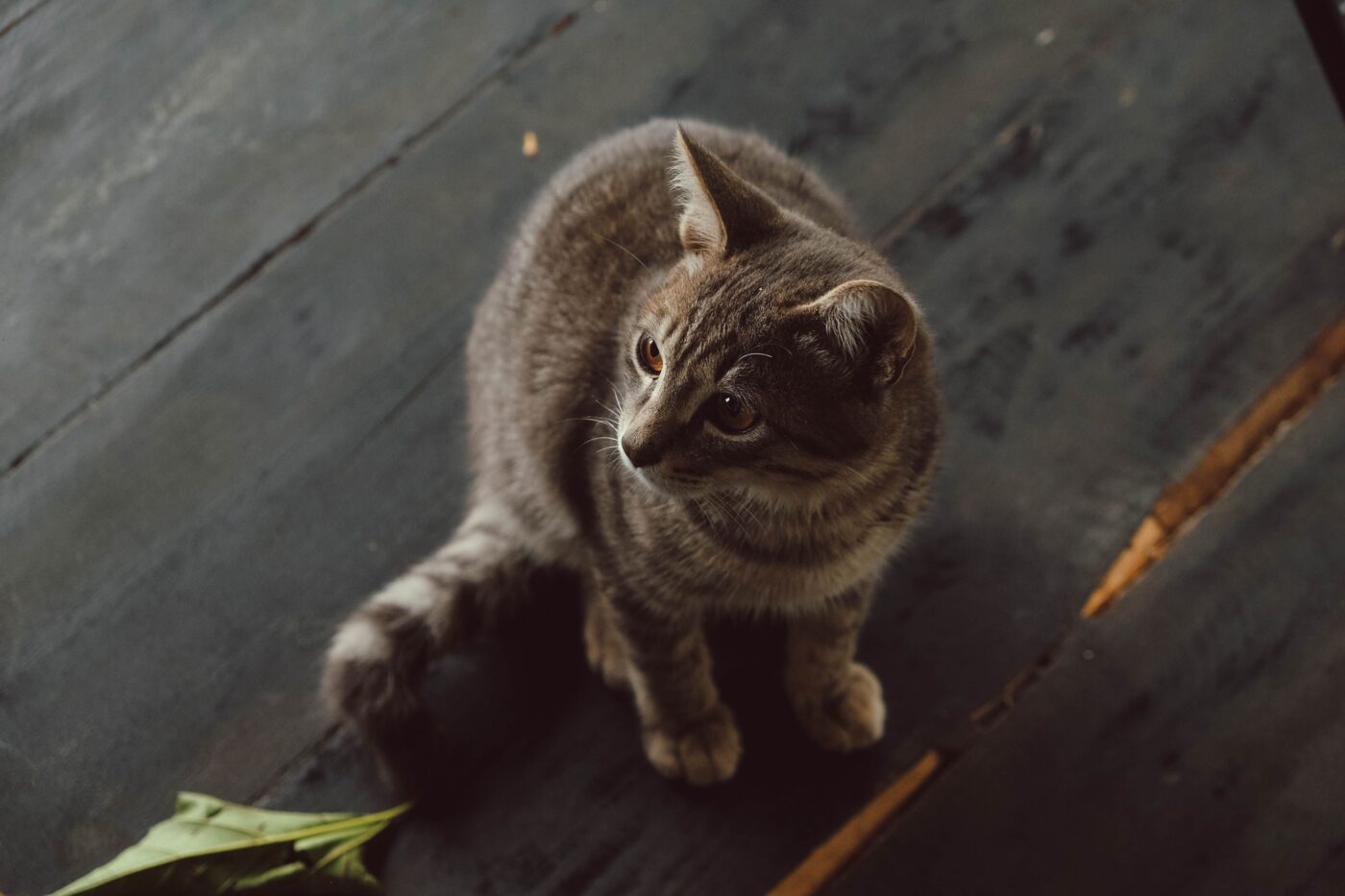
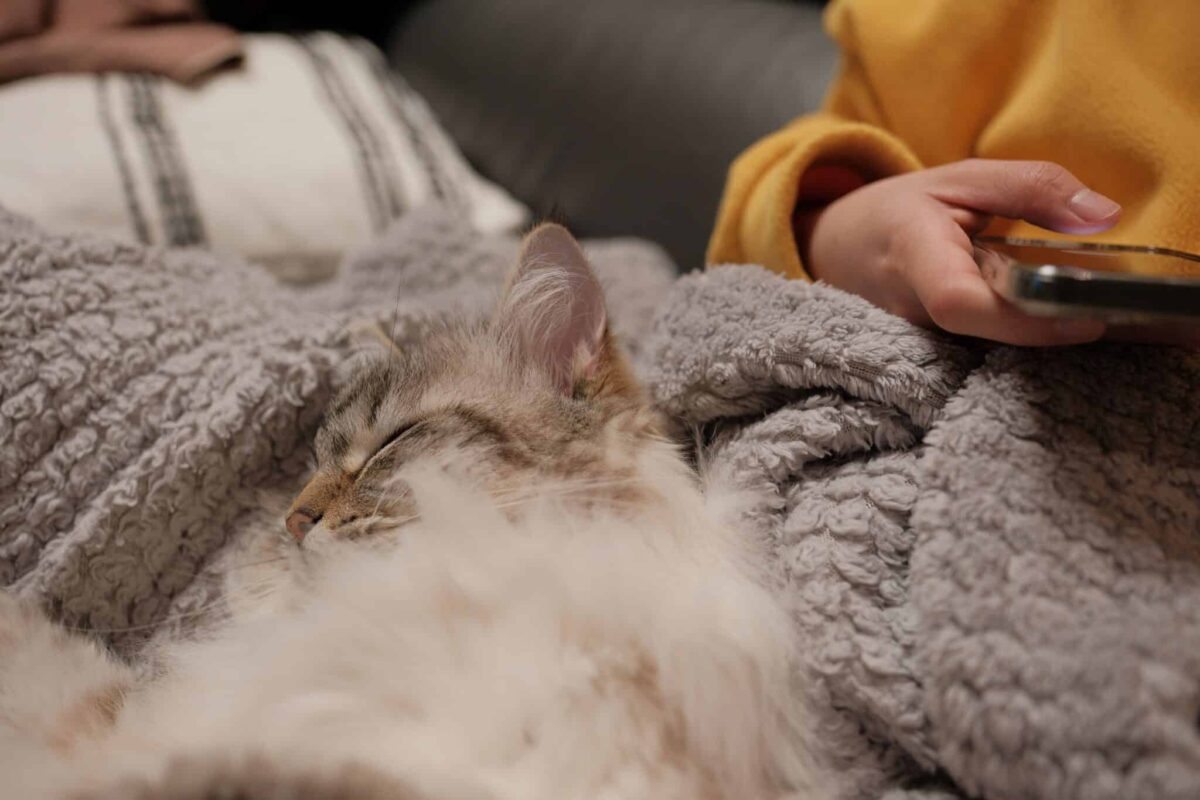
- The Metric: A domestic cat spends an average of 12 to 16 hours a day sleeping or resting. Because sleep temporarily suspends defensive reflexes, the location and posture chosen during rest speak volumes.
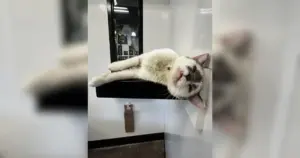
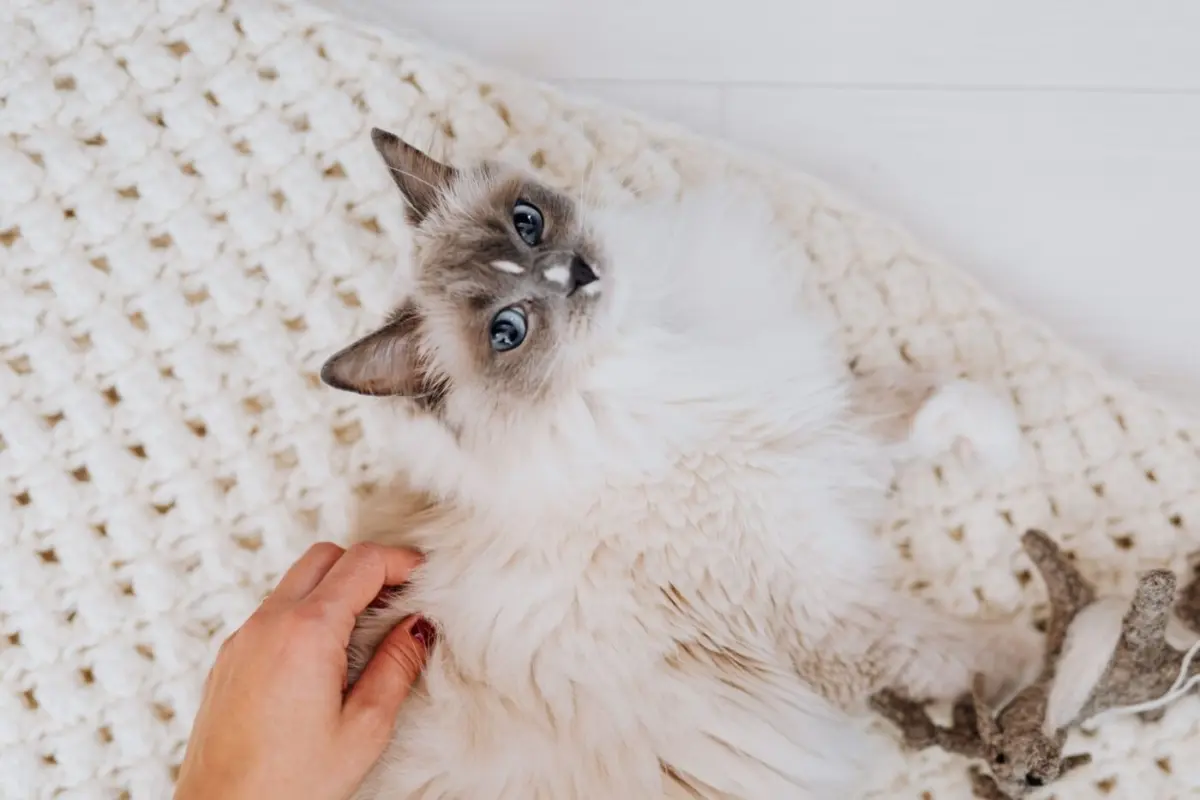
- The Context: A cat that repeatedly chooses to sleep within arm’s reach—or exposes its vulnerable ventral region (the belly)—is operating on a high threshold of trust. While a exposed belly is rarely an invitation for manual touch, it represents absolute physical relaxation in the presence of the human observer.
Official Statements & Expert Insights
Prominent feline behaviorists and veterinarians emphasize that interpreting cat affection requires moving past canine-centric expectations.
Dr. Karen Overall, a prominent veterinary behavioral researcher, notes:
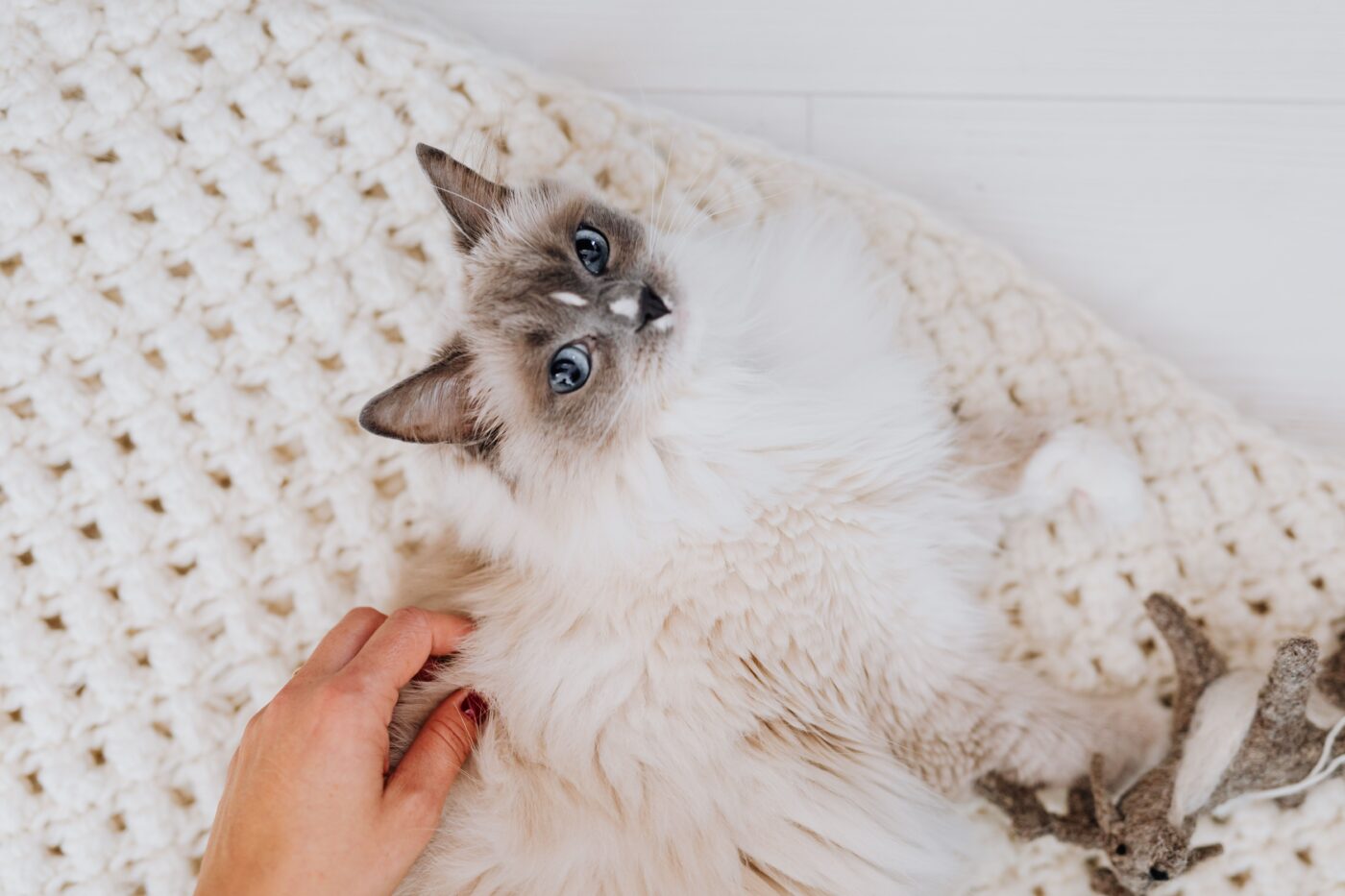
"People often misinterpret feline independence as indifference. In reality, cats are highly relational creatures that establish profound emotional attachments, but they do so on terms dictated by their evolutionary need for safety and autonomy. When a cat follows you from room to room or sits with its back turned toward you, it is demonstrating a sophisticated form of companionship that respects the shared space without demanding intrusive physical restraint."
Dr. Sarah Ellis, co-author of The Trainable Cat, emphasizes the importance of micro-signals in daily interactions:
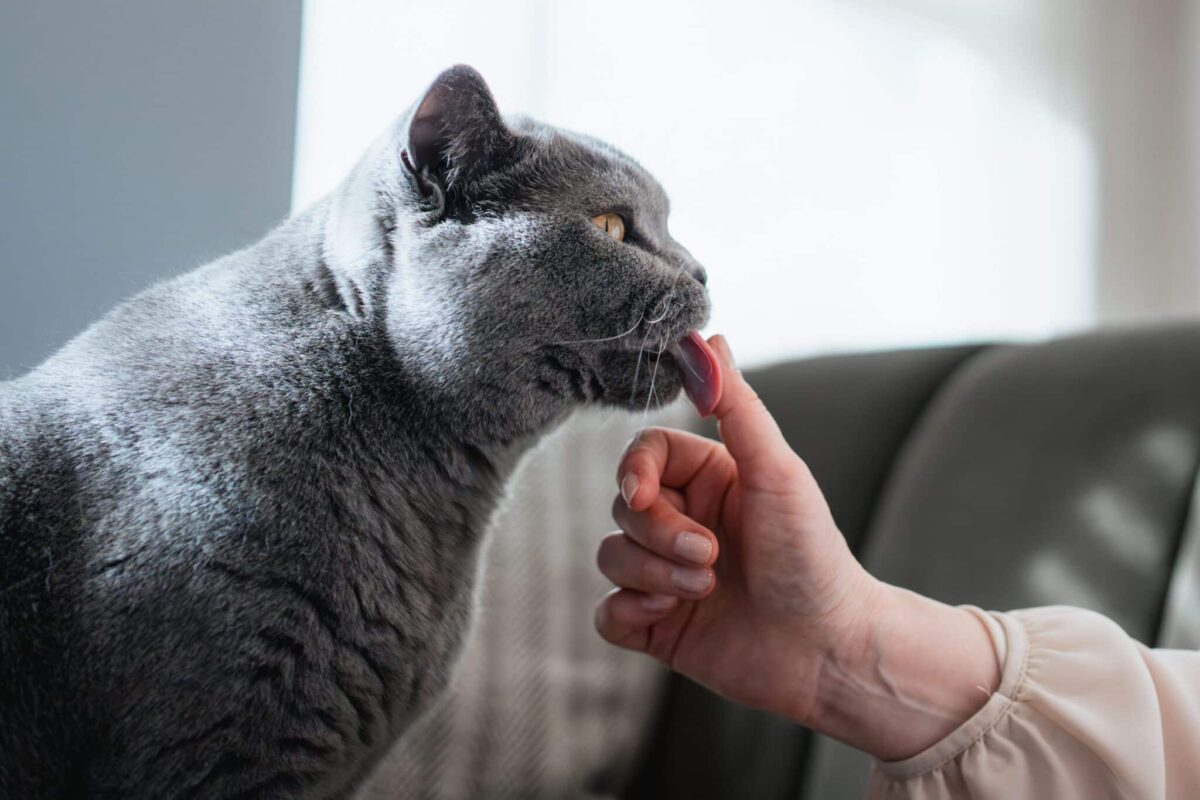
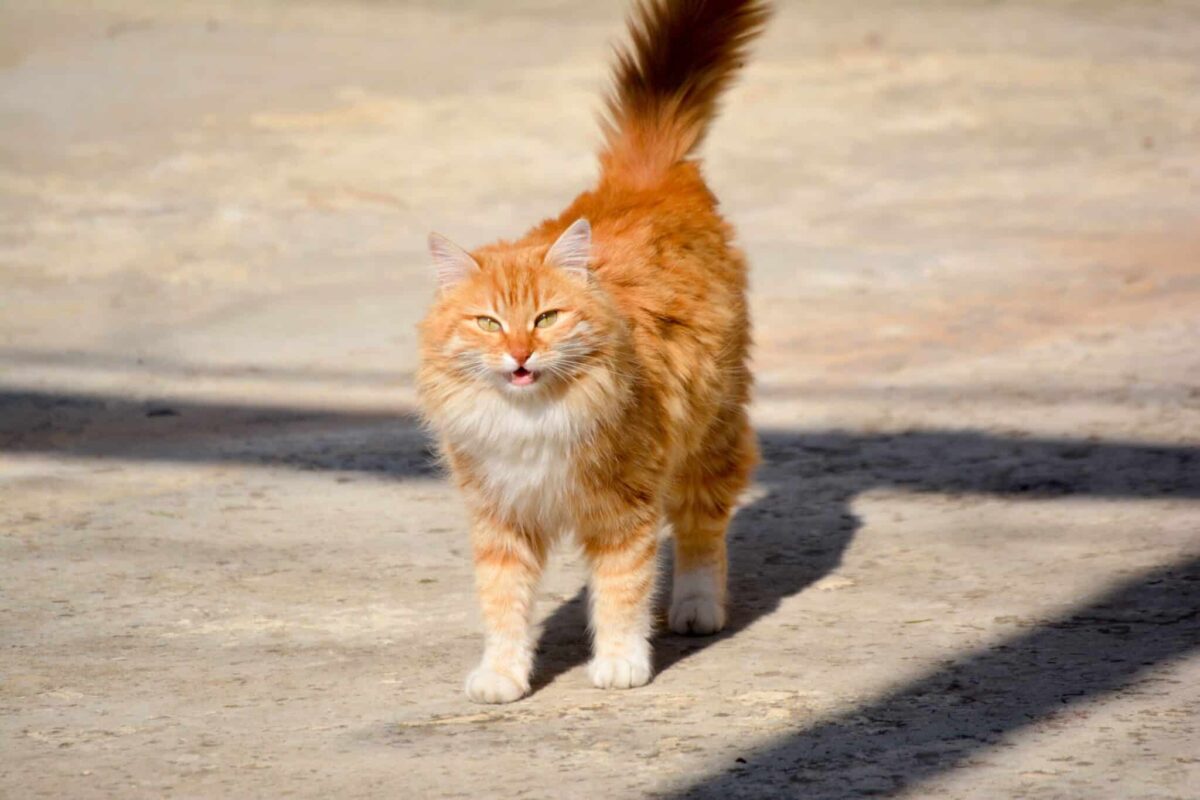
"Feline affection is cumulative. It lives in the choice to occupy the same room, the gentle greeting with an upright, question-mark tail, and the quiet rhythmic kneading on a soft blanket nearby. If owners learn to validate these subtle expressions rather than forcing unwanted handling, they unlock a much deeper, more harmonious relationship with their pets."
Veterinary behaviorists universally advise that human responses should mirror feline communication styles: allowing the cat to dictate the terms of engagement, respecting physical boundaries, and acknowledging that quiet, unassuming presence is frequently the highest compliment a cat can pay.
Future Outlook: The Evolution of Feline Welfare and Human Understanding
As our understanding of animal cognition and welfare continues to advance, the cultural narrative surrounding cats is undergoing a profound shift. For decades, shelter statistics and adoption rates suffered from the persistent myth that cats were untrainable, solitary, and incapable of deep social bonds.
1. Shifts in Veterinary Medicine and Shelter Design
Modern veterinary clinics and animal shelters are increasingly adopting "cat-friendly" protocols that explicitly account for feline emotional signaling. Recognizing subtle signs of stress or trust—such as slow blinking or relaxed ear positioning—has become standard practice for veterinary staff handling feline patients. This reduces clinical trauma and fosters better health outcomes.
2. The Rise of Feline Enrichment and Education
Public education campaigns led by organizations like the International Society of Feline Medicine (ISFM) and various humane societies are increasingly focusing on human education. By teaching prospective cat owners how to read micro-expressions, tail alignments, and scent-marking behaviors, these initiatives aim to reduce behavioral relinquishments caused by mismatched expectations.
3. The Modern Companion Animal
Looking ahead, the human-feline bond is poised to be celebrated for its unique tranquility. In an increasingly fast-paced, high-stimulation human world, the quiet, grounding companionship of a cat offers a restorative counterbalance. As society learns to respect the independent spirit and subtle language of the feline heart, our homes will become spaces of deeper mutual understanding, proving once and for all that the quietest love truly does speak volumes.