
Executive Overview
Across suburban Australia, millions of households share a quiet, daily ritual: pouring seeds onto a patio table, slicing fruit for visiting lorikeets, or scattering scraps of meat for local kookaburras. Approximately half of all Australian households engage in backyard bird feeding, driven by a deep-seated affection for native wildlife and a desire to nurture nature in an increasingly urbanized environment.
Yet, as the nation confronts a fast-moving, high-consequence biosecurity threat, conservationists and epidemiologists are issuing an urgent, sobering warning. This beloved pastime—often viewed as a harmless expression of stewardship—carries the latent potential to act as a viral superspreader event for the highly pathogenic avian influenza (HPAI) H5N1 virus.
The stakes could not be higher. Having already devastated wild bird populations and mammalian species across the Northern Hemisphere, the deadly H5N1 strain has arrived in Australia. Recent mass mortality events, including the loss of more than 1,000 crested terns and the grim milestone of the first mainland mammalian infection in a long-nosed fur seal, underscore a terrifying reality: the virus is adapting, expanding, and exploiting the very networks we build to bring wildlife closer to home.
By drawing diverse species into unnatural, high-density congregations, backyard feeding stations risk turning suburban gardens into transmission hotspots. This investigative report examines the mechanics of the H5N1 threat, the ecological impact of supplementary feeding, and the immediate, critical steps Australians must take to protect both native wildlife and public health.
Detailed Chronology
To understand the urgency of current warnings, one must trace the rapid progression of H5N1 across the globe and its recent, alarming arrival on Australian shores.
- The Global Precedent (2020–2023): The current lineage of H5N1 (specifically clade 2.3.4.4b) emerged as an unprecedented epizootic force, sweeping through wild bird populations across Europe, the Americas, and parts of Asia. Unlike previous strains of avian influenza, this variant demonstrated an extraordinary capacity to persist in wild environments, crossing evolutionary barriers to infect a staggering array of mammalian scavengers and predators—from foxes and bears to marine mammals.
- The Arrival in Oceania (2023–Early 2024): For years, Australia remained uniquely isolated from this global pandemic, shielded by geography and rigorous biosecurity borders. However, epidemiological models long predicted that migratory flyways would eventually carry the virus to the continent’s northern and eastern peripheries.
- Escalation and Mass Mortalities (Mid-2026): The theoretical threat materialized into a tangible crisis. Conservation authorities recorded a wave of catastrophic mortality events among coastal and pelagic bird species. Most notably, over 1,000 crested terns were found dead in mass-casualty incidents linked directly to H5N1, signaling widespread circulation within Australian ecosystems.
- The Mainland Mammalian Threshold (August 2026): The crisis crossed a grim psychological and biological threshold with the detection of H5N1 in a long-nosed fur seal—the first confirmed mainland mammalian infection in Australia. This development confirmed that the local virus strain possesses the virulence required to breach species boundaries, heightening anxieties regarding broader ecological disruption and spillover potential.
Supporting Context & Metrics: Why Backyard Feeders Are Viral Amplifiers
To appreciate why suburban backyards are now under intense scrutiny, one must examine the behavioral ecology of wild birds and the specific pathology of avian influenza.
The Unnatural Convergence
In a natural ecosystem, wild birds disperse across vast landscapes to forage. Species-specific dietary requirements, territorial boundaries, and natural resource distribution mean that mass congregations are typically limited to isolated, temporary events—such as a localized fruiting tree or a watering hole.
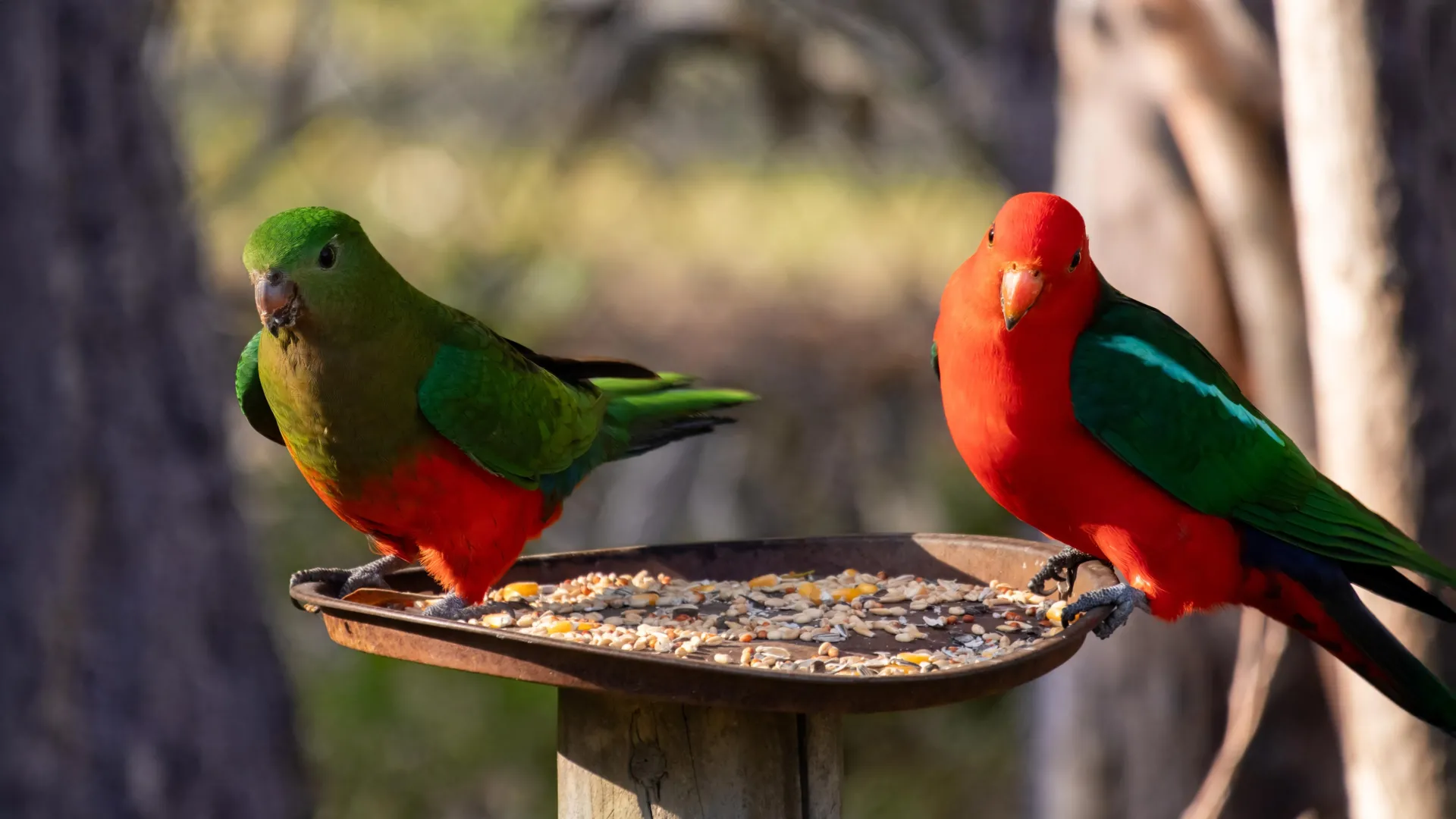
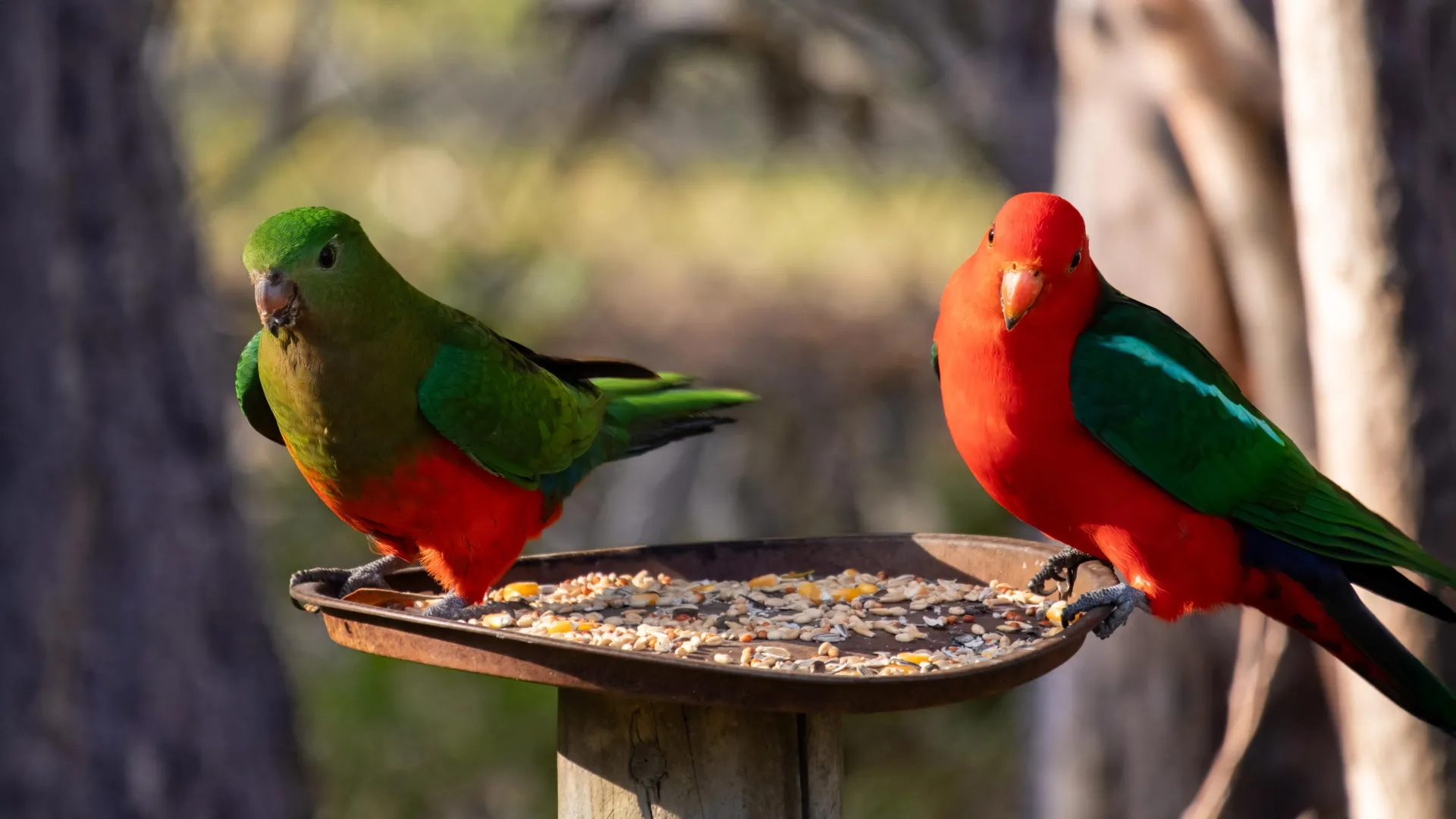
Backyard feeding completely upends these natural controls. By placing high-calorie, easily accessible food in a fixed location day after day, humans create an artificial magnet. This pulls together a diverse assembly of species that would rarely interact in such close quarters: lorikeets, cockatoos, currawongs, pigeons, and migratory visitors.
When a single bird carrying H5N1 visits a backyard feeder, it sheds the virus through saliva, nasal secretions, and feces onto shared perches, feeding trays, and the food itself. Subsequent visitors ingest the contaminated food or step onto tainted surfaces, transforming the feeding station into an efficient, continuous transmission loop.
Nutritional Myths and Ecological Reality
A common justification for backyard feeding is the belief that wild birds rely on these provisions for survival, particularly during harsh weather or urban expansion. However, comprehensive ecological research demonstrates otherwise.
Studies show that most birds visiting suburban feeders derive the vast majority of their daily caloric and nutritional intake from natural sources—insects, nectar, seeds, and worms. The food provided by humans functions primarily as a high-value, highly concentrated snack rather than an essential lifeline.
Unfortunately, this supplementary snack comes with hidden costs. In addition to spreading pathogens like H5N1, poorly managed feeding practices contribute to poor nutrition (such as metabolic bone disease in young birds fed inappropriate meat scraps) and foster unnaturally high population densities that exacerbate territorial stress and vector-borne parasites.
Threat Multipliers: Scavengers and Threatened Species
The impact of backyard feeding extends beyond common garden birds. When infected birds succumb to H5N1, their carcasses—or the viral load concentrated at feeding sites—frequently attract local scavengers.
Mammalian and avian scavengers, including red foxes, possums, crows, and domestic pets, are highly susceptible to secondary infection when feeding on diseased tissue. This creates a secondary bridge for the virus into urban wildlife populations.
Furthermore, the presence of localized disease hotspots poses an existential threat to Australia’s most vulnerable and endangered endemic species. Iconic, fragile populations—such as the orange-bellied parrot—cannot absorb the catastrophic mortality rates associated with H5N1. A single localized outbreak catalyzed by backyard feeding could push an already precarious species past the point of no return.
Official Statements & Expert Guidance
As the H5N1 crisis deepens, scientific bodies, conservation agencies, and biosecurity experts are aligning their messaging. The consensus is clear: while human infection remains rare and typically mild, the ecological imperative to suppress viral amplification requires a fundamental shift in public behavior.
"Feeding wild birds is one of our most cherished connections to nature, but under the shadow of H5N1, these well-intentioned feeding stations risk becoming localized superspreader events. We are urging the public to recognize that our backyards are part of the broader ecological landscape."
— Leading Wildlife Epidemiologist
The Biodiversity Council and associated veterinary authorities have outlined a definitive hierarchy of risk-reduction strategies for Australian households:
- The Gold Standard: Cease Feeding Altogether.
Epidemiologists emphasize that the most effective way to eliminate backyard transmission risk is to stop feeding wild birds entirely. Without artificial food attractants, birds disperse naturally across their native habitats, drastically reducing contact rates and preventing artificial viral amplification. - Implement Rigorous Mitigation if Feeding Continues:
Recognizing that some members of the public will find it difficult to immediately abandon a lifelong habit, experts have established strict operational protocols to minimize transmission risks:- Drastically Reduce Volume: Offer smaller amounts of food to discourage large, multi-species flocks from congregating. Think of it as wildlife social distancing.
- Abolish Hand-Feeding: The intimate practice of hand-feeding must cease immediately. While human transmission of H5N1 is rare, direct physical contact with beak, saliva, and feather dander represents an unnecessary and avoidable hazard.
- Enforce Strict Sanitation: Feeding surfaces, trays, and water baths must be scrubbed and sanitized regularly using domestic-grade bleach solutions. Experts note a hard truth: “If you are not prepared to rigorously clean feeding equipment daily, you should not be feeding wild birds at all.”
Future Outlook
Australia stands at a critical crossroads in its management of the global H5N1 pandemic. As the virus embeds itself further within native ecosystems, the actions taken—or ignored—in suburban backyards over the coming months will play a decisive role in shaping the trajectory of the outbreak.
The traditional view of wildlife management as something that occurs exclusively in remote national parks or pristine wilderness is obsolete. Urban and suburban environments function as critical interfaces between human populations and vulnerable wildlife. Every patio, balcony, and garden table represents a potential node in a vast, interconnected epidemiological network.
In the future, public health campaigns will likely need to reframe wildlife interaction, moving away from direct provisioning toward habitat restoration. Planting native, nectar-producing shrubs and trees, establishing chemical-free gardens, and providing clean, natural water sources offer sustainable ways to support urban biodiversity without creating the artificial congregation points that viral pathogens exploit.
Ultimately, protecting Australia’s rich and unique avifauna from the devastation of H5N1 requires a temporary—or perhaps permanent—sacrifice of our comfort in feeding them directly. By stepping back, reducing suburban densities at feeding sites, and adhering strictly to biosecurity directives, Australians can ensure that their love for wildlife translates into meaningful, science-based protection rather than unintended harm.
Emergency Reporting Protocol
If you encounter sick, distressed, or dead wild birds or marine mammals, do not touch them under any circumstances. Record the precise location, capture photographs from a safe distance, keep domestic pets away, and immediately report the sighting to the Emergency Animal Disease Hotline on 1800 675 888.