
Executive Overview
As the transition from the sun-drenched days of late summer yields to the crisp mornings of autumn, the North American landscape undergoes a profound transformation. For human populations, this seasonal shift signals the end of vacations, the resumption of the academic calendar, the bounty of autumn harvests, and preparations for the approaching winter months. Yet, hidden within this temporal pivot lies one of the planet’s most magnificent biological spectacles: the southward migration of hundreds of millions of birds.
Across the North American continent, this monumental journey is concentrated along massive aerial highways known as flyways. Among these, the Mississippi Flyway stands out as an ecological artery of global significance. Each autumn, more than 350 migratory bird species embark on perilous journeys spanning thousands of miles, navigating from northern breeding grounds down to their wintering habitats in the American South, Central America, and South America. Along this vast corridor, the Mississippi River and its sprawling network of backwaters, oxbow lakes, and floodplain forests serve as indispensable rest stops, fueling stations, and sanctuaries.
World Migratory Bird Day (WMBD)—celebrated biannually, with its autumn iteration falling on October 10—serves as an international moment to honor these remarkable aerial athletes. But beyond celebration, the day acts as an urgent ecological barometer. Migratory birds are the ultimate environmental sentinels. When wetlands and river habitats are thriving, avian populations find the rich array of macroinvertebrates, seeds, and shelter necessary to sustain their grueling journeys. Conversely, when these ecosystems degrade or vanish, birds are frequently the first indicator species to reveal an imbalance in the natural world.
The fate of these migratory species is inextricably linked to the well-being of the human populations inhabiting the same basin. More than 20 million people rely directly on the Mississippi River for drinking water, industrial livelihoods, agricultural irrigation, economic transportation, and climate resilience. Recognizing this deep interconnection, conservation initiatives spearheaded by organizations like the National Audubon Society through its Mississippi River Water program are working to forge a more resilient, ecologically vibrant future. By restoring degraded wetlands and reconnecting the river to its historic floodplain, conservationists are discovering that ecological restoration does not merely protect more than 350 bird species; it simultaneously builds a robust line of defense for the human communities weathering an era of intensifying climate disruption.
Detailed Chronology: The Seasonal Rhythm of the Mississippi Flyway
To understand the urgency of river restoration, one must first examine the temporal and spatial choreography of the Mississippi Flyway. The migration cycle is not a static event, but a continuous, finely tuned biological clock governed by photoperiods, temperature drops, and the availability of resources.
Late Summer: The Preparatory Phase
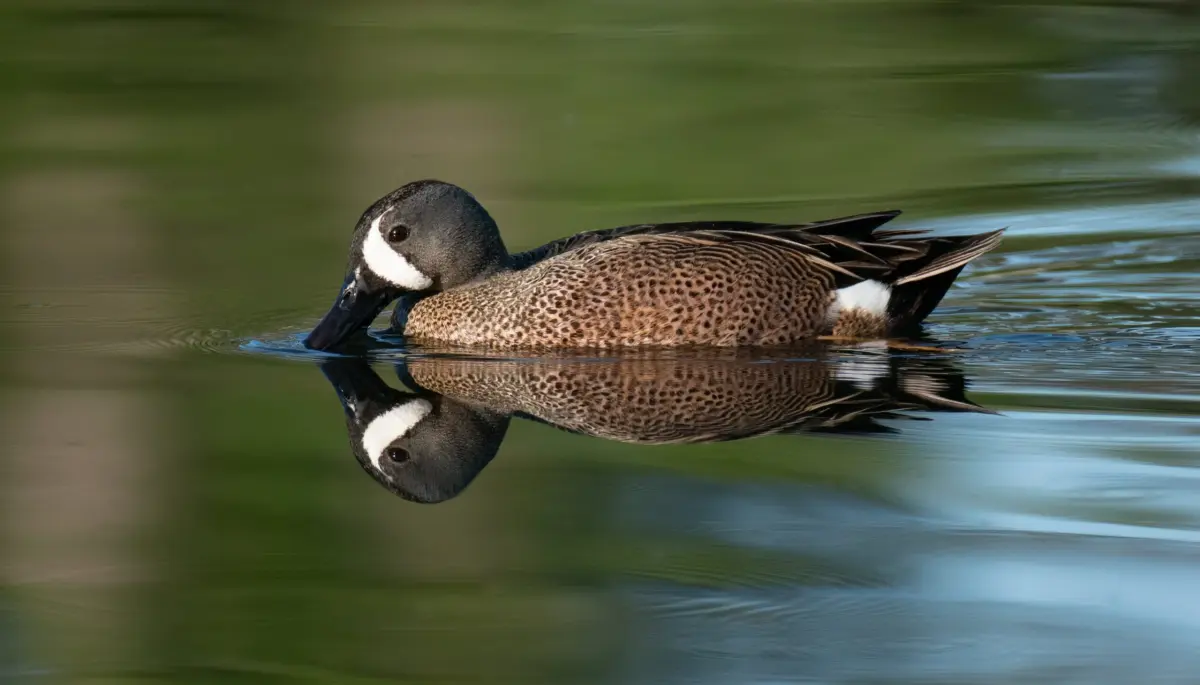
As August transitions into September, physiological changes sweep through bird populations across the northern reaches of the Mississippi Flyway—stretching from the Canadian boreal forests and the Great Lakes down through Minnesota and Wisconsin. Species such as the Blue-winged Teal (Spatula discors), the Northern Pintail (Anas acuta), and a diverse suite of Neotropical warblers undergo hyperphagia, a period of intensive feeding to build the fat reserves essential for long-distance flight.
During this preparatory window, the health of northern staging grounds dictates the baseline survival rates of migrating flocks. Wetlands choked by invasive species or drained for agricultural expansion fail to provide the high-energy seeds and aquatic invertebrates required for this metabolic transformation. Consequently, birds depart in sub-optimal physical condition, lowering their overall journey survival rates.
Peak Autumn Migration: The October Rush
By mid-October, the migration reaches a fever pitch. Millions of waterfowl, shorebirds, raptors, and songbirds funnel down the Mississippi River corridor. This is the period commemorated by World Migratory Bird Day. As flocks descend upon the floodplain forests and backwaters of the upper and middle Mississippi, they encounter a dynamic landscape that has been drastically altered over the past two centuries.
Historically, the river operated on a natural flood pulse. Spring snowmelts and heavy seasonal rains would spill over riverbanks, inundating vast forested floodplains. This slow-moving water deposited nutrient-rich sediments, stimulated aquatic plant growth, and created shallow, temporary nurseries for fish and macroinvertebrates. For migrating birds, these flooded zones were veritable supermarkets.
Today, however, the timing of the birds’ arrival often clashes with artificially managed water levels. The pulse of the river is regulated by locks, dams, and levees designed primarily for commercial barge navigation and flood damage reduction. When managed without ecological considerations, these structures can leave backwaters disconnected from the main channel, depriving migrating species of vital foraging habitat precisely when their energy demands peak.
Wintering Grounds and the Return Journey
By late November and December, the vanguard of the migration reaches the delta region in Louisiana and the Gulf of Mexico. For many species, such as the Prothonotary Warbler (Protonotaria citrea) and the Northern Parula (Setophaga americana), these southern bottomland hardwood forests serve as their winter home. For others, the Gulf coast is merely a brief staging area before crossing the sea.
The cycle is relentless. Barely have the wintering populations settled into a seasonal routine than lengthening spring days trigger the hormonal shifts that demand a return flight northward. Thus, the integrity of the Mississippi Flyway is a year-round equation: damage inflicted on southern wintering grounds or northern breeding habitats reverberates across the entire migratory chain, ultimately manifesting as population declines across dozens of species.
Supporting Context & Metrics: The Anatomy of a Degraded Basin
The Mississippi River basin is a colossus of geography. Encompassing approximately 1.2 million square miles, it drains all or parts of 31 U.S. states and two Canadian provinces, making it the largest drainage basin in North America and the third-largest in the world.
The Historical Mosaic vs. Modern Infrastructure
Historically, this vast watershed was characterized as a rich, intricate mosaic of braided channels, shifting islands, oxbow lakes, sloughs, and millions of acres of contiguous bottomland hardwood wetlands. This complex network functioned as a massive biological sponge, filtering pollutants, absorbing excess nutrients, and attenuating floodwaters before they could devastate downstream settlements.
Over the past 150 years, human intervention has fundamentally re-engineered this natural architecture. Driven by the imperatives of westward expansion, agricultural intensification, and flood control, engineers constructed the world’s longest system of levees, disconnected the river from more than 10 million acres of its historic floodplain, and channelized large segments of the waterway.
While these massive infrastructure projects successfully shielded riverside towns and facilitated a bustling commercial navigation industry that moves hundreds of millions of tons of goods annually, the ecological trade-offs have been severe:
- Habitat Loss: More than 60 percent of the original bottomland hardwood forests and wetland habitats along the Mississippi River corridor have been lost, severely constricting the "pit stops" available to migratory birds.
- Hydrologic Disconnection: Levees prevent the river from interacting with its floodplain, cutting off the annual replenishment of nutrients and arresting the creation of shallow-water habitats crucial for juvenile fish and foraging waterfowl.
- Nutrient Loading and Hypoxia: Agricultural runoff containing high concentrations of nitrogen and phosphorus flows unimpeded down the river system, culminating in the massive hypoxic "dead zone" in the Gulf of Mexico each summer.
The Avian Stakes: 60 Percent of North American Species
The ecological health of this altered basin carries profound implications for continental biodiversity. Approximately 60 percent of all North American migratory bird species rely on the habitats of the Mississippi River flyway during their annual cycles. This includes:
- Waterfowl: Millions of dabbling and diving ducks, including the Northern Pintail and Blue-winged Teal, depend on Mississippi basin wetlands to rest and refuel.
- Neotropical Migrants: Iconic songbirds such as the Prothonotary Warbler, Northern Parula, and Wood Thrush (Hylocichla mustelina) rely heavily on the mature bottomland hardwood forests lining the river for breeding and stopover habitat.
When these habitats are degraded or fragmented, avian mortality rates spike during migration due to starvation, increased predation pressure, and exhaustion. Long-term monitoring data from organizations like the Cornell Lab of Ornithology and Audubon consistently show downward population trends across many aerial insectivore and grassland bird guilds, directly tracking the degradation of their preferred stopover environments.
Official Statements & Conservation Perspectives
Addressing the complex challenges of the Mississippi River basin requires coordinated action across federal agencies, state governments, indigenous tribes, non-governmental organizations, and local communities. Conservation leaders emphasize that protecting migratory birds is inseparable from safeguarding human security.
"Late summer is a time of change for many—vacations ending and school years beginning. It’s also a season of celebration as we enjoy autumn harvests and fall festivals and begin our preparations for the coming winter. For birds, the transition from summer to winter creates a time of change as migratory birds begin flying south to their wintering grounds."
— World Migratory Bird Day Educational Outreach Initiative
Reflecting on the intrinsic connection between avian welfare and human infrastructure, conservation advocates stress that traditional, hard-infrastructure approaches to flood management are no longer sufficient in an era of climate change.
"Each fall, migratory birds give us a snapshot of the river’s health. When wetlands, backwaters, and floodplain forests are thriving, birds find the food and shelter they need. When those habitats disappear, birds are often among the first to show us that something is out of balance. WMBD reminds us that birds and people are connected and that we must listen to what birds are telling us about habitats like the Mississippi River."
— Audubon Mississippi River Water Program Spokesperson
The strategic vision of contemporary conservation organizations has shifted away from isolated species management toward comprehensive, landscape-scale ecological restoration.
"Audubon envisions a healthy and connected network of habitats throughout the Mississippi River region that supports sustainable bird populations and strengthens the resilience of human communities against both human-made and natural threats. Some 60 percent of North American migratory bird species… rely on the habitats of the Mississippi River for their migratory journeys. They need healthy habitats to support them on their long flights south."
— Conservation Leadership Statement, National Audubon Society
Furthermore, experts emphasize that restoring the river cannot be achieved via top-down mandates alone. Effective river management requires uplifting the voices of local communities—particularly rural, agricultural, and frontline populations who experience the direct impacts of river flooding, levee breaches, and deteriorating water quality. By integrating local knowledge with ecological science, projects can achieve dual outcomes: creating sustainable bird habitat while simultaneously reducing flood risk and improving drinking water security for the 20 million citizens downstream.
Future Outlook: Building a Resilient Flyway for the 21st Century
As we look toward the coming decades, the Mississippi River basin faces unprecedented pressures. Climate change is supercharging the hydrological cycle, leading to more frequent and intense precipitation events, record-breaking spring floods, and prolonged summer droughts. Concurrently, demographic shifts and intensive agricultural practices continue to strain water quality and habitat availability.
Yet, within these challenges lies an unprecedented opportunity for ecological reinvention. The future of the Mississippi Flyway depends on several critical pathways:
1. Large-Scale Floodplain Reconnection
Modern conservation science increasingly advocates for "Room for the River" philosophies. By strategically setting back levees in non-urbanized areas, purchasing floodplain easements from willing landowners, and reconnecting oxbow lakes to the main channel, conservationists can restore the natural flood pulse. This re-flooding recreates the shallow-water wetlands and mudflats that migratory shorebirds and waterfowl desperately need, while simultaneously absorbing millions of gallons of floodwaters and protecting downstream human infrastructure.
2. Nature-Based Infrastructure and Engineering with Nature
The U.S. Army Corps of Engineers and federal partners are increasingly embracing "Engineering with Nature" principles. By utilizing natural materials—such as native vegetation, living shorelines, and restored barrier islands—alongside traditional concrete structures, water managers can enhance navigation and flood control while actively generating ecological lift.
3. Collaborative Watershed Governance
Because the Mississippi basin spans more than half the United States, fragmented governance has historically hindered cohesive management. Future success relies on strengthening multi-state and multi-agency partnerships. Initiatives that align agricultural incentive programs (such as the USDA’s Conservation Reserve Program) with wildlife conservation goals can empower farmers to implement cover crops, wetland buffers, and nutrient management techniques that reduce runoff while expanding stopover habitat on private lands.
4. Public Engagement and Citizen Science
The observance of World Migratory Bird Day plays a vital role in cultivating public stewardship. Programs like eBird—where millions of amateur birders upload daily observations—provide scientists with real-time data on avian distribution and migration timing. This democratization of science ensures that conservation policies are informed by robust, continent-wide datasets.
Conclusion
The Mississippi River is more than a commercial highway or a geographic divider; it is the beating heart of North American biodiversity. When millions of migratory birds take flight each autumn, their journey traces a living map of ecological health. They remind us that borders drawn on maps are invisible to nature, and that the well-being of a Prothonotary Warbler in a Louisiana bottomland forest is fundamentally bound to the decisions made by communities thousands of miles upstream.
Through targeted wetland restoration, innovative floodplain management, and an unwavering commitment to community collaboration, we possess the tools necessary to heal the Mississippi River basin. By restoring these vital habitats, we do more than secure safe passage for the 350 species that depend on the flyway—we build a resilient, enduring future for the 20 million people who call this magnificent watershed home.