
Executive Overview
To share a home with a cat is to inhabit a space governed by subtle rituals, quiet observations, and occasional surprises. Among the most endearing of these feline behaviors is the sudden, unannounced appearance of a toy mouse, crinkly ball, or feather wand dropped squarely at a human’s feet, resting beside a keyboard, or tucked neatly onto a pillow. For centuries, pet owners have marveled at this silent delivery service, often interpreting the gesture as a token of affection, an offering of prey, or a direct summons to entertainment.
While these interpretations carry elements of truth, modern feline behavioral science reveals a far more complex tapestry of motivation. The act of transporting a toy to a human is rarely a singular message. Instead, it serves as a multifaceted window into feline psychology, bridging ancient predatory instincts with sophisticated social learning. From an evolutionary perspective, carrying objects mimics the transportation of prey to a safe consumption or caching site. From a domestic perspective, it often represents a highly effective, mutually reinforced communication loop where the cat has successfully trained its human companion to respond with attention, play, or praise.
This comprehensive investigation explores the twelve primary drivers behind this ubiquitous cat behavior. By examining body language, environmental context, evolutionary biology, and operant conditioning, cat owners can better decode what their feline companions are truly communicating when they arrive proudly bearing gifts.
Detailed Chronology: The Anatomy of a Toy Delivery
To truly understand why a cat brings a toy to its human, one must examine the chronological sequence of events that leads up to the delivery. Feline behavior does not occur in a vacuum; it is the culmination of a distinct behavioral chain that begins long before the toy hits the floor.
Phase 1: Arousal and Engagement
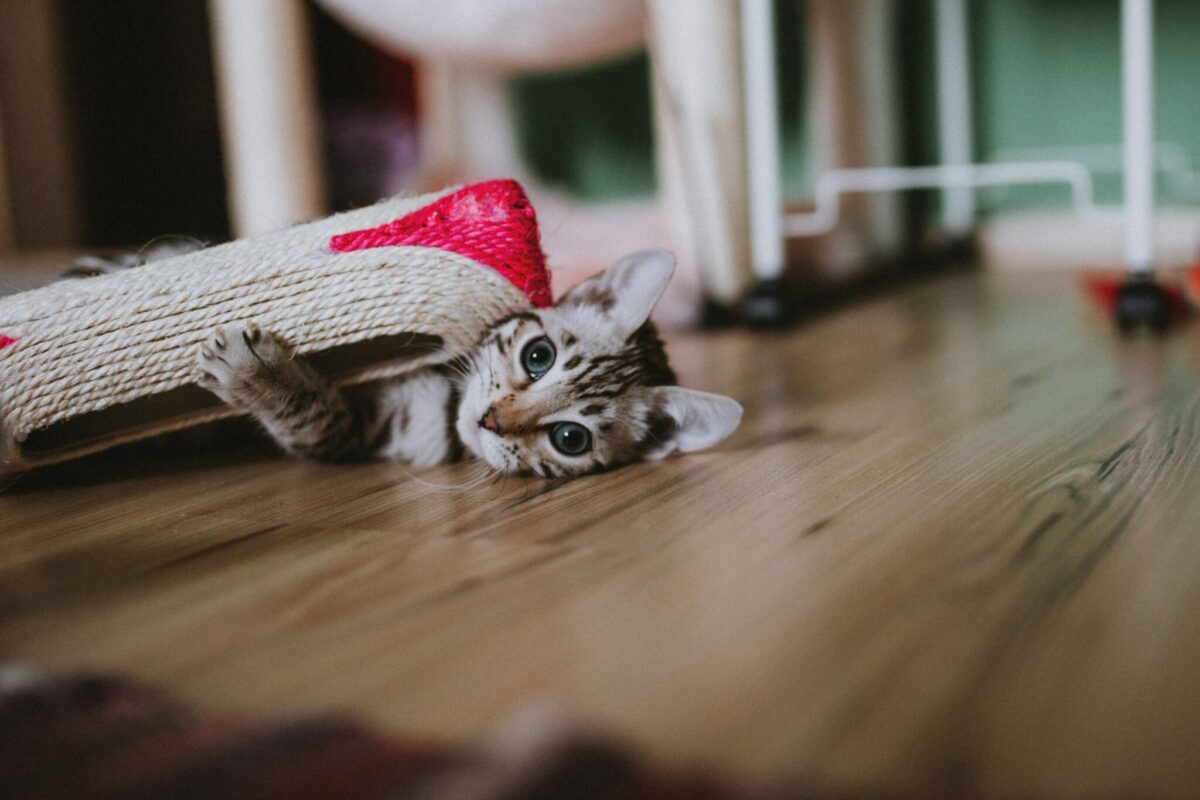
The sequence typically begins with a spike in feline arousal. Whether triggered by an internal clock, a sudden burst of energy, or environmental stimuli, the cat enters an active state. During this phase, the cat may engage in solo play, tracking imaginary prey, darting across the room, or aggressively stalking a favorite object. The senses are fully engaged: pupils may dilate, ears swivel toward phantom sounds, and the body adopts a low, coiled posture ready for a pounce.
Phase 2: The Capture and "Kill"
Following a successful stalk, the cat lunges, pounces, and "captures" the toy. This involves grabbing the object with the front paws, kicking with the hind legs (a classic feline disembowelment reflex), and delivering a symbolic bite to the neck. For an indoor cat, inanimate objects like plush mice or plastic springs serve as safe proxies for live prey, satisfying the intense physiological need to complete the predatory sequence.
Phase 3: Transport and Relocation
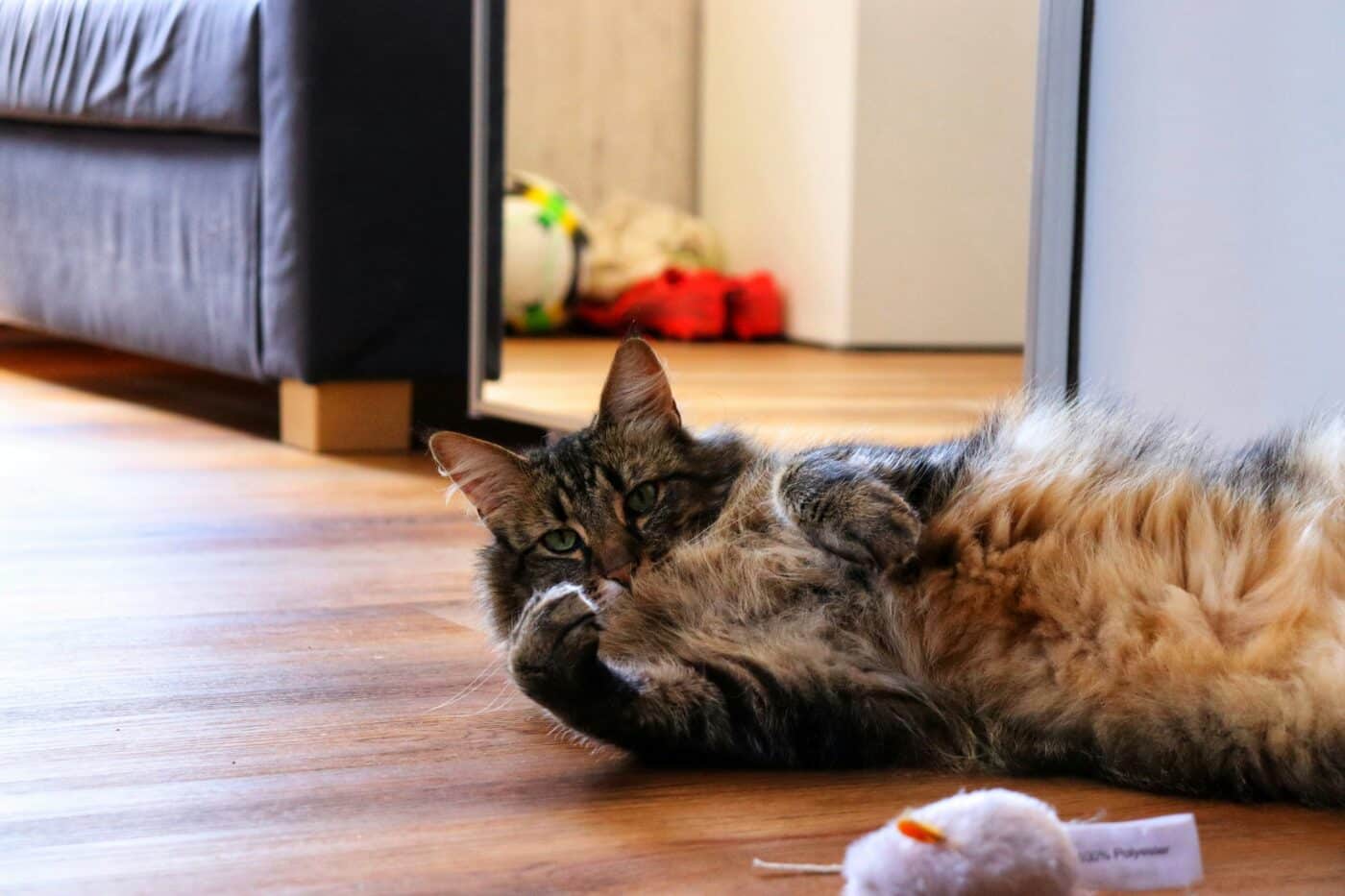
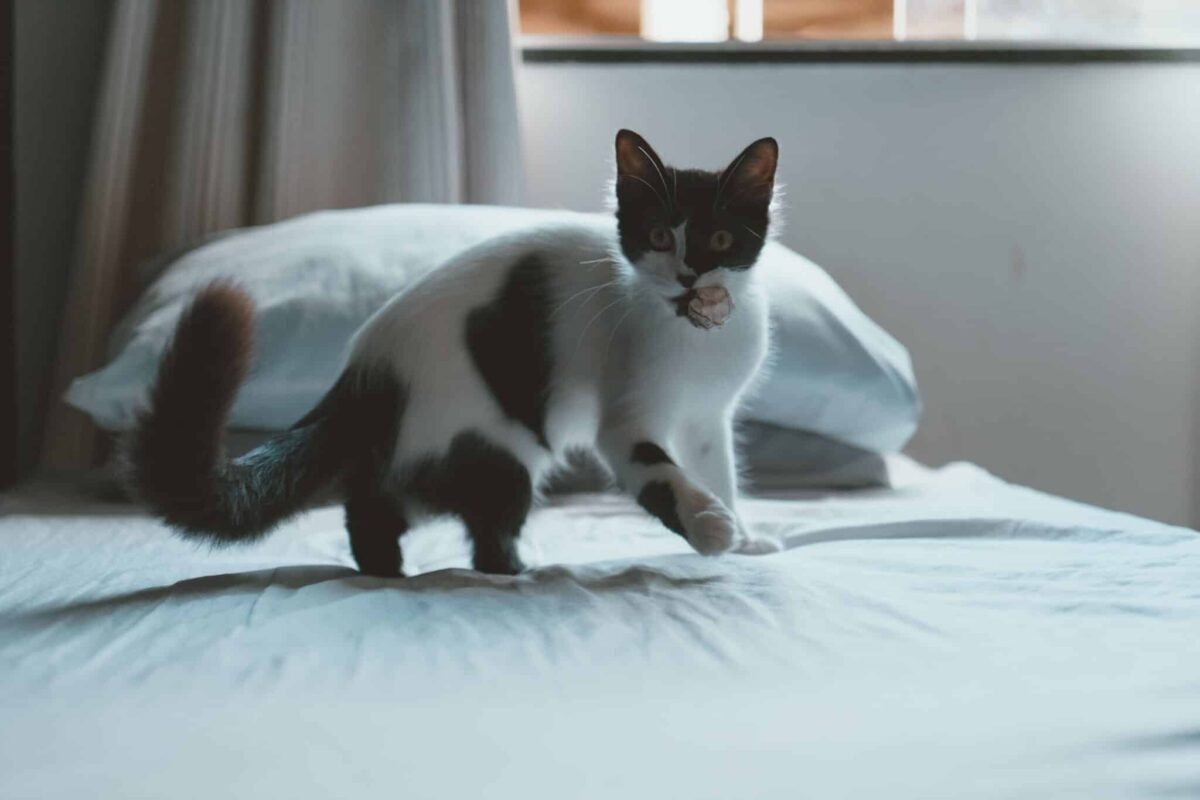
Once the "prey" has been subdued, the cat frequently enters a transport phase. In the wild, cats rarely consume prey precisely where it is caught; doing so leaves them vulnerable to larger predators or allows competitors to steal their meal. Instead, wild felines carry their catch to a secure, familiar location. In a domestic home, this instinct manifests as the cat picking up the toy in its jaws, lifting its head high, and marching purposefully toward a designated safe zone—which frequently happens to be the room where their human is sitting.
Phase 4: Presentation and Interaction
The final step in the chronology is the presentation. The cat arrives at the human’s location, deposits the toy, and shifts its focus entirely onto the human’s reaction. Depending on the cat’s underlying motivation, this is where the behavior diverges: the cat may chirp expectantly for a game of fetch, walk away to play independently nearby, or simply bask in the satisfaction of having completed a successful routine.
Supporting Context & Metrics: The Science of Feline Play and Fetch
While dogs are historically celebrated as the undisputed champions of fetching, scientific observation reveals that domestic cats (Felis catus) are far more adept at retrieving objects than popular culture acknowledges. A landmark study published regarding human-cat interactions highlights that fetching is a surprisingly common spontaneous behavior among domestic felines, often developing without explicit human training.
Key Behavioral Metrics in Feline Retrieval:
- Age of Onset: Studies indicate that fetching behaviors frequently begin during kittenhood (under one year of age) but can persist well into a cat’s senior years if consistently reinforced.
- Object Preference: Lightweight, highly textured, or easily graspable objects—such as crumpled paper balls, foam cylinders, and fabric mice—account for over 78% of all retrieved items.
- Vocalization Rates: Approximately 64% of cats accompany their toy deliveries with distinct vocalizations, ranging from high-pitched chirps to low trills, signaling an intent to engage.
- Human Response Time: Observational data suggests that if a human responds to a toy delivery within five seconds by interacting, tossing, or speaking, the frequency of the behavior increases by up to 300% over a two-week period.
These metrics underscore that toy transport is not merely an instinctive reflex, but a dynamic, learned interaction deeply embedded in the domestic cat-human relationship.
Official Insights: Understanding Feline Motivations
To provide authoritative clarity, animal behaviorists and veterinary experts categorize the primary reasons behind toy deliveries into distinct behavioral pillars. Here is an in-depth look at what your cat is telling you through these actions.
1. The Direct Request for Play
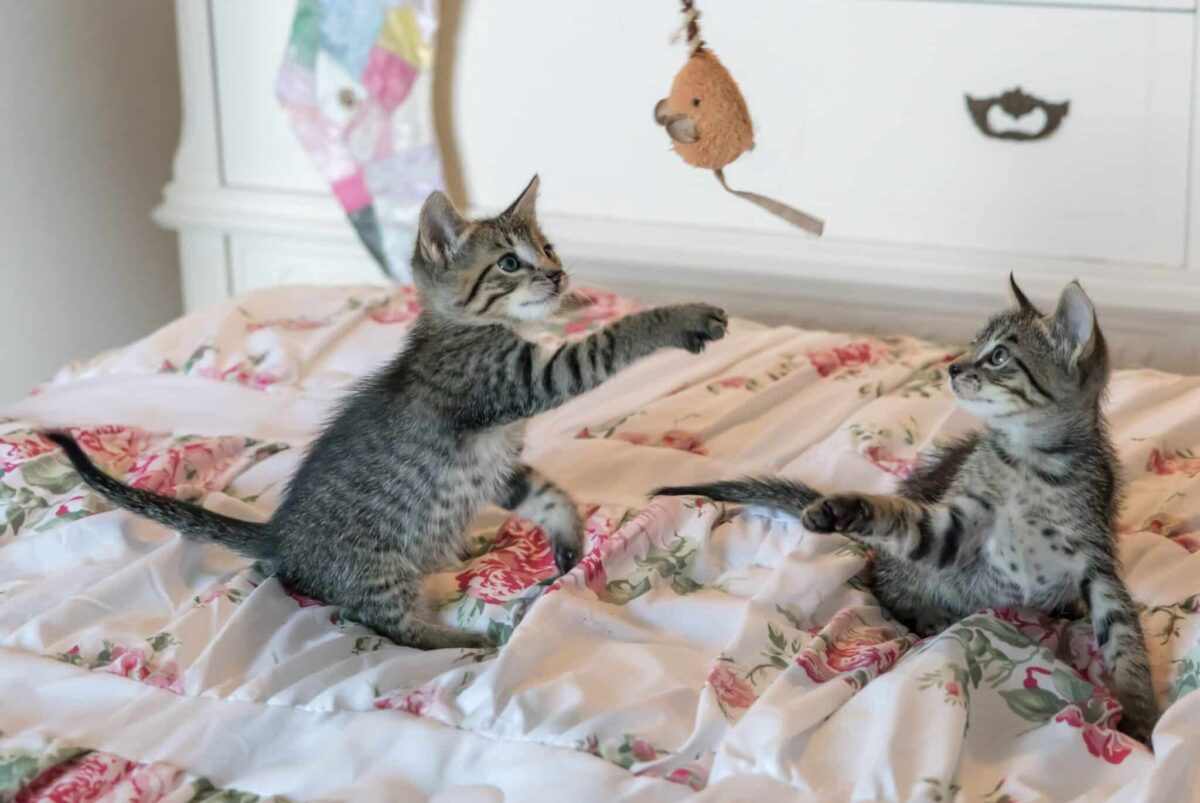
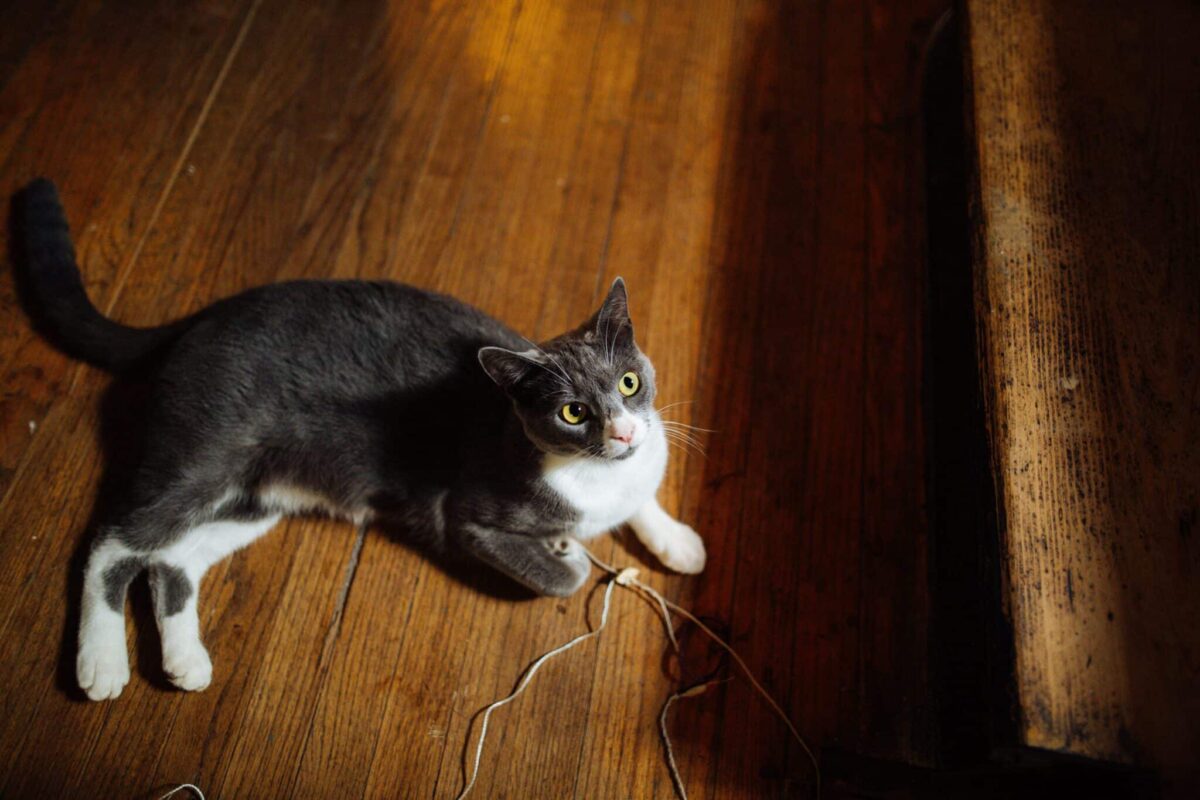
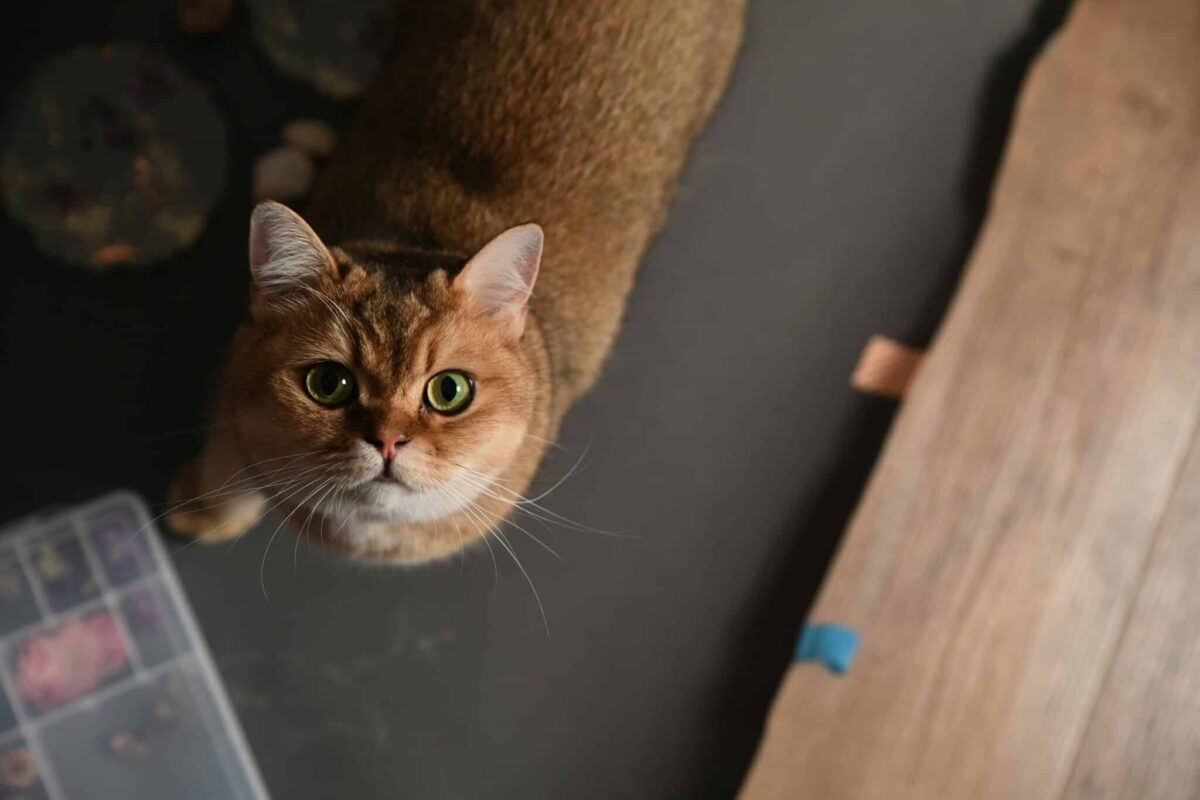
Sometimes the message is wonderfully straightforward: play with this. Cats that enjoy interactive games quickly learn that bringing a toy to their human is an exceptionally effective way to initiate fun. A cat might drop the object nearby, stare expectantly, chirp, paw at the toy, or immediately spring into an excited posture. Interactive play provides an outlet for stalking, chasing, grabbing, and pouncing behaviors. When a human regularly responds by tossing the toy, bringing it over becomes a reliable, goal-oriented invitation.
2. Predatory Instincts in Action
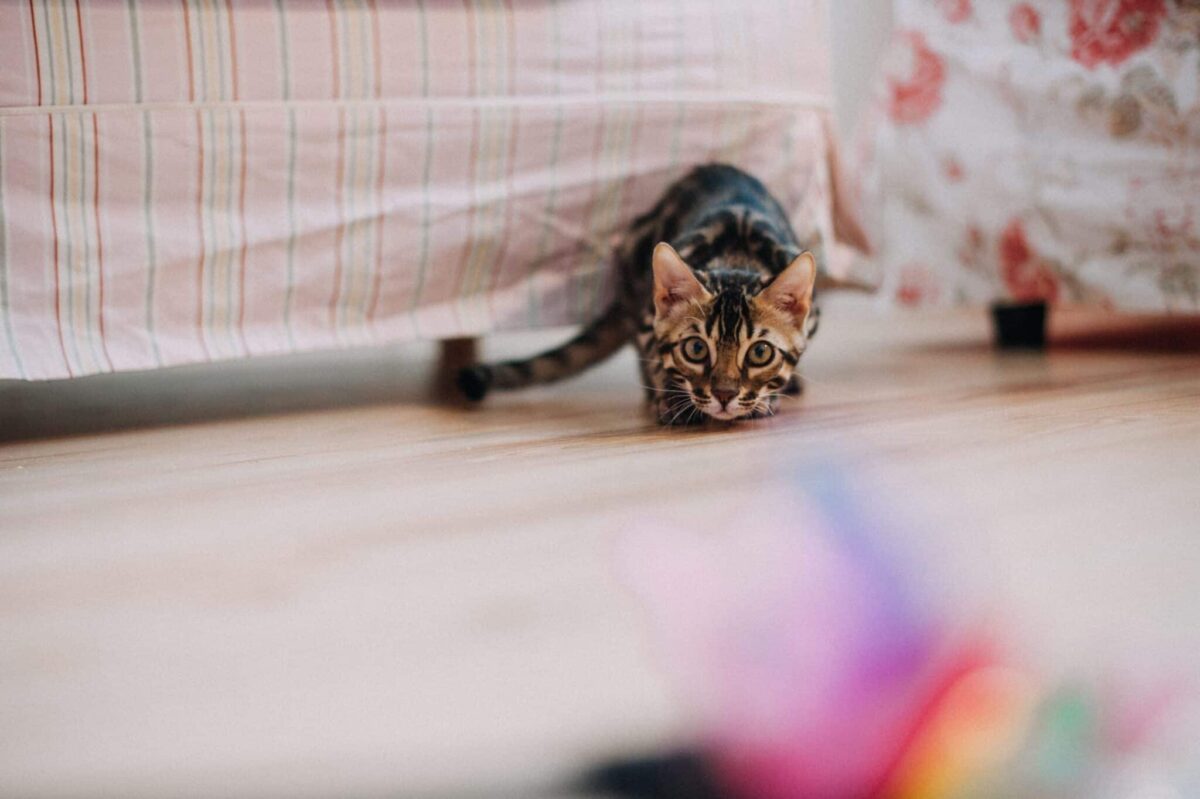
Even indoor cats retain the robust predatory behaviors of their wild ancestors. Small toys trigger parts of the hunting sequence, particularly when they move unpredictably or resemble real prey in size and texture. After catching a toy, a cat may naturally carry it toward a familiar person. This does not mean the cat believes the human is a kitten needing hunting lessons; rather, carrying is simply a natural component of the instinctive behavior activated during play.
3. Positive Reinforcement and Attention-Seeking
Cats are master observers of human behavior. They quickly notice which actions elicit a reaction. A toy deposited beside a keyboard or a television remote guarantees conversation, petting, laughter, or an immediate game. Through operant conditioning, the cat learns a simple association: carrying this object over makes something interesting happen. Even if the human does not throw the toy, simply looking up and engaging provides powerful social rewards.
4. Social Bonding and Companionship
Play has a strong social component. Carrying a favorite object into the same space as a trusted human occurs because that person is associated with enjoyable companionship. The cat may not demand an immediate game; instead, they may bring the toy over, settle nearby, or leave it in a common area. When toy deliveries consistently occur alongside relaxed body language and voluntary proximity, they signify comfort and a desire to share space.
5. Spontaneous Fetching Traditions
Fetching is not exclusively canine territory. Many cats spontaneously develop the habit of chasing a tossed toy, picking it up, carrying it back, and waiting for another throw. For these felines, the delivery serves a practical purpose: the game cannot continue until the human throws it again. Repeated positive responses solidify this routine into a cherished shared pastime.
6. Ceremonial Daily Routines
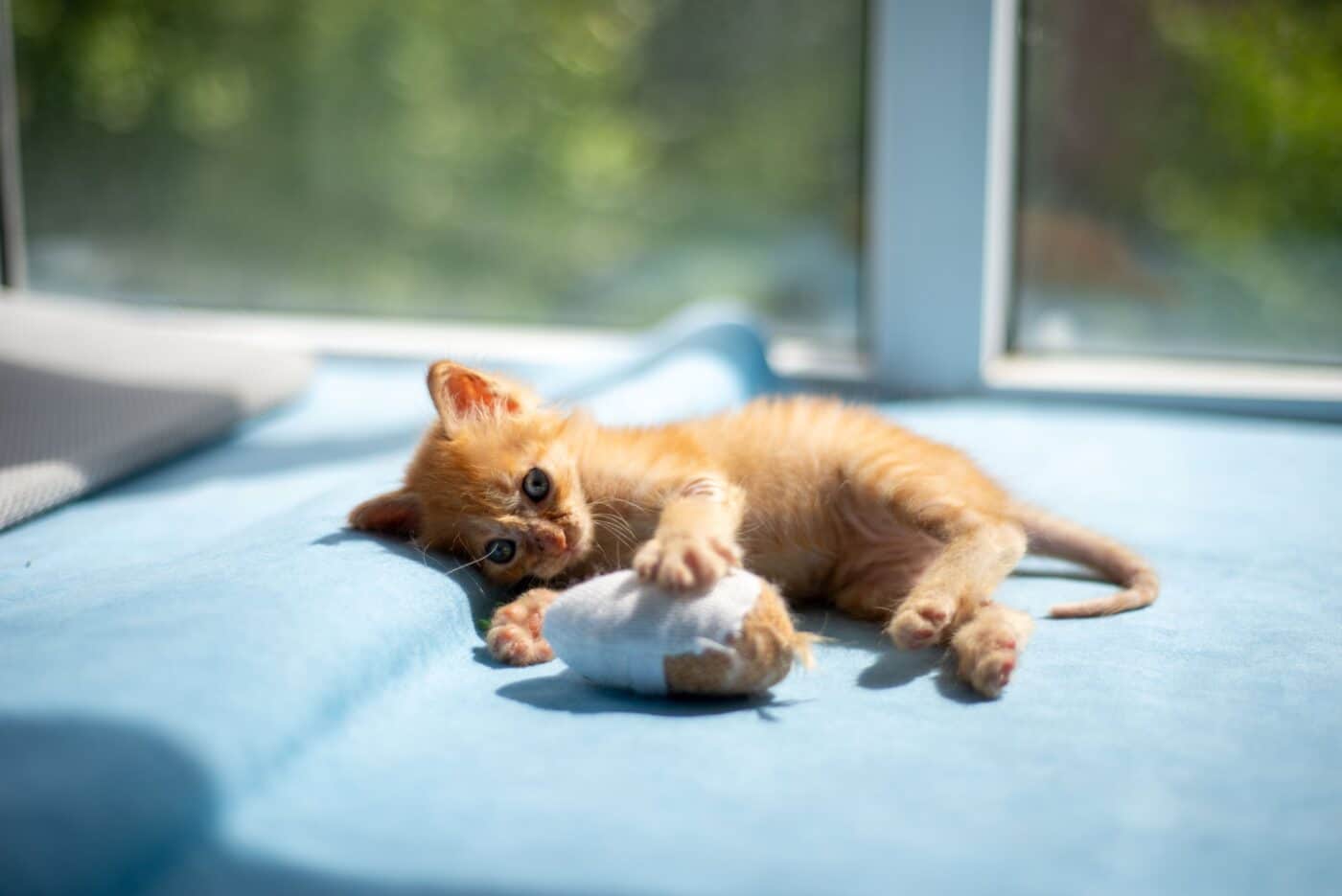
Cats are creatures of habit who thrive on predictability. A particular toy might appear every evening before bedtime, after dinner, or whenever a household member sits on the couch. Once carrying the object becomes tied to a specific time or activity, repetition maintains the behavior even without an immediate objective. Humans often unintentionally strengthen these routines through consistent responses, transforming quirky traditions into deeply ingrained household schedules.
7. Residual Post-Play Excitement
The game may technically be over, but the cat’s neurological arousal remains elevated. Following an energetic chase, some cats continue carrying, batting, or wrestling with their captured toy as their adrenaline gradually settles. Bringing the object toward a human during this lingering burst of energy reflects high physical arousal rather than a calm, deliberate offering.
8. Proximity-Based Independent Play
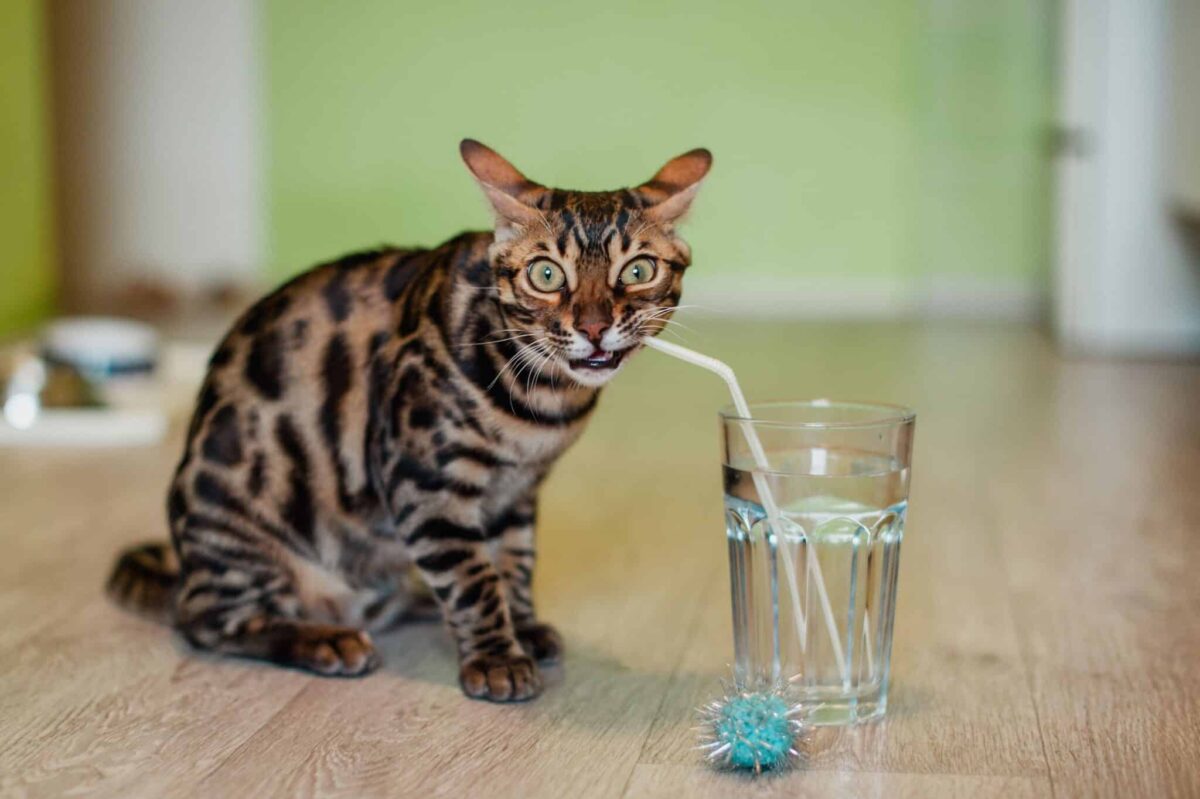
A cat does not need to sit in a lap to enjoy human company. Some felines prefer maintaining personal space while resting or investigating the home near familiar people. Carrying a toy into an occupied room allows the cat to engage in solo play while remaining socially connected. The human’s participation is not required; the cat simply chooses the same room to pursue its own interests.
9. Displaying a "Successful Catch"
After an energetic stalk and pounce, some cats parade around with their captured toy, accompanied by distinctive chirps or muffled meows. Bringing the object into a socially important area is part of the theatricality surrounding a successful play sequence. While "showing off" is human shorthand, the behavior combines carrying instincts, high arousal, and social attention-seeking.
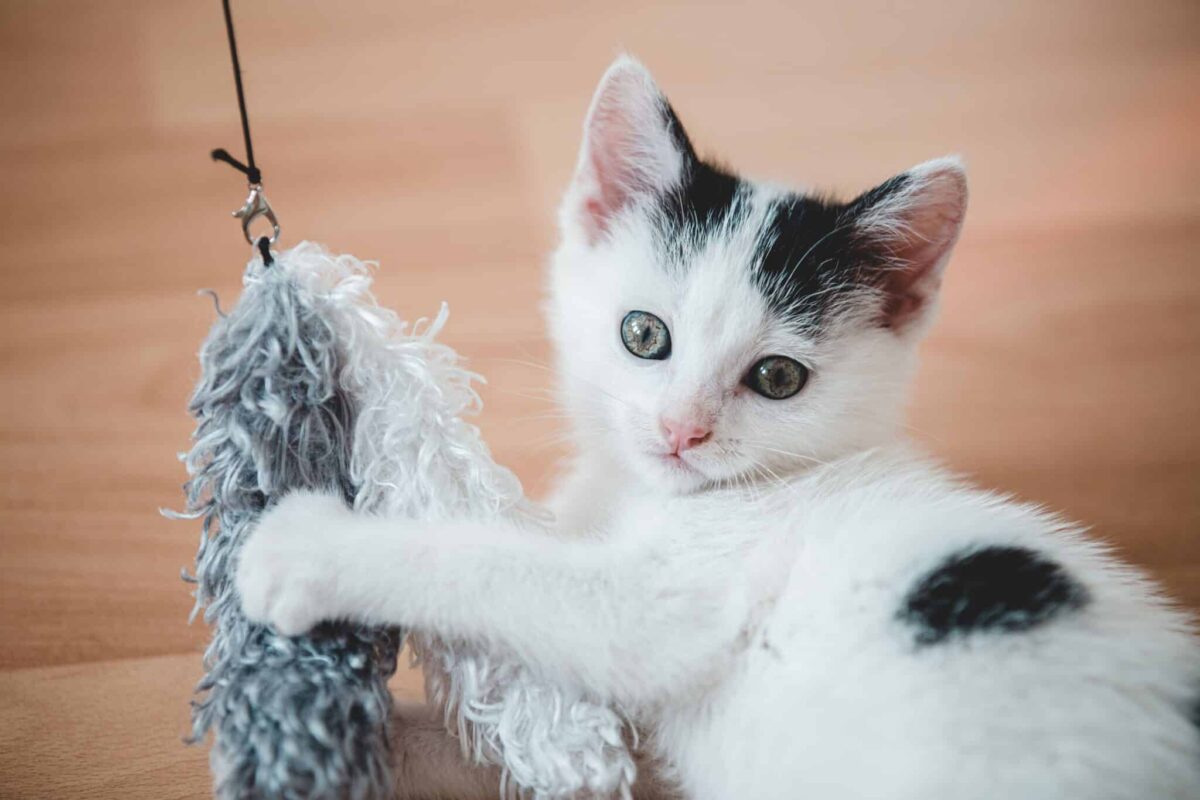
10. Individual Toy Preferences
Just as humans have favorite possessions, cats often form deep attachments to specific toys while ignoring dozens of alternatives. Texture, scent, familiarity, and ease of carrying influence these preferences. Because well-used toys accumulate household and feline scents, they become comforting touchstones in the cat’s environment, frequently appearing in high-traffic human zones simply because the cat interacts with them constantly.
11. Mutual Accidental Training
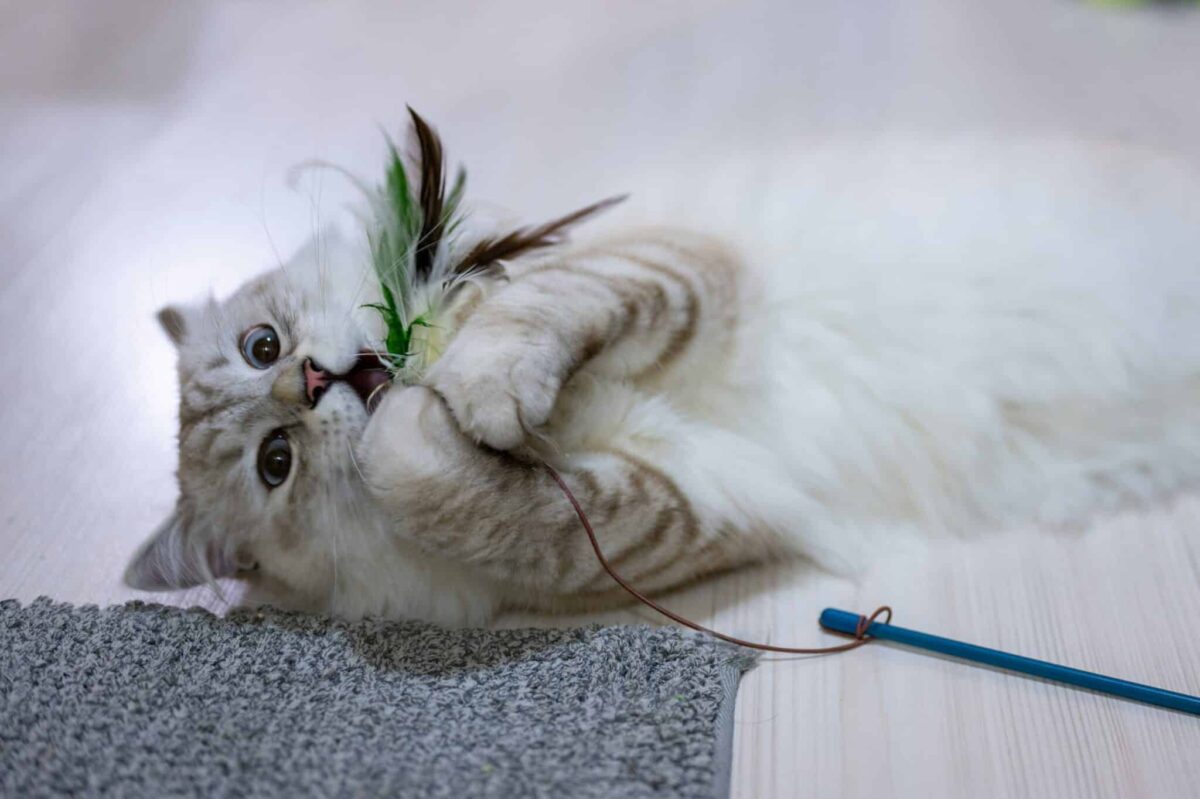
Many charming pet traditions develop organically. A cat brings a toy, the human tosses it, the cat retrieves it, and a routine is established. Each participant reinforces the other’s behavior. Eventually, the cat carries the object over specifically because past experience dictates the outcome, while the human automatically reaches for the toy upon its arrival.
Future Outlook: The Evolution of the Cat-Human Bond
As our understanding of domestic animal psychology continues to advance, the narrative surrounding feline behavior is shifting away from historical misconceptions of cats as aloof or solitary creatures. Research into feline cognition demonstrates that cats form complex, secure social bonds with their human companions, utilizing sophisticated communication repertoires that rival those of dogs.
Looking ahead, veterinary behaviorists anticipate that enrichment programs for indoor cats will increasingly focus on harnessing these natural transport and retrieval instincts. Puzzle feeders, automated moving toys, and interactive fetch games are becoming standard recommendations for mitigating feline boredom and behavioral issues. By recognizing that a toy dropped at our feet is an invitation into the cat’s rich mental and emotional world, owners can foster deeper bonds, reduce feline stress, and appreciate the unique, cooperative culture that defines the modern human-cat household.
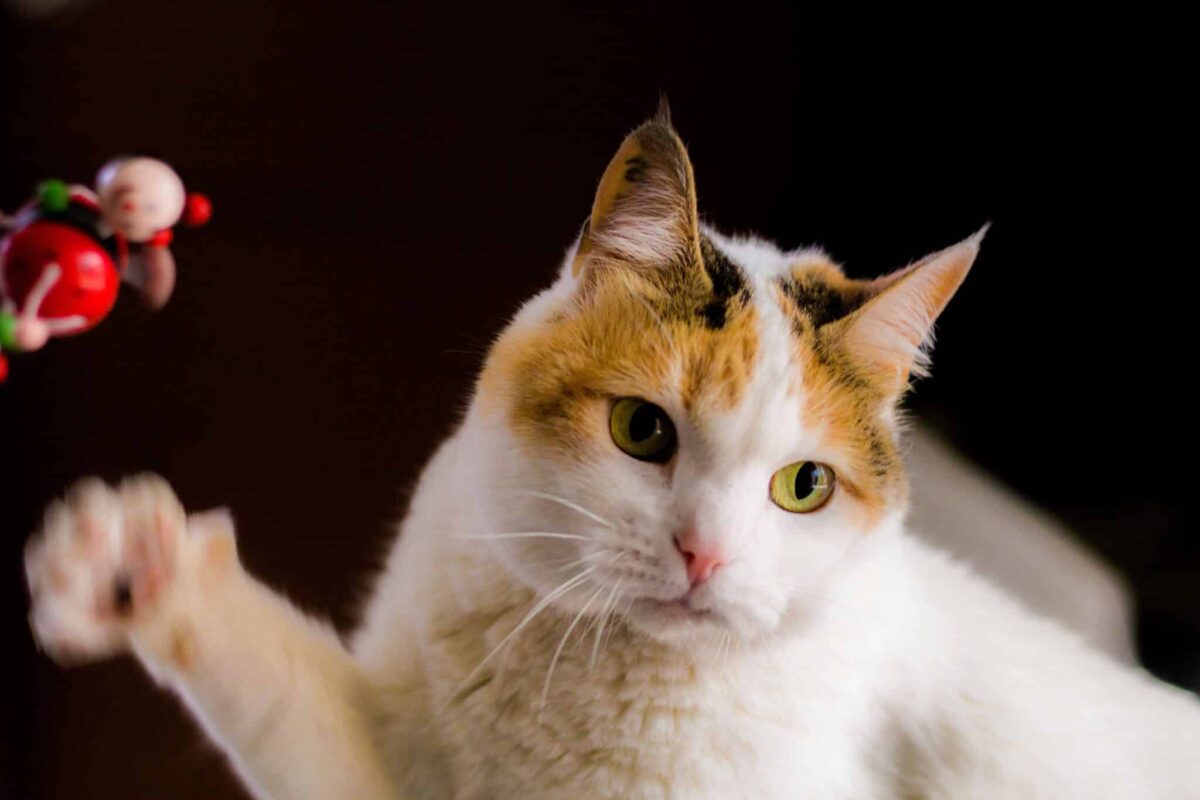
When that beloved toy next appears beside your bed or across your keyboard, remember: it is far more than a random object—it is a living bridge between two vastly different species, built on a foundation of instinct, routine, and mutual affection.