
Executive Overview
In the world of professional pet care and emergency preparedness, few names resonate as deeply as Pet Tech. For decades, the organization has stood as the gold standard for pet CPR, first aid, and emergency care training, certifying thousands of instructors, pet professionals, and devoted pet parents worldwide. However, behind the corporate milestones, comprehensive training manuals, and widespread industry recognition lies a remarkably humble genesis story—one rooted in grassroots determination, a converted two-car garage, and an extraordinary canine pioneer named Oreo.
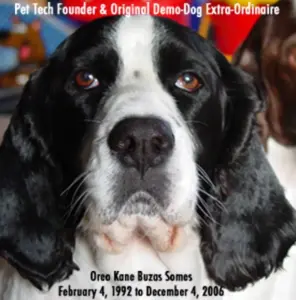
Published initially as a reflective employee retrospective by Thom Somes, the history of Pet Tech’s early days offers a fascinating window into the entrepreneurial spirit of the pet industry. At its heart, this narrative explores how a family enterprise transformed a domestic space into a corporate powerhouse, all while redefining the boundaries of animal companionship and business. Oreo was not merely a pet; she was the canine co-founder, the original demo-dog extra-ordinaire, and an indispensable marketing asset whose legacy continues to influence how pet business owners integrate their animals into professional operations.
This feature article provides an in-depth examination of Pet Tech’s formative years. Through a comprehensive exploration of the company’s chronology, the unique tax and business strategies surrounding working animals, the ingenious architectural evolution of the original headquarters, and the cultural impact of emotional support animals in professional education, we uncover how vision and passion built an industry titan from the ground up.
Detailed Chronology: From Garage Blueprint to Industry Standard
The Genesis in the Two-Car Garage
Every great Silicon Valley startup has its garage mythos—Hewlett-Packard, Apple, and Google all famously trace their roots back to suburban outbuildings. The pet care industry is no exception. In the foundational era of Pet Tech, the company’s corporate heartbeat resided inside a modest, retrofitted two-car garage.
Recognizing the need for a dedicated headquarters without incurring crippling commercial real estate debt, the founders made a pivotal decision to convert their domestic garage into a fully functional corporate office. To bring this ambitious project to life, Thom Somes flew his brother, Ken, in from Michigan. What followed was a masterclass in DIY corporate engineering.
Ken set to work transforming the cold concrete structure into a professional sanctuary. The transformation was comprehensive:
- High-grade carpeting was laid down to insulate the space and provide a comfortable, professional aesthetic.
- A television was integrated cleanly into the corner for instructional multimedia playback.
- A commanding six-foot whiteboard was mounted to the wall to facilitate strategic planning and curriculum mapping.
- Electrical wiring was entirely overhauled to support dual executive desks and a sprawling ten-foot conference table capable of accommodating visiting partners and early instructors.
The resulting workspace was an unexpected juxtaposition of suburban domesticity and cutting-edge corporate enterprise. Visitors would navigate the exterior of the home, walk past the backyard swimming pool, and pull open the door to the office, only to be met with absolute astonishment.
Eyewitness accounts from early students and partners describe walking into the space as a jaw-dropping, cinematic experience reminiscent of a television home renovation reveal. They would step inside, pause in sheer disbelief, and take in the professional environment meticulously carved out of a residential structure. Industry historians agree: without the grit, resourcefulness, and low overhead of that initial two-car garage office, Pet Tech may not have survived its critical incubation period.
Entering the Canine Co-Founder: The Rise of Oreo
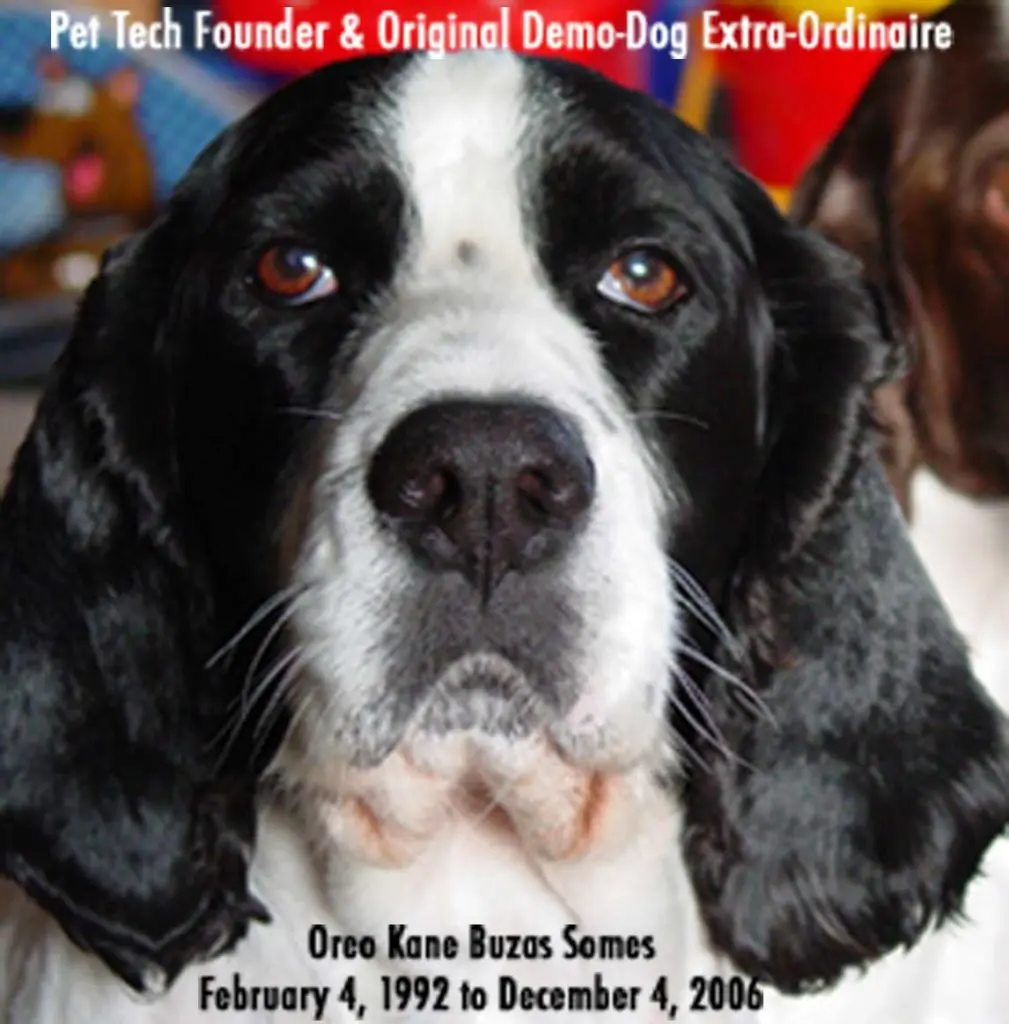
While the infrastructure of the garage office provided the physical framework for Pet Tech, the soul of the organization walked on four legs. Enter Oreo, a dog whose innate temperament and intuitive intelligence elevated her from a beloved family pet to the company’s first official Demo-Dog and undisputed Canine Co-Founder.
Oreo instinctively understood that she had a professional vocation. In an era before emotional support animals were widely recognized in corporate settings, Oreo was a trailblazer. When students arrived for training sessions—often feeling anxious, stressed, or emotionally drained from being separated from their own pets—Oreo was stationed at the door to provide an immediate, therapeutic "fur-fix."
She rotated through the classroom with purposeful grace, stopping at each student’s desk. She understood intuitively that participants needed tactile reassurance, allowing them to reach back and check her pulse as part of their hands-on medical training. When instructors demonstrated the critical Snout-To-Tail Assessment—a cornerstone of the Pet Tech curriculum—Oreo played her part with theatrical perfection, unfailingly rolling onto her back for the obligatory final belly rub once the assessment concluded.
Her dedication to the craft was fueled by straightforward incentives: high-value liver treats and smooth peanut butter. Her legendary enthusiasm for liver treats became a running joke among class cohorts. During a training session hosted at a local dog wash facility, one particularly enamored student was so moved by Oreo’s instructional patience that he walked directly into the facility’s retail store and purchased an industrial-sized, giant can of liver treats as a tribute to her hard work.
Supporting Context & Metrics: Working Animals, Taxation, and Marketing Assets
The story of Oreo transcends heartwarming anecdotes; it touches upon sophisticated business strategies available to pet industry professionals, specifically regarding the classification, marketing utility, and tax deductions associated with working animals.
The Marketing and Promotional Powerhouse
In the nascent stages of Pet Tech, marketing budgets were lean. Oreo served as the face of the brand long before digital advertising and social media algorithms dictated corporate visibility. Her photogenic nature and unwavering patience made her the ideal subject for marketing collateral.
Oreo was featured prominently in:
- Official training manuals and instructional photography.
- Promotional video modules demonstrating canine CPR and rescue breathing techniques.
- Trade show booths, industry conferences, and cross-country promotional tours, where she acted as the official mascot and corporate greeter.
By utilizing Oreo as a living embodiment of the brand’s mission, Pet Tech maximized its promotional reach with minimal capital expenditure, cementing the symbiotic relationship between pet-centric businesses and their resident animals.
Navigating the Legal and Tax Landscape of Working Pets
One of the most compelling operational insights highlighted in Pet Tech’s history is the integration of working animal expenses into standard business accounting. Because Oreo and many subsequent demo-pets utilized by Pet Tech instructors (including feline demo-assistants) are active, integral components of the educational delivery system, their upkeep transitions from personal expense to legitimate business operations.
Under established tax frameworks, business owners who utilize animals for commercial purposes—such as product testing, educational demonstrations, and corporate marketing—may be eligible to write off various associated costs. These frequently include:
- Nutritional Investment: High-quality commercial dog food, specialized veterinary diets, and operational treats (such as Oreo’s beloved liver treats) utilized during instruction.
- Healthcare and Maintenance: Routine veterinary care, preventative medications, and wellness check-ups necessary to ensure the animal is fit for public demonstration and travel.
- Quality of Life Enhancements: Crates, transport vehicles, professional grooming, interactive toys, and bedding required for travel and exhibition.
Expert Advisory Note: While the operational integration of working pets offers distinct financial advantages, corporate governance guidelines emphasize that business owners must consult certified public accountants (CPAs) and tax professionals to ensure compliance with local tax codes, proper asset classification, and the maintenance of adequate documentation proving the animal’s direct commercial utility.
Official Statements and Industry Reflections
The historical record left behind by Pet Tech’s leadership underscores the profound emotional and professional impact that working animals have on corporate culture. Thom Somes, reflecting on his chance discovery of an old photograph of Oreo while clearing digital correspondence, captured the sentiment of an entire industry:
"She was the first Demo-Dog for Pet Tech and truly the Canine Co-Founder of Pet Tech! What made her a Demo-Dog Extra-ordinaire is that she knew she had a job to do and loved every minute of it. She would greet every student as they came in class, go from student to student in class allowing them to reach back and check for her pulse and generally give our students their much needed ‘fur-fix’, since they were away from their furry family member."
This sentiment echoes through the halls of modern pet care facilities worldwide. The modern pet care professional understands that animals are not merely passive beneficiaries of service, but active participants in the education of human caretakers. When instructors incorporate demo-pets into their classrooms, they bridge the gap between abstract clinical theory and tactile, empathetic reality.
Furthermore, the physical evolution of Pet Tech—from the humble confines of the two-car garage in Michigan/California to an international authority on pet safety—serves as a testament to the power of bootstrapping and community-driven enterprise. The inclusion of family members like Ken Somes in the structural build-out highlights how early enterprises rely heavily on personal networks, shared labor, and unwavering emotional support.
Future Outlook: The Enduring Legacy of Oreo and Pet Tech
As Pet Tech continues to expand its global footprint, training new generations of pet first-aid instructors, canine rehabilitation specialists, and safety-conscious pet owners, the legacy of Oreo remains an indelible part of the corporate DNA.
The pet care industry is currently experiencing a historic boom, driven by record levels of pet ownership, increased humanization of companion animals, and a rising demand for specialized veterinary support services. In this high-tech, fast-paced environment, the core values championed by Oreo—patience, tactile connection, and intuitive service—are more vital than ever.
The narrative of the two-car garage and the liver-treat-motivated demo-dog offers a vital lesson for contemporary entrepreneurs: corporate success is not solely measured by venture capital funding or high-rise office towers. True industry leadership is forged through authenticity, deep-seated passion, and the courage to build something extraordinary from the ground up, one pawprint at a time.
For those inspired by Oreo’s journey, supporting the brands, treats, and operational tools that sustained her legacy is a fitting tribute. Whether picking up a fresh tub of premium liver treats or enrolling in a certified pet CPR course, the community continues to honor the furry pioneers who made modern pet safety education possible.