
Executive Overview
In homes around the world, a silent, meticulous investigation is perpetually underway. A kitchen cupboard swings open with an unexplained groan, a stray pen vanishes into the abyss beneath the sofa, or a sudden, clattering crash echoes from an empty hallway. In almost every instance, the household’s resident feline stands nearby, adopting an expression of absolute innocence while harboring the mind of a master tactician.
While individual temperaments fluctuate based on socialization, environment, and genetics, a distinct subset of the domestic cat population possesses an insatiable, almost pathological curiosity. Characterized by high intelligence, relentless energy, and an unyielding desire to master their environment, these breeds transform mundane domestic spaces into sprawling operational landscapes.
This investigative report examines the behavioral psychology, physiological adaptations, and distinct traits of fifteen of the world’s most inquisitive cat breeds. From the athletic prowess of the Bengal to the diminutive tenacity of the Singapura, this analysis explores why these clever felines keep their human companions in a permanent state of anticipation, constantly wondering what secret project is currently unfolding behind closed doors.
Detailed Chronology: The Evolution of Domestic Curiosity
To understand why certain cat families retain such a high-octane drive for exploration, one must trace the evolutionary timeline of Felis catus and its divergence from solitary survivalists to integrated household coordinators.
Pre-Domestication and Survival Economics (Pre-History)
Millennia before cats became beneficiaries of automated feeders and ergonomic pet beds, feline survival depended entirely on environmental mastery. Early ancestors of modern domestic cats—most notably the African wildcat (Felis lybica)—relied on hyper-awareness. Every rustle in the brush, every shift in wind direction, and every concealed burrow represented either a meal or a threat. Curiosity was not a playful trait; it was an evolutionary imperative. Cats that failed to investigate novel stimuli failed to locate prey or evade predators.
The Human-Feline Partnership (circa 9,000 BCE – Industrial Era)
As agrarian societies developed, cats transitioned from wild hunters to agricultural partners, keeping granaries clear of rodents. During this epoch, human tolerance favored felines that were bold enough to dwell near human settlements yet efficient enough to manage pest populations. Breeds that showed higher intelligence and adaptability began to anchor themselves in human history, eventually giving rise to ancient regional variations, such as the sacred cats of Egypt and the temple guardians of Southeast Asia.
Modern Breed Standardization and the Engineering of Cognition (19th Century – Present)
With the advent of formal cat fancying in Victorian England and its subsequent global expansion, feline breeding transformed from a localized craft into a precise science. Breeders began selecting for specific physical and behavioral phenotypes.
In lineages like the Siamese, Abyssinian, and later hybrid programs involving wild felids (such as the Asian leopard cat and the serval), traits like high mental acuity, vocal communication, and extreme athleticism were intentionally preserved. The modern result is a collection of breeds that possess the predatory drive of their ancestors coupled with the complex cognitive capacity required to navigate human architecture, appliances, and closed doors.
Supporting Context & Metrics: The Anatomy of Feline Inquisitiveness
Feline curiosity is not merely a personality quirk; it is driven by distinct anatomical features and psychological frameworks. Understanding these metrics helps illuminate why certain breeds excel at domestic mischief.
Cognitive Metrics and Problem-Solving
Studies in animal cognition reveal that domestic cats possess object permanence—the understanding that objects continue to exist even when hidden from view. Highly curious breeds exhibit advanced manifestations of this trait:
- Memory Retention: Breeds like the Abyssinian and Oriental Shorthair demonstrate superior short-term spatial memory, enabling them to track the exact location of moving prey or hidden treats.
- Causality Understanding: Certain cats can learn cause-and-effect mechanisms rapidly, such as depressing levers, opening latch-style doors, or knocking items off counters specifically to test acoustic or physical reactions.
Physical Adaptations for Exploration
Curiosity requires mobility. The breeds profiled in this report share specific physical adaptations that facilitate their investigative habits:
| Breed Characteristic | Primary Physical Advantage | Associated Investigative Behavior |
|---|---|---|
| Hindlimb Strength | Powerful, elongated rear legs (e.g., Savannah, Turkish Van, Manx) | Launching vertical expeditions to high shelves and refrigerator tops. |
| Agile Frame | Slender, muscular bodies with flexible spines (e.g., Cornish Rex, Devon Rex, Abyssinian) | Squeezing into tight gaps, behind appliances, and inside cabinets. |
| Auricular Sensitivity | Enlarged pinnae (outer ears) (e.g., Oriental Shorthair, Sphynx, Siamese) | Detecting microscopic sounds, plumbing shifts, and packaging crinkles from afar. |
| Tactile Coats | Wavy, sparse, or missing fur coats (e.g., Devon Rex, Cornish Rex, Sphynx) | Seeking thermal gradients, leading to intense investigations of laptops, warm laundry, and radiators. |
Breed Profiles: The Masterminds of Domestic Chaos
1. Bengal
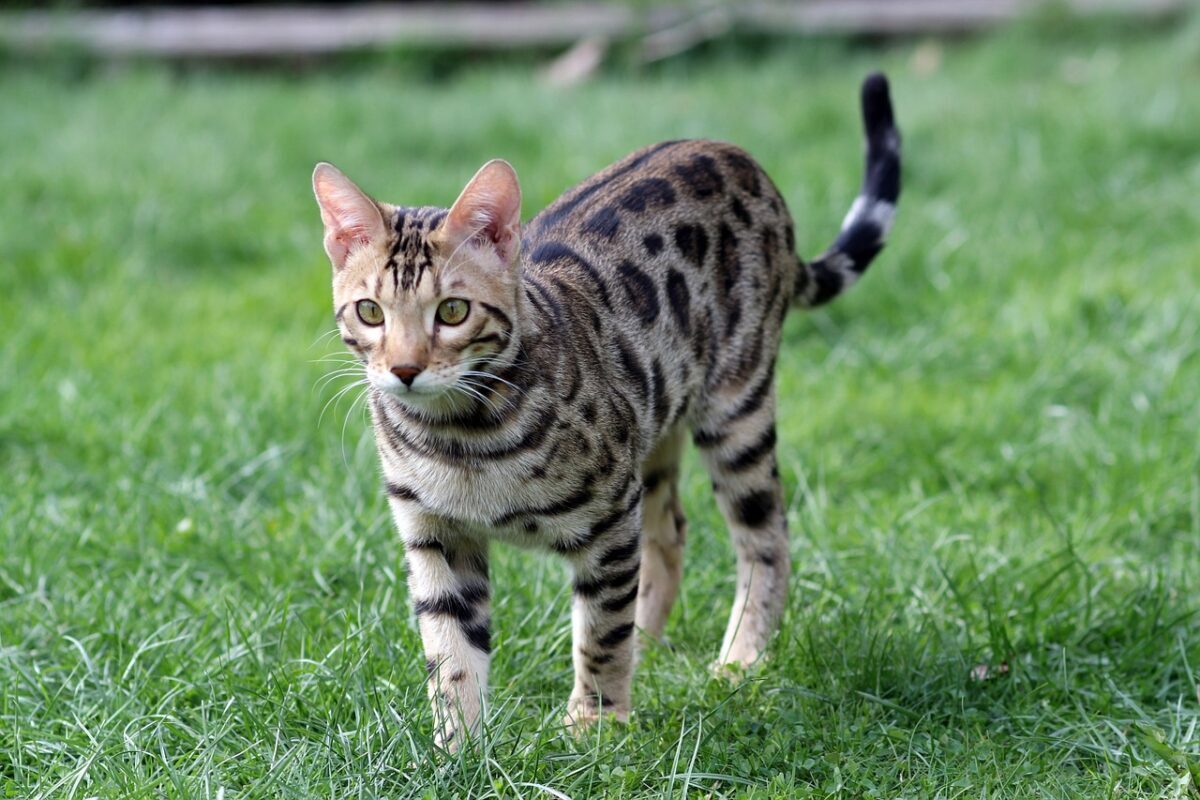
Few breeds make curiosity look quite as athletic as the Bengal. Intelligent, energetic, and intensely driven by their environment, Bengals frequently enjoy climbing, chasing, and interactive play that tests both mind and muscle. Their lineage includes the Asian leopard cat (Prionailurus bengalensis), and while responsibly bred Bengals are affectionate domestic companions, their bold appearance is matched by an unquenchable appetite for activity.
Many Bengals learn complex fetch games, scale vertical spaces, and audit household routines with remarkable persistence. Without environmental enrichment, a bored Bengal will channel its creativity into opening closed cabinets, dismantling unattended objects, and treating unexplored high shelves as primary research opportunities.
2. Abyssinian
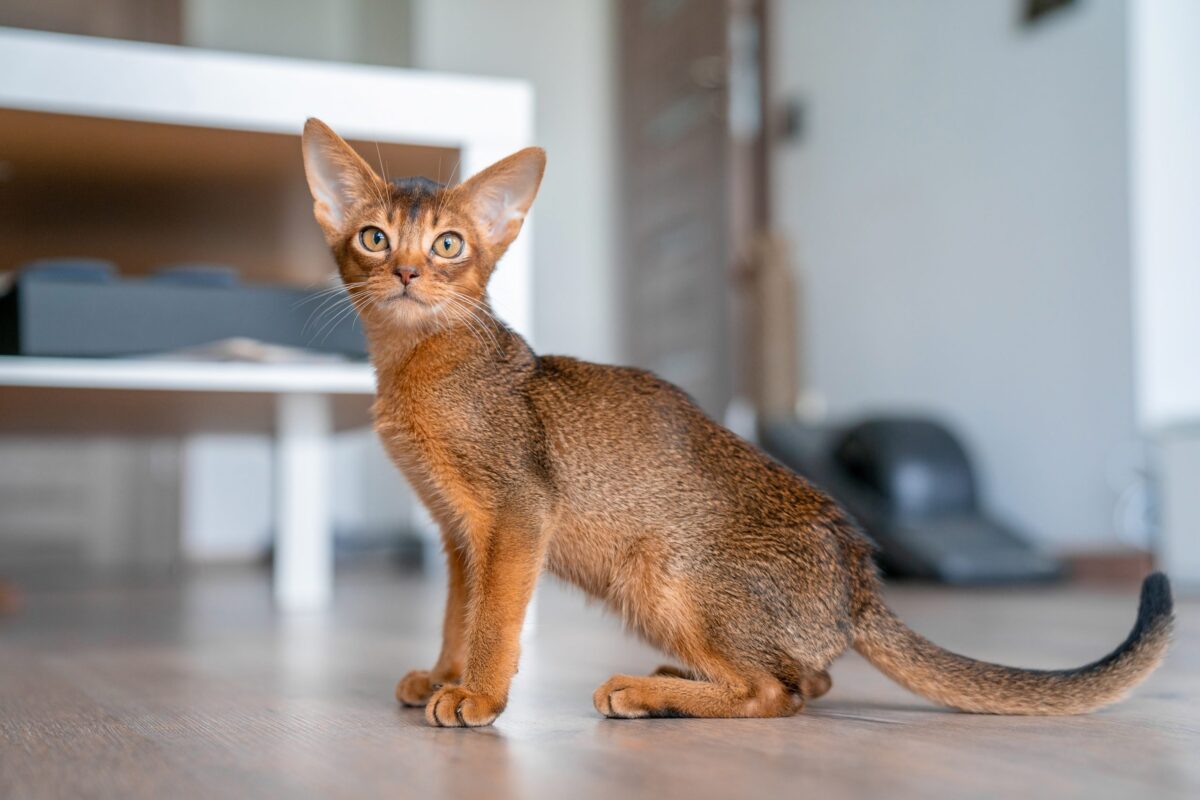
Sitting quietly on the sidelines is antithetical to the Abyssinian temperament. Celebrated for high intelligence and an athletic build, Abyssinians treat every room as a terrain to be mapped. They prefer elevated observation points and frequently participate directly in human chores rather than watching from afar. Their slender, agile bodies make vertical exploration effortless. When combined with puzzle feeders and regular play sessions, their physical confidence creates a cat that appears perpetually occupied with an urgent assignment nobody else authorized.
3. Siamese
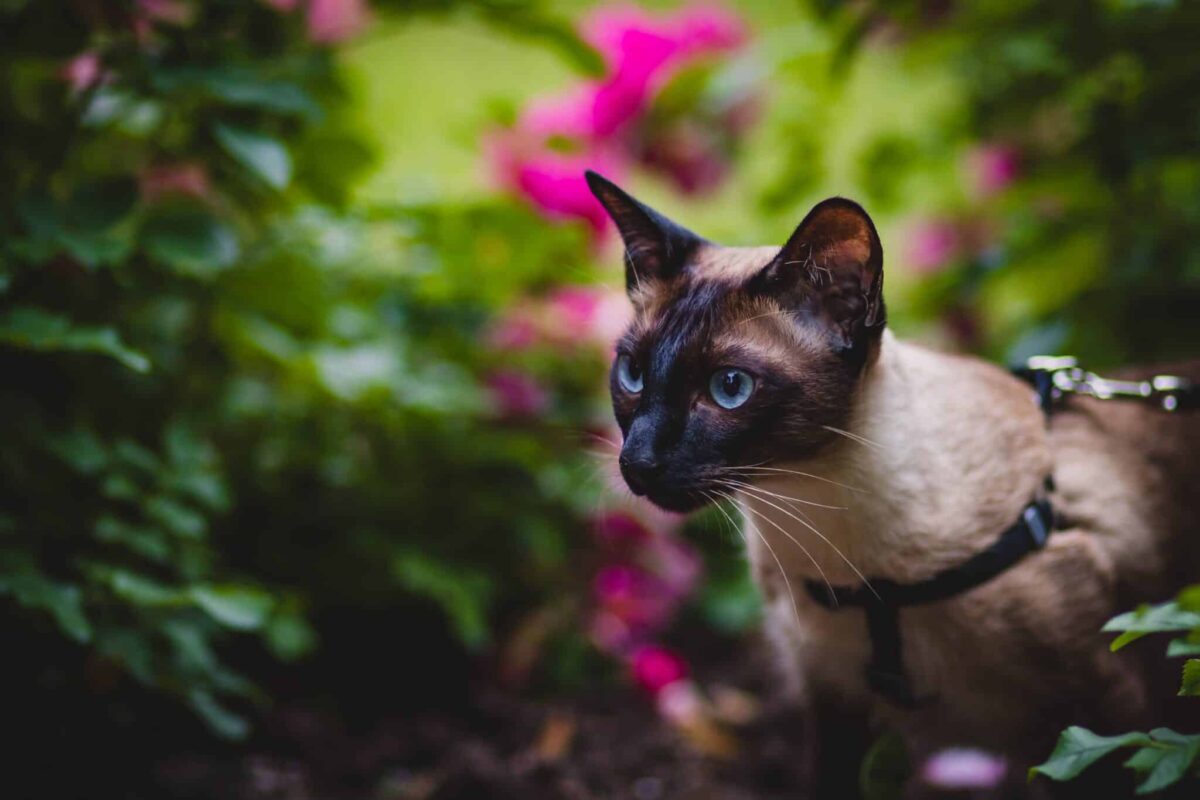
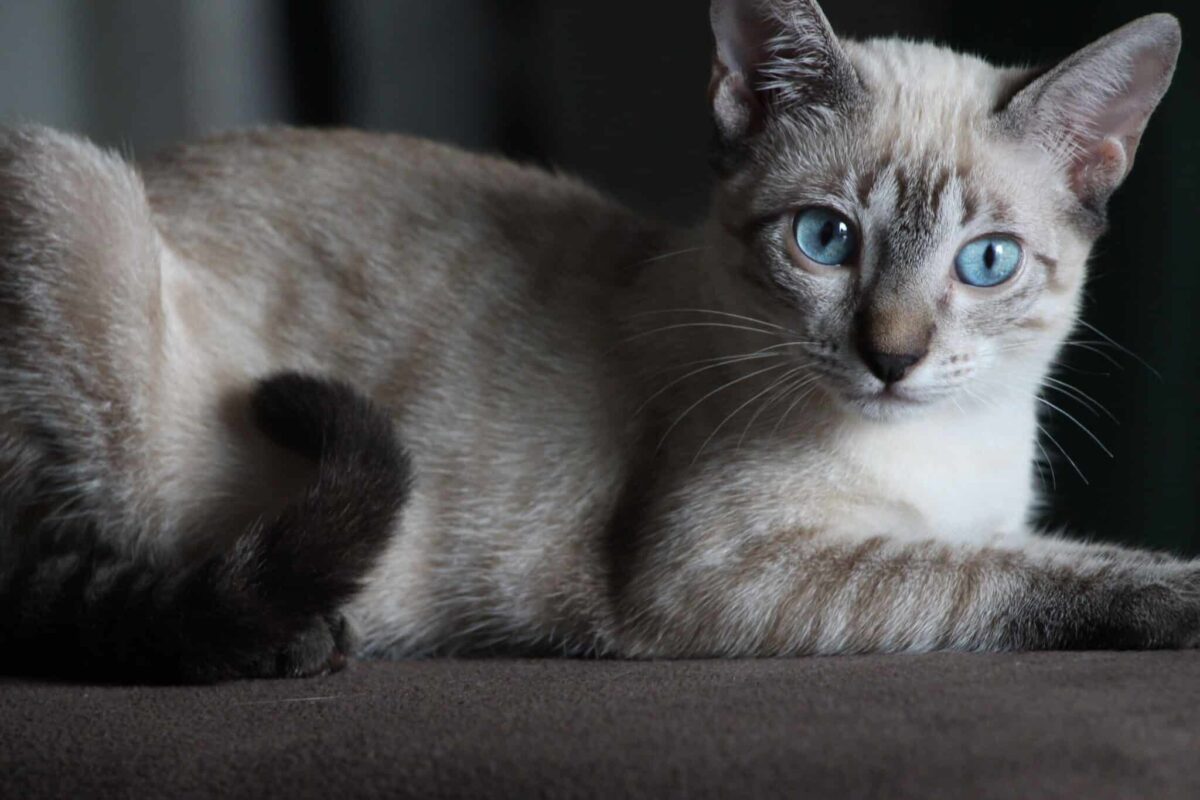
A Siamese rarely causes trouble in silence. Social, deeply intelligent, active, and famously vocal, these cats narrate their investigations in real-time. They excel at learning household routines, solving interactive puzzles, and supervising human activities step-by-step. Their high intelligence means repetitive stimulation quickly loses appeal, necessitating dynamic toys and training games. If a Siamese discovers a reliable method to capture human attention, the behavior quickly solidifies into a permanent household ritual, complete with verbal status reports.
4. Devon Rex
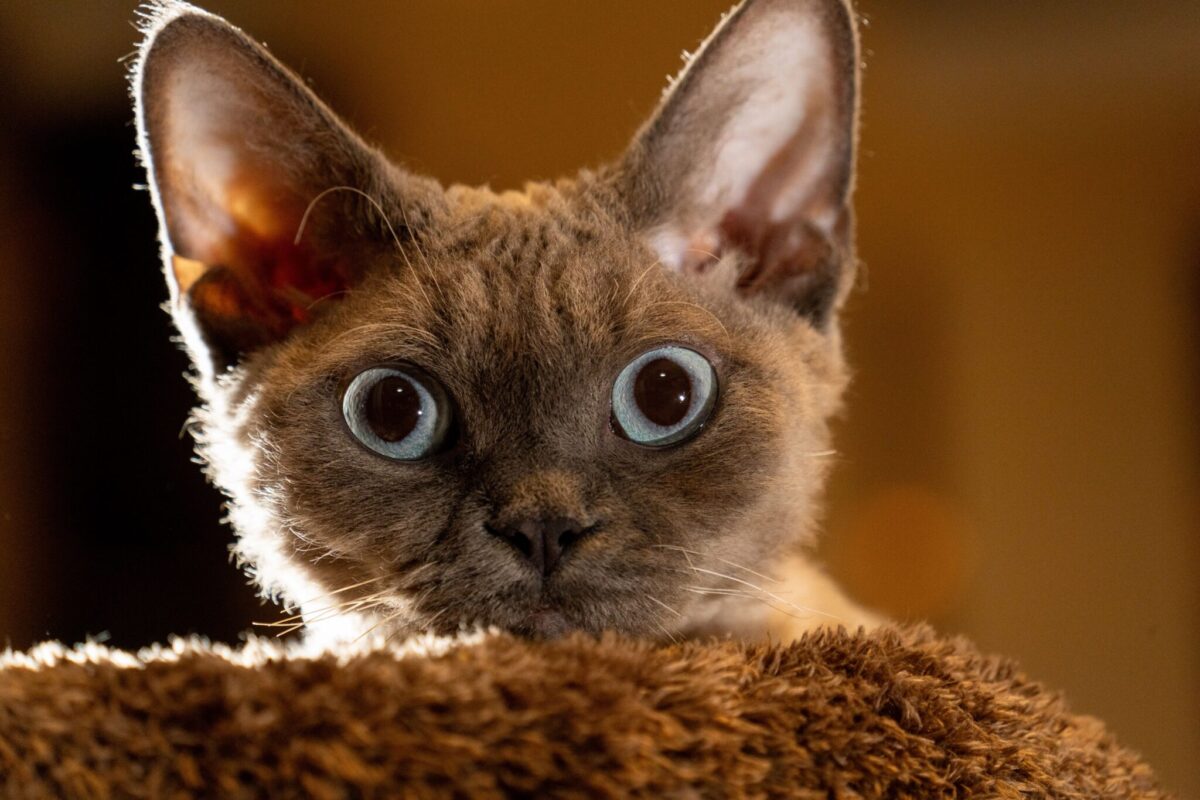
With enormous, radar-dish ears and expressive eyes, the Devon Rex possesses a permanently inquisitive countenance that matches its internal drive. These people-oriented companions demand total involvement in household life. Their agile bodies carry them onto unexpected surfaces, while their sharp intellect encourages them to breach areas humans assume are safely out of reach. When a Devon Rex vanishes, checking warm appliances, high perches, or inaccessible nooks usually solves the mystery instantly.
5. Cornish Rex
Built with long legs, a whippet-like frame, and a distinctive marcel-waved coat, the Cornish Rex looks ready for motion even at rest. This breed maintains kitten-like athleticism and curiosity well into adulthood. Running, leaping, and complex chasing games satisfy their mental and physical requirements. Because they crave human engagement, their exploratory expeditions typically unfold directly in the center of family activity, turning the entire living room into an obstacle course.
6. Japanese Bobtail
Distinguished by their unique pom-pom tail, Japanese Bobtails possess a lively, extroverted personality. Highly social and intelligent, they frequently master toy retrieval and carry objects from room to room, establishing structured play routines with their owners. Any shift in the household environment—a new delivery box, an unfamiliar sound, or rearranged furniture—demands their immediate inspection. They make ordinary afternoons feel remarkably eventful simply by insisting that every object deserves a hands-on review.
7. Burmese
Burmese cats refuse to be distant spectators. Renowned for their sociability, heavy-set muscular build, and human-centric focus, Burmese felines treat chores, conversations, and computer work as collaborative projects. They remain playful and agile throughout adulthood. Providing robust climbing options and engaging play helps satisfy a breed that otherwise assumes its human companions clearly require managerial oversight.
8. Turkish Van
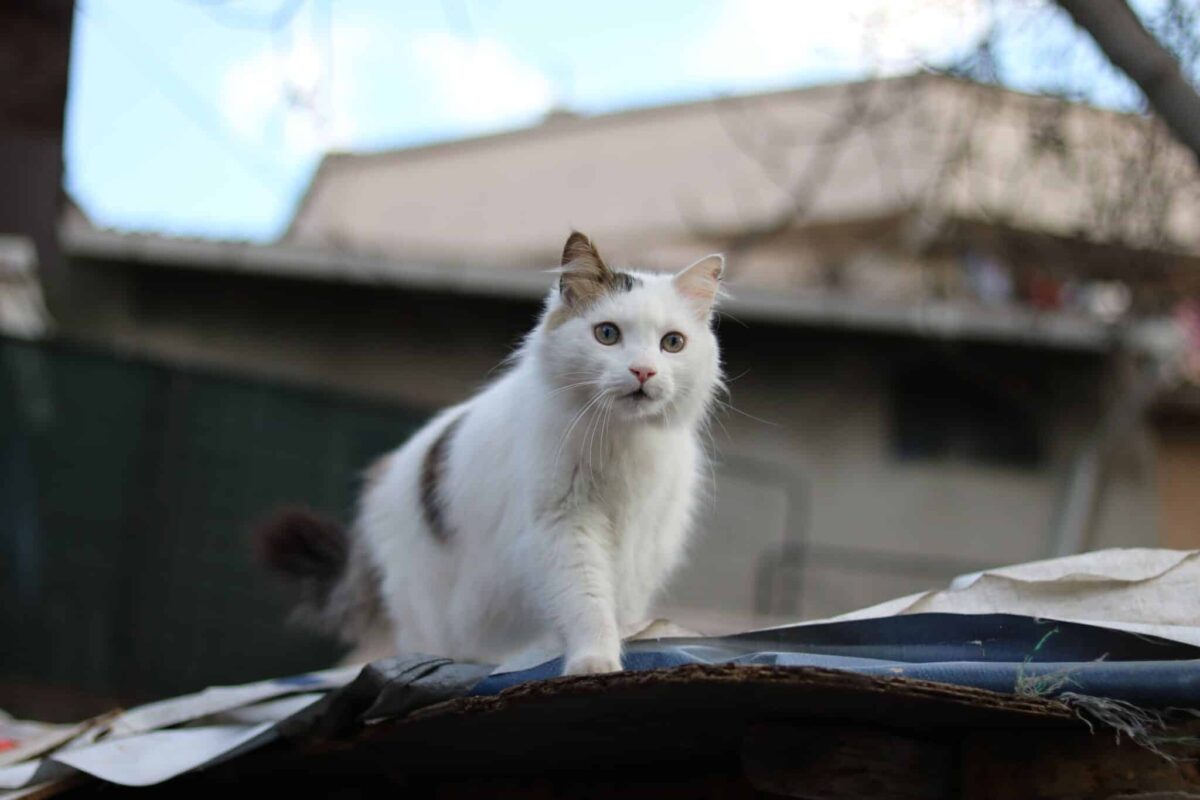
Endowed with powerful hindquarters and an adventurous spirit, the Turkish Van is a powerhouse of feline athleticism. These cats possess the physical tools to conquer high vertical territory with absolute confidence. Famously associated with an affinity for water, individual Turkish Vans often investigate dripping faucets and splashing water sources. When interesting noises occur above floor level, a Turkish Van is usually airborne before anyone else realizes an expedition has begun.
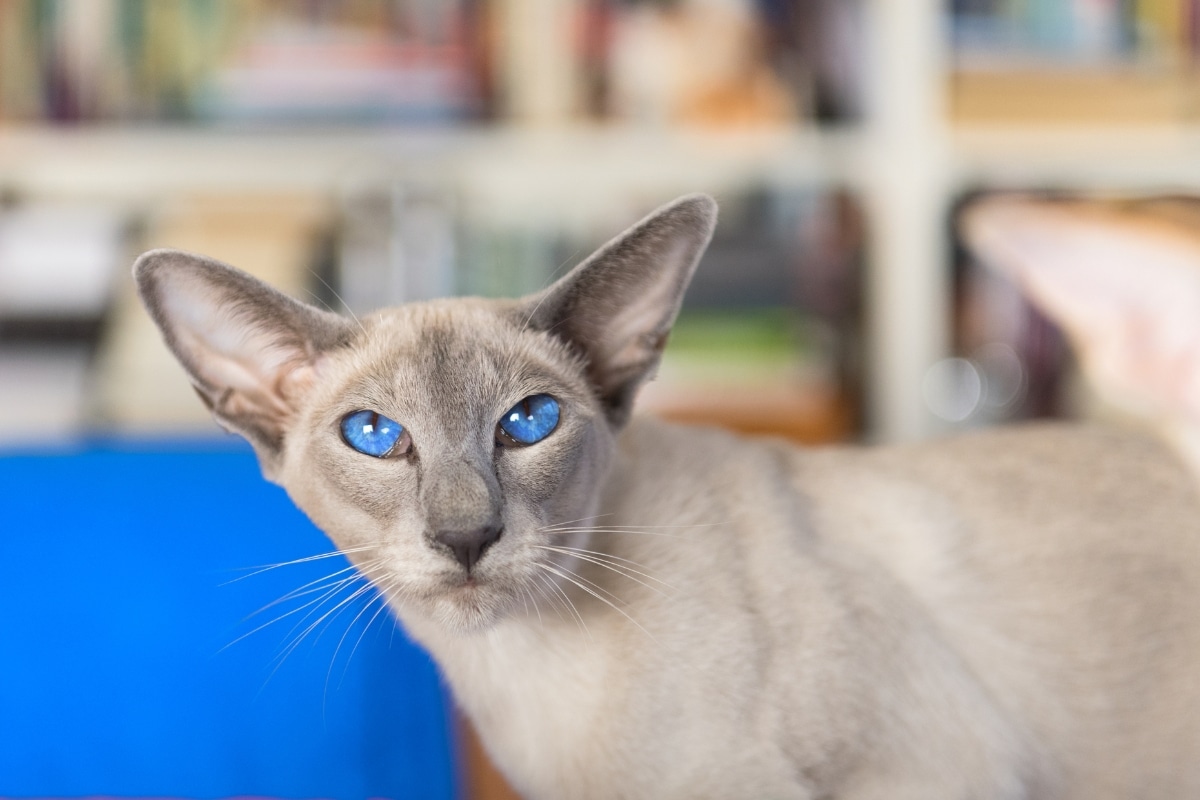
9. Oriental Shorthair
Boasting oversized ears and an intensely alert expression, the Oriental Shorthair looks perpetually prepared to intercept every piece of household data. Closely related to the Siamese, this breed thrives on social interaction, vocal communication, and nonstop investigation. Long stretches of isolation frustrate their active minds. Puzzle toys, clicker training, and interactive play are mandatory to keep an Oriental Shorthair from volunteering as the household’s chief inspector of closed doors.
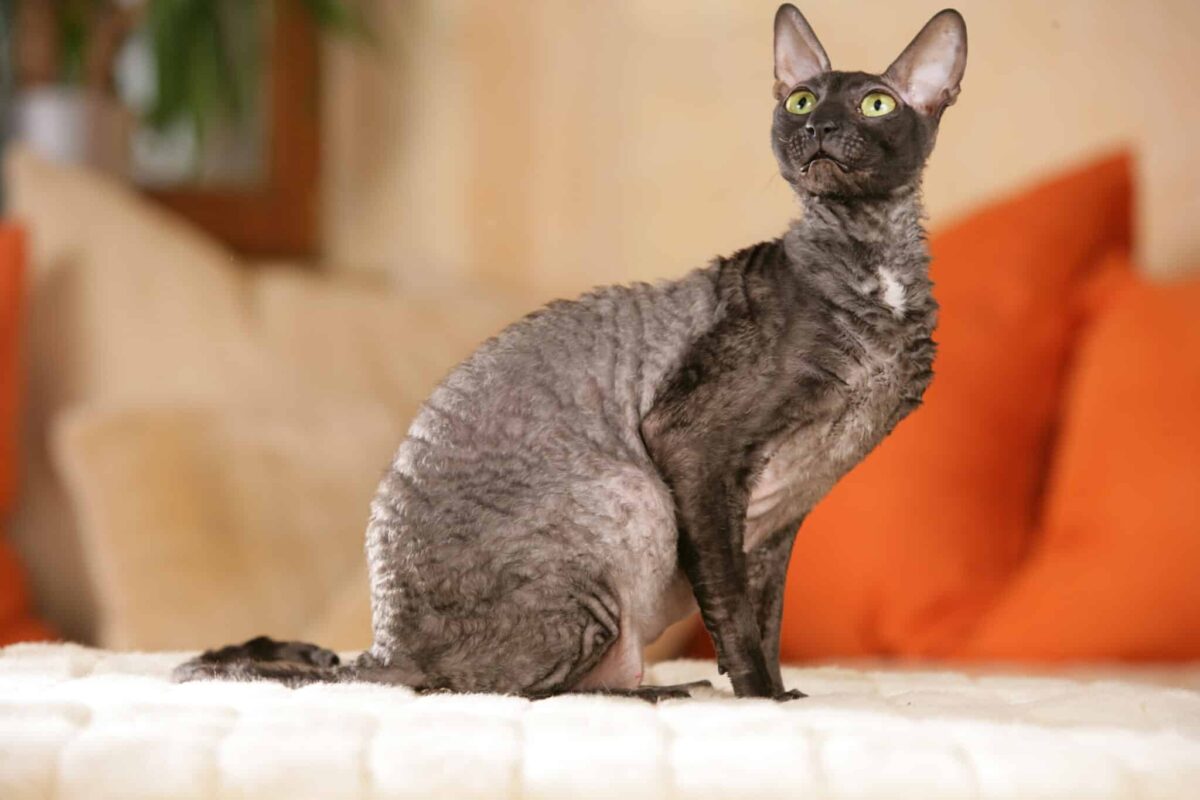
10. Sphynx
Though celebrated primarily for their hairless appearance, Sphynx cats possess an equally arresting personality. Energetic, intensely social, and driven by a constant search for thermal comfort, Sphynx felines integrate themselves directly into daily life. They navigate laps, blankets, and high furniture with gymnastic flair. Because their sparse coats offer minimal insulation, indoor climate and skin maintenance require care, but their drive for exploration ensures they are always tracking down the warmest and most interesting spot in the house.
11. Savannah
The Savannah pairs striking wild aesthetics with immense intelligence and high energy. Developed from crosses between servals and domestic cats, Savannahs require experienced guardianship and compliance with local ownership regulations. Their long limbs and explosive jumping power allow them to clear impressive vertical hurdles. Providing substantial environmental enrichment is critical. In an appropriate, secure environment, their athletic capability and razor-sharp intellect create a companion perpetually primed for advanced challenges.
12. Manx
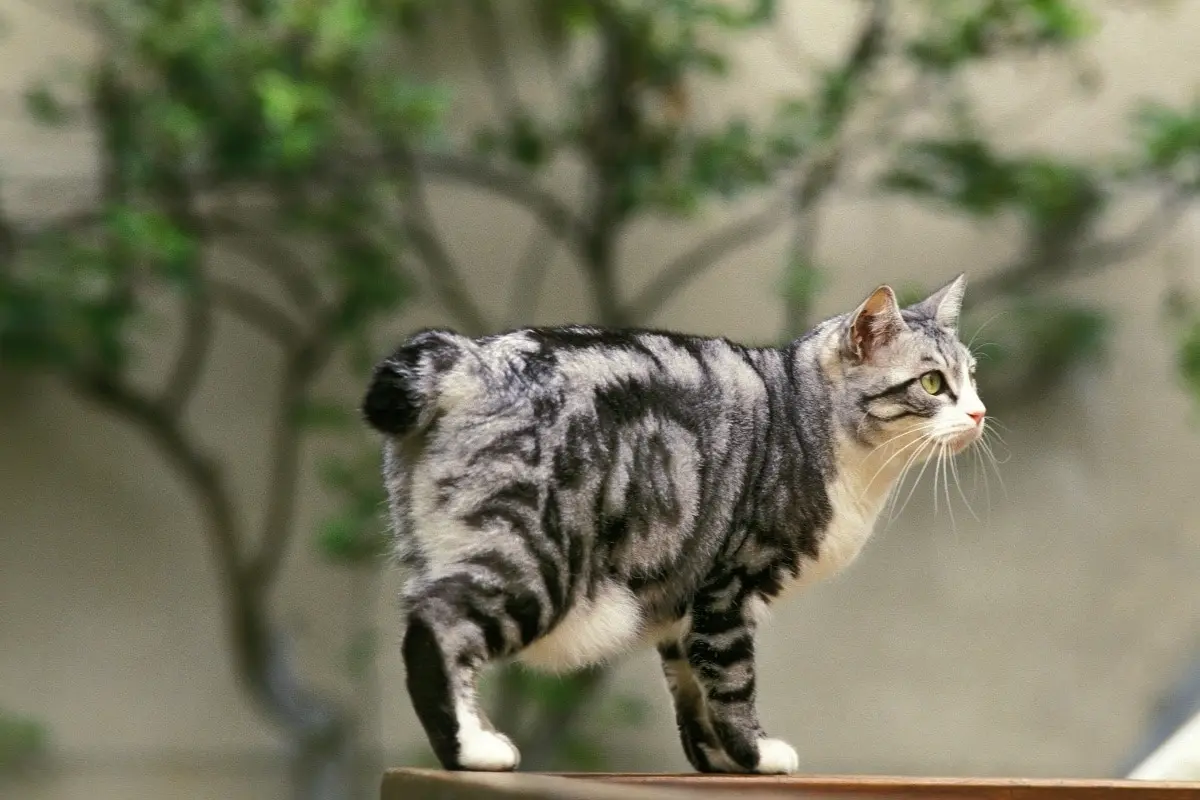
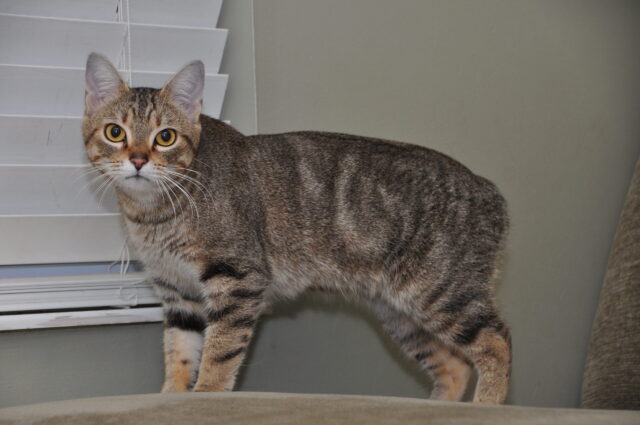
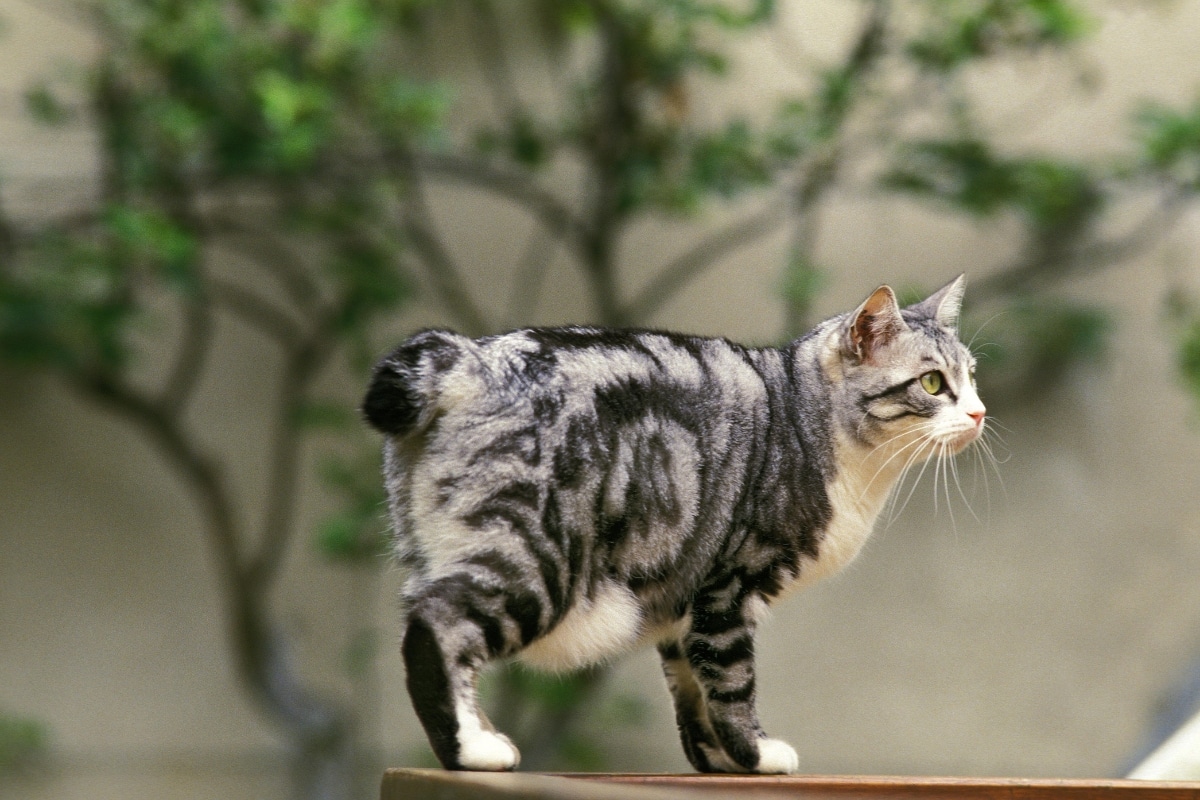
Instantly recognizable by their characteristic taillessness, Manx cats balance this unique silhouette with a robust, playful disposition. Strong hindquarters give them exceptional leaping power, and their inquisitive nature drives them to inspect every corner of the home. Some Manx individuals master complex fetching routines. While responsible breeding is vital to avoid health issues linked to the tailless gene, a healthy Manx uses its intelligence and agility to stay endlessly occupied.
13. Ocicat
The Ocicat projects the image of a wild predator, yet the breed is entirely domestic in origin. A heavily spotted coat conceals a muscular body driven by confident, active curiosity. Ocicats master interactive games and possess formidable persistence when investigating novel objects. Providing puzzle feeders and climbing structures channels their drive into productive outlets, transforming what might look like a wild poaching expedition into a harmless game of tracking down a misplaced toy mouse.
14. Somali
Beneath the Somali’s magnificent, plumed tail lies a hyper-active, brilliant mind. Closely related to the Abyssinian, Somalis are agile climbers and relentless problem solvers. They observe household mechanics from high perches before deciding that direct, paws-on participation is mandatory. Rotating puzzle toys and vertical territory are essential to ensure their next brilliant concept involves approved entertainment rather than reorganizing the family bookshelf.
15. Singapura
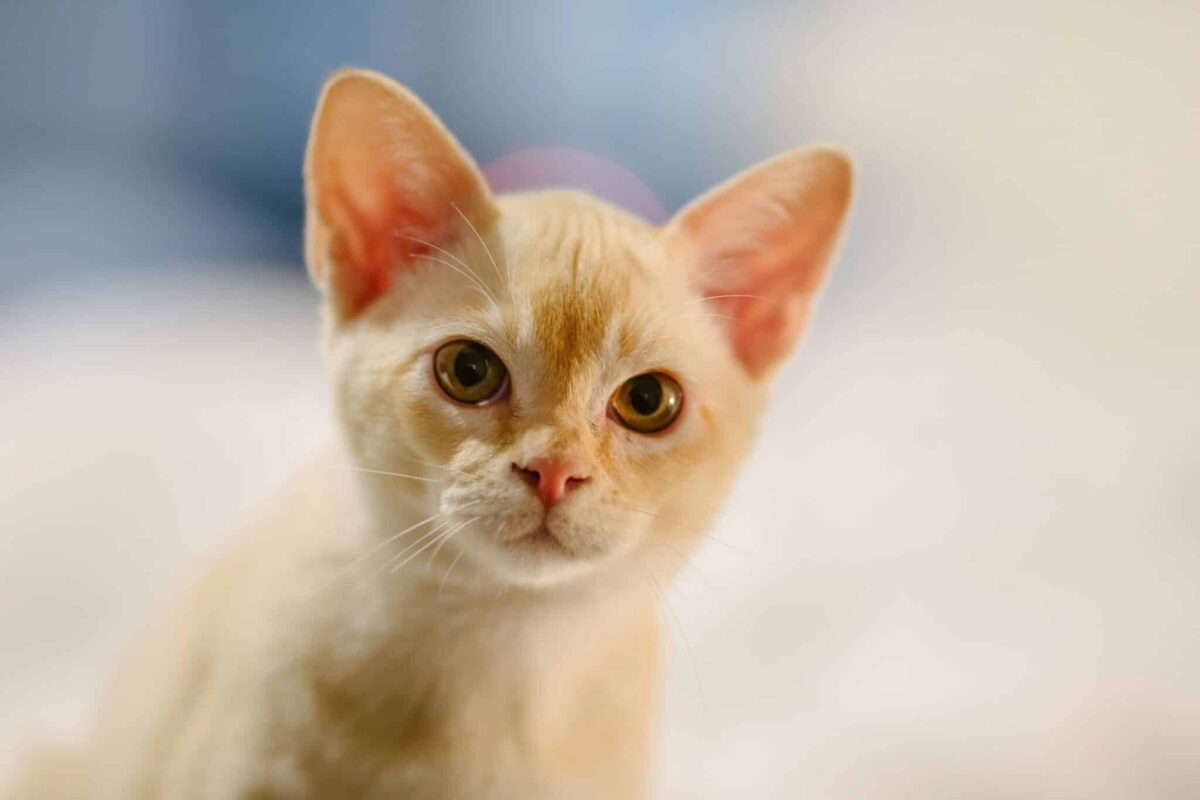
Being one of the smallest recognized cat breeds does not curb the Singapura’s immense curiosity. Characterized by large, luminous eyes and an active demeanor, Singapuras investigate their surroundings with solemn dedication. Their compact size allows them to access tight spaces inaccessible to larger breeds. Frequent engagement, safe climbing perches, and interactive toys satisfy a fiery spirit that proves feline mischief scales inversely with body weight.
Official Statements & Expert Veterinary Insights
To contextualize these behavioral patterns, leading feline behaviorists and veterinarians emphasize the necessity of constructive engagement.
"When a client reports destructive behavior—such as opening drawers or knocking items off counters—our first step is not to medicate or punish, but to evaluate cognitive fulfillment," notes Dr. Elena Vance, a board-certified veterinary behaviorist. "Breeds with high curiosity quotients, such as Bengals, Abyssinians, and Orientals, are simply executing their evolutionary programming in a sterile indoor environment. If we do not provide puzzles, climbing structures, and interactive play, they will invent their own tasks, which humans frequently label as ‘mischief.’"
Furthermore, animal welfare organizations stress that ownership of high-drive breeds requires a commitment to environmental enrichment.
"The modern indoor cat lives in a sensory-deprived world compared to their outdoor ancestors," explains feline welfare advocate Marcus Thorne. "For high-energy, clever breeds, a house with closed doors and blank walls is a psychological prison. Investing in vertical territory, food-dispensing puzzles, and daily interactive hunting play sessions is mandatory for maintaining emotional and physical equilibrium."
Future Outlook: The Intersection of Feline Cognition and Modern Living
As urban living spaces continue to compact and human schedules grow increasingly demanding, the dynamic between highly inquisitive cat breeds and their human guardians is evolving.
The future of feline care points toward advanced environmental enrichment. The integration of automated, app-controlled puzzle feeders, motion-activated laser toys, and complex modular catios (cat patios) allows high-energy breeds to safely exercise their predatory and investigative instincts. Furthermore, ongoing genetic and behavioral research continues to shed light on how feline cognitive architecture processes domestic stressors, paving the way for targeted enrichment protocols.
Ultimately, living with a curious cat requires a paradigm shift: viewing unauthorized investigations not as behavioral flaws, but as expressions of a brilliant, active mind. By understanding the evolutionary and physiological drivers behind these fifteen remarkable breeds, cat guardians can transform potential destruction into harmonious, shared adventure, ensuring that the household’s unofficial mischief department remains a source of endless fascination rather than frustration.
This journalistic report was developed with research assistance and edited by the iHeartCats editorial team.