
September 17, 2026
By Jennifer Serling, MVEd, BVSc, AAS, CVT, RVT, VTES
Executive Overview
In the high-pressure ecosystem of veterinary medicine, the boundary between life and death is often measured in seconds. When a critically ill or traumatically injured animal arrives at an emergency room, the immediate response of the medical team dictates the trajectory of survival. At the vanguard of this demanding discipline are Veterinary Technician Specialists in Emergency and Critical Care (VTS-ECC). These elite professionals are not merely assistants; they are advanced clinicians, master triage strategists, and pharmacological experts capable of stabilizing chaotic, life-threatening scenarios under intense pressure.
This report examines the indispensable role of VTS-ECC technicians, drawing insights from industry stalwarts Becky Roesler, MVSc, RVT, VTS (ECC), and Ann Wortinger, BIS, LVT, VTS (ECC)-R, (SAIM) (Nutrition), FFCP (Shelter), FVTE. Through an exploration of their daily realities, advanced competencies, and the evolving landscape of veterinary emergency medicine, this article highlights why specialized technical expertise is the cornerstone of modern animal healthcare.
+-----------------------------------------------------------------+
|                   THE TRIAGE-TO-SURVIVAL PIPELINE               |
+-----------------------------------------------------------------+
|  1. Immediate Assessment (ABCDE Framework)                      |
|  2. Rapid Vascular Access & Fluid Resuscitation                 |
|  3. Advanced Monitoring (ECG, Capnography, Blood Gas)           |
|  4. Pharmacological Intervention & Titration                    |
|  5. Continuous Post-Resuscitation Nursing Care                  |
+-----------------------------------------------------------------+
As veterinary medicine evolves to match human medical standards, the demand for credentialed specialists who can bridge the gap between veterinarians and general nursing staff has never been higher. VTS-ECC technicians represent the pinnacle of this evolution, combining rigorous academic knowledge with ironclad composure in the face of crisis.
Detailed Chronology: A Day in the Life of an ECC Specialist
To understand the weight of veterinary emergency medicine, one must examine the shifting operational rhythm of a 24/7 critical care facility. The following reconstructed chronology outlines a typical high-intensity shift for a senior VTS-ECC clinician.
07:00 – The Handover and Morning Rounds
The shift begins before the sun rises, with the rigorous transfer of information from the overnight team. In the ICU, every patient is a complex puzzle.
- Patient A: A canine post-gastric dilatation-volvulus (GDV) surgical recovery requiring constant heart rhythm monitoring for lethal ventricular arrhythmias.
- Patient B: A feline urethral obstruction case with severe hyperkalemia, needing precise electrolyte tracking and aggressive diuresis.
Roesler and Wortinger emphasize that morning rounds are not merely status updates; they are tactical planning sessions. VTS-ECC technicians analyze trends in blood pressure, urine output, and pain scores to anticipate crises before they fully manifest.
11:30 – The Trauma Code
The emergency doors fly open. A canine patient has been struck by a motor vehicle. Triage must occur in under 60 seconds using the primary survey framework (Airway, Breathing, Circulation, Disability, Exposure).
[Patient Arrival]
       │
       ▼ (60-Second Triage)
┌──────────────┬──────────────┬──────────────┐
│  AIRWAY      │  BREATHING   │ CIRCULATION  │
│  Patency &   │  Effort &    │ Pulse Quality│
│  Intubation  │  SpO2 Levels │ & Lactate    │
└──────────────┴──────────────┴──────────────┘
An experienced VTS-ECC technician immediately secures intravenous or intraosseous access, draws baseline emergency blood panels (including packed cell volume, total solids, and venous blood gas), and prepares rapid-infusion pressure bags. While the veterinarian determines the surgical or medical plan, the VTS-ECC orchestrates the resuscitation bay, ensuring every team member operates with synchronized precision.
15:00 – Advanced Diagnostics and Mechanical Ventilation
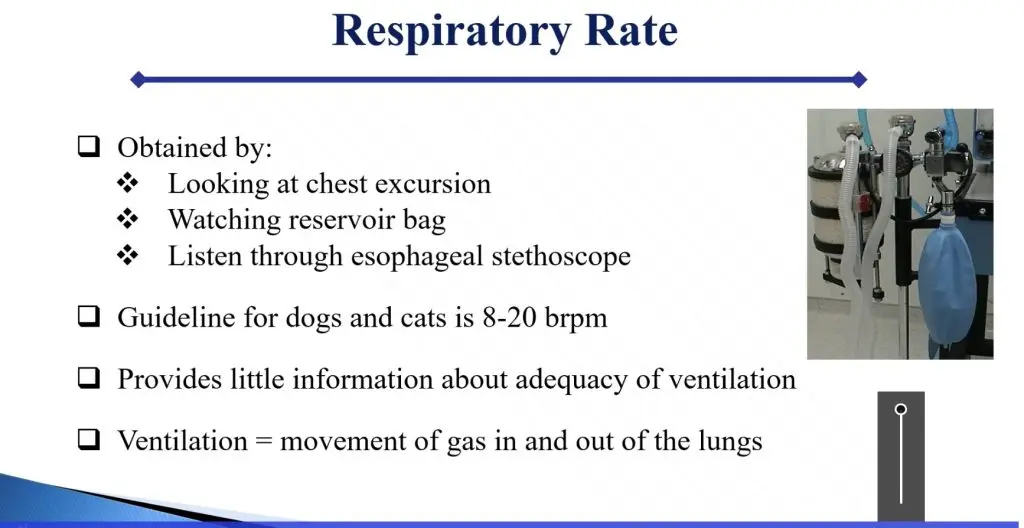
By mid-afternoon, the immediate adrenaline of the morning trauma gives way to the meticulous management of mechanically ventilated patients. Acute respiratory distress syndrome (ARDS) or severe upper airway trauma often necessitates placing a patient on a mechanical ventilator.
A VTS-ECC technician manages ventilator settings, monitors end-tidal carbon dioxide (EtCO2), performs sterile endotracheal suctioning, and prevents ventilator-associated pneumonia. This level of intervention requires an intimate understanding of pulmonary mechanics, blood gas interpretation, and acid-base balance.
21:00 – Stabilization, Client Communication, and Handover
As the night approaches, the focus shifts to stabilization and emotional support. Emergency care is as much about human psychology as it is about animal physiology. VTS-ECC technicians frequently serve as the primary communication bridge between terrified pet owners and busy emergency clinicians, translating complex medical jargon into compassionate, actionable updates while managing the intensive nursing needs of critical patients overnight.
Supporting Context & Metrics: The Anatomy of Emergency Competency
The path to achieving VTS (ECC) status is arduous, requiring thousands of hours of documented clinical practice, advanced case logs, letters of recommendation, and the successful completion of a rigorous board examination.
The Pillars of VTS-ECC Expertise
According to industry data, veterinary technicians holding specialized certifications in emergency and critical care master a diverse array of advanced clinical competencies:
- Hemodynamic Monitoring: Mastery of central venous pressure (CVP) measurement, invasive arterial blood pressure monitoring, and point-of-care ultrasound (POCUS) integration.
- Advanced Pharmacology: Comprehensive knowledge of continuous-rate infusions (CRIs) for vasoactive drugs (e.g., dopamine, dobutamine, norepinephrine), antiarrhythmics, and constant analgesic titrations.
- Critical Nutrition: Designing and maintaining enteral and parenteral nutritional support plans for catabolic, critically ill patients—an area where veteran specialist Ann Wortinger holds profound academic and clinical renown.
- Infectious Disease and Biosecurity: Implementing rigorous isolation protocols in shelter and hospital environments to prevent nosocomial infections among immunocompromised patients.
+-------------------------------------------------------------------+
|               CORE COMPETENCIES OF A VTS-ECC TECHNICIAN           |
+-------------------------------------------------------------------+
|  • Hemodynamic Monitoring (Arterial Lines, POCUS, CVP)            |
|  • Advanced Pharmacological CRI Management                        |
|  • Mechanical Ventilation & Airway Management                     |
|  • Emergency Triage & Rapid Resuscitation Protocols               |
|  • Critical Nutritional Support (Enteral & Parenteral)            |
+-------------------------------------------------------------------+
The Impact of Specialization on Patient Outcomes
Clinical audits across emergency veterinary networks consistently reveal that facilities employing credentialed VTS-ECC technicians experience higher rates of successful cardiopulmonary resuscitation (CPR), lower rates of medication administration errors, and significantly improved post-operative survival curves for complex trauma cases. When every fraction of a milligram of emergency drug counts, specialized training eliminates hesitation.
Official Perspectives: Insights from Industry Leaders
The dedication required to sustain a career in veterinary emergency and critical care is profound. Two prominent voices in the specialty—Becky Roesler and Ann Wortinger—reflect on the evolution, challenges, and fulfillment found within the discipline.
Becky Roesler, MVSc, RVT, VTS (ECC)
With over a decade dedicated to the high-stakes theater of emergency medicine, Becky Roesler has witnessed firsthand the paradigm shift in how veterinary technicians are utilized in clinical settings.
"Emergency medicine is not a place for autopilot," Roesler explains. "When a patient crashes, you cannot afford to wait for instructions on every single move. A VTS-ECC technician is trained to anticipate the clinician’s next three steps. We act as an extension of the veterinarian’s clinical mind, eyes, and hands in the trenches of the ICU."
Roesler, who balances her clinical workload with rigorous educational initiatives, emphasizes that teaching the next generation of technicians is vital for industry-wide advancement. "The more we elevate our educational standards, the better equipped our profession is to save lives that would have been lost a decade ago."
Ann Wortinger, BIS, LVT, VTS (ECC)-R, (SAIM) (Nutrition), FVTE
With an impressive 18-year tenure in ECC—bolstered by multiple specialty credentials spanning internal medicine, nutrition, shelter medicine, and veterinary education—Ann Wortinger is a titan in the field. Her career underscores the interdisciplinary nature of critical care.
"Critical care does not exist in a vacuum," Wortinger notes. "You cannot manage a critical trauma patient without understanding nutritional metabolism, renal perfusion, and internal medicine disease processes simultaneously. A multi-specialty background allows us to see the systemic picture rather than just treating a single symptom."
Wortinger advocates strongly for the formal recognition and utilization of veterinary technicians to the top of their license. "We have the knowledge, the skills, and the passion. When veterinary hospitals fully empower their VTS-ECC staff, patient care transforms exponentially."
Future Outlook: The Horizon of Veterinary Critical Care
As veterinary medicine marches toward 2030 and beyond, the role of the VTS-ECC technician is poised for exponential expansion. Several key trends are shaping the future of the discipline:
Technological Integration and Tele-Triage
The integration of artificial intelligence (AI) in patient monitoring systems, predictive algorithms for sepsis detection, and advanced telemedicine networks will soon redefine emergency rooms. VTS-ECC technicians will lead the integration of these technologies, interpreting complex telemetry data streams in real-time to optimize patient outcomes.
Professional Recognition and Economic Sustainability
Despite their critical importance, veterinary technicians have historically faced high rates of burnout, compassion fatigue, and economic undervaluation. The growing prominence of specialty designations like VTS-ECC is creating clearer career ladders, higher earning potentials, and greater professional autonomy. Clinics recognizing the ROI of specialized nursing care are increasingly structuring their compensation packages to retain top-tier talent.
The Educational Imperative
Institutions and training academies are placing renewed emphasis on continuing education. Mentorship pipelines—inspired by veterans like Roesler and Wortinger—are being formalized to guide aspiring technicians through the arduous multi-year credentialing process required to sit for the VTS-ECC board examinations.
Conclusion
In the unforgiving realm of veterinary emergency and critical care, where minutes routinely dictate whether a pet returns home or succumbs to trauma, VTS-ECC technicians are indispensable guardians of life. Through unwavering composure, advanced clinical acumen, and an unyielding commitment to education, professionals like Becky Roesler and Ann Wortinger embody the absolute best of veterinary medicine. As the profession continues to evolve, elevating and empowering these specialized technicians will remain the single most effective way to ensure that when critical moments arrive, our veterinary teams are ready to meet them.