
Disclaimer: iHeartDogs is reader-supported. When you buy via links on our site, we may earn an affiliate commission at no extra cost to you. The statements in this article have not been evaluated by the Food and Drug Administration. No product mentioned is intended to diagnose, treat, cure, or prevent any disease.
Executive Overview
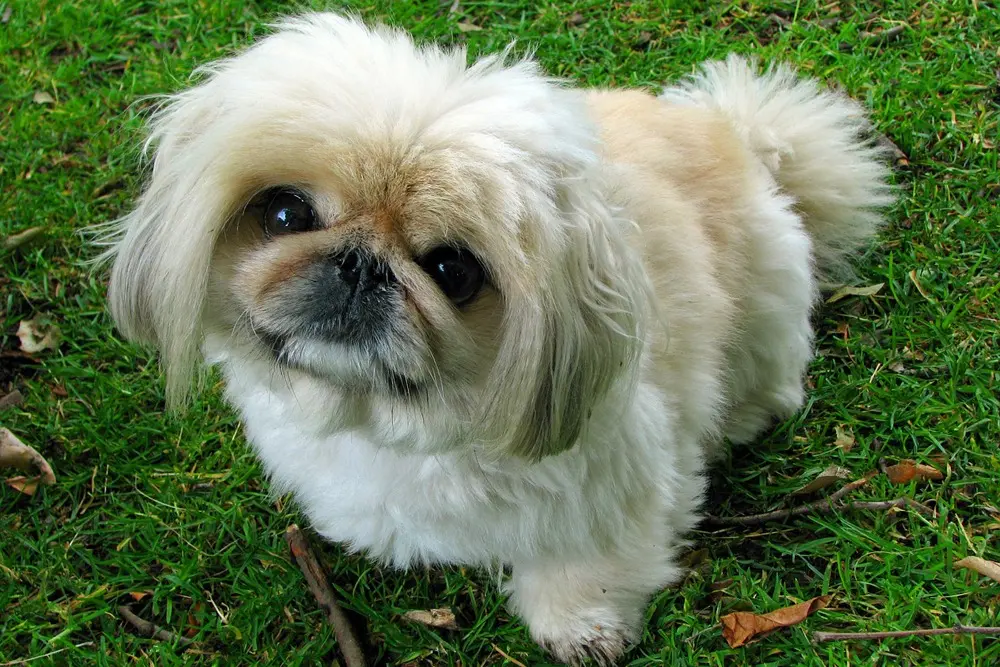
Gastrointestinal (GI) distress in canine companions is one of the most common reasons pet owners seek veterinary assistance. For owners of the Pekingese—an ancient, toy-statured breed with a rich imperial heritage—episodes of acute diarrhea, flatulence, abdominal bloating, and emesis (vomiting) present unique physiological and anatomical challenges. Because of their compact size and brachycephalic (flat-faced) architecture, Pekingese dogs are uniquely sensitive to rapid dehydration, electrolyte imbalances, and respiratory complications secondary to digestive upset.
While persistent or severe gastrointestinal symptoms warrant immediate veterinary diagnostics to rule out underlying systemic pathologies, many mild, acute episodes can be successfully managed at home. This investigative report examines the underlying physiological mechanisms of GI distress in the Pekingese, provides a clinically backed step-by-step chronology for acute symptom management, details the role of advanced microflora therapeutics (prebiotics, probiotics, postbiotics, and digestive enzymes), and outlines authoritative guidelines for maintaining long-term canine gut health.
Detailed Chronology of Gastrointestinal Distress and Recovery
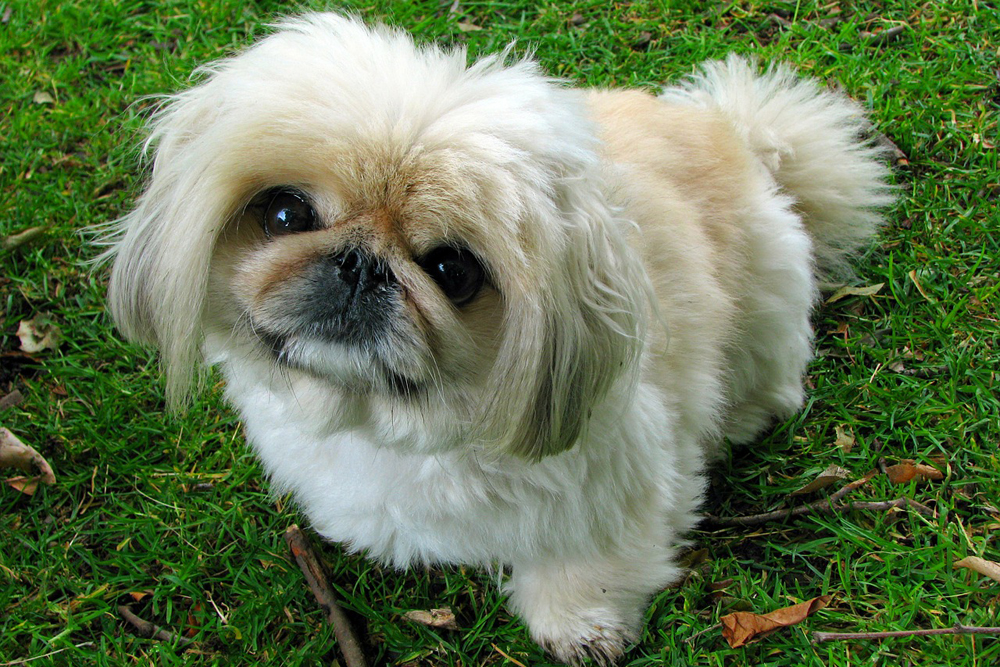
Managing an acute episode of gastroenteritis in a Pekingese requires a systematic, structured approach. Below is a clinical timeline designed to stabilize the animal, allow the gastrointestinal mucosa to heal, and safely transition the dog back to its regular nutritional regimen.
[Phase I: Acute Onset] ----> [Phase II: Therapeutic Fast] ----> [Phase III: Bland Diet] ----> [Phase IV: Microbiome Reconstruction]
 (Hours 1 to 12)             (Hours 12 to 24)                  (Days 2 to 4)                 (Days 5 and Beyond)
 - Monitor symptoms           - Withhold food                   - 75/25 Bland Mix             - Introduce Probiotics
 - Prevent dehydration        - Guarded water intake            - Gradual transition          - Re-establish microflora
Phase I: The Acute Onset (Hours 1 to 12)
- Symptom Identification: The initial phase is characterized by acute clinical signs such as loose or watery stools, excessive flatulence, abdominal gurgling (borborygmi), lethargy, or acute vomiting.
- Immediate Action: Remove all access to solid food immediately. Document the frequency, color, and consistency of both feces and vomit. If possible, photograph the excretions; these visual records provide invaluable diagnostic data for your veterinarian if clinical intervention becomes necessary.
- Hydration Management: Small-statured dogs can rapidly descend into hypovolemic shock if fluids are lost through vomiting and diarrhea. Offer small amounts of fresh water (approximately one to two tablespoons every 30 to 60 minutes). Do not allow free-choice, rapid gulping of water, as rapid expansion of the stomach can trigger the emetic reflex, worsening dehydration.
Phase II: The Therapeutic Fast (Hours 12 to 24)
- Physiological Rationale: Withholding solid food for 12 to 24 hours allows the gastrointestinal tract’s mucosal lining to rest, reduce inflammation, and shed pathogenic irritants. Enterocytes (intestinal absorptive cells) can redirect cellular energy from digestion toward cellular repair and structural healing.
- Monitoring: Keep the dog warm and quiet. Assess hydration levels by gently pinching the skin over the shoulders (skin turgor test) and checking the gums. The gums should be pink and moist; tacky, dry, or pale mucous membranes indicate a medical emergency.
Phase III: The Transition to a Bland Diet (Days 2 to 4)
- Introduction of Easily Digestible Macronutrients: Once the 24-hour fast is complete—and provided the dog has not vomited for at least 12 hours—introduce a highly digestible, low-fat, bland diet.
- The Gold Standard Bland Recipe: Boil skinless, boneless, unseasoned white meat chicken breast and shred it over plain, boiled white rice (a 1:2 ratio of protein to carbohydrate).
- Alternative Options for Grain-Sensitive Dogs: If the Pekingese has a known grain sensitivity, substitute the white rice with plain, canned pumpkin puree (ensure it is 100% pure pumpkin, not pumpkin pie mix) or mashed, overripe banana.
- Feeding Schedule: Feed small, frequent portions (one to two tablespoons) every 2 to 3 hours, gradually increasing the quantity while monitoring for any return of clinical signs.
- The Gradual Reintroduction Protocol: Once stools begin to form, slowly transition the dog back to its regular commercial diet over a 72-hour period:
- Day 1 of Transition: 75% bland diet mixed with 25% regular dog food.
- Day 2 of Transition: 50% bland diet mixed with 50% regular dog food.
- Day 3 of Transition: 25% bland diet mixed with 75% regular dog food.
- Day 4: Return to 100% regular dog food.
Phase IV: Microbiome Reconstruction & Stabilization (Days 5 and Beyond)
- Re-establishing Microflora: Following acute inflammation, the delicate balance of the gut microbiome is severely disrupted. Introduce targeted probiotics, prebiotics, and digestive enzymes to rebuild the mucosal barrier, improve nutrient absorption, and prevent future relapses.
Supporting Context, Anatomical Factors, and Microbiome Metrics
To understand why the Pekingese is particularly vulnerable to gastrointestinal disturbances, one must examine the intersection of breed anatomy, genetics, and the complex biology of the canine gut microbiome.
The Brachycephalic Influence and Aerophagia
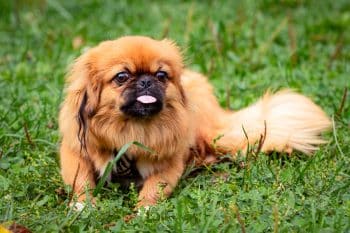
The Pekingese is a brachycephalic breed, characterized by a shortened facial skeleton. This anatomical conformation often results in Brachycephalic Obstructive Airway Syndrome (BOAS). A lesser-known systemic consequence of BOAS is aerophagia—the excessive swallowing of air.
When a Pekingese pants or struggles to draw breath due to stenotic nares (narrowed nostrils) or an elongated soft palate, they swallow substantial quantities of air directly into the stomach. This excess gas passes into the intestinal tract, causing:
- Severe abdominal distension and discomfort.
- Excessive, foul-smelling flatulence.
- Increased intra-abdominal pressure, which can trigger gastroesophageal reflux and acute vomiting.
The Microflora Equilibrium: Probiotics, Prebiotics, and Postbiotics
The canine gastrointestinal tract houses trillions of microorganisms, collectively known as the microbiome. This complex ecosystem plays a fundamental role in systemic immunity, metabolic regulation, and digestive health.
+-------------------------------------------------------------------------+
|                          THE BIOLOGICAL TRIAD                           |
+-------------------------------------------------------------------------+
|  PREBIOTICS  -->  Fuel source (non-digestible fibers)                   |
|       v                                                                 |
|  PROBIOTICS  -->  Live, beneficial microbial cultures                   |
|       v                                                                 |
|  POSTBIOTICS -->  Bioactive byproducts (short-chain fatty acids)        |
+-------------------------------------------------------------------------+
When pathogens or dietary indiscretions disrupt this balance, a state of dysbiosis occurs. Restoring equilibrium requires a comprehensive approach:
- Probiotics: These are live, beneficial microbial cultures (such as Lactobacillus acidophilus, Bifidobacterium animalis, and Enterococcus faecium) that actively compete with pathogenic bacteria for adhesion sites on the intestinal wall. They produce lactic acid, lowering the intestinal pH to create an environment hostile to pathogens.
- Prebiotics: Prebiotics are non-digestible dietary fibers that serve as the primary fuel source for beneficial probiotics. Examples include pumpkin fiber, chicory root (inulin), slippery elm bark, chia seeds, and plantains. Slippery elm is highly regarded for its mucilage content, which swells upon contact with water to coat, soothe, and protect inflamed gastrointestinal mucous membranes.
- Postbiotics: Postbiotics are the bioactive byproducts generated when probiotics ferment prebiotic fibers in the colon. These include short-chain fatty acids (SCFAs) like butyrate, which directly nourish the colon’s epithelial lining, reduce systemic inflammation, and strengthen the tight junctions of the gut barrier.
The Enzymatic Deficit
Many chronic or intermittent digestive issues in the Pekingese stem from incomplete digestion due to insufficient enzyme production. The pancreas naturally secretes digestive enzymes, but genetics, age, or localized inflammation can reduce their efficacy. Supplemental digestive enzymes assist in breaking down vital macronutrients:
- Protease: Hydrolyzes complex proteins into absorbable amino acids.
- Amylase: Breaks down starches and complex carbohydrates into simple sugars.
- Lipase: Emulsifies and digests dietary fats, preventing greasy, poorly formed stools.
- Cellulase: Breaks down cellulose (plant cell walls), which dogs cannot naturally digest on their own.
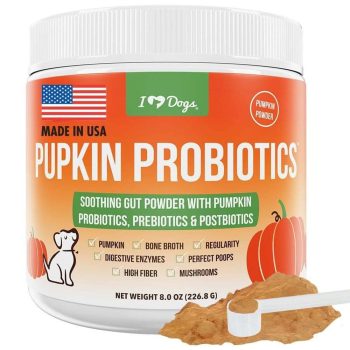
By utilizing an all-in-one supplement—such as Pupkin™ Probiotics, Prebiotics & Postbiotics for Dogs with Pumpkin, Gut-Soothing Bone Broth & Mushrooms—pet owners can deliver a comprehensive, synergistic blend of these gut-supporting elements in a single daily dose.
Official Veterinary Perspectives and Diagnostic Red Flags
Clinical Guidelines on Home Care vs. Emergency Intervention
Veterinary gastroenterologists emphasize that while home remedies are highly effective for mild, self-limiting episodes of dietary indiscretion or stress-induced colitis, they must never replace professional medical care when serious clinical signs emerge.
Because of their small size, a Pekingese can deteriorate rapidly. A loss of just a few ounces of body fluid can result in severe clinical dehydration, leading to acute kidney injury or cardiovascular collapse.
| Clinical Parameter | Mild/Self-Limiting (Home Care Appropriate) | Severe/Critical (Requires Immediate Vet Care) |
|---|---|---|
| Duration of Symptoms | Less than 24 hours | Exceeding 24–48 hours |
| Vomiting Frequency | Single episode or none | Multiple, projectile, or containing blood/bile |
| Stool Characteristics | Soft, semi-formed, or mild diarrhea | Watery, explosive, black/tarry (melena), or frank blood |
| Hydration Status | Elastic skin, moist pink gums | Tacky/dry gums, skin tenting, sunken eyes |
| Behavioral State | Alert, responsive, willing to rest | Extreme lethargy, obtundation, crying out in pain |
| Appetite/Thirst | Retains interest in water/bland food | Complete anorexia, inability to keep water down |
Probiotics in Conjunction with Antibiotic Therapy
A common point of discussion among veterinary professionals is the use of probiotics during antibiotic treatment. Antibiotics are highly effective at eliminating bacterial infections, but they are non-selective—meaning they destroy both pathogenic and beneficial gut bacteria. This often results in antibiotic-induced diarrhea.
Clinical consensus dictates that probiotics should always be administered alongside antibiotics, but with a critical caveat: the probiotic must be given at least two to four hours apart from the antibiotic dose. Administering them simultaneously allows the antibiotic to neutralize the beneficial bacteria in the probiotic, rendering the supplement ineffective. Continuing probiotic therapy for at least two to four weeks post-antibiotic treatment is essential to fully restore the gut microbiome.
Future Outlook: Advancements in Canine Gastroenterology
The landscape of canine health is shifting rapidly from reactive, symptom-based treatments to proactive, preventative care. This evolution is particularly evident in the field of canine gastroenterology and nutritional science.
                    [Microbiome Sequencing]
                               |
                               v
             [Tailored, Breed-Specific Probiotics]
                               |
                               v
        [Integration of Highly Functional Superfoods]
            (Bone Broth, Cordyceps, Lion's Mane)
Microbiome Sequencing and Personalized Nutrition
We are entering an era of personalized canine medicine where pet owners can submit a stool sample for DNA sequencing of their dog’s unique gut microbiome. This technology identifies specific bacterial deficiencies and excesses, allowing veterinarians to prescribe customized probiotic strains and dietary regimens tailored to the individual dog’s genetic and metabolic profile.
The Rise of Functional Superfoods
Modern veterinary formulations are increasingly incorporating functional, whole-food ingredients to support the gut-brain axis and systemic immunity:
- Bone Broth: Naturally rich in collagen, glycine, and glutamine, bone broth helps repair damaged intestinal walls, supports joint health, and provides a highly palatable source of hydration.
- Functional Mushrooms: Medicinal mushrooms—such as Reishi, Shiitake, and Maitake—contain beta-glucans, which act as powerful immunomodulators. They support the gut barrier, enhance natural killer (NK) cell activity, and promote a balanced inflammatory response throughout the body.
By adopting these advanced, proactive nutritional strategies, Pekingese owners can protect their companion’s delicate digestive system, improve nutrient absorption, and help ensure their beloved pet enjoys a long, healthy, and comfortable life.