For over a century, the Girl Scouts of the USA (GSUSA) have built one of the most recognizable and trusted fundraising models in modern history. The organization’s annual cookie drive is an iconic cultural phenomenon, generating hundreds of millions of dollars to support youth leadership and community programs. However, GSUSA’s recent expansion into the multi-billion-dollar pet care market has drawn immediate scrutiny from pet food safety advocates and industry watchdog groups.
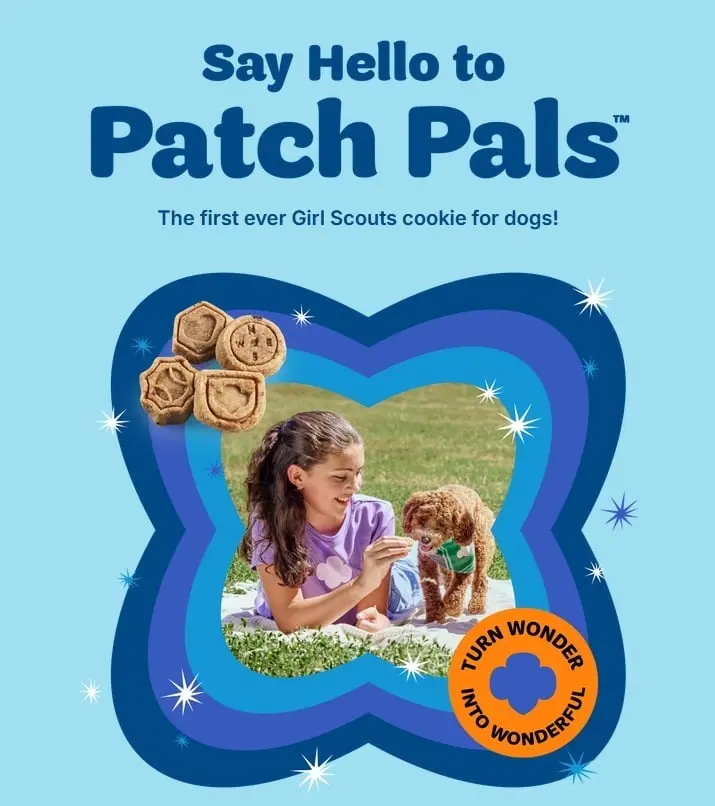
The organization recently unveiled "Patch Pals," a soft-baked, blueberry muffin-flavored dog cookie designed to celebrate the bond between pet owners and their canine companions. Manufactured in partnership with pet product companies and marketed with nostalgic patch-inspired designs, the product was framed as a wholesome extension of the traditional Girl Scout cookie lineage.
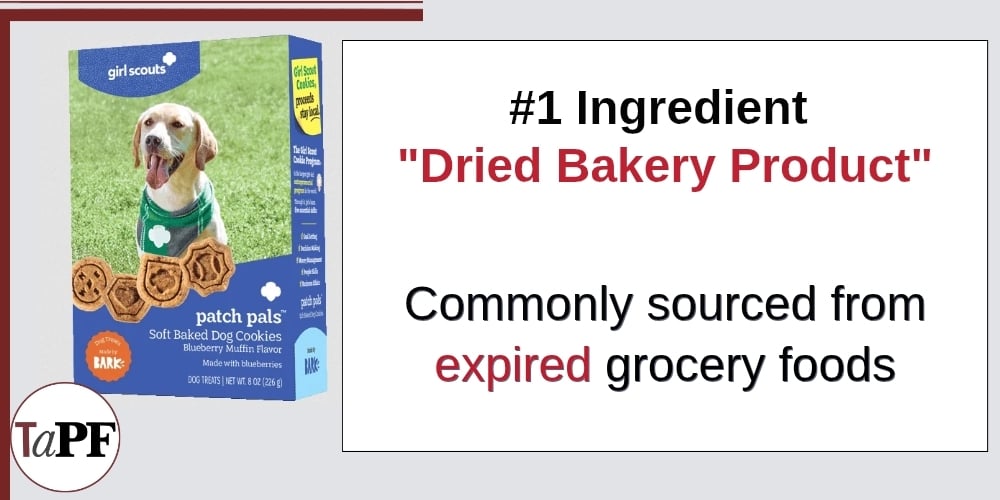
Beneath the heartwarming marketing campaign lies a contentious ingredient profile. An investigation into the product’s official nutritional panel reveals that its primary ingredient—by pre-cooked weight—is "Dried Bakery Product." Defined by feed control officials as a mechanically separated mixture of expired commercial bakery waste, unsold bread, discarded dough, and packaging remnants, Dried Bakery Product is an inexpensive, feed-grade ingredient historically reserved for livestock agriculture.
This revelation has sparked an intense debate regarding supply chain transparency, brand ethics, and the growing disconnect between emotional pet food marketing and the industrial reality of pet treat manufacturing.
Detailed Chronology: Sourcing the "Patch Pals" Launch
The pet industry has experienced explosive growth over the past decade, driven by the "humanization of pets"—a trend where companion animals are increasingly viewed as core family members. Seeking to capitalize on this shifting demographic landscape, GSUSA announced its venture into pet treats, introducing Patch Pals.
According to official promotional materials and press announcements, the dog cookies were designed to mirror the charm of traditional Girl Scout badges:
Visual Identity: Four distinct "patch" embossments representing traditional scouting milestones.
Distribution Channels: E-commerce platforms, including specialized pet platforms such as Bark.co, alongside traditional promotional avenues.
The Label Analysis
Promptly following the product announcement, Susan Thixton, a prominent pet food consumer advocate and founder of TruthaboutPetFood.com and the Association for Truth in Pet Food (ATPF), conducted a routine review of the product’s legally required nutritional disclosures.
Under regulatory standards established by the Association of American Feed Control Officials (AAFCO), ingredients on pet food labels must be listed in descending order of predominance by pre-cooked weight. The ingredient list for Patch Pals revealed that the top ingredient—the predominant substance forming the base of the cookie—was not fresh meat, whole grains, or real blueberries, but rather Dried Bakery Product.
To understand the controversy surrounding Patch Pals, it is necessary to examine the regulatory, mechanical, and safety implications of feed-grade ingredients in companion animal products.
According to the official AAFCO Official Publication (OP), Dried Bakery Product is defined as follows:
"A mixture of bread, cookies, cake, crackers, flours, and doughs which have been mechanically separated from non-edible material, artificially dried and ground."
While the definition sounds benign at first glance, critical safety and quality caveats exist within industrial feed processing:
Mechanical Depackaging Discrepancies: Commercial bakery waste arrives at processing facilities wrapped in plastic film, cardboard, wax paper, and aluminum foil. Depackaging equipment (such as high-speed turboseparators) uses mechanical force to crush, shred, and air-separate organic matter from packaging. However, mechanical separation is rarely 100% efficient. Trace quantities of microscopic plastic, synthetic polymers, and packaging adhesives inevitably remain mixed with the dried food pulp.
Lack of Spoilage Restrictions: The legal definition places no restrictions on the inclusion of moldy, stale, or past-expiration raw materials. Unsold grocery store returns—including bread loaves weeks past their shelf life—can be introduced into the processing stream.
Nutritional Variability: Because the raw inputs fluctuate based on market availability (ranging from high-sugar snack cakes to salted crackers), the nutrient density, glycemic index, and sodium levels of Dried Bakery Product vary significantly from batch to batch.
 RAW BAKERY DISCARDS             MECHANICAL SEPARATION              DRIED BAKERY PRODUCT
 (Expired Bread, Cakes,   --->   (Turboseparators Shred &   --->   (Ground, Dehydrated Waste
  Wrapped Goods, Dough)           Attempt Packaging Removal)        Base for Livestock Feed)
Feed-Grade vs. Food-Grade Standards
In the pet food sector, a sharp regulatory line divides food-grade ingredients (suitable for human consumption and processed in USDA-inspected facilities) from feed-grade ingredients (permitted under FDA compliance policies to contain waste products, byproducts, or materials unfit for human consumption).
Category Metric
Human-Grade / Whole Food Standards
Dried Bakery Product (Feed-Grade)
Primary End User
Human Supply Chain / Premium Pet
Swine, Cattle, & Poultry Livestock
Packaging Limits
Zero non-food contamination
Trace packaging permitted via depackaging
Raw Material Age
Fresh / Unexpired
Expired grocery returns & factory scrap
Cost Basis
High / Premium Commodities
Low / Recycled Waste Streams
Industry analysts note that while Dried Bakery Product is commonly utilized in the swine and poultry feed sectors as an inexpensive carbohydrate and energy filler, its inclusion as the primary ingredient in a branded companion animal treat is extraordinarily rare—especially for products marketed under high-trust consumer brands.
Official Statements & Advocacy Critique
The Marketing Claims
In the initial press release introducing the treat line, representatives framed Patch Pals as a premium product celebrating pet ownership:
"The soft-baked, blueberry muffin-flavored dog cookies celebrate the bond between people and their pups. Each dog cookie has been baked to feature one of four ‘patch’ designs, representing iconic Girl Scout experiences."
The promotional narrative focused heavily on nostalgia, visual appeal, and flavor profiles designed to mimic popular human bakery items.
The Consumer Advocate Response
Pet food advocate Susan Thixton issued a sharp critique of the product’s formulation, arguing that the marketing narrative deliberately obscures the industrial nature of the primary ingredient:
"The Girl Scouts press release did not tell the public that the first ingredient in their dog cookie… is a waste food ingredient: ‘Dried Bakery Product.’ Dried Bakery Product is little more than recycled grocery garbage. It is an inexpensive feed-grade ingredient."
Thixton further criticized the decision-making process at GSUSA, suggesting a lack of oversight regarding third-party licensing and ingredient selection:
"We assume the decision makers at Girl Scouts USA did not investigate the ingredients in their new dog cookie, did not ask ‘what is Dried Bakery Product?’ But they should have."
Advocacy groups including the Association for Truth in Pet Food have submitted formal inquiries to GSUSA requesting clarification on their sourcing standards, ingredient quality checks, and whether batch testing is performed to detect microplastics or mycotoxins in the finished treats.
Strategic Implications & Future Outlook
The controversy surrounding Patch Pals serves as a case study in the risks of brand licensing within the companion animal sector. As major non-endemic brands enter the pet market, they face an increasingly informed consumer base equipped to analyze label claims against scientific and regulatory standards.
Key Takeaways for Pet Owners and Industry Observers
Ingredient Label Literacy: Consumers are advised to look past marketing claims on the front of packaging and inspect the first three ingredients on the guaranteed analysis panel. Ingredients labeled with generic terms like "product," "meal," or "byproduct" typically indicate feed-grade waste streams.
Corporate Oversight in Licensing: Brand licensing agreements that fail to mandate strict ingredient quality controls risk severe damage to brand equity and consumer trust.
The Need for Transparency: As pet humanization continues to drive purchasing decisions, consumer tolerance for agricultural waste ingredients disguised as gourmet pet treats is rapidly declining.
The public response to Patch Pals highlights a growing demand for accountability in pet food manufacturing. Whether Girl Scouts USA will respond to advocate inquiries by reformulating the product to align with its institutional reputation remains to be seen.