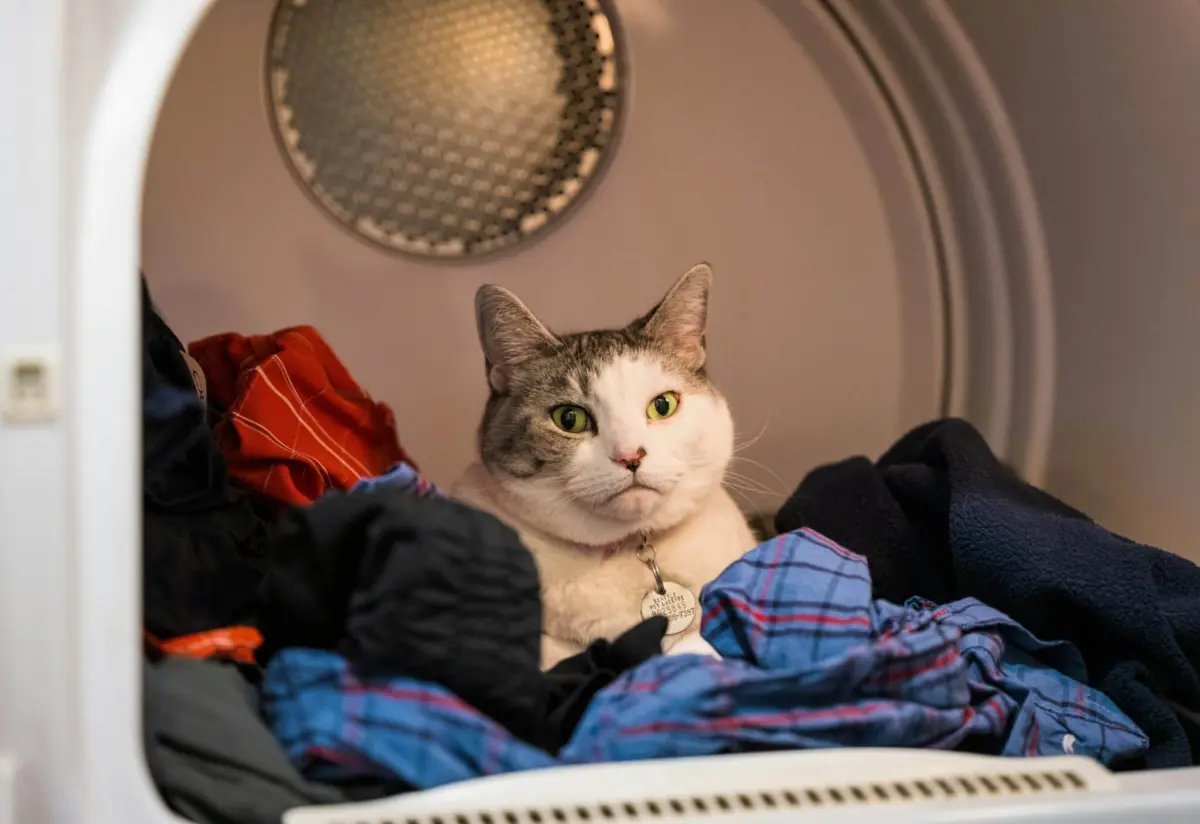
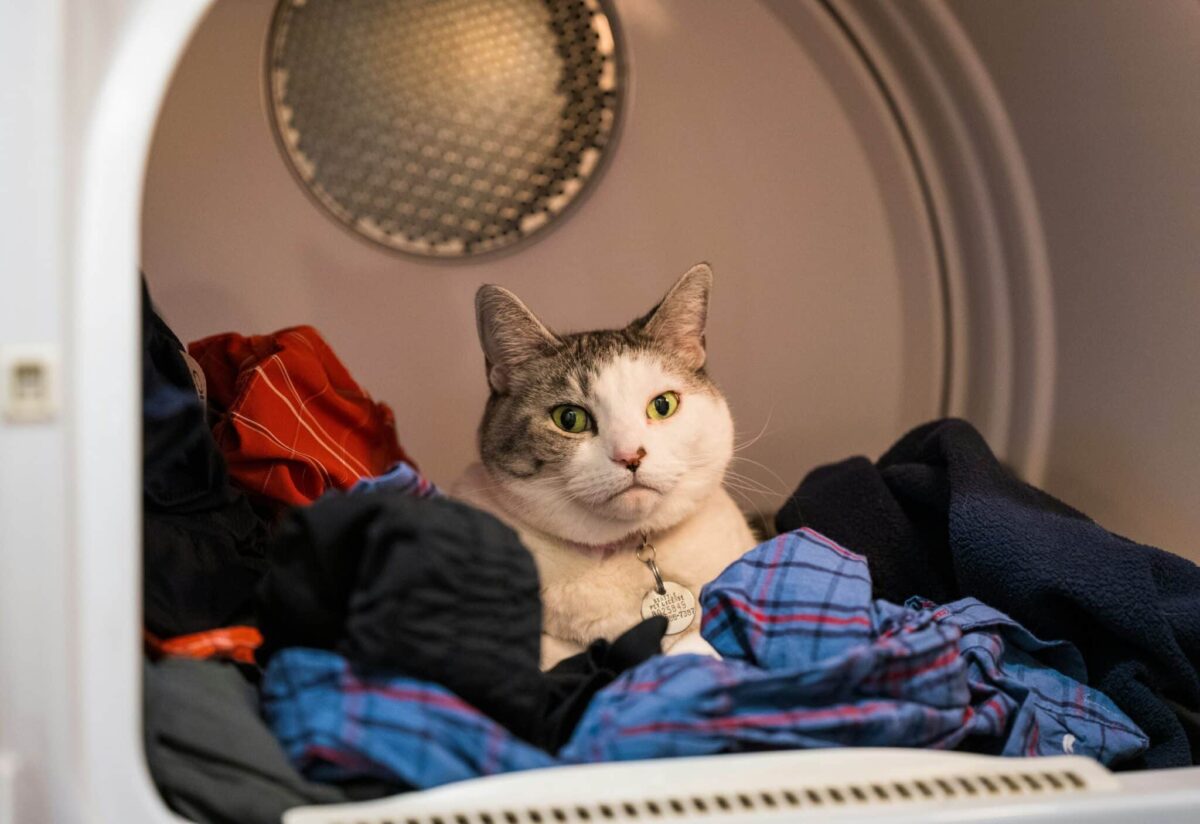
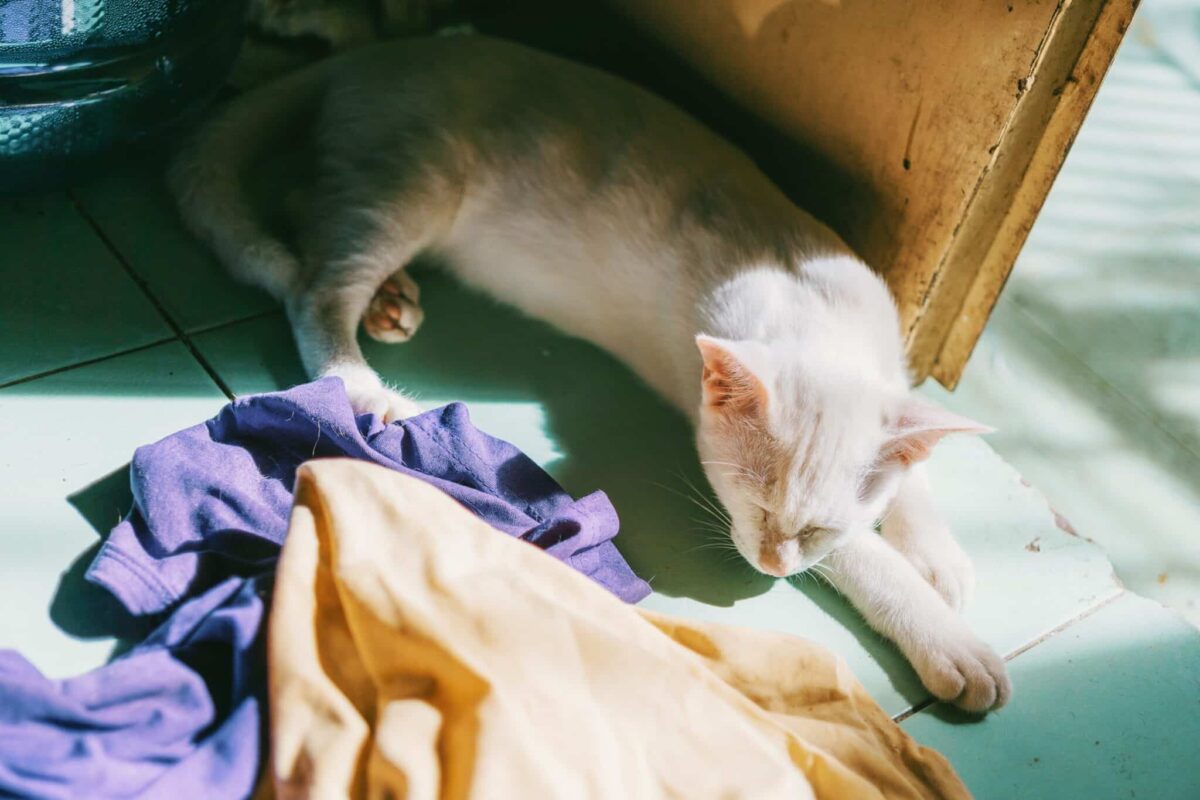
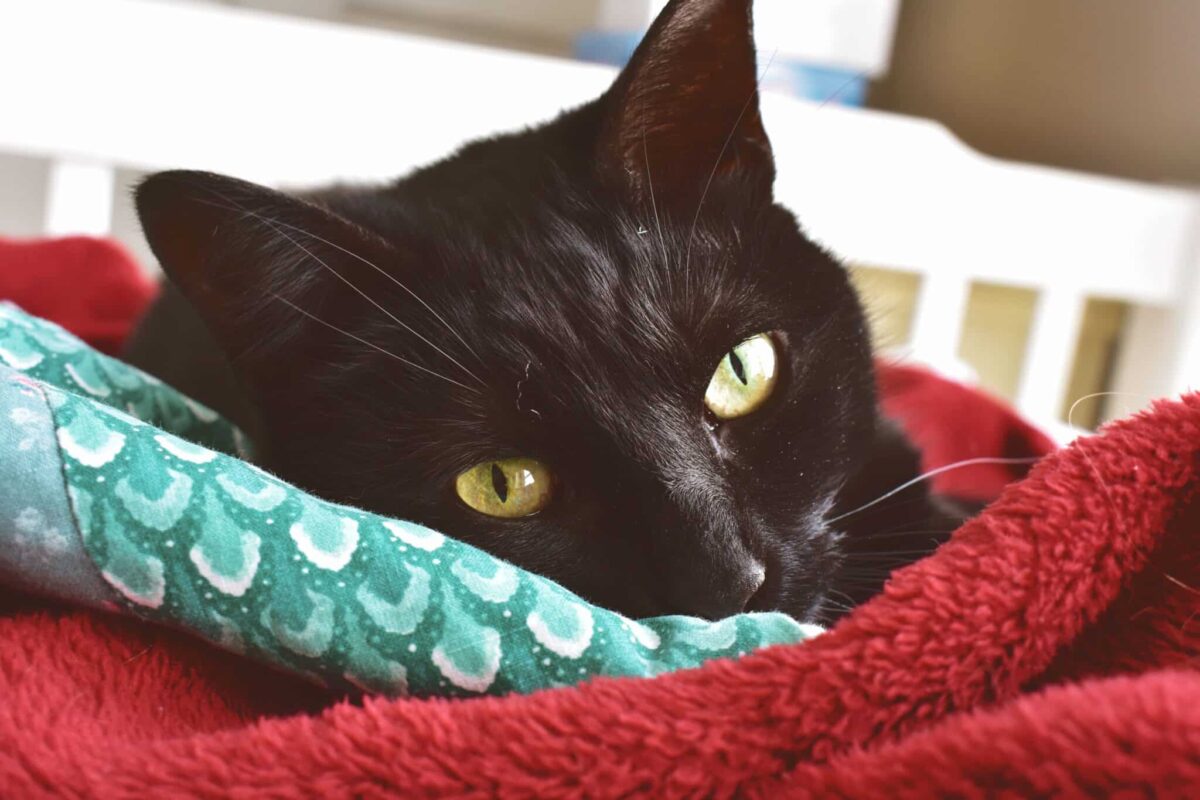
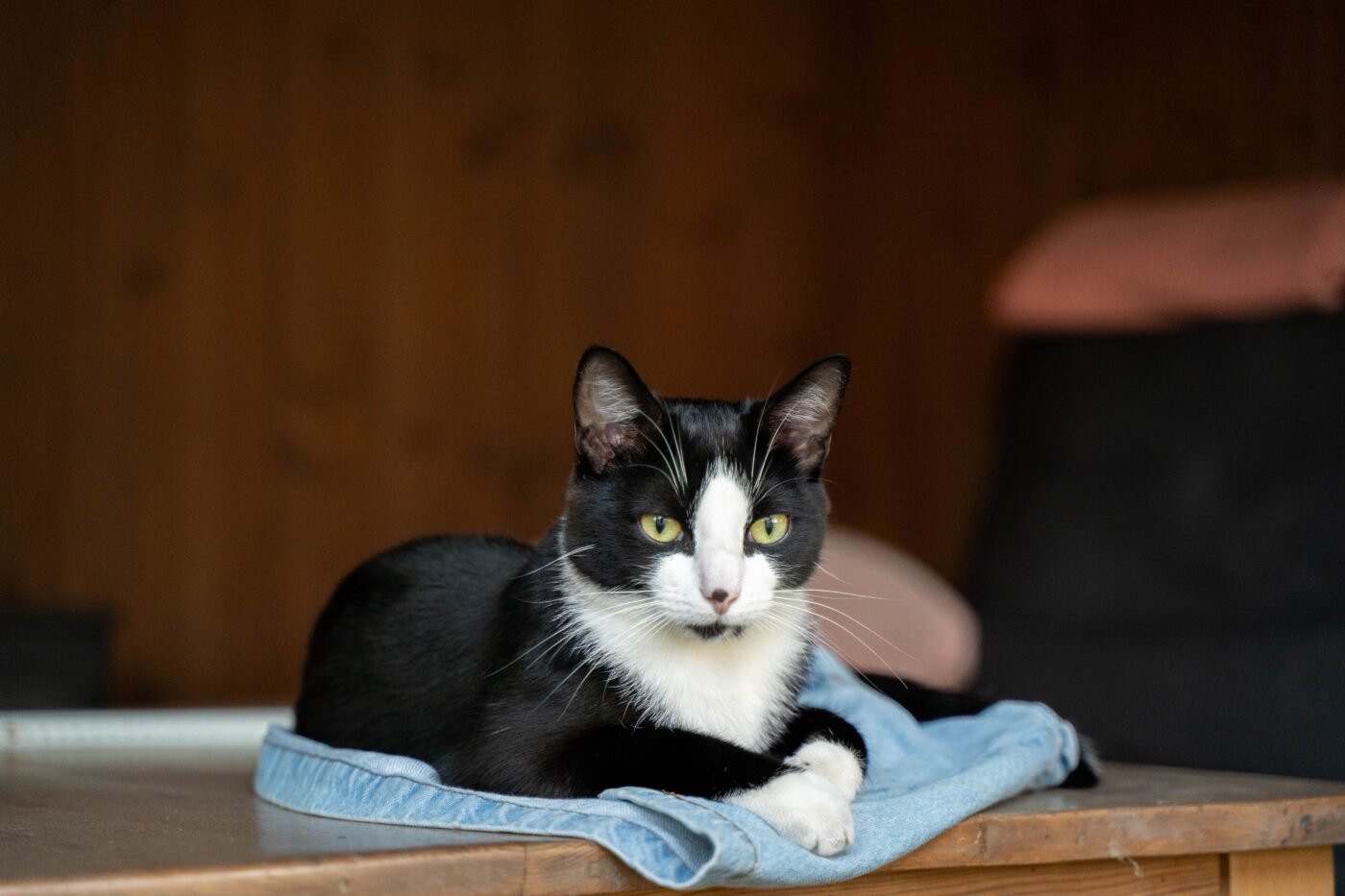
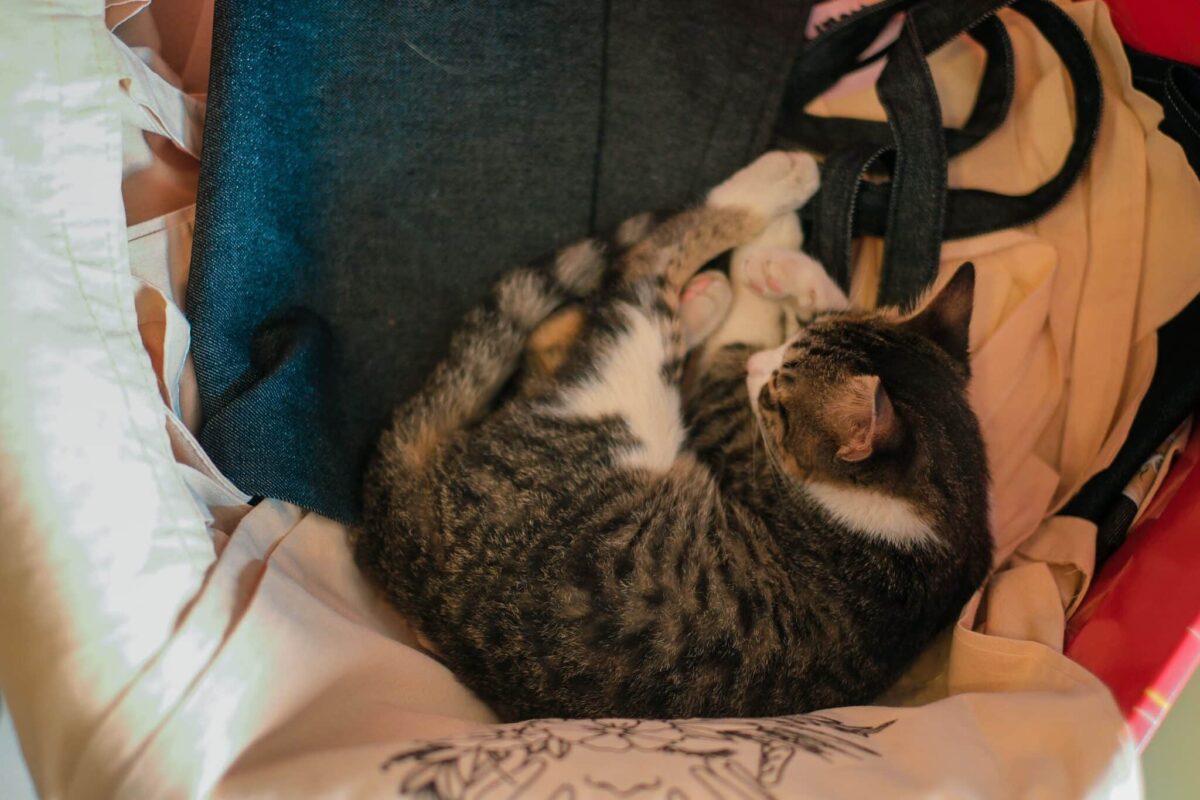
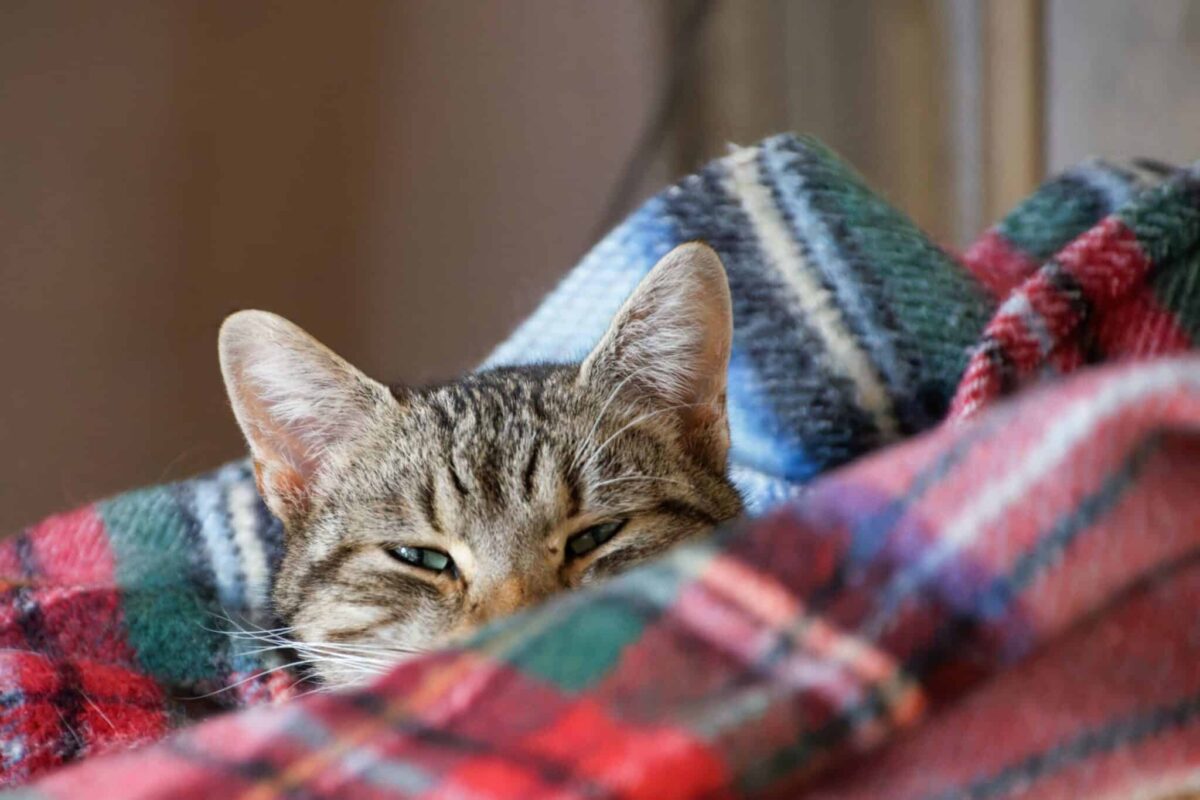
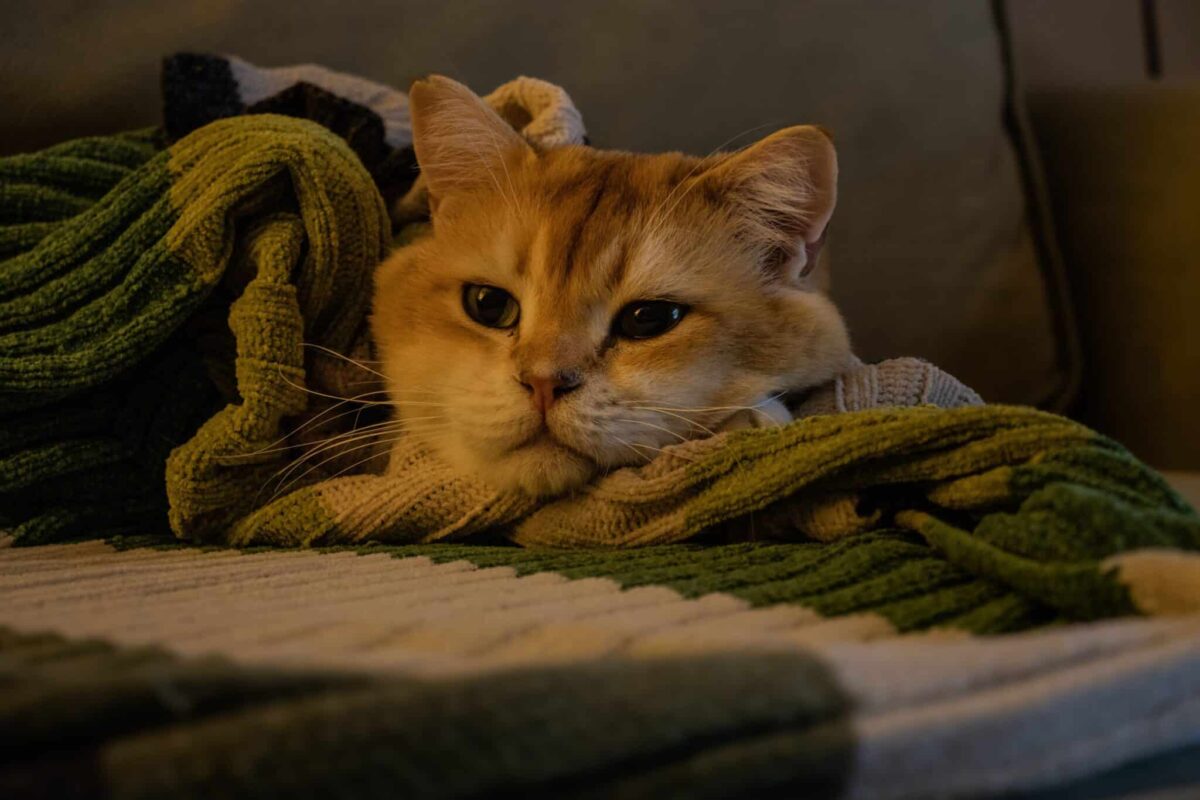
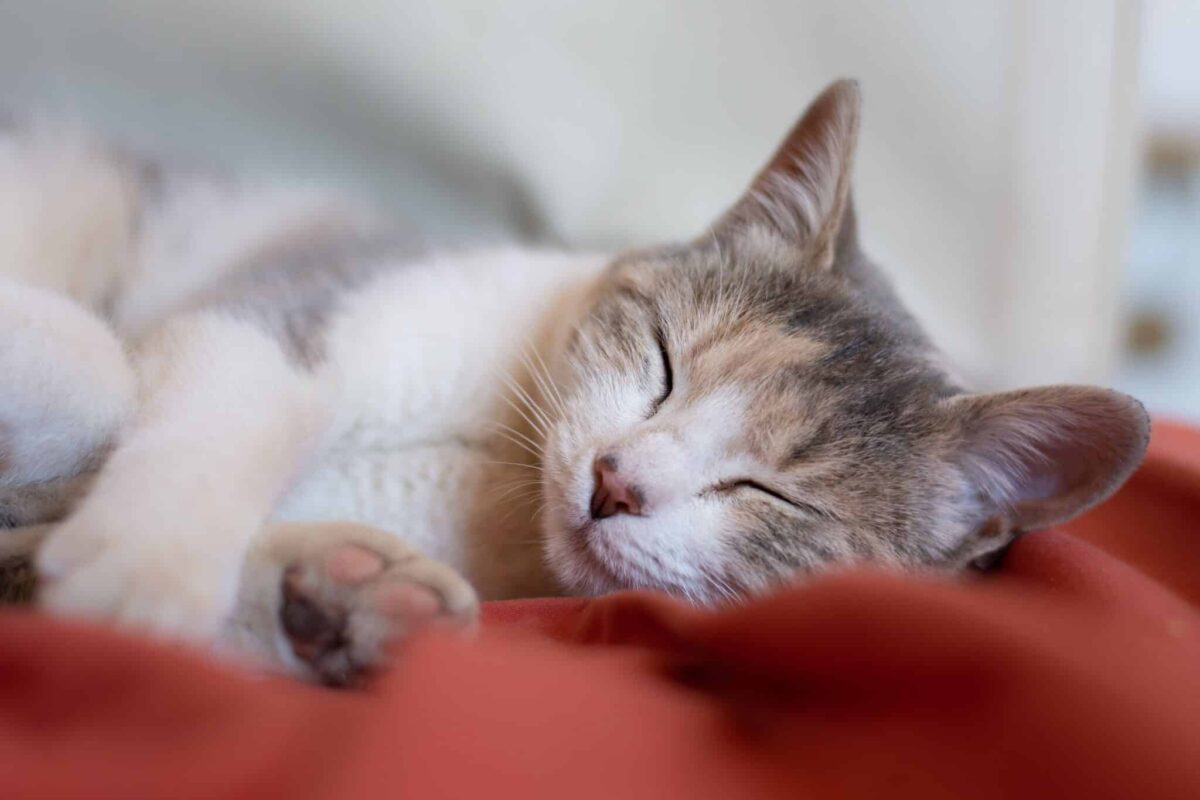
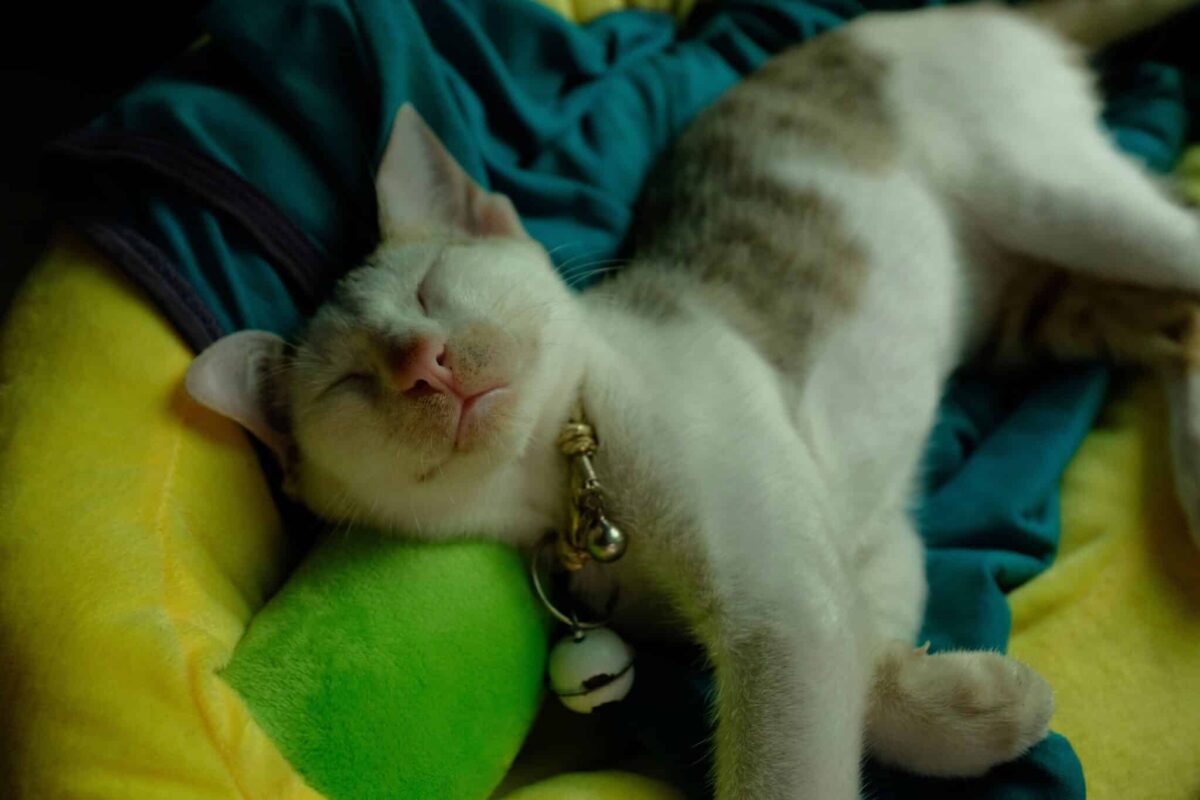
For millions of cat owners worldwide, a familiar daily domestic ritual plays out with clockwork precision: laundry is washed, dried, meticulously folded into neat piles, and left unattended for mere minutes—only for a feline resident to instantly commandeer the stack as their personal mattress. Despite the availability of plush, ergonomically engineered, and financially exorbitant pet beds positioned conveniently around the home, cats will routinely bypass these dedicated resting zones in favor of yesterday’s sweatpants, a rumpled button-down shirt, or a fresh load of warm towels.
While this habit is frequently chalked up to typical feline eccentricity or an intentional effort to coat fresh garments in a layer of stubborn fur, modern behavioral science reveals a far more complex reality. A cat’s attraction to laundry is not random; it is driven by a sophisticated convergence of sensory feedback, evolutionary biology, scent communication, and thermal dynamics.
This comprehensive investigative report examines the multi-faceted motivations behind the universal feline obsession with human laundry. By exploring the intersections of olfactory mapping, tactile preferences, environmental security, and behavioral routines, we decode why our discarded garments consistently win out as the ultimate sleeping sanctuaries for our pets.
Detailed Chronology: From Chore to Commandeered Bed
To understand the dynamic between a cat and a laundry pile, one must examine the chronological sequence of how an ordinary household chore transforms into a feline haven. The process typically unfolds in distinct phases, each adding layers of sensory appeal that make the final product irresistible to a resting animal.
The lifecycle of a laundry-bed begins in the dryer. As garments tumble through heated air cycles, they absorb and retain thermal energy. When extracted, fabrics temporarily hold ambient heat that far exceeds standard room temperature. To an endothermic creature whose resting metabolic rate requires consistent warmth, a warm textile acts as an immediate thermal beacon. Even if the laundry is not freshly laundered, garments left in ambient sunlight throughout the day absorb radiant heat, transforming everyday clothing into low-profile heating pads.
Phase 2: Structural Formation and Nesting Architecture
Once the clothing is moved—whether stacked neatly or tossed carelessly into a basket—it undergoes a structural shift. Unlike flat, rigid floors or evenly padded commercial pet beds, piles of clothing possess inherent malleability. Shirts, sweaters, and denim create natural folds, raised embankments, and deep depressions. This dynamic topography allows a cat to manipulate the material, burrowing into the layers to craft a secure, custom-contoured nest that cradles their body from multiple angles.
Phase 3: Olfactory Imprinting
As the clothing settles into its location, it acts as a chemical archive. Worn garments are saturated with human apocrine and eccrine sweat signatures, unique volatile organic compounds (VOCs), and personal pheromones. To a cat, whose olfactory system is roughly fourteen times more sensitive than a human’s, these familiar scents represent a map of safety, predictability, and social security.
Phase 4: Feline Occupation and Routine Integration
The final phase occurs when the cat identifies the confluence of warmth, texture, and scent, executing a calculated settlement. Once the cat claims the spot and leaves behind its own facial and paw pheromones via routine rubbing, the location transforms from a temporary pile of chores into an established behavioral routine. What started as a chore becomes a permanent, non-negotiable piece of feline real estate.
Supporting Context & Metrics: The Science of Feline Preference
To truly grasp why cats reject high-end pet retail products in favor of laundry piles, scientists and behaviorists look at several core biological and environmental metrics.
1. Olfactory Signatures and Social Comfort
Cats experience the world primarily through scent. While humans rely heavily on visual cues, felines use their Jacobson’s organ (vomeronasal organ) and highly evolved nasal epithelium to analyze chemical messages in their environment.
The Familiarity Factor: Research into feline sensory integration shows that animals under stress find comfort in familiar chemical environments. Human clothing acts as an olfactory anchor. A worn shirt carries the exact profile of the owner—their skin oils, detergent residue, and personal scent—signaling an absence of threat.
Scent Intermingling: Cats possess sebaceous scent glands located on their cheeks, lips, chin, and the base of their tails. When a cat treads upon, kneads, or rubs against a pile of clothes, they deposit their own facial pheromones onto the fabric. This behavior effectively merges the human’s scent with the cat’s scent, creating a blended "safe zone" that validates their territorial security.
2. Thermal Regulation and Energy Conservation
A cat’s thermoneutral zone—the temperature range in which they do not expend metabolic energy to maintain core body temperature—is significantly higher than that of humans, typically resting between 86°F and 97°F (30°C to 36°C).
Heat Retention Metrics: Because indoor household temperatures generally hover around 68°F to 72°F, cats must actively seek external heat sources to maintain thermal equilibrium without burning precious calories.
Textile Insulation: Fabrics such as fleece, cotton, flannel, and wool possess high thermal insulation properties. When layered, these textiles trap air pockets heated by the cat’s own body, creating a micro-climate that minimizes heat loss. Freshly dried laundry provides an instant thermal shortcut, reducing the metabolic cost of staying warm.
3. Tactile and Ergonomic Preferences
Commercial cat beds are often manufactured with firm foam bolsters, rigid walls, or slick synthetic linings that may not align with an individual cat’s tactile preferences.
The Appeal of Loose Textures: Soft, pliable garments conform instantly to skeletal morphology. When a cat curls into a tight crescent shape (the classic feline loaf or donut configuration), loose clothing provides uniform pressure distribution across joints and muscles.
Individual Variation: Just as humans prefer varying mattress firmness, individual felines develop distinct textural affinities. One cat may favor the smooth coolness of freshly washed cotton sheets, while another seeks out the dense, plush friction of a discarded winter sweater.
Official Statements and Behavioral Insights
Leading feline behaviorists and veterinarians emphasize that the laundry pile phenomenon is a completely natural expression of domestic adaptation.
"When a cat chooses to sleep on your dirty laundry, it is rarely an act of spite or a deliberate attempt to ruin your clothes with fur. It is a profound compliment wrapped in practicality," notes Dr. Elena Vance, a prominent feline behavioral researcher. "The laundry pile represents the ultimate intersection of everything a cat desires: your scent, which means safety; warmth, which satisfies their high thermal needs; and a malleable structure that mimics a natural den."
Veterinary behaviorists also point out that owners frequently misinterpret the behavior as a sign of separation anxiety. While some clingy cats may gravitate toward clothes when their owners are absent, independent cats display the exact same behavior.
"Even the most aloof, autonomous cats will sleep on a pile of laundry," explains Dr. Marcus Thorne, a companion animal practitioner. "It comes down to environmental design. A laundry basket left in a quiet corner of a bedroom provides an elevated sense of security. The cat feels hidden, protected from behind by the basket walls, and enveloped in familiar micro-climates. It is an evolutionary masterclass in den selection."
Furthermore, experts caution against punishing or abruptly shooing cats away from their chosen laundry beds. Forcing a cat out of a secure environment can create low-level stress and disrupt their daily comfort routines. Instead, behaviorists recommend providing alternative resting spots that mimic the desirable traits of laundry—such as heated pet pads, soft fleece blankets placed inside elevated boxes, or leaving an old, worn t-shirt inside their designated commercial bed to introduce familiar scent cues.
Future Outlook: The Evolution of Co-Habitation and Pet Product Design
As our understanding of feline sensory biology deepens, the pet care industry is beginning to shift its manufacturing paradigms to replicate the accidental perfection of the laundry pile.
For decades, the pet bed market focused heavily on human-centric aesthetics: rigid wicker baskets, sleek leather cushions, and brightly colored synthetic fabrics designed to match living room decor rather than satisfy cat physiology. However, market trends indicate a sharp pivot toward functional biomimicry.
[Traditional Pet Beds] ──> Rigid structures, synthetic linings, ignored scent profiles. (High rejection rate by felines)
[Next-Gen Pet Sanctuaries] ──> Malleable micro-plush, thermal-retaining materials, scent-absorbent natural fibers.
Future-generation pet sanctuaries are increasingly incorporating:
Adaptive Thermal Core Technology: Self-warming mats that reflect a cat’s body heat without requiring electrical cords, mimicking the lingering warmth of a dryer cycle.
Modular, Malleable Structures: Beds constructed from loose, unbonded fleece inserts and unstructured pockets that encourage natural burrowing and kneading behaviors.
Olfactory-Friendly Fabrics: Untreated, highly breathable natural fibers designed to absorb and hold human scents longer, satisfying the feline need for familiar chemical mapping.
Despite these technological advancements in pet product engineering, it is unlikely that human laundry will ever truly lose its throne. The combination of a human’s comforting scent, the soft chaos of folded textiles, and the innocent convenience of chores left undone creates an unbeatable sanctuary. Until manufacturers can successfully package human affection, warmth, and unorganized cotton into a single commercial unit, the laundry basket will remain the undisputed king of feline real estate.