
Executive Overview
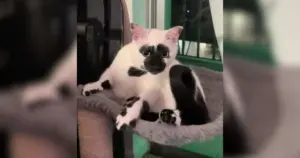
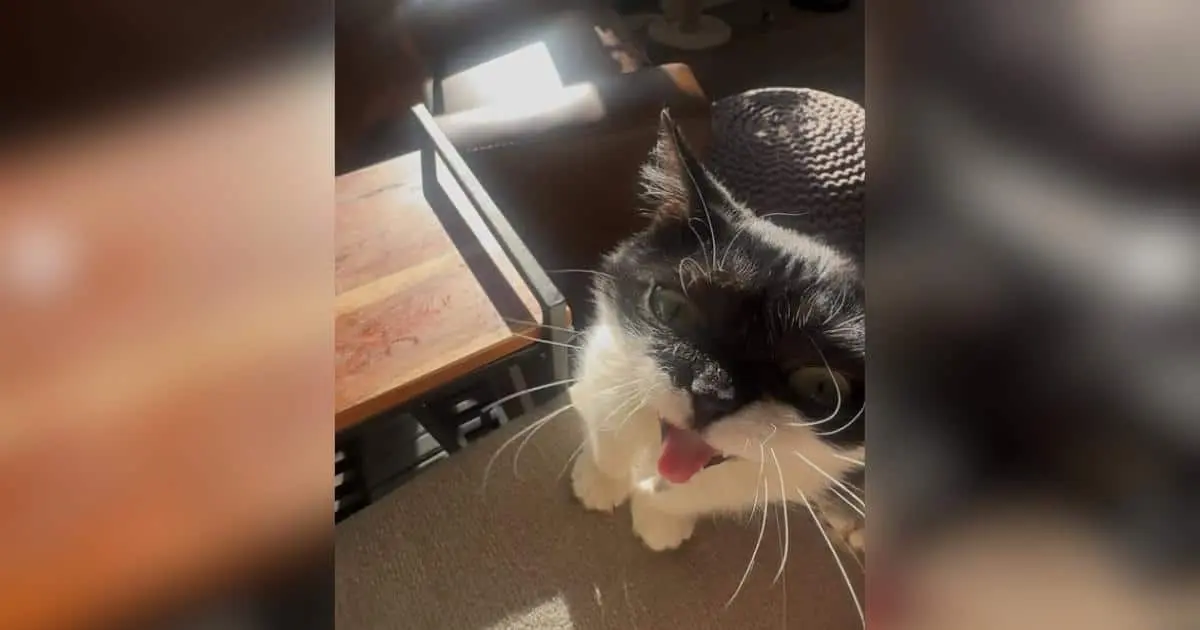
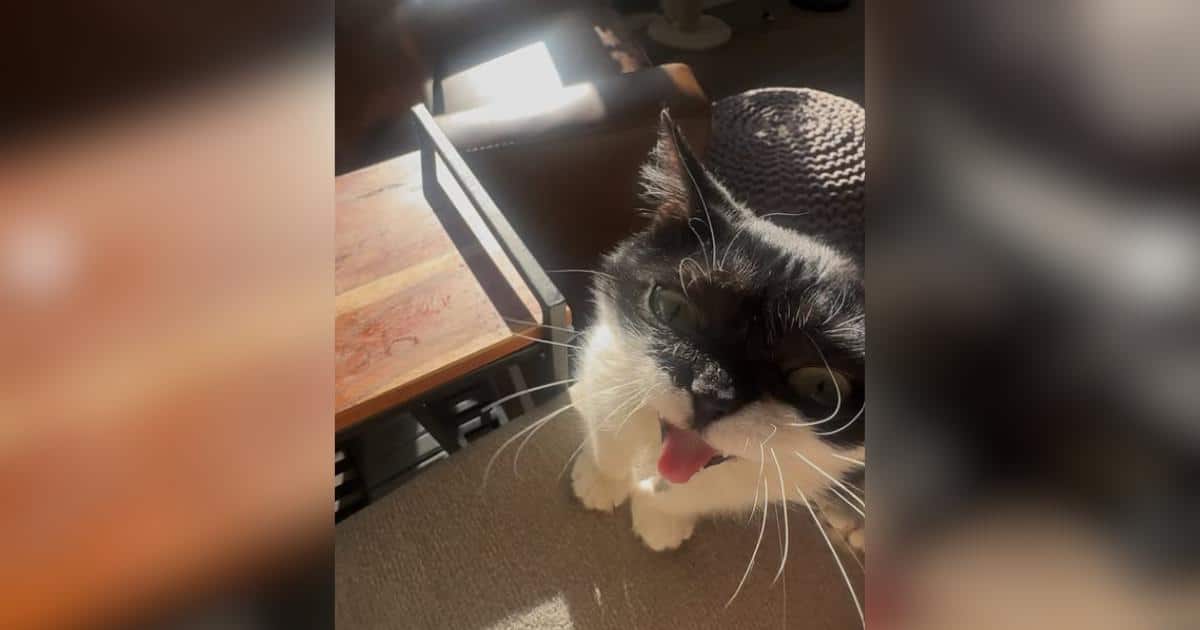
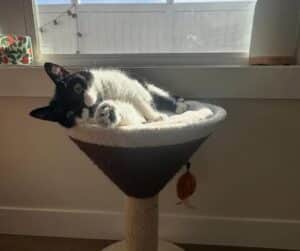
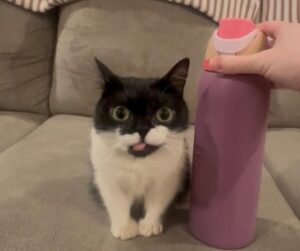
In an era where social media feeds are continuously flooded with viral content, few digital phenomena manage to transcend the digital noise with the genuine charm and inspiring resilience of Agnes. Affectionately dubbed "The Little Lady," Agnes is a two-year-old Tuxedo cat whose distinctive appearance immediately commands attention. Diagnosed with feline dwarfism, Agnes possesses a remarkably compact frame, shortened limbs, and an unforgettable face characterized by enormous, round, expressive eyes that admirers frequently compare to those of a Pug.
However, beneath the initial wave of viral fascination lies a story of profound determination, an indomitable spirit, and a growing educational movement surrounding the specialized care required for feline mobility conditions. Weighing a mere four pounds, Agnes defies the physical limitations typically associated with her condition. Rather than acting as a fragile ornament, she approaches everyday exploration—such as scaling flights of stairs—with unyielding confidence and fierce enthusiasm.
This comprehensive report examines Agnes’s journey from her adoption in December 2025 to her status as an online sensation. Furthermore, it provides an authoritative overview of feline dwarfism, exploring the physiological realities of the condition, the necessary environmental adaptations required to ensure a high quality of life, and expert veterinary insights into managing joint health, orthopedic care, and preventative wellness for special-needs pets.
Detailed Chronology: From Adoption to Online Stardom
A New Chapter Begins: December 2025
The narrative of Agnes’s public prominence crystallized in December 2025, when she officially joined her new pet parent in a permanent, loving home. At the time of her adoption, Agnes was already a fully grown adult cat at two years of age, yet her physical dimensions remained remarkably diminutive. Tipping the scales at approximately four pounds, her size was equivalent to that of a typical kitten aged just a few months.
Despite the potential adjustments required when integrating a special-needs pet into a new household, Agnes’s transition was marked by an immediate sense of ownership and curiosity. Rather than displaying the timidity or disorientation frequently observed in newly adopted animals with physical anomalies, Agnes immediately set out to investigate every square inch of her new domain. Her early days in the household established a precedent of fearlessness that would soon captivate thousands of online followers.
The Viral Awakening and "The Little Lady" Persona
As her new owner began sharing snippets of Agnes’s daily life across digital platforms, the internet responded with overwhelming enthusiasm. The initial attraction was undeniably visual. The striking contrast of her classic black-and-white Tuxedo markings compressed into a miniature silhouette, paired with her oversized, soulful eyes, created an instant visual hook.
Yet, the metrics of her online engagement revealed a deeper connection among her audience. Viewers did not merely comment on her unique aesthetic; they became deeply invested in her activities. Videos showcasing Agnes tackling domestic obstacles—most notably, charging headfirst up household staircases—transformed routine domestic scenes into inspiring displays of grit. By early 2026, "The Little Lady" moniker had solidified, cementing her status as a beloved digital personality whose formidable presence vastly outweighed her four-pound frame.
Supporting Context & Metrics: Understanding Feline Dwarfism
To fully appreciate Agnes’s energetic lifestyle, one must understand the medical and biological context of feline dwarfism. While often romanticized online for their endearing proportions, cats with dwarfism experience distinct genetic or developmental variations that impact their skeletal structure.
Defining Feline Dwarfism
Feline dwarfism is not a single disease, but rather a descriptive term encompassing several conditions that result in disproportionately short limbs and a smaller overall stature. These conditions generally fall into two primary categories:
- Osteochondrodysplasia: A genetic disorder of bone and cartilage development, most famously associated with breeds like the Scottish Fold and Munchkin, though it can occur spontaneously in domestic shorthairs. This condition affects the proper growth of the long bones in the legs.
- Pituitary Dwarfism: A rare hormonal disorder caused by a deficiency in growth hormone during early development, which can affect overall organ growth and metabolic function.
Physical and Mobility Implications
For cats like Agnes, shortened limbs and alterations in bone or joint architecture can introduce physical challenges that typical cats never face. These may include:
- Altered Biomechanics: Walking, running, and landing from jumps place asymmetrical or intensified pressure on joints, predisposing the animal to early-onset osteoarthritis.
- Reduced Vertical Reach: Navigating standard household furniture, beds, and windowsills can become strenuous or hazardous without supportive modifications.
- Stamina Demands: Everyday cardiovascular exertion, such as climbing stairs, requires significantly more physical effort for a cat with shortened limbs compared to a standard-proportioned feline.
Despite these physiological hurdles, Agnes’s ability to maintain a high activity level highlights the positive impact of early enrichment, psychological stimulation, and a supportive domestic environment.
Expert Perspectives & Veterinary Best Practices
Caring for a cat with dwarfism extends far beyond appreciating their aesthetic appeal. Veterinary professionals emphasize that special-needs pet ownership requires a proactive approach to environmental design, dietary management, and routine health surveillance.
Environmental Adaptations for Mobility-Impaired Cats
Creating a safe, accessible home environment is paramount for preventing injuries and reducing chronic joint strain. Veterinarians recommend several structural adjustments for homes hosting cats with dwarfism:
- Strategic Ramps and Pet Steps: Placing carpeted ramps or low-profile steps adjacent to favored resting spots—such as sofas, human beds, and primary window perches—minimizes the need for high-impact jumping.
- Accessible Resource Placement: Food bowls, water stations, litter boxes, and scratching posts should be distributed on ground levels where the cat can access them effortlessly, eliminating the need to navigate stairs or elevated platforms just to meet basic biological needs.
- Safe Flooring Surfaces: Slick hardwood or tile floors can pose traction challenges for cats with shortened limbs. Utilizing non-slip rugs and runners along primary pathways helps prevent slips, falls, and unnecessary joint torque.
Nutritional Management and Weight Control
Weight management is arguably the single most critical factor in preserving the mobility and long-term joint health of a cat with dwarfism.
- The Load-Bearing Equation: Even a fraction of a pound of excess weight exponentially increases the mechanical stress placed on diminutive joints and underdeveloped skeletal structures.
- Precision Diets: Veterinarians advise feeding precisely measured, high-protein, calorie-controlled diets tailored to the cat’s specific activity level and metabolic rate to prevent obesity.
Routine Veterinary Surveillance
Proactive veterinary care ensures that any emerging signs of orthopedic discomfort are identified and addressed promptly.
- Joint Health Supplements: Many veterinary practitioners recommend incorporating glucosamine, chondroitin sulfate, or omega-3 fatty acids into the daily regimen early in life to support cartilage health and mitigate inflammation.
- Pain Management Protocols: Regular physical examinations allow veterinarians to assess joint range of motion and detect subtle signs of chronic pain, ensuring timely interventions such as physical therapy, laser therapy, or pharmaceutical support if necessary.
Future Outlook: The Legacy of "The Little Lady"
As Agnes continues to navigate her world with unbridled curiosity, her journey serves a dual purpose in the modern pet community. On one hand, she provides daily entertainment and comfort to an expanding audience of online admirers who find genuine joy in her fearless explorations. On the other hand, she acts as an unwitting ambassador for special-needs animal advocacy, educating the public on the realities of caring for pets with structural anomalies.
The story of Agnes challenges cultural perceptions regarding vulnerability and strength. Her life proves that physical dimensions do not dictate emotional capacity, resilience, or the ability to experience joy. By demonstrating that a four-pound cat can command a room with the authority of a lion, Agnes encourages pet owners to look beyond physical differences, invest in thoughtful home accommodations, and embrace the unique capabilities of every animal.
Ultimately, "The Little Lady" has secured her place not only as a viral internet sensation, but as a testament to the power of unyielding spirit. As she continues her daily adventures across staircases and living room floors, Agnes leaves an indelible mark on the hearts of all who follow her story—proving definitively that true presence has nothing to do with size.