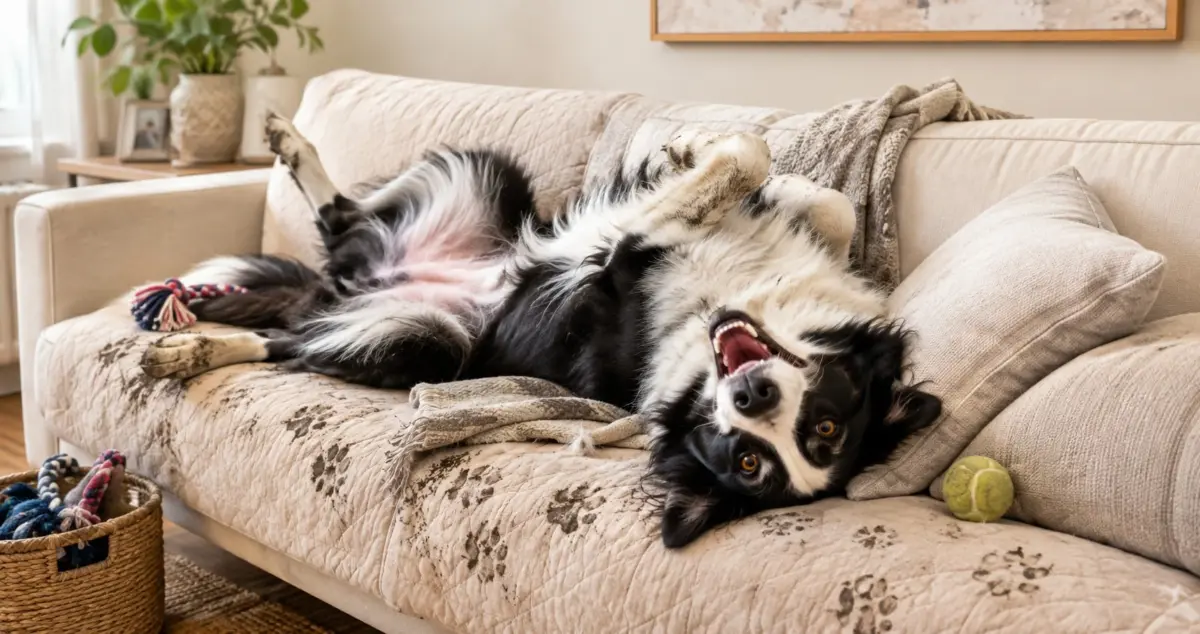

Executive Overview: The High-Stakes Collision of Modern Aesthetics and Companion Animal Living
In the modern domestic landscape, a profound cultural shift has occurred: the humanization of pets. Dogs are no longer relegated to the backyard or the kitchen floor; they are integral family members who share our beds, our lives, and, most notably, our living room furniture. This integration, however, has set off a quiet but costly war within the home. The desire for pristine, architecturally sophisticated living spaces is in constant friction with the biological realities of companion animals—namely shedding, muddy paws, claw damage, drool, and the occasional physiological accident.
According to market research, the global pet care industry has surged past $200 billion, driven in large part by "premiumization"—the willingness of pet parents to spend heavily on the comfort of their animals. Yet, a significant portion of this economy is dedicated not to the animals themselves, but to mitigating the damage they inflict on high-end home interiors.
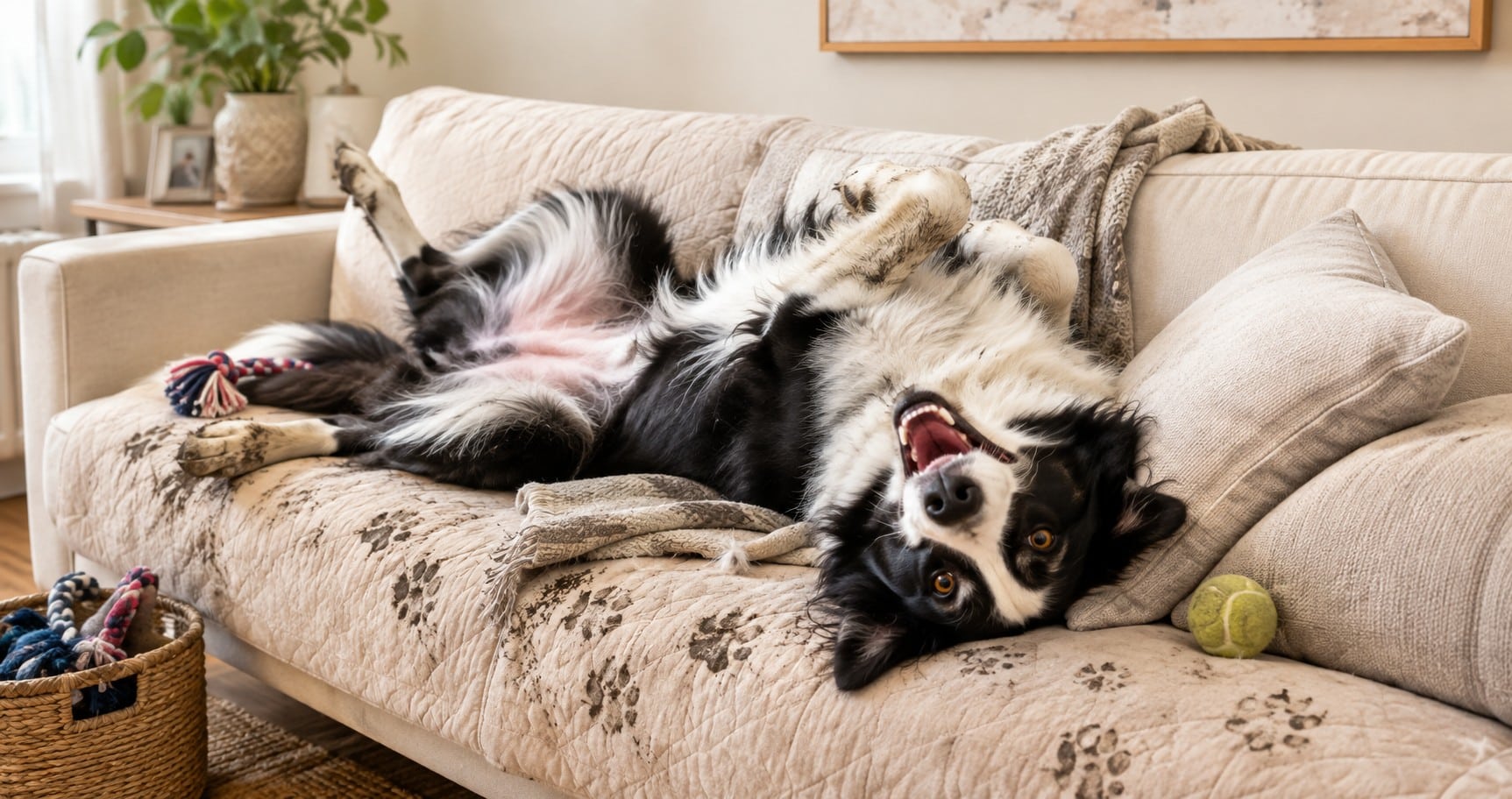
To maintain a harmonious home, interior designers, veterinary behaviorists, and materials scientists agree that success cannot be achieved by merely reactionary cleaning. Instead, homeowners must adopt a sophisticated, three-phase defense system: Pre-emptive Prevention, Active Surface Protection, and Targeted Remediation. This investigative report explores the mechanics of this system, evaluates the leading consumer technologies designed to safeguard upholstery, and outlines the future of pet-inclusive home design.
Detailed Chronology: Systematizing the Daily Defense Against Wear and Tear
To successfully defend home furnishings from the inevitable toll of canine residency, homeowners must view the challenge not as a series of random accidents, but as a predictable daily cycle. By breaking down this cycle into a chronological sequence, we can pinpoint exactly where and how protective measures should be deployed.

[Entry Point: Prevention] ──> [Transit: Protection] ──> [Settling: Comfort] ──> [Post-Event: Remediation]
      (MudBuster)                 (Stairs/Panels)            (Couch Beds/Throws)       (Rollers/Enzymes)
Phase 1: Entry-Point Interception (The First Line of Defense)
The chronological journey of a mess begins long before a dog reaches the living room. It starts at the threshold of the home. When a dog transitions from the outdoor environment—whether a rain-soaked yard or a dusty urban sidewalk—to the interior, they act as vectors for organic matter.
- The Mechanic: The canine paw pad is highly textured, designed to grip terrain, which makes it an incredibly efficient collector of mud, sand, pollen, and moisture.
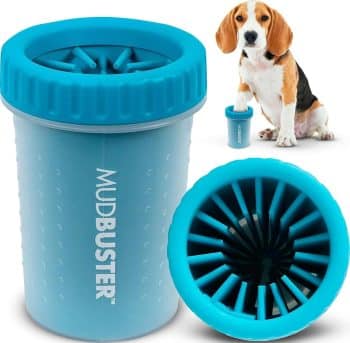
- The Intervention: Intercepting these contaminants at the doorway is the most effective way to protect indoor fabrics. Devices like the Dexas MudBuster Portable Dog Paw Cleaner utilize soft, dense silicone bristles within a water-filled vessel to mechanically agitate and lift dirt from the paw pads before it can be transferred to rugs or upholstery. Chronologically, this simple 60-second intervention eliminates up to 90% of trackable debris.
Phase 2: Active Surface Shielding and Structural Navigation
Once inside, a dog’s natural instinct is to seek elevated, comfortable vantage points—typically the family sofa. This transit phase presents two distinct threats: impact damage from climbing and surface contamination from resting.
- The Transit Threat: Small, senior, or arthritic dogs cannot easily leap onto high cushions. In their attempts to ascend, they scramble, digging their claws into the vertical face of the upholstery. This causes snagging, structural tearing, and accelerated wear on fabric seams.
- The Transit Solution: Implementing dedicated pathways, such as Lesure Dog Stairs, redirects this physical force. By providing a stable, low-impact incline, the mechanical stress of climbing is transferred from the delicate fabric of the sofa to a durable, slip-resistant step system.
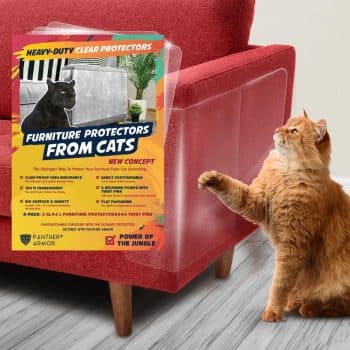
- The Structural Threat: For dogs that scratch or "nest" before lying down—a hardwired ancestral behavior aimed at creating a safe sleeping depression—the corners and cushions of sofas bear the brunt of sharp claws.
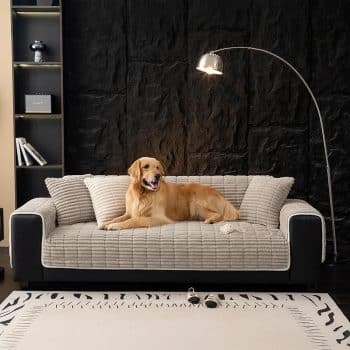
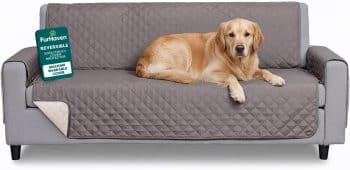
- The Structural Solution: Applying heavy-duty, self-adhesive polymer shields like Panther Armor Furniture Protectors to vulnerable corners physically prevents claws from contacting the fabric. Simultaneously, covering the primary lounging areas with heavy-duty, water-resistant barriers like the FunnyFuzzy Waterproof One-Piece Couch Cover or the modular FurHaven Reversible Furniture Protector ensures that drool, body oils, and loose dander never make contact with the underlying textile.
Phase 3: The Comfort Zone and Environmental Containment
Once settled, a dog’s impact on a couch is determined by their immediate environment. Dogs naturally seek out boundaries and soft textures that mimic the security of a den or a mother’s coat.
- The Behavioral Strategy: Rather than fighting a dog’s desire to be on the couch, homeowners can exploit their nesting instincts by placing a designated, ultra-plush boundary directly on the furniture. The Best Friends by Sheri Calming Shag Throw or a raised Calming Dog Bed for Couch (such as those by Blunique) creates a highly appealing, localized micro-environment. Because these items are engineered with high-pile, comforting textures, dogs will naturally choose to settle within these boundaries, effectively concentrating fur, dander, and moisture into a single, easily washable zone.
- Environmental Containment: The items a dog brings onto the couch also contribute to its degradation. Slobber-soaked tennis balls, raw hides, and food-stuffed enrichment toys introduce moisture and bacteria to upholstery. Establishing a strict "no toys on the couch" rule, supported by an accessible, nearby Dog Toy Storage Basket, keeps these wet, abrasive objects off delicate fabrics.
Phase 4: Post-Contact Extraction and Chemical Remediation
Despite the best preventative measures, some microscopic debris, pet hair, and organic fluids will inevitably bypass the primary barriers. The final phase of the chronology is immediate, targeted remediation.

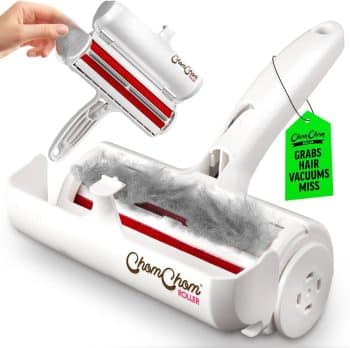
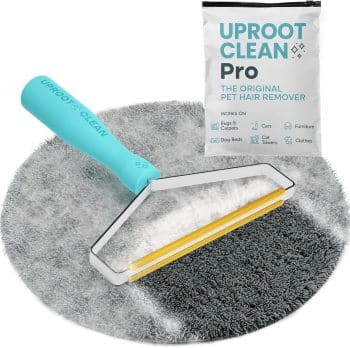
- Mechanical Extraction: Dog hair does not simply sit on top of fabric; its microscopic barbs allow it to weave itself into the textile fibers over time. For daily maintenance, a reusable static-induction tool like the ChomChom Roller is highly effective at lifting loose surface hair. However, for deeply embedded fur that has been pressed into the weave by the weight of the dog, a mechanical scraper like the Uproot Clean Pro is required to pull the stubborn fibers free.
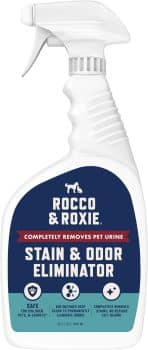
- Biochemical Remediation: In the event of physiological accidents (urine, vomit, or feces), standard household detergents are insufficient. They merely mask odors and leave behind proteins and lipids that invite repeat offenses. The immediate application of an enzymatic formula, such as Rocco & Roxie Professional Strength Stain & Odor Eliminator, is chemically necessary. The enzymes physically consume the organic proteins, completely neutralizing the stain and the microscopic odor molecules at their source.
Supporting Context & Metrics: The Science and Economics of Pet-Friendly Homes
To appreciate the necessity of specialized pet-proofing products, one must understand the underlying science of pet damage and the economic realities of modern home maintenance.
The True Cost of Fabric Degradation
Replacing a mid-range family sofa costs between $1,200 and $3,500, while high-end designer sofas can easily exceed $8,000. When pet damage accelerates the wear cycle, a sofa that should have lasted ten years may need replacement or professional reupholstery (which often costs 70-80% of the original purchase price) in under three.

By contrast, a comprehensive suite of protective gear—including a premium waterproof cover, paw cleaner, dog stairs, and enzymatic cleaner—represents a one-time capital investment of approximately $150 to $300. Scientifically, this preventative investment extends the lifespan of furniture by up to 300%, yielding an extraordinary return on investment (ROI) for the homeowner.
The Physics of Pet Hair and Odor
Understanding why pet mess is so difficult to clean requires a look at the microscopic level:
| Threat Factor | Physical/Chemical Property | Impact on Upholstery | Mitigation Technology |
|---|---|---|---|
| Canine Hair | Microscopic barbs, electrostatic charge | Weaves into fabric threads; resists standard vacuum suction | Static-induction rollers, metal-edge scrapers |
| Sebum (Body Oils) | Lipids secreted by canine skin | Binds dust and dirt to fabric; oxidizes over time to create "dog smell" | Hydrophobic covers, regular washing of throws |
| Uric Acid Crystals | Non-soluble organic salts | Resists water and standard detergents; releases strong ammonia odors when humid | Enzymatic digesters (protease, amylase, lipase) |
| Claw Impact | High localized pressure ($lbs/in^2$) | Snags threads, tears backing material, scrapes leather finishes | Polymer scratch guards, pet stairs, claw trimming |
Behavioral Metrics: Why Dogs Scratch
Many homeowners view scratching as a destructive behavioral vice, but canine behaviorists classify it as an instinctive, multi-functional activity:
- Nesting Instinct: Inherited from wild ancestors who dug shallow depressions to regulate body temperature and hide from predators.
- Scent Marking: Dogs possess scent glands in their paw pads. Scratching physically deposits their unique pheromones onto the furniture, marking it as a safe, claimed territory.
- Nail Maintenance: The physical resistance of scratching helps shed dead outer nail sheaths.
By providing clear polymer guards to block access to the couch frame and introducing a highly textured, deeply cushioned couch bed, homeowners can satisfy these instinctual needs without sacrificing their furniture.

Official Statements and Expert Guidance on Canine Behavior and Home Care
To provide authoritative clarity, we look to veterinary professionals, canine behaviorists, and textile manufacturing specialists who study the intersection of domestic life and animal welfare.
Veterinary Guidance on Joint Health and Mobility
Dr. Evelyn Ramirez, DVM, a veterinary orthopedic specialist, emphasizes that pet stairs are not merely aesthetic saviors:
"Many pet owners purchase steps or ramps to stop their dogs from clawing the sides of a leather couch. However, from a clinical perspective, these tools are vital for joint preservation. Repetitive jumping off furniture forces a dog’s front limbs to absorb impact forces up to four times their body weight. Over time, this accelerates joint degeneration, especially in breeds prone to luxating patellas, hip dysplasia, or Intervertebral Disc Disease (IVDD). Preventing the jump protects both the sofa’s spring system and the dog’s skeletal integrity."
Canine Behaviorists on "The Couch Privilege"
Canine behaviorist and author Marcus Vance argues that banning dogs from furniture is often an unnecessary battle that can damage the human-animal bond:
"Dogs are pack animals; they seek physical closeness as a sign of safety and social bonding. Banning a dog from the couch can create artificial barriers and anxiety. A far more elegant solution is the ‘Designated Zone’ philosophy. By teaching a dog that they have unrestricted access to a specific, highly comfortable blanket or couch bed on the sofa, you satisfy their emotional need for proximity while structurally protecting your home. It turns a conflict of wills into a cooperative system."
Textile Association Standards on Pet-Safe Chemicals
According to the International Certified Floorcare Professional (ICFP) guidelines, the use of proper chemical agents on household textiles is critical:
"Using bleach, ammonia, or standard dish soaps on organic pet stains is highly counterproductive. Ammonia smells strikingly similar to the nitrogenous waste in dog urine, which actually encourages the animal to re-mark the area. Only professional-grade enzymatic cleaners containing live bacteria cultures can permanently break down the hydrophobic proteins in pet waste. Homeowners must ensure these products are certified safe for their specific fabric weave to prevent color stripping or fiber weakening."
Future Outlook: The Next Generation of Pet-Inclusive Architecture and Design
As the pet-owning demographic continues to dominate the home-buying market, the interior design and textile industries are undergoing a massive transformation. The future of home design is moving away from temporary, unsightly plastic covers and toward seamlessly integrated, pet-resilient materials and architecture.
[Traditional Design] ──> [Protective Phase] ──> [Future Integrated Design]
  (Vulnerable sofa)        (Temporary covers)       (Engineered smart fabrics & built-ins)
1. Advanced Performance Textiles
The days of rough, industrial canvas being the only pet-safe fabric option are gone. Textile engineers are developing high-end luxury fabrics utilizing nanotechnology:
- Olefin and Solution-Dyed Acrylics: Fabrics originally designed for outdoor marine environments are being refined for indoor luxury. These fibers are inherently hydrophobic, stain-resistant, and can be cleaned with diluted bleach without losing color.
- Nanotech Coatings: Future furniture will feature fabrics permanently bonded with microscopic silica particles. This creates an invisible barrier that prevents liquids, oils, and odors from penetrating the fibers at a molecular level, allowing red wine or pet urine to simply bead up and roll off.
2. Integrated Pet Architecture (Pet-tecture)
Architects and high-end home builders are now designing homes with built-in pet amenities:
- Mudroom Paw-Washing Stations: Custom-built, elevated dog showers located directly inside mudrooms and entryways are becoming standard in new luxury constructions. These stations feature hand-held sprayers, tiled basins, and dedicated blow-dryers to stop outdoor dirt at the property line.
- Built-in Sofa Dens: Furniture designers are creating custom modular sofas with built-in alcoves underneath the armrests or cushions, providing a cozy, den-like sleeping space for dogs that keeps them off the main seating cushions while still keeping them close to their owners.
3. Smart, Non-Toxic Maintenance Systems
As smart home technology matures, we can expect automated systems designed to manage pet hair and dander continuously. From self-cleaning upholstery fabrics that use ambient light to break down organic matter (photocatalytic self-cleaning) to integrated air purification systems built directly into sofa frames to capture dander before it settles, the future of home design is one of effortless, invisible coexistence.
Ultimately, a pet-friendly home does not require sacrificing personal style or financial investment in quality furniture. By understanding the science of pet behavior and utilizing a strategic combination of prevention, protection, and modern material science, homeowners can enjoy the invaluable companionship of their dogs in a space that remains beautiful, clean, and built to last.