
Executive Overview
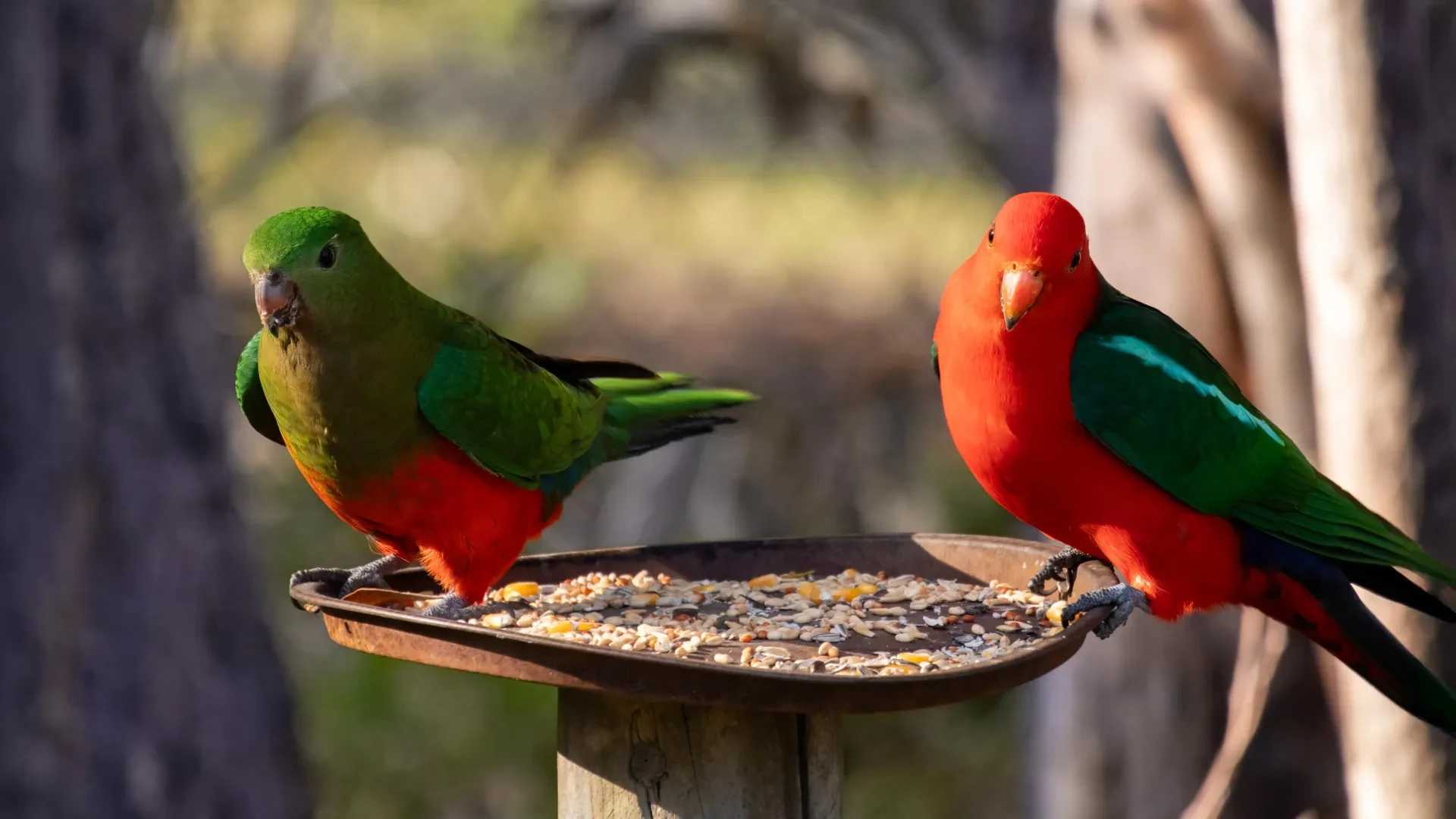
Backyard bird feeding has long been celebrated as one of Australia’s most cherished and widespread domestic pastimes. Behavioral research indicates that approximately half of all Australian households engage in the practice of feeding wild birds, with a significant proportion doing so on a daily basis. Driven by a genuine love for nature and a desire to support local wildlife during challenging environmental conditions, citizens routinely leave out seeds, grains, and meat scraps on balconies, back decks, and garden tables.
However, wildlife epidemiologists and conservation biologists are now issuing urgent warnings that this well-intentioned routine poses a critical public health and ecological threat. In the face of the escalating global H5N1 highly pathogenic avian influenza (HPAI) crisis, backyard feeding stations risk becoming localized superspreader events. By artificially congregating dense populations of diverse avian species—and attracting scavenging mammals—these feeding sites dramatically accelerate the transmission of a deadly virus that has already decimated wild animal populations worldwide and is rapidly tightening its grip on the Australian mainland.
While human infections of H5N1 remain exceptionally rare and typically present with mild symptoms, the ecological stakes could not be higher. The virus has crossed the barrier into Australian mammalian populations, recently claiming the lives of over 1,000 crested terns and a long-nosed fur seal in what marks the first documented mainland mammalian mortality. If left unchecked, the casual provision of backyard snacks could push vulnerable endemic species, such as the critically endangered orange-bellied parrot, to the absolute brink of extinction. This investigative report examines the mechanics of the H5N1 threat, reviews current epidemiological metrics, analyzes official biosecurity directives, and outlines essential mitigation strategies for Australian households.
Detailed Chronology: The Spread of H5N1 Down Under
To understand the contemporary danger of backyard feeding stations, one must trace the rapid, lethal trajectory of the H5N1 lineage as it expanded its geographic footprint across the globe before breaching Australian shores.
The Global Prelude and Island Incursions
For years, the clade 2.3.4.4b strain of H5N1 has rewritten textbooks on avian influenza. Unlike previous strains that primarily affected domestic poultry operations and faded with seasonal migrations, this modern iteration has evolved into a persistent ecological emergency. It has traversed continents, moving systematically through Asia, Europe, Africa, and the Americas, before wreaking unprecedented havoc across sub-Antarctic and Antarctic islands. Millions of seabirds—including gannets, skuas, penguins, and seals—have succumbed to neurological and respiratory failure induced by the virus.
As migratory pathways shifted, biosecurity experts anticipated the inevitable arrival of H5N1 in Australia, the final continent previously spared from this specific strain. The vast oceanic barriers that historically protected the Australian continent proved porous against highly mobile migratory shorelines and seabirds navigating the East Asian-Australasian Flyway.
The Australian Breach and Mammalian Spillover
The theoretical threat transformed into a grim reality as surveillance networks began detecting mass mortality events along Australia’s coastal fringes. The crisis escalated dramatically with a cluster of catastrophic events:
- The Crested Tern Die-Off: More than 1,000 crested terns were found dead in coordinated mass mortality spikes, exhibiting classic neurological symptoms of avian influenza, including loss of balance, head tremors, and lethargy.
- The Mainland Mammal Milestone: In what public health officials termed a grim biological milestone, the virus successfully jumped to an Australian mainland mammal, resulting in the confirmed death of a long-nosed fur seal. This event shattered previous assumptions regarding species-barrier resilience within the local ecosystem.
These incidents underscore a chilling reality: H5N1 is no longer an abstract international headline. It is actively circulating within local wildlife populations, transforming familiar coastal and garden visitors into vectors of a catastrophic pathogen.
Supporting Context & Metrics: The Science of Backyard Transmission
The intersection of suburban backyard feeding and wild bird pathology creates a volatile epidemiological environment. To grasp why a humble tray of birdseed can catalyze a widespread biological crisis, it is necessary to examine the underlying behavioral and environmental metrics.
Artificial Densities and Transmission Hotspots
In nature, wild birds forage across vast landscapes, maintaining natural distances that inhibit the rapid, direct transmission of pathogens. Avian species rarely congregate in massive, multi-species aggregations unless gathered around abundant, concentrated food sources.
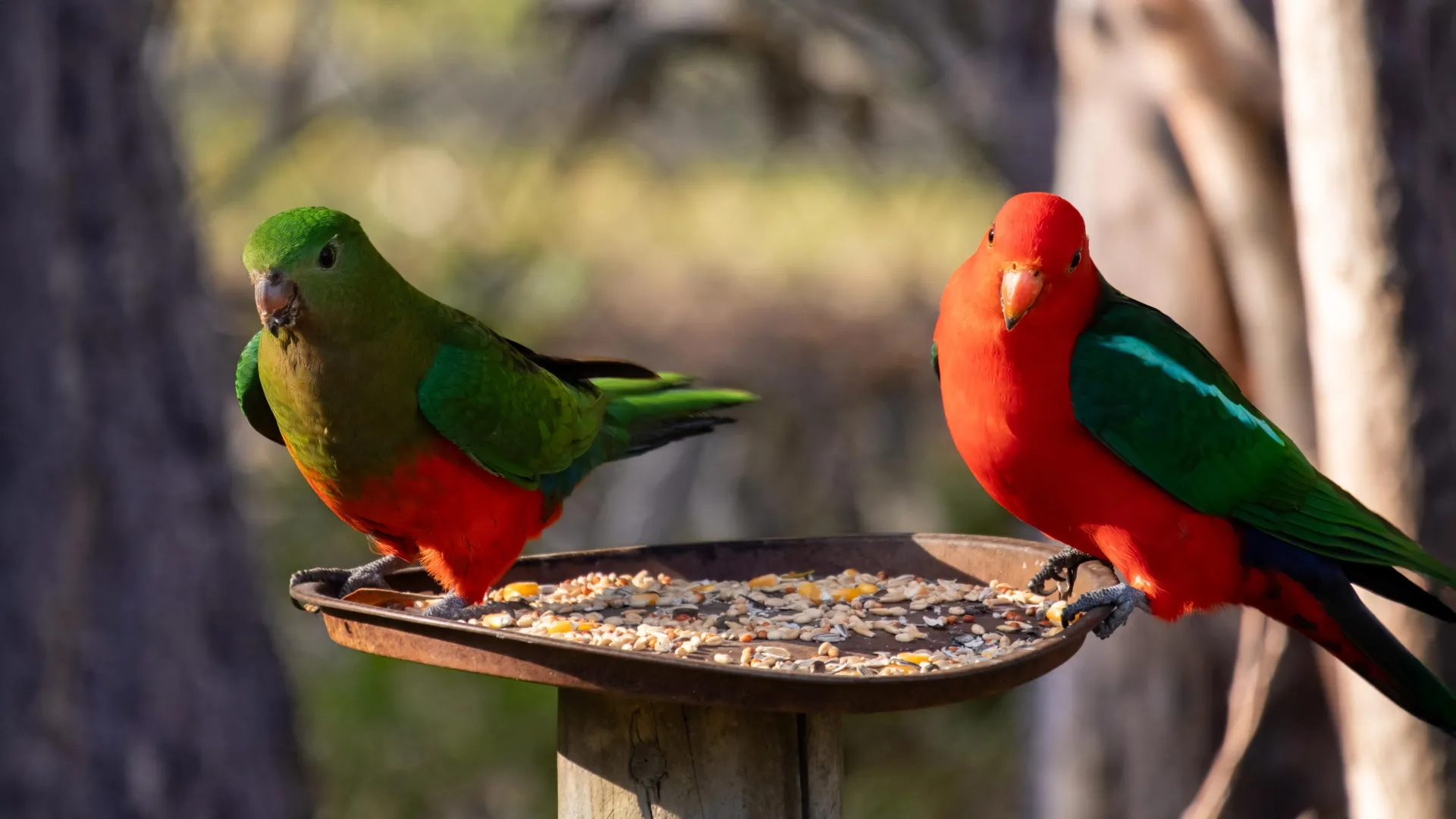
When homeowners establish a backyard feeding station, they create an artificial bounty. This lures together a dense mix of resident and migratory species—parrots, honeyeaters, doves, and corvids—that would never naturally pack so tightly into such a confined space.
- The Vector Multiplier: An infected bird visiting a feeder can shed high concentrations of the virus through saliva, nasal secretions, and faeces onto perches, feeding trays, and the food itself.
- The Cross-Species Bridge: Healthy birds visiting the same station ingest contaminated food or come into direct contact with contaminated surfaces, effectively transforming the backyard deck into a microscopic transmission hotspot.
The Ecological Myth of Essential Supplementary Feeding
A primary driver of backyard feeding is the human belief that wild birds depend on these handouts for survival, particularly during droughts, heatwaves, or urban development phases. However, extensive ecological research challenges this assumption.
Studies tracking the dietary habits of suburban bird populations reveal that most avian visitors to backyard feeders obtain the vast majority of their daily nutritional requirements from natural sources—such as native insects, nectar, seeds, and worms. The bread, seeds, and meat scraps provided by humans function primarily as supplemental snacks rather than essential meals. Unfortunately, these high-energy snacks come with a devastating hidden cost: they lure animals into high-risk contact zones.
The Scavenger Chain and Mammalian Exposure
The ecological footprint of backyard feeding extends well beyond avian species. Unsecured or excess food left outdoors routinely attracts secondary wildlife, including possums, bandicoots, rodents, red foxes, and corvids.
These scavenging animals frequently investigate or consume the carcasses of birds that have succumbed to H5N1 in the immediate vicinity of suburban gardens. Because mammalian carnivores and omnivores are increasingly susceptible to this strain of avian influenza—as evidenced by the Victorian fur seal mortality—backyard feeding sites inadvertently establish an interface where the virus can cycle between birds and mammals, inching progressively closer to domestic pets and humans.
Official Statements & Biosecurity Directives
As the toll on native wildlife mounts, federal and state agricultural departments, alongside independent conservation bodies like the Biodiversity Council, have unified their messaging. The consensus among veterinary pathologists is unequivocal: business-as-usual backyard feeding is an unacceptable biosecurity risk.
The Call for Total Cessation
Leading epidemiologists emphasize that the single most effective strategy to mitigate H5N1 transmission in suburban areas is to stop feeding wild birds altogether.
Dr. Sarah Vance, a prominent wildlife health specialist, notes:
"If you eliminate artificial food sources, wild birds disperse across their natural ranges. They do not congregate in high-density backyard bottlenecks, which drastically reduces the statistical probability of superspreader events. The birds do not need our handouts to thrive; they possess millions of years of evolutionary foraging adaptation."
The Three Golden Rules for Reluctant Feeders
Recognizing the deep emotional bonds many Australians share with their backyard visitors, authorities concede that some citizens will struggle to abandon the practice overnight. For those who choose to continue feeding, biosecurity agencies have established strict, non-negotiable risk-reduction protocols:
- Drastically Reduce Food Volume: To discourage mass congregations, homeowners must offer minimal quantities of food. By treating feeding stations like social-distancing measures, reduced food availability prevents dense flocks from assembling, thereby limiting the opportunities for direct virus transmission.
- Absolute Prohibition of Hand-Feeding: The intimate practice of enticing birds to land on human hands or fingers must cease immediately. While human susceptibility to H5N1 remains low, the physical proximity involved in hand-feeding creates an indefensible pathway for direct viral exposure through respiratory droplets, bodily fluids, or broken skin contact.
- Rigorous and Regular Sanitation: Every feeding surface, tray, water bath, and holding container must be scrubbed and sanitized regularly using domestic bleach solutions. Biosecurity experts stress a strict operational binary: If a household is not prepared to meticulously clean and disinfect feeding equipment on a daily basis, they have no ethical or ecological justification for feeding wild birds at all.
Future Outlook: Protecting Australia’s Biodiversity
The arrival of H5N1 marks a defining moment for Australian conservation. Unlike North America or Europe, where many native species evolved alongside various strains of low and high pathogenicity avian influenza, Australia’s unique fauna has developed in geographic isolation. Many endemic marsupials and isolated bird populations possess zero evolutionary defense mechanisms against a pathogen as virulent as modern H5N1.
The Threat to Endangered Endemics
Conservationists are particularly fearful for threatened and endangered species. The orange-bellied parrot (Neophema chrysogaster), which numbers fewer than a few hundred individuals in the wild, represents a fragile ecological tipping point. If H5N1 infiltrates the feeding grounds or migratory stops of such critically endangered taxa, the resulting mortality could easily drive the species past the point of no return.
A Paradigm Shift in Human-Wildlife Interaction
Moving forward, public education campaigns must pivot away from outdated notions of backyard wildlife charity. Feeding wild animals can no longer be viewed as a harmless, purely beneficial hobby. It must be recognized as an active wildlife management intervention that carries profound epidemiological responsibilities.
Citizens must learn to appreciate Australian wildlife from a respectful, safe distance. By relinquishing the desire to manage nature from our back decks—by putting away the seed packets and letting birds forage independently—Australians can play an active role in buffering their unique ecosystems against a generational ecological threat.
Emergency Protocol Reminder
If you encounter sick, distressed, or dead wild birds or marine mammals, do not touch them under any circumstances. Immediately record the precise location, capture photographs from a safe distance, keep domestic pets away from the area, and report the sighting directly to the Emergency Animal Disease Hotline on 1800 675 888 (Australia).