
Executive Overview
The landscape of modern animal advocacy is defined not only by the tireless, day-to-day rescue efforts on the ground, but also by the visionary commitment of supporters who look far beyond the horizon. For decades, organizations dedicated to the protection of cats have relied on the profound generosity of individuals whose passion for feline welfare transcends their own lifetimes. Among these steadfast champions is Cindy, a lifelong cat lover, Trap-Neuter-Return (TNR) advocate, and dedicated donor of over eight years whose recent decision to include Alley Cat Allies in her estate plans exemplifies the ultimate form of sustainable philanthropy.
This report explores the intersection of grassroots feline advocacy, community-driven Trap-Neuter-Return (TNR) initiatives, and the critical role of planned giving in safeguarding the future of vulnerable cat populations. Through an examination of Cindy’s lifelong journey with felines—typified by her playful relationship with her three resident cats, including her beloved cat Daisy—this article highlights how personal affinity transforms into systemic, institutional impact. Furthermore, this piece analyzes the broader mechanics of estate planning and legacy donations, illustrating how forward-thinking supporters can ensure that their dedication to animal protection endures for generations to come.
Detailed Chronology: A Lifelong Devotion to Feline Welfare
Early Beginnings and a Lifelong Affinity
Cindy’s relationship with the animal kingdom, and cats in particular, began in early childhood. Growing up in an environment where empathy toward animals was nurtured, she quickly recognized the unique sentience, grace, and independence of felines. While many children form fleeting attachments to household pets, Cindy’s bond with cats evolved into a core pillar of her identity. Over the years, this affinity matured from a simple childhood fondness into a sophisticated, highly informed philosophy of animal stewardship.
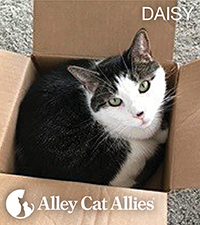
Rather than viewing cats through a traditional lens of human ownership, Cindy developed a mutual, egalitarian perspective. As the proud "mom" to three cats—including the charismatic Daisy—Cindy frequently jokes that she does not own them at all; rather, they own her. Every single day, her feline companions make their presence and affection known, reminding her that she is privileged to be "their human." This daily interaction is more than a source of joy; it is a continuous reinforcement of her moral obligation to protect cats everywhere, both inside and outside the home.
The Evolution of an Advocate: Eight Years of Partnership with Alley Cat Allies
As Cindy’s understanding of animal welfare deepened, she realized that individual care, while vital, must be paired with broader organizational advocacy to tackle systemic issues like overpopulation and shelter overcrowding. Eight years ago, this realization led her to Alley Cat Allies, a leading national organization dedicated to protecting and improving the lives of cats.
For nearly a decade, Cindy has maintained an unbroken streak of financial support, viewing her contributions not merely as donations, but as vital investments in a safer, more humane world for felines. Her support has tracked alongside the expansion of modern humane education and the mainstreaming of progressive policies designed to protect outdoor cats.
Stepping Up: Embracing Trap-Neuter-Return (TNR)
Beyond financial philanthropy, Cindy has actively engaged in the principles of Trap-Neuter-Return (TNR), the proven, humane method of managing community cat populations. For Cindy, every time she participates in or supports a TNR initiative, she experiences a profound sense of fulfillment. She recognizes that TNR operates on a dual level of compassion: it immediately safeguards an individual cat’s life by sparing them from the harsh realities of shelter euthanasia and outdoor hazards, and it breaks the relentless cycle of reproduction. Knowing that a trapped, neutered, and returned cat will no longer face the physical toll of endless litters provides her with immeasurable peace of mind.
Joining the Legacy Society: Planning for Tomorrow
Cindy’s most transformative step as an advocate came when she decided to formalize her long-term commitment by joining the Alley Cat Allies Legacy Society. By incorporating the organization into her estate plans, Cindy ensured that her passion for protecting cats would not conclude with her lifetime. Recognizing that systemic change requires long-term financial health, her planned gift acts as a bridge between her current advocacy and a secure future for feline protection efforts nationwide.
Supporting Context & Metrics: The Mechanics of Planned Giving and TNR
The Crucial Role of Planned Giving in Animal Welfare
In the nonprofit sector, planned gifts—such as bequests through a will, charitable gift annuities, and trusts—represent the bedrock of organizational longevity. While day-to-day donations keep operational programs running in real time, planned gifts establish endowment-like security, allowing advocacy organizations to plan multi-year initiatives, respond rapidly to emergency rescue operations, and invest heavily in legislative reform.
Alley Cat Allies relies heavily on such visionary philanthropy to sustain its nationwide campaigns. According to philanthropic data within the animal welfare sector, planned giving accounts for a substantial percentage of major nonprofit capital reserves. For an organization working to shift municipal policies away from lethal animal control methods and toward humane, non-lethal programs like TNR, having guaranteed future funding is essential.
The Science and Economics of Trap-Neuter-Return (TNR)
To fully understand why advocates like Cindy dedicate their resources to organizations like Alley Cat Allies, one must examine the empirical success of TNR. Traditional catch-and-kill approaches to community cat management have proven both economically wasteful and biologically ineffective due to a phenomenon known as the "vacuum effect"—when cats are removed from an area, new cats quickly move in to exploit the available food and shelter resources.
In contrast, TNR operates on ecological principles:
- Humane Capture: Community cats are safely humanely trapped.
- Veterinary Care: The cats are spayed or neutered, vaccinated against rabies, and often ear-tipped (the universal sign of a sterilized community cat) by licensed veterinarians.
- Return: The cats are returned to their outdoor home, where they live out their natural lives without contributing to population growth.
Studies consistently demonstrate that TNR stabilizes and gradually reduces community cat populations over time while eliminating nuisance behaviors associated with unsterilized cats, such as yowling and fighting. By supporting organizations that lobby for, educate about, and implement TNR on a national scale, donors like Cindy multiply their impact exponentially.
Official Statements and Perspectives
The philosophy driving planned giving and grassroots advocacy is best articulated by those who live it every day. Reflecting on her decision to leave a bequest to Alley Cat Allies, Cindy shared a deeply personal perspective:
"Like anyone who cares deeply about animals, I’d like to think I’m continuing to help after I’m gone. In addition, I believe strongly in the work that your organization does. It goes far beyond just rescuing homeless cats and kittens. I believe Alley Cat Allies really makes a difference."
This sentiment underscores a fundamental truth of effective philanthropy: donors do not simply give to an institution; they invest in a shared vision of the future. Alley Cat Allies has consistently emphasized that gifts of any size—whether through immediate online contributions or complex estate planning—empower the organization to challenge cruel public policies, educate communities, and provide direct veterinary and rescue aid where it is needed most.
Future Outlook: Building a Humane Tomorrow for Felines
As we look toward the future of animal advocacy, the synergy between individual compassion and institutional reach will remain paramount. The challenges facing cats—ranging from municipal animal shelter overpopulation to climate-related displacement and inadequate legal protections—require robust, well-funded, and legally protected advocacy networks.
The Expanding Horizon of Planned Giving
Organizations are increasingly streamlining the process of legacy giving, making it easier than ever for supporters to leave a lasting mark. Through simplified bequests, charitable remainder trusts, and designated gifts, everyday animal lovers can secure the financial foundation of organizations like Alley Cat Allies without compromising their current financial security.
Educational initiatives—such as informative newsletters, digital resources, and accessible QR codes linking directly to planned giving portals—are demystifying the estate planning process. As more advocates follow Cindy’s lead and join legacy societies, the collective defensive shield protecting cats across the nation grows stronger.
A Call to Action for Supporters Everywhere
Cindy’s journey—from a childhood cat lover to a dedicated eight-year donor and Legacy Society member—serves as an inspiring blueprint for what is possible when personal passion meets structured philanthropy. Her cats, including Daisy, remind her daily of the joy felines bring to human lives, inspiring a reciprocal dedication to ensure that all cats are treated with dignity, compassion, and respect.
For those inspired by Cindy’s story, the path to making a lasting impact is open. Supporters can explore various avenues of giving to ensure that the voices for cats remain loud, clear, and well-funded for decades to come:
- Immediate Contributions: Visit alleycat.org/Donate to support ongoing rescue, education, and TNR programs.
- Planned Giving and Bequests: Learn how to maximize your lifesaving impact through estate planning at alleycat.org/PlannedGiving or scan the dedicated informational QR code.
- Direct Inquiries: For specific questions regarding bequests, CFC giving (CFC #10964), or tax identification details (EIN #52-1742079), supporters are encouraged to call 866-309-6207 to speak directly with a dedicated organizational representative.
Ultimately, the legacy we build for cats is a reflection of our own humanity. By following the example of advocates like Cindy, we can ensure that every cat—whether curled up on a living room sofa or thriving in a managed outdoor colony—finds protection, safety, and unwavering advocacy today, tomorrow, and far into the future.