
Executive Overview
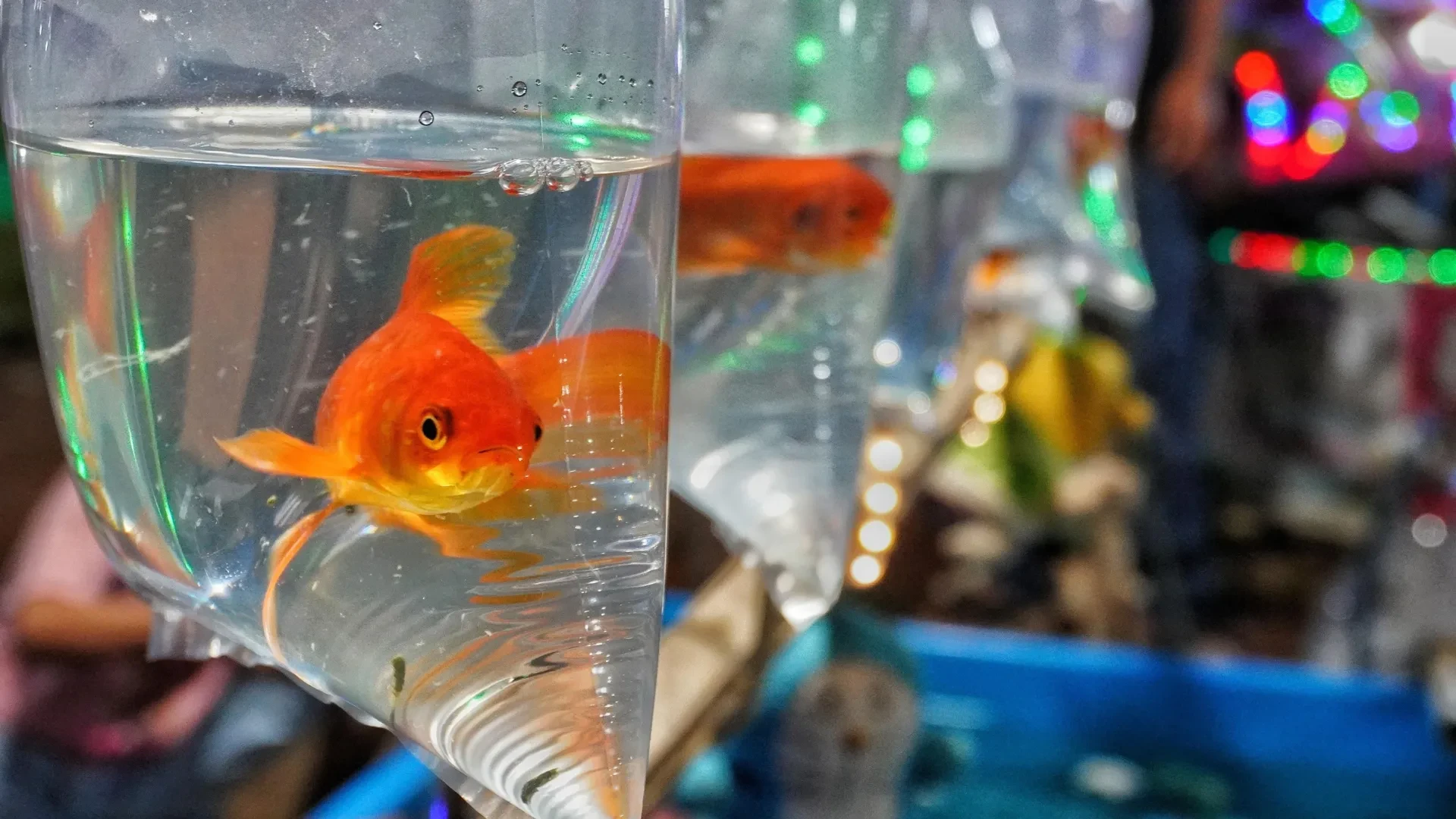
For millions of households around the world, the humble goldfish (Carassius auratus) is the quintessential first pet. Housed in desktop bowls, decorative garden ponds, and indoor glass tanks, these resilient, glittering creatures are often viewed as low-maintenance, harmless companions. However, a landmark peer-reviewed study published in the Journal of Animal Ecology has delivered an urgent, scientifically backed warning that shatters this benign image: when goldfish are released or escape into the wild, they transform from domestic pets into aggressive ecological disruptors capable of fracturing the delicate balance of freshwater habitats.
Conducted by a collaborative team of researchers from The University of Toledo and the University of Missouri, the research provides some of the most rigorous, experimentally validated evidence to date regarding the destructive capacities of invasive goldfish. Utilizing large-scale, outdoor freshwater mesocosms—controlled artificial environments meticulously engineered to mimic the complex dynamics of real-world lakes—the research team tracked the systemic impacts of goldfish across varying aquatic conditions. Their findings reveal that these seemingly docile fish can catalyze dramatic "regime shifts," pushing vulnerable freshwater ecosystems across ecological tipping points into fundamentally degraded, turbid states.
The implications of this study extend far beyond academic circles, offering a sobering wake-up call for pet owners, commercial pet trade regulators, natural resource managers, and environmental policymakers. As global trade continues to move aquatic species across continents at unprecedented rates, the habit of releasing unwanted aquarium pets into local waterways has morphed into a silent crisis. This comprehensive report explores the methodology, empirical findings, ecological mechanisms, and urgent mitigation strategies emerging from the University of Toledo and University of Missouri collaboration, charting a path forward to protect fragile freshwater biodiversity from the growing threat of discarded domestic fauna.
Detailed Chronology: Unraveling the Experimental Methodology
To understand the profound impact of goldfish on natural water bodies, researchers had to overcome a major hurdle inherent in field ecology: isolating the specific damage caused by goldfish from the background noise of natural environmental fluctuations and general fish overpopulation.
Designing the Mesocosm Experiment
Led by Dr. William Hintz, an associate professor in UToledo’s Department of Environmental Sciences and Lake Erie Center, alongside Hannah Barrett and Dr. Rick Relyea from the University of Missouri, the research team designed an ambitious multi-month experiment. They constructed large outdoor freshwater mesocosms—large tanks that hold thousands of liters of water and replicate the structural, biological, and chemical properties of natural lakes, including sediment layers, aquatic vegetation, zooplankton communities, and nutrient cycles.
The team set out to test the effects of goldfish (Carassius auratus) across two distinct freshwater environments:
- Oligotrophic Waters: Nutrient-poor, clear-water ecosystems characterized by low biological productivity and high water transparency.
- Eutrophic Waters: Nutrient-rich systems characterized by high primary productivity, frequent algal blooms, and naturally lower water clarity.
By testing goldfish across these contrasting trophic states, the researchers could determine whether the fish caused uniform damage or if their destructive potential depended on the initial baseline conditions of the lake.
The Experimental Approach: Additive vs. Substitutive Designs
A critical strength of the study lies in its experimental architecture. The researchers implemented both additive and substitutive experimental designs. This methodological rigor allowed the scientific team to separate the effects explicitly attributable to goldfish from the general physiological and behavioral impacts associated with having a higher density of fish overall.
Over the course of the monitoring period, researchers meticulously tracked multiple water quality and ecological metrics, including:
- Water turbidity and sedimentation rates.
- Phytoplankton and zooplankton population dynamics.
- The growth, distribution, and survival of filamentous algae.
- The physical condition, growth rates, and competitive stress experienced by native fish species sharing the habitat.
The Anatomy of a "Regime Shift"
The data revealed a chilling ecological phenomenon: the induction of a "regime shift." In ecology, a regime shift occurs when an ecosystem is subjected to sustained stress, crossing a critical threshold where self-regulating feedback loops collapse. The system rapidly reorganizes into an entirely new state—typically one dominated by murky water, rampant algae, and depleted biodiversity—from which recovery is notoriously difficult, time-consuming, and financially exorbitant.
In both nutrient-poor and nutrient-rich mesocosms, the introduction of goldfish initiated this catastrophic cascade. Unlike native fish that have evolved alongside local predators, competitors, and flora, goldfish possess a suite of aggressive biological traits that enable them to dominate novel environments with devastating efficiency.
Supporting Context & Metrics: The Mechanics of Invasion
Why are goldfish—often perceived as slow, delicate swimmers—so extraordinarily destructive once introduced to the wild? The answer lies in their evolutionary biology, physiological resilience, and behavioral characteristics.
Size, Growth, and Benthic Disturbance
Many pet owners are unaware that the size of a goldfish is heavily influenced by the volume of its environment. In a small glass bowl or a restricted tank, goldfish often remain small. However, when introduced to a sprawling natural lake, pond, or slow-moving river, Carassius auratus undergoes rapid and dramatic somatic growth. They routinely grow into massive, heavy-bodied fish capable of weighing several pounds and spanning more than a foot in length.
As these fish grow, their foraging habits become a primary driver of habitat degradation. Goldfish are benthic feeders, meaning they search for food along the bottom substrate of a lake or pond. Using their mouths, they continuously vacuum up mud, sand, and organic detritus, sorting through the sediment for insect larvae, crustaceans, and plant matter.
This constant bottom-feeding behavior stirs up fine sediments, suspending silt and particulate matter in the water column. The resulting turbidity blocks sunlight from penetrating the water, which in turn kills off rooted submerged aquatic vegetation (macrophytes). Because aquatic plants play a vital role in stabilizing lake beds, absorbing excess nutrients, and providing shelter for native fish fry and macroinvertebrates, their destruction triggers a domino effect across the entire food web.
[Goldfish Introduced]
       │
       ▼
[Rapid Somatic Growth in Open Waters]
       │
       ▼
[Aggressive Benthic Foraging & Sediment Silt Stirring]
       │
       ▼
[Increased Water Turbidity & Sunlight Blockade]
       │
       ▼
[Submerged Aquatic Vegetation Dies Off]
       │
       ▼
[Nutrient Release Triggers Algal Blooms]
       │
       ▼
[Ecosystem Collapse & "Regime Shift" to Degraded State]
Competitive Dominance and Predatory Pressures
Beyond physical habitat alteration, goldfish exert intense pressure on native species through direct resource competition and dietary versatility. Goldfish are opportunistic omnivores. They consume vast quantities of zooplankton—microscopic animals that naturally graze on algae. By depleting zooplankton populations, goldfish indirectly remove the natural checks on microscopic algae growth, paving the way for explosive, noxious algal blooms.
Furthermore, goldfish are remarkably hardy. They can tolerate extreme water temperatures, surviving freezing winters by burying themselves in the mud and entering a state of metabolic slowdown. They are also exceptionally resilient to low dissolved oxygen levels (hypoxia), allowing them to survive in stagnant, polluted, or eutrophic waters that would easily kill sensitive native sportfish such as trout, bass, or native minnows.
This combination of physiological toughness, rapid reproduction, omnivorous diet, and habitat-altering behavior allows goldfish to outcompete native fauna for food, space, and breeding grounds, ultimately driving down local biodiversity.
Official Statements and Expert Perspectives
The gravity of these findings has prompted leading researchers and conservation scientists to issue strong, direct appeals to the public and regulatory bodies. The disconnect between public perception—where releasing a pet is viewed as an act of compassion—and ecological reality remains one of the greatest hurdles in invasive species management.
Dr. William Hintz: Bridging the Science-Public Divide
Dr. William Hintz, lead investigator of the study, associate professor in UToledo’s Department of Environmental Sciences, and researcher at the Lake Erie Center, emphasized the urgent need to reframe how society views pet abandonment:
"It is critically important to inform the public that their pets can become pests that will harm freshwater ecosystems. The evidence is now clear — releasing a goldfish into the wild might be seen as an act of kindness, but it can turn into a major ecological threat."
Dr. Hintz noted that the cultural normalization of goldfish as disposable, low-stakes pets contributes heavily to the unwitting release of animals into local ponds and rivers. When children grow tired of caring for their bowl-bound pets, or when goldfish outgrow backyard garden ponds during heavy rains and seasonal flooding events, well-meaning owners frequently tip them into natural waterways, assuming the fish will simply blend in or perish. As the UToledo-Mizzou study proves, nothing could be further from the truth.
Dr. Rick Relyea: Unmasking the Scale of the Threat
Co-author Dr. Rick Relyea—professor in the University of Missouri College of Agriculture, Food and Natural Resources and director of Mizzou’s Johnny Morris Institute of Fisheries, Wetlands and Aquatic Systems—highlighted the sheer speed and physical transformation that occurs when domestic goldfish enter natural habitats:
"If goldfish are released into the wild, they rapidly grow into very large fish that stir up lake sediments, consume large numbers of prey and compete with native fish."
Dr. Relyea’s commentary underscores the insidious nature of the invasion. Because the transformation from a tiny, decorative pet to a large, sediment-stirring engine of ecological destruction happens out of sight beneath the surface of murky waters, public awareness often lags far behind the actual environmental damage occurring in local municipal lakes and regional watersheds.
Future Outlook: Mitigation, Prevention, and Policy Recommendations
Addressing the invasive goldfish crisis requires a multi-pronged approach that bridges public education, responsible pet trade regulations, and aggressive natural resource management. Left unchecked, established feral goldfish populations can permanently alter municipal watersheds, reducing property values associated with recreational lakes, harming local fisheries, and degrading water quality for surrounding communities.
1. Elevating Goldfish on Invasive Species Priorities
Natural resource agencies and state departments of natural resources (DNRs) must reclassify goldfish (Carassius auratus) from benign ornamental species to high-priority invasive threats. Conservation frameworks should allocate funding toward early detection, monitoring, and eradication protocols, particularly in urban and suburban water bodies where pet releases are most frequent. Once feral populations establish reproducing colonies, removal requires labor-intensive and costly interventions, such as electrofishing, netting, or the application of piscicides (fish-killing agents) under strict regulatory oversight.
2. Strengthening Public Education and Pet Industry Ethics
Public awareness campaigns are paramount. Educational initiatives must target pet store consumers at the point of purchase. Pet retailers, aquascaping hobbyist groups, and public aquariums should display clear signage and provide informational literature warning buyers about the lifelong commitment required to house aquatic pets and the strict prohibition against releasing them into natural environments.
3. Promoting Responsible Alternatives for Unwanted Pets
When pet owners can no longer care for their goldfish, clear, accessible, and ethical alternatives must be available and promoted. Communities and pet stores should encourage and facilitate:
- Returns to Retailers: Many local pet shops will accept healthy surrendered fish or provide guidance on trade-ins.
- Adoption Networks: Connecting unwanted fish with hobbyists who maintain large indoor aquariums or properly managed, secure outdoor ornamental ponds.
- Surrender Protocols: Establishing municipal or academic surrender programs where aquatic animals can be humanely rehomed or euthanized according to veterinary standards rather than being dumped into local ecosystems.
4. Engineering Resilient Urban Watersheds
City planners and landscape architects designing stormwater retention ponds, urban parks, and neighborhood lakes must incorporate architectural safeguards to prevent accidental escapes during flood events. Installing physical barriers, overflow screens, and containment nets can prevent ornamental pond inhabitants from breaching local natural waterways during heavy precipitation and seasonal storms.
Conclusion
The groundbreaking research from The University of Toledo and the University of Missouri serves as an indispensable reality check for modern conservation. The goldfish—a symbol of tranquility and domestic simplicity—serves as a potent reminder that ecological boundaries are fragile. When detached from closed aquariums and introduced into open freshwater habitats, these resilient survivors trigger devastating regime shifts, turning vibrant, clear lakes into turbid, degraded biological deserts.
Mitigating this threat requires abandoning the comforting illusion that small pet releases are harmless. Through rigorous scientific inquiry, proactive regulatory policy, and a cultural shift toward responsible pet ownership, society can protect fragile freshwater ecosystems from the hidden perils swimming beneath the surface of our backyard ponds and local waterways.