
Executive Overview
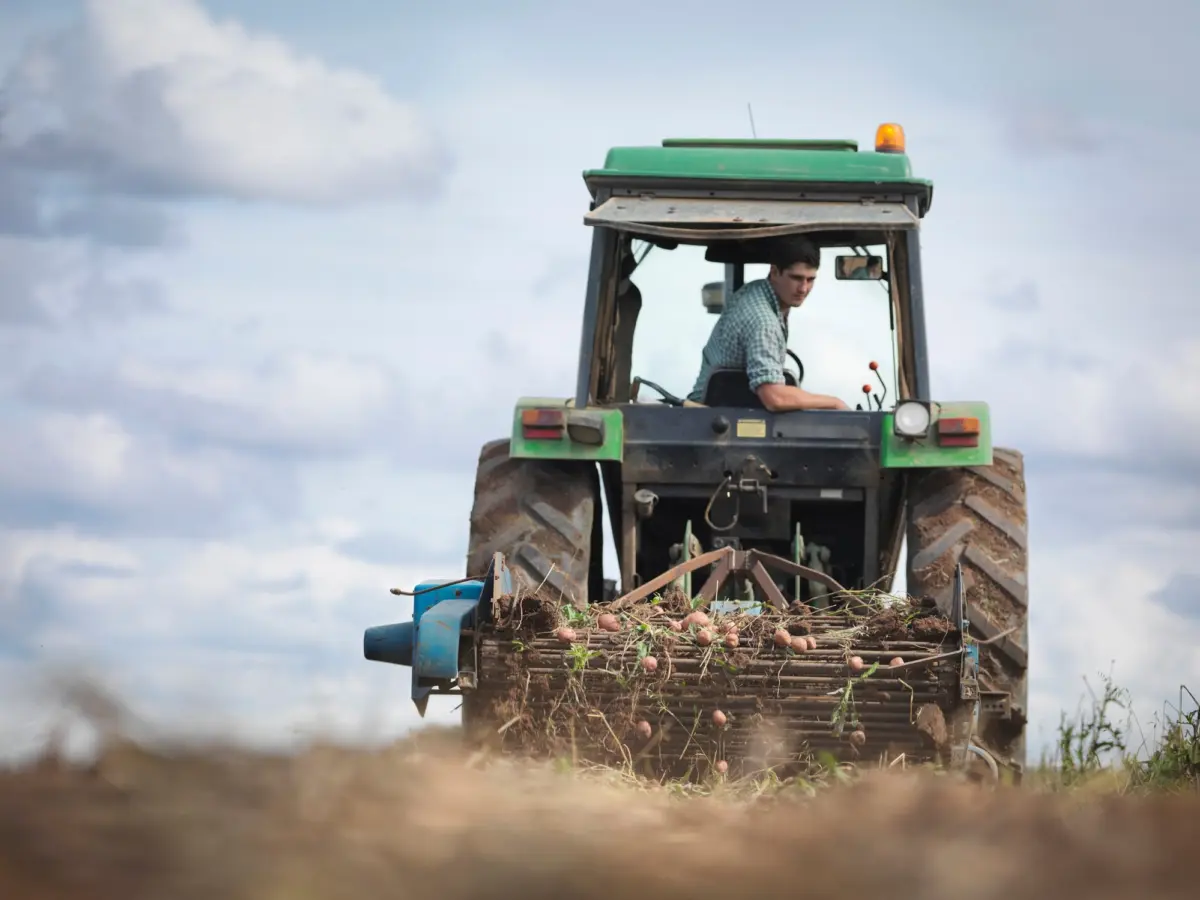
In an era defined by intensifying climate volatility, resource scarcity, and soaring operational costs, global food conglomerates face unprecedented threats to their raw material supply chains. Among these industry giants, multinational food and beverage powerhouse PepsiCo finds itself uniquely exposed. As one of the single largest institutional buyers of potatoes globally—securing massive volumes annually to feed iconic snack brands like Lay’s and Doritos—the company relies on a vast, intricate agricultural web. Remarkably, PepsiCo does not farm the land itself. Instead, its operational continuity depends almost entirely on an independent network of approximately 300,000 agricultural producers spread across diverse geographies.
Faced with mounting headwinds—including severe droughts across European growing regions, escalating fuel and input costs, localized labor shortages, and shifting precipitation patterns—PepsiCo is radically transforming its agricultural outreach strategy. Rather than imposing top-down mandates, the corporation is attempting to harness and circulate the collective, grassroots knowledge of its vast grower network.
At the heart of this strategy is a deliberate shift away from rigid checklists and toward outcome-driven regenerative agriculture. By pairing advanced predictive analytics—such as its proprietary Climate Resilience Platform—with peer-to-peer knowledge transfer models like its recent Global Agro University in Hannover, Germany, PepsiCo is attempting to build a resilient, future-proof agricultural supply chain. This comprehensive analysis explores how the company is navigating the delicate intersection of climate adaptation, digital innovation, commercial economics, and the most vital currency in modern agriculture: trust.
Detailed Chronology of an Evolving Agricultural Strategy
To understand PepsiCo’s modern approach to agricultural procurement and supply chain resilience, it is necessary to examine how the company has progressively evolved its engagement with growers over recent decades.
From Transactional Purchasing to Strategic Partnership
Historically, corporate food procurement was characterized by a transactional relationship: a multinational buyer set rigid specifications for crop yield, quality, and price, leaving the grower to shoulder the localized production risks. However, as global weather patterns became increasingly erratic in the late 2000s and 2010s, this model revealed structural vulnerabilities. Crop failures, regional water crises, and volatile input markets began to directly threaten the security of supply for signature brands.
Recognizing that supply chain security required active intervention at the farm level, PepsiCo began expanding its agronomic support systems. The company slowly transitioned from being a passive buyer to an active collaborator, embedding agronomists within farming communities to advise on pest management, soil optimization, and harvest storage.
The Digital Turn: The Frito-Lay Ag Platform
As digital technologies matured, PepsiCo recognized the need to democratize information access across its vast, multilingual supply chain. The rollout of the Frito-Lay Ag knowledge-sharing platform marked a major milestone in this chronology. Designed to serve both growers and in-house agronomists, the digital repository centralized decades of institutional learning regarding successful potato production, disease mitigation, and optimal planting windows.
More recently, the integration of artificial intelligence (AI) into the platform transformed it from a static digital library into a dynamic, searchable advisory tool. Yet, executive leadership quickly realized that digital platforms—while vital—had distinct limitations. Algorithms could not replace the nuance of tactile, experiential learning or address the inherent skepticism of a farmer weighing financial survival against operational change.
Scaling Global Dialogue: The Global Agro University
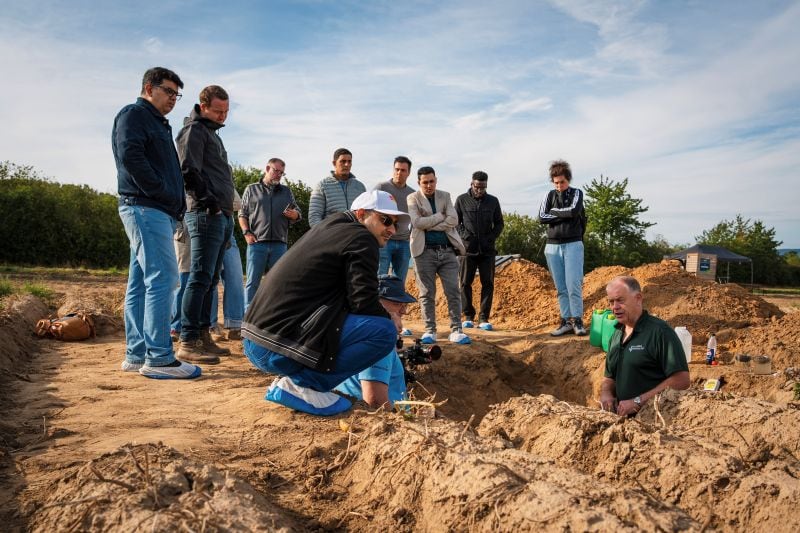
The culmination of PepsiCo’s modern networking strategy took physical shape at events like the Global Agro University, hosted in Hannover, Germany. Bringing together more than 140 growers, suppliers, agronomists, and academic experts from over 35 countries, the initiative broke down traditional geographic silos.
Rather than serving as a lecture hall for corporate directives, the Hannover symposium was engineered as a dynamic peer-to-peer problem-solving forum. It allowed a potato farmer from Western Europe battling historic drought cycles to compare notes with a grower from Asia navigating entirely different climatic and economic pressures. By institutionalizing these cross-border exchanges, PepsiCo established a scalable blueprint for global agricultural adaptation.
Supporting Context & Metrics: The Scale of the Challenge
The urgency driving PepsiCo’s strategic pivot is underscored by a convergence of environmental, economic, and operational pressures.
The Global Potato Footprint
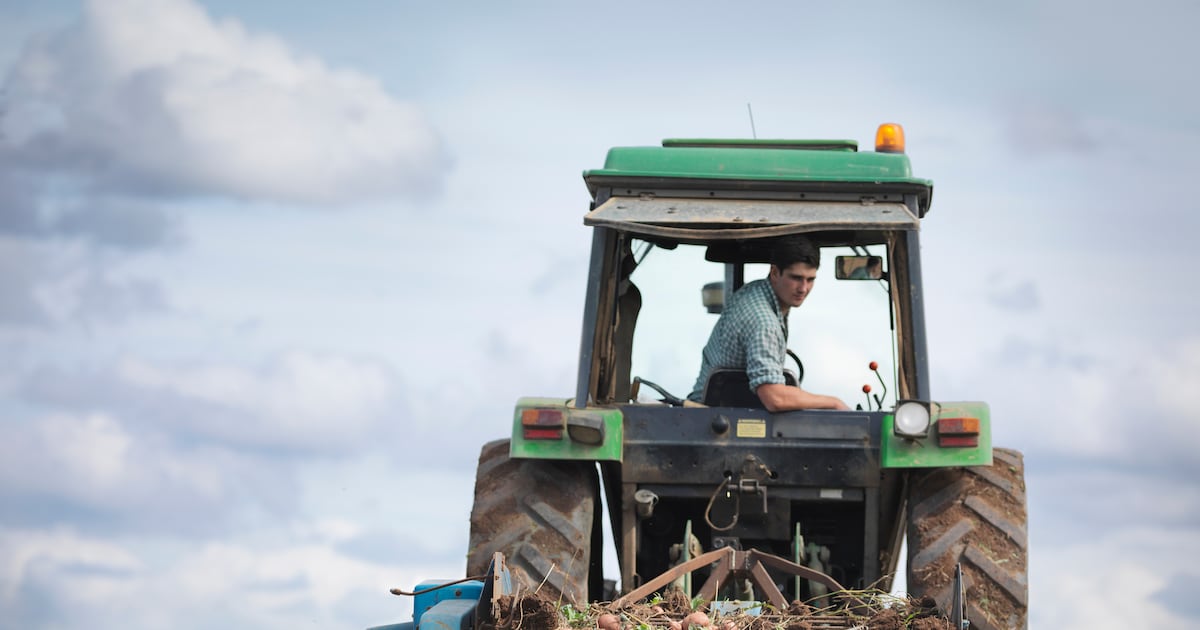
- Scale of Operation: PepsiCo collaborates with approximately 300,000 farmers globally across its extensive agricultural supply chains.
- Global Exposure: The company’s recent Hannover symposium drew participants from over 35 countries, illustrating the truly international scope of its sourcing network.
- Core Vulnerability: Because PepsiCo does not directly own or operate the agricultural land that feeds its flagship brands, its business model is entirely dependent on the individual adaptability and financial viability of third-party growers.
Environmental Headwinds
The challenges facing potato producers are multifaceted and regionally distinct, yet collectively severe:
- Water Scarcity and Extreme Weather: Water availability has emerged as a primary bottleneck. European potato farmers, for instance, have experienced repeated waves of severe summer droughts, disrupting traditional growing cycles and forcing a rapid reevaluation of irrigation infrastructure.
- Input Cost Inflation: Surging prices for synthetic fertilizers, diesel fuel, and specialized agricultural machinery have compressed profit margins across the board.
- Labor Constraints: Chronic labor shortages in key agricultural sectors have accelerated the need for mechanization and efficiency-enhancing farming techniques.
The Mechanics of Innovation: Bed Planting as a Case Study
The complexity of transferring agricultural technology across borders is vividly illustrated by PepsiCo’s cross-continental initiatives. In one notable project, the company coordinated study tours bringing growers and agronomists from China to the United States to observe and evaluate bed planting.
Bed planting is a relatively straightforward agronomic technique involving the creation of wider, elevated growing beds. This method can optimize seeding rates, improve land productivity, enhance water-use efficiency, and streamline nutrient management. However, as PepsiCo’s agricultural procurement leadership points out, transmitting a technical description via a PDF or video tutorial is entirely different from executing a successful operational transition.
Bed planting is not a universal panacea. Implementing the technique often requires specific soil typologies, costly modifications to existing farm machinery, and adjustments to the broader agronomic ecosystem of the farm. By facilitating direct, face-to-face dialogues between Chinese and American farmers who had already navigated these complex transitions, PepsiCo bridged the gap between theoretical possibility and practical on-farm adoption.
Official Statements & Leadership Perspectives
At the center of PepsiCo’s agricultural transformation is Rob Meyers, Vice President of Global Agriculture Procurement. In interviews and industry forums, Meyers has articulated a pragmatic, ground-up philosophy that rejects one-size-fits-all solutions in favor of contextualized problem-solving and foundational excellence.
A Laser Focus on the Fundamentals
Reflecting on the compounding pressures facing modern growers, Meyers emphasizes that high-tech interventions must be built upon a foundation of agricultural basics.
"Doing the fundamentals well… the backdrop of all the challenges sort of just highlights the need to do the fundamentals really, really well," Meyers notes.
Whether managing seed selection, planting depth, harvesting timing, storage conditions, or post-harvest transportation, getting the basics right remains the ultimate line of defense against environmental volatility. Water management, in particular, demands this rigorous approach. Growers participating in the Agro University showed intense interest in PepsiCo-backed research aimed at enhancing soil structure to maximize natural water-holding capacity, alongside investments in hyper-efficient irrigation technologies.
Rejecting the "Recipe" Model of Regenerative Agriculture
PepsiCo’s approach to regenerative agriculture has similarly evolved toward flexibility. Rather than handing farmers a rigid checklist or a universal "recipe" of mandated practices, the company focuses relentlessly on desired outcomes. According to Meyers, prescribing a rigid checklist often backfires:
"You can follow a checklist and not get the outcomes. The most important thing are those outcomes of better soil health and… things that lead to a more resilient and efficient operation."
Drawing an analogy to baking a cake, Meyers explains that while every baker knows the desired end product, the specific ingredients, equipment, and methods must be adapted to fit the unique kitchen environment of each individual farm.
The Currency of Trust
Perhaps the most striking insight from PepsiCo’s leadership is the recognition that technical feasibility is secondary to interpersonal dynamics. Adopting a new cultivation method introduces both capital and operational risks. Consequently, farmers are deeply skeptical of corporate mandates, preferring instead to rely on the lived experiences of their peers.
"Maybe the second most valuable thing in agriculture after the soil is trust," Meyers asserts.
By functioning as a facilitator rather than a dictator of agricultural practices, PepsiCo leverages this trust, connecting growers with peers who have successfully walked the path of adaptation before them.
Future Outlook: Navigating Climate Shift and Economic Realities
Looking toward the horizon of 2030 and beyond, PepsiCo’s agricultural strategy must confront hard questions regarding geographical viability, predictive climate modeling, and the economics of farm-level investment.
Climate Change and the "Potato Map"
The long-term viability of traditional agricultural regions is increasingly in question. Asked whether shifting climate patterns could eventually force PepsiCo to relocate its sourcing regions, Meyers offers a sober assessment:
"Definitely climate change is going to impact how we grow. It may make some regions… less viable than others, but we’re focused on how do we adapt and mitigate to address the challenges."
To maintain foresight, PepsiCo utilizes its advanced Climate Resilience Platform. This predictive tool grants agricultural teams the ability to peer forward to the end of the decade, modeling localized climate impacts—from shifting thermal bands to erratic precipitation—long before they materialize on the farm. By supplying growers and agronomists with this predictive intelligence, the company aims to preemptively adjust growing calendars, seed varieties, and soil management strategies.
Who Pays for Resilience?
Knowledge, trust, and predictive data are invaluable assets, but they do not eliminate the harsh economic realities of capital expenditure. Transitioning to advanced irrigation systems, purchasing specialized machinery, or overhauling a production system requires significant upfront investment.
PepsiCo stops short of directly purchasing heavy equipment for its suppliers. Instead, the company addresses the economic hurdle through the structure of its commercial relationships. Because PepsiCo maintains generational, long-term partnerships with many of its potato growers, it is uniquely positioned to evaluate and factor farm-level cost structures, pricing models, and future capital requirements directly into commercial contracts.
By combining long-term financial visibility with peer-driven knowledge exchanges that mitigate perceived operational risk, PepsiCo is attempting to solve one of the most vexing equations in modern agribusiness. As environmental pressures mount, the company’s formula remains remarkably clear: anchor operations in agricultural fundamentals, equip growers with forward-looking climate intelligence, and foster a global community built on shared experience and hard-earned trust.