The symbiotic relationship between humans and canines has evolved over millennia from a basic survival partnership into a sophisticated framework of domestic integration and specialized utility. At the core of this historical alliance lies the guardian instinct—a complex behavioral phenotype characterized by heightened environmental awareness, territorial vigilance, and an innate drive to protect human companions. While modern security technology has advanced to include digital surveillance and automated alarm systems, the biological deterrent of a trained, genetically predisposed guardian dog remains unparalleled in its adaptability, sensory precision, and physical capability.
However, the integration of high-drive protective breeds into contemporary suburban and urban environments presents a unique set of challenges. These dogs are not passive security systems; they are highly cognitive, powerful animals that require precise socialization, structured training, and an understanding of their historical working contexts. This investigative report analyzes eleven premier guardian breeds, tracing their evolutionary timelines, evaluating their behavioral metrics, and outlining the veterinary and legal considerations necessary for responsible ownership in the 21st century.
Detailed Chronology: The Evolution and Profiles of Elite Guardian Breeds
The development of guardian breeds can be categorized into distinct historical epochs, shaped by the shifting socioeconomic needs of human societies. From ancient pastoral protectors to late 19th-century industrial utility dogs, each breed’s modern temperament is a direct reflection of its historical selection pressures.
Phase I: Ancient Pastoral and Territorial Sentinels (Pre-18th Century)
These breeds were developed in remote, often harsh environments where survival depended on independent decision-making and the ability to confront apex predators without human intervention.
Originating in the Anatolian plateau of modern-day Turkey, this ancient breed was developed to protect livestock against wolves, cheetahs, and bears. Unlike herding dogs that move stock, the Anatolian Shepherd lives among the flock, acting as a territorial deterrent.
Behavioral Phenotype: Highly independent, deeply territorial, and calm under normal conditions, but capable of explosive speed and defensive power when a threshold is crossed.
Modern Management: Due to their history of autonomous decision-making, Anatolians do not look to handlers for permission to act. They require secure physical boundaries and extensive socialization to prevent over-generalized territorial aggression.
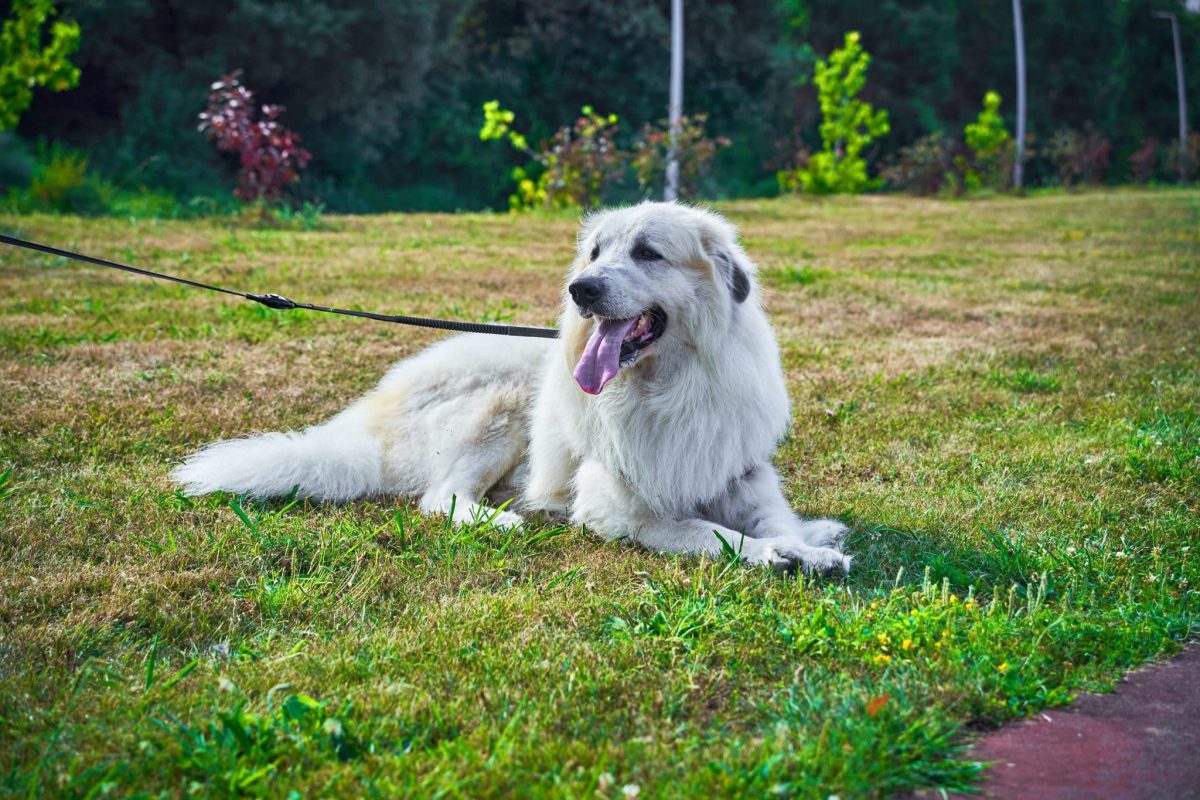
Cultivated in the Pyrenees Mountains between France and Spain, these majestic dogs guarded flocks on steep, isolated pastures. Their white coats allowed them to blend in with the sheep, surprising predators.
Behavioral Phenotype: Possesses a patient, almost stoic temperament during the day, transitioning to heightened alertness at night—a legacy of their nocturnal guarding heritage.
Modern Management: They are prone to vocalizing (barking) to warn away perceived threats. In suburban environments, this instinctual deterrent requires active management to avoid noise complaints.
+-----------------------------------------------------------------------------------------+
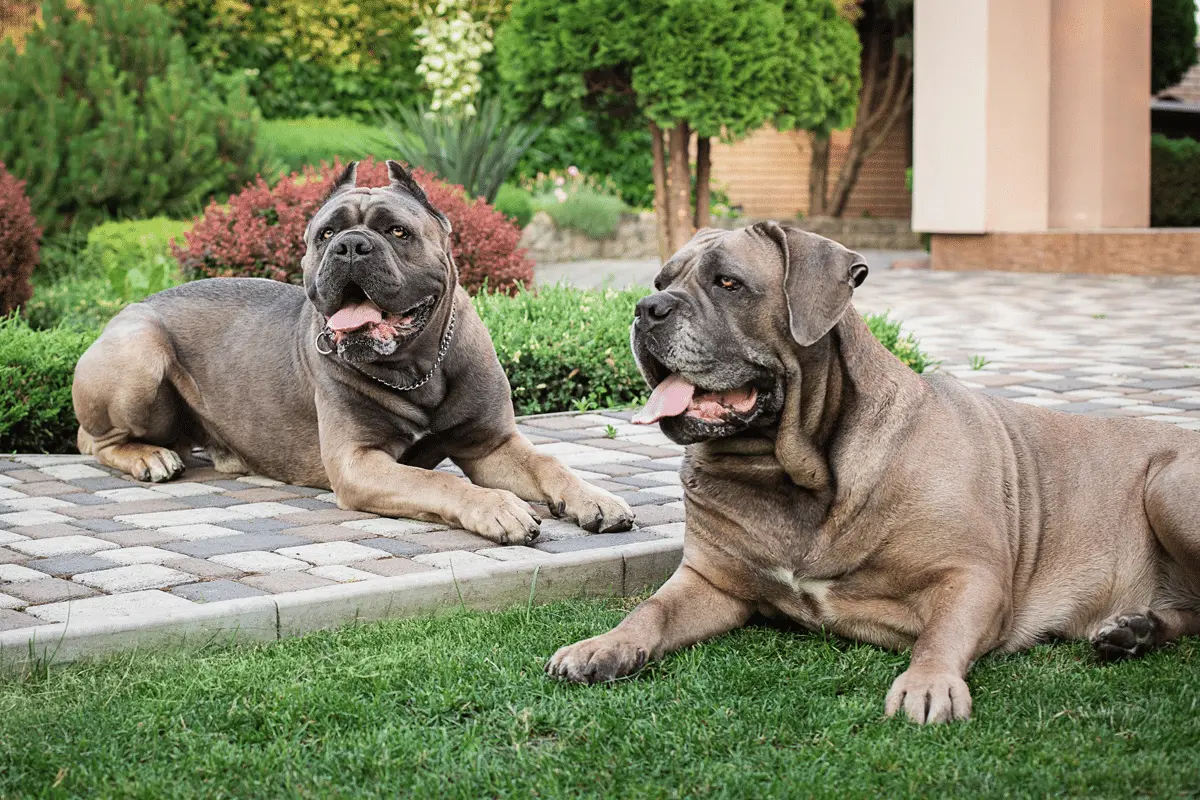
|                                      CANE CORSO                                         |
|  [Origin: Ancient Rome/Italy] -> [Function: War & Estate Guard] -> [Trait: Composed]    |
+-----------------------------------------------------------------------------------------+
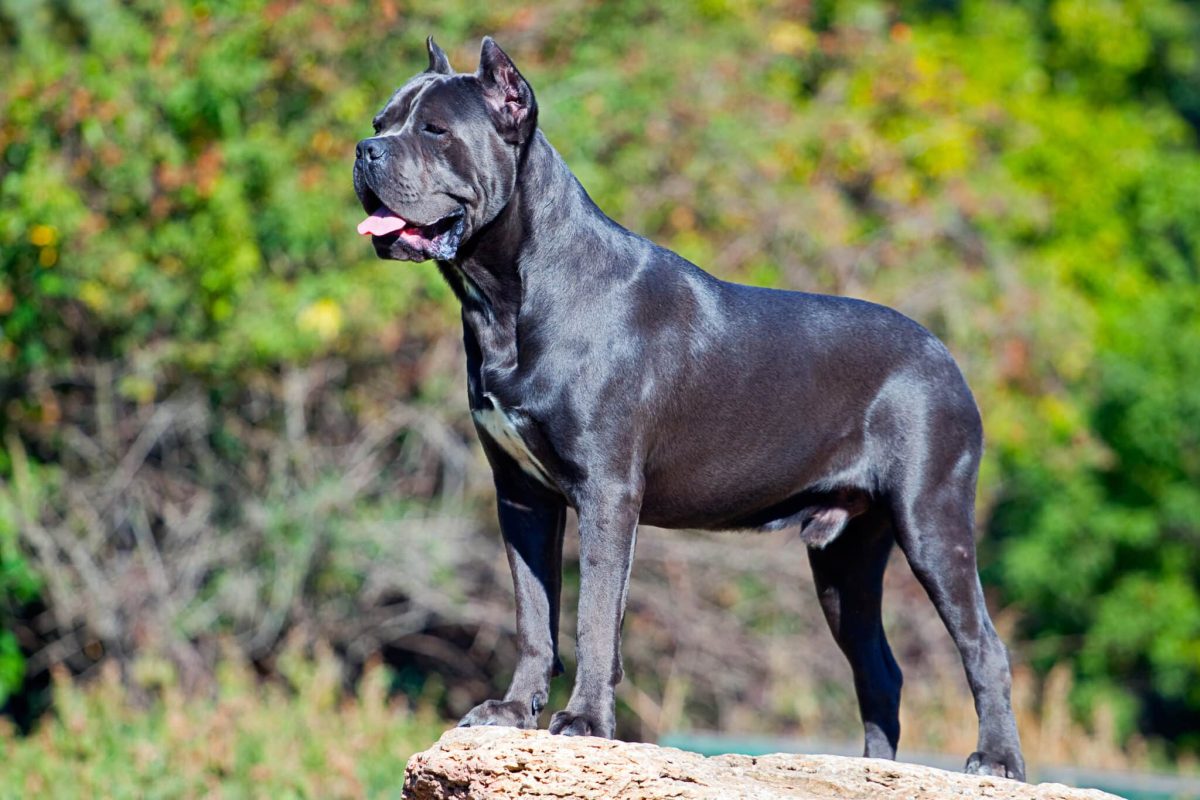
Cane Corso
Descending from the ancient Roman war dogs (Canis Pugnax), the Cane Corso transitioned over centuries into a versatile Italian farm hand, utilized for hunting wild boar, droving cattle, and defending estates.
Behavioral Phenotype: Highly muscular, athletic, and intensely loyal. The Corso is characterized by a watchful, quiet disposition, preferring to position itself between its family and strangers.
Modern Management: Their sheer physical strength and assertive nature require experienced handlers who can establish clear boundaries and provide rigorous socialization from puppyhood.
Hailing from the mountainous regions of northern Japan, the Akita was historically reserved for imperial guardians and utilized for hunting large game, including bears.
Behavioral Phenotype: Dignified, silent, and highly selective in its social interactions. The Akita does not typically seek the company of unfamiliar dogs or humans, maintaining a stoic, watchful distance.
Modern Management: Their independent streak and low tolerance for erratic behavior in other animals require structured, single-dog household considerations or highly managed multi-pet environments.
Phase II: The Estate Guardians and Livestock Drivers (18th to Mid-19th Century)
As agrarian societies shifted toward industrialization, guardian breeds were adapted to protect property, transport goods, and assist merchants in increasingly populated areas.
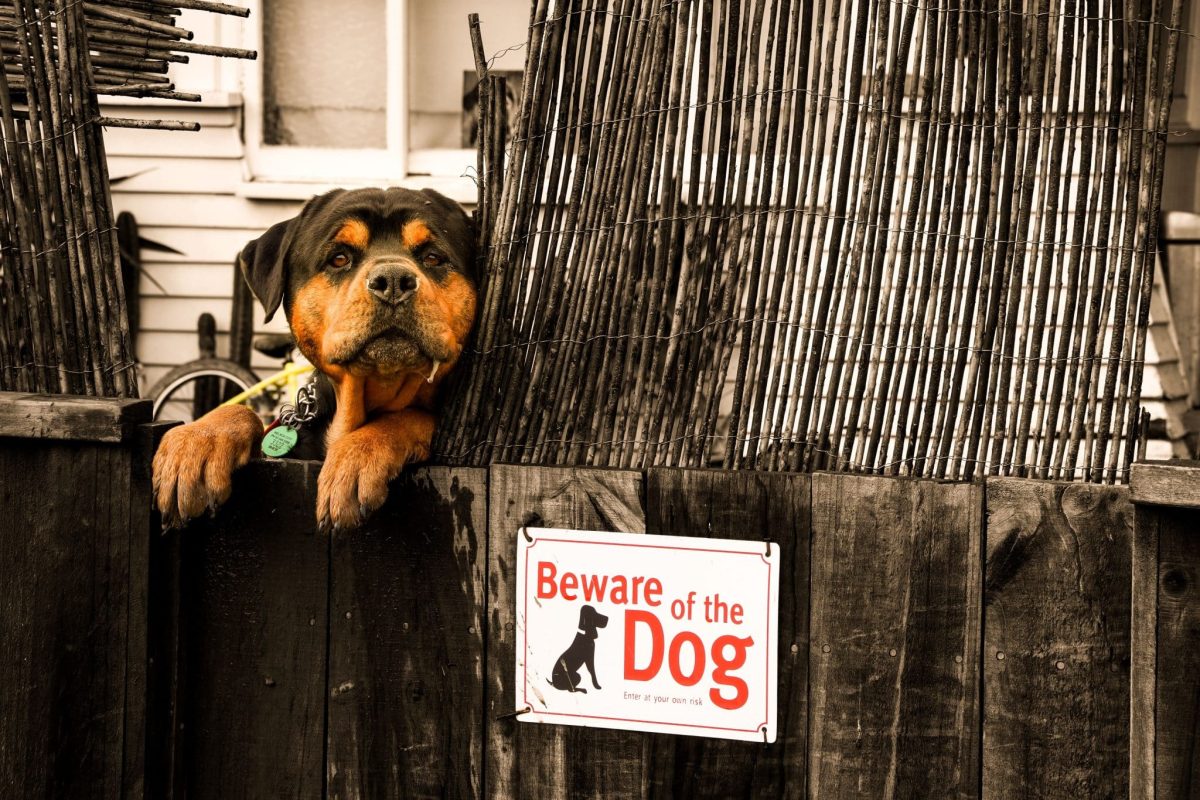
Descended from Roman drover dogs, the breed was refined in the German town of Rottweil to drive cattle to market and protect the traveling butchers’ money pouches.
Behavioral Phenotype: Calm, confident, and highly adaptable. The Rottweiler is slow to anger but possesses immense physical power and a strong herding-based desire to control space.
Modern Management: Early training must focus on impulse control. Their intelligence makes them highly receptive to positive reinforcement, but their physical mass requires consistent loose-leash and spatial management training.
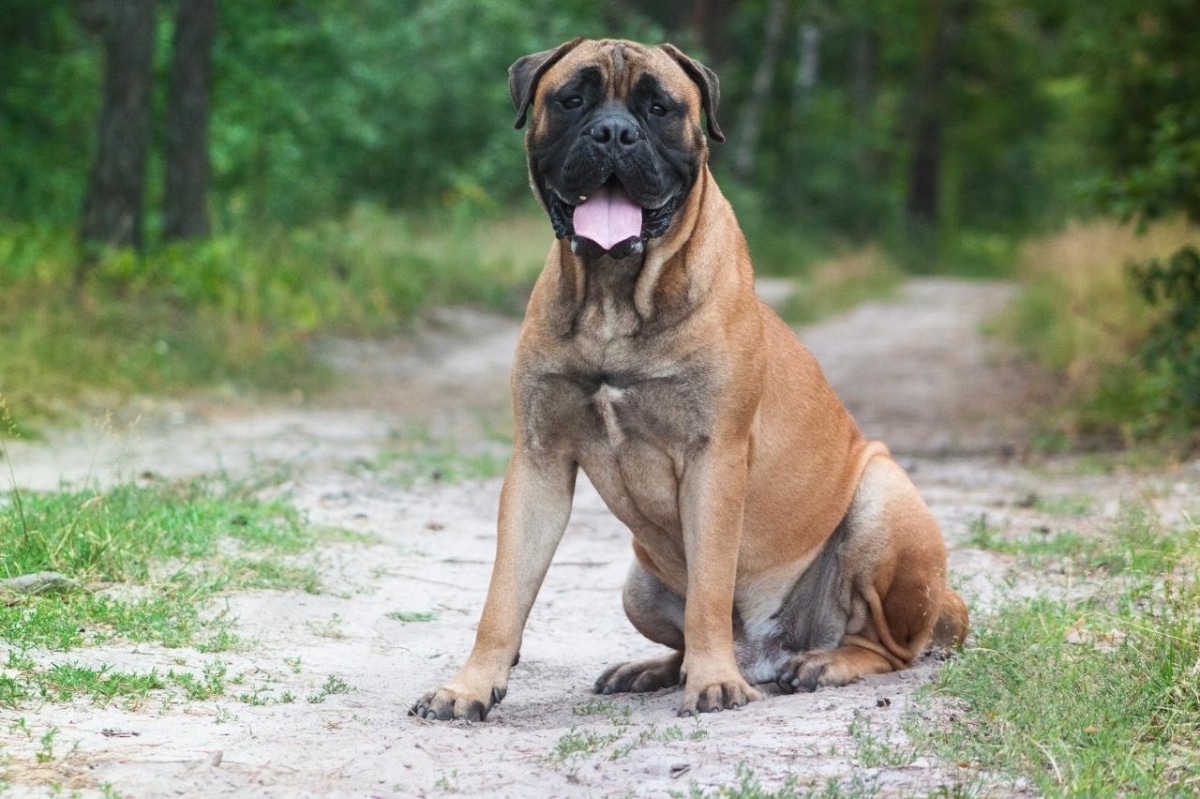
Developed in 19th-century England by crossing the Mastiff with the Bulldog, the Bullmastiff was bred specifically to assist gamekeepers in protecting vast estates against armed poachers.
Behavioral Phenotype: Known as the "Gamekeeper’s Night Dog," they were bred to track silently, close distances rapidly, and pin intruders to the ground without mauling them. This has resulted in a quiet, observant guardian that rarely barks without cause.
Modern Management: Their instinct to physically intercept and hold intruders means they must be carefully managed when guests enter the home, ensuring the dog understands who is welcome.
Originating in the agricultural regions of Bavaria, Germany, this breed was scaled up from the Standard Schnauzer to drive cattle and guard urban breweries and butcher shops.
Behavioral Phenotype: Energetic, assertive, and highly intelligent. The Giant Schnauzer possesses a playful, almost mischievous family personality balanced by a sharp, suspicious guarding instinct.
Modern Management: They require significant mental stimulation and physical outlets; a bored Giant Schnauzer can become destructive or overly focused on guarding household boundaries.
Phase III: The Industrial and Military Utility Breeds (Late 19th to Early 20th Century)
The turn of the 20th century saw the rise of modern cynology, where breeds were systematically standardized for high biddability, intelligence, and integration into military, police, and personal protection roles.
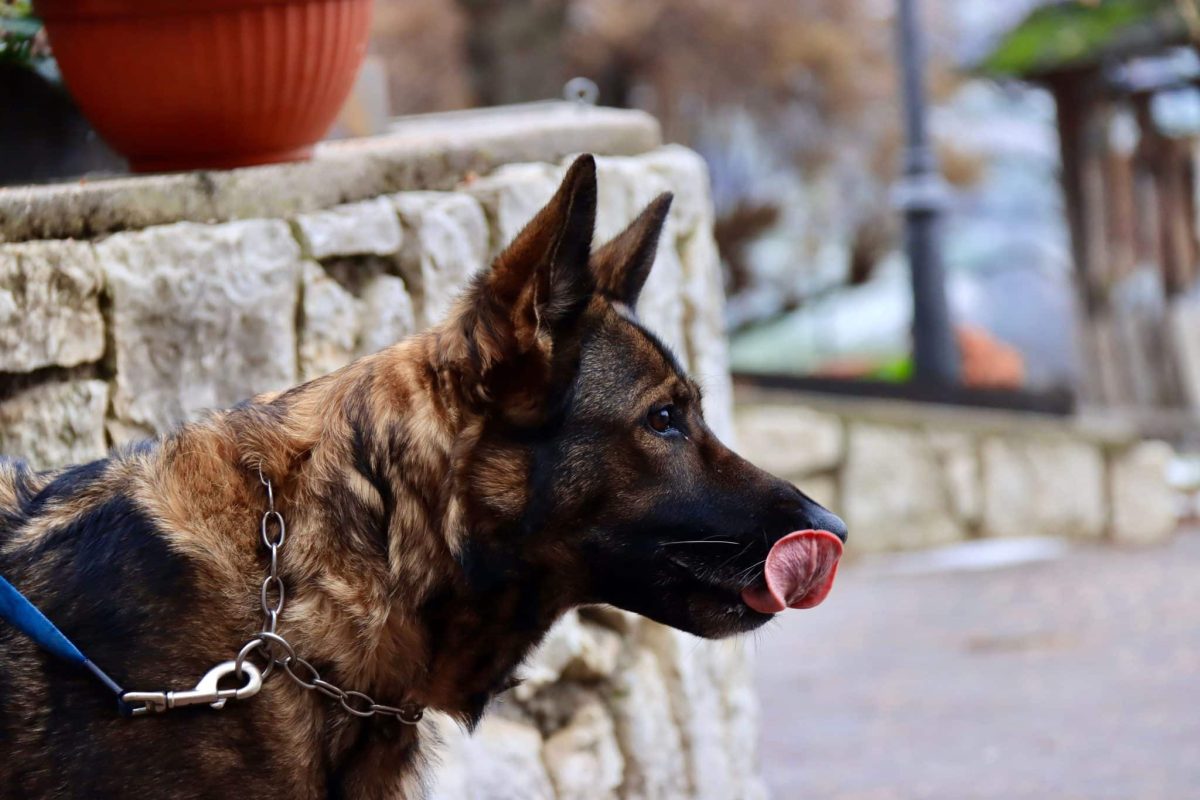
Standardized by Captain Max von Stephanitz in 1899, the German Shepherd was engineered to be the ultimate utility dog, combining herding intelligence with unmatched working drive.
Behavioral Phenotype: Exceptionally biddable, highly versatile, and possessing a strong desire to work in partnership with a handler. Their protective instinct is driven by close attachment to their family unit.
Modern Management: Because they are highly sensitive to their environment and their handler’s emotions, poor socialization can lead to fear-based reactivity. They require structured jobs to channel their cognitive energy productively.
+-----------------------------------------------------------------------------------------+
|                                   DOBERMAN PINSCHER                                     |
|  [Origin: Apolda, Germany] -> [Function: Personal Defense] -> [Trait: High Alertness]   |
+-----------------------------------------------------------------------------------------+
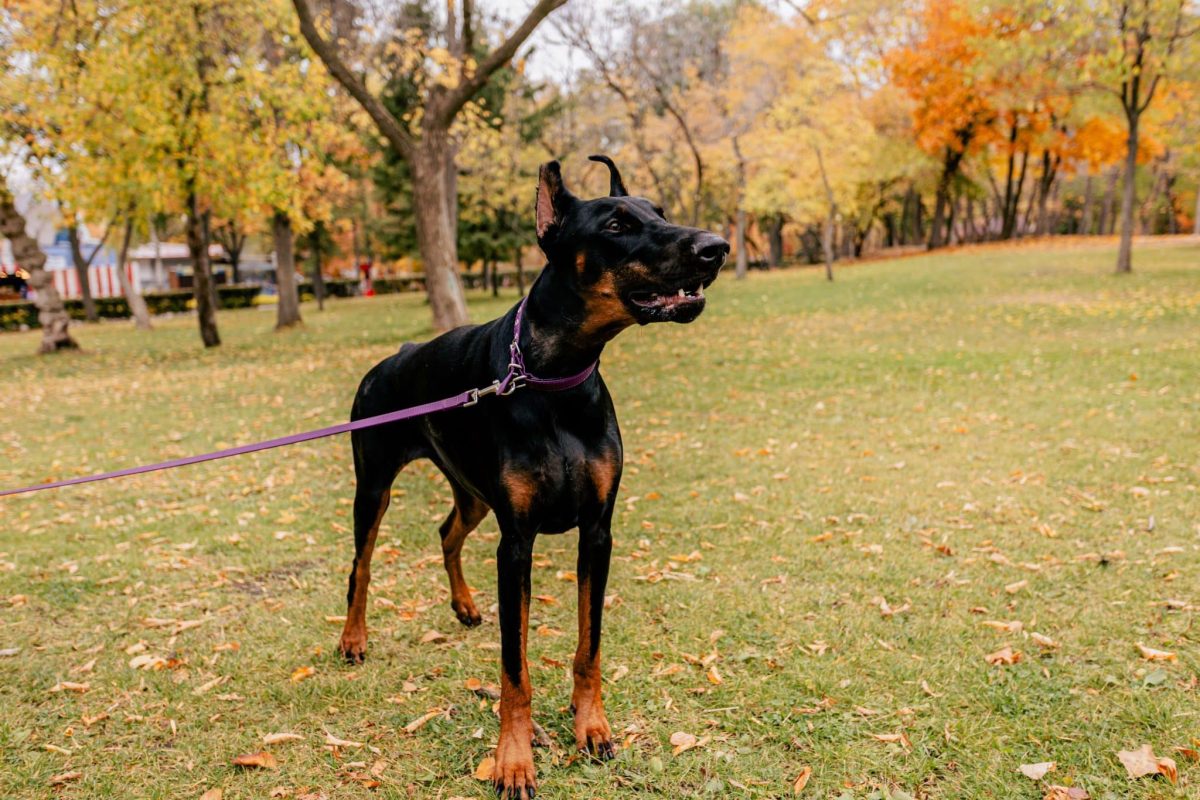
Doberman Pinscher
Bred in the late 19th century by Louis Dobermann, a German tax collector, this breed was engineered specifically for personal protection, combining elements of the Rottweiler, German Pinscher, and Greyhound.
Behavioral Phenotype: Sleek, athletic, and intensely loyal. Dobermans are highly sensitive, quick to react, and form an exclusive bond with their primary handler.
Modern Management: Often referred to as "velcro dogs," they thrive on being close to their owners. Their high reactivity thresholds require early, consistent exposure to diverse stimuli to ensure they can distinguish normal human activity from actual threats.
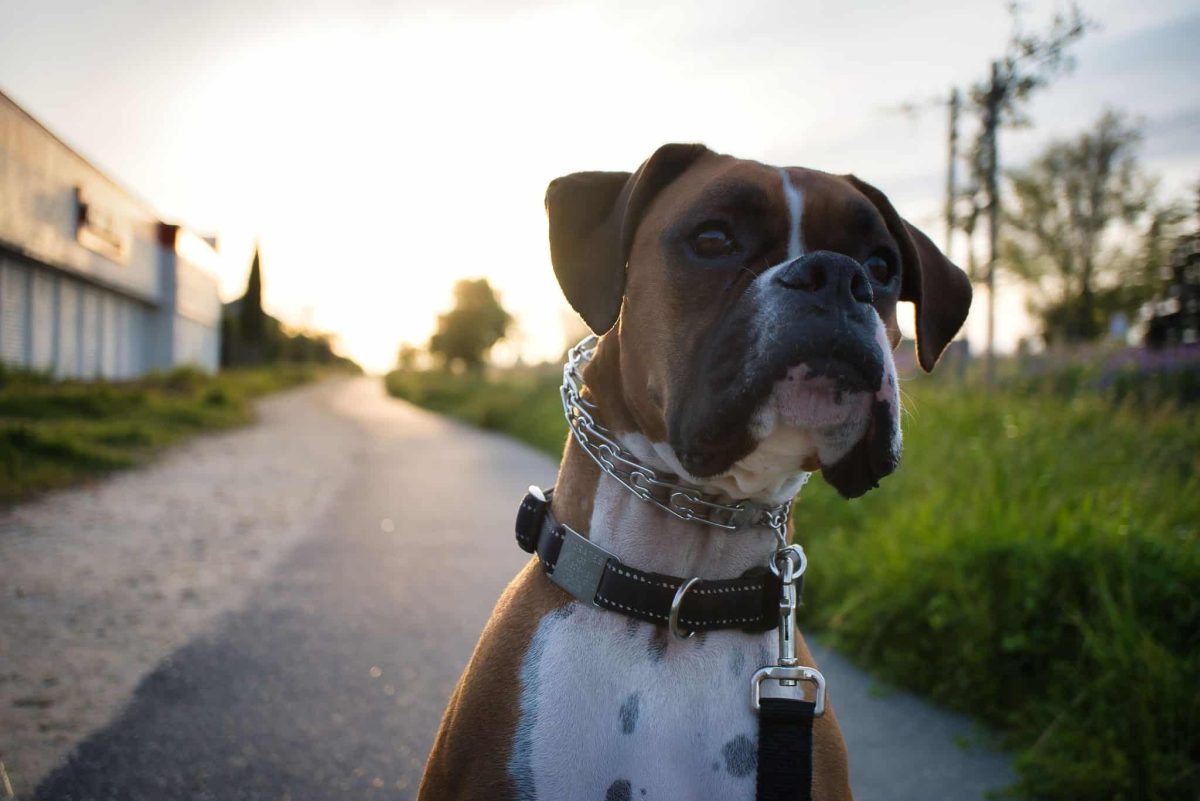
Developed in Germany from the extinct Bullenbeisser, the Boxer was refined for police work, military dispatch, and family protection.
Behavioral Phenotype: A unique blend of high-energy playfulness and courageous alertness. They are natural watchdogs that remain highly protective of children within their family unit.
Modern Management: Their prolonged puppyhood and high energy levels require patience in training. They respond best to positive, engagement-based training methods.
+-----------------------------------------------------------------------------------------+
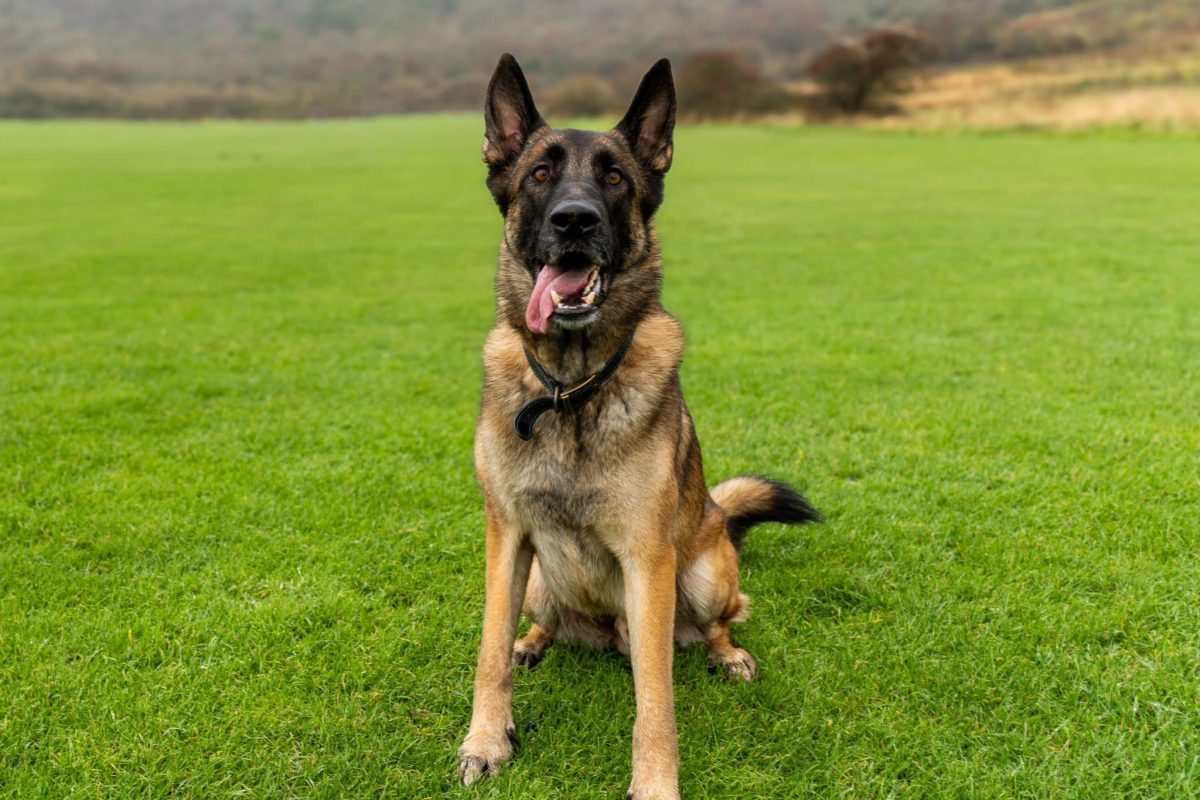
|                                    BELGIAN MALINOIS                                     |
|  [Origin: Malines, Belgium] -> [Function: Elite Working Utility] -> [Trait: Extreme Drive]|
+-----------------------------------------------------------------------------------------+
Belgian Malinois
Originally a herding breed from Belgium, the Malinois has become the global gold standard for military and police canine operations due to its extreme work drive and athletic capabilities.
Behavioral Phenotype: Possesses unparalleled drive, intense focus, and rapid physical reflexes. Their protective instinct is highly active and requires structured outlets.
Modern Management: The Malinois is generally not suited for passive suburban pet life. Without professional-level physical and mental stimulation daily, their drive can manifest in severe behavioral issues.
Supporting Context & Metrics
To understand the operational demands of these breeds, handlers must evaluate key metrics relating to physical capability, cognitive processing, and developmental timelines.
Comparative Behavioral and Management Matrix
Breed
Primary Drive Classification
Average Adult Weight (lbs)
Estimated Bite Force (PSI)*
Daily Cognitive/Physical Exercise (Mins)
Socialization Sensitivity Window (Weeks)
Anatolian Shepherd
Territorial / Low-Biddability
80–150
~743
60–90 (Low-intensity, large space)
3 – 14
Great Pyrenees
Territorial / Low-Biddability
85–140
~400
45–60 (Low-intensity, nocturnal)
3 – 16
Cane Corso
Protective / Medium-Biddability
90–110
~700
90–120 (Structured working tasks)
3 – 14
Akita
Territorial / Low-Biddability
70–130
~400
60–90 (Controlled, isolated)
3 – 12
Rottweiler
Herding-Guard / High-Biddability
80–135
~328
90–120 (Strength & obedience tasks)
3 – 16
Bullmastiff
Defensive-Guard / Medium-Biddability
100–130
~550
45–60 (Low-impact, short bursts)
3 – 14
Giant Schnauzer
Prey-Guard / High-Biddability
55–85
~350
120+ (High-intensity agility/work)
3 – 16
German Shepherd
Prey-Defense / Ultra-High Biddability
50–90
~238
120+ (Cognitive problem solving)
3 – 16
Doberman Pinscher
Defense / Ultra-High Biddability
60–100
~228
120+ (Agility, obedience, tracking)
3 – 16
Boxer
Prey-Play / High-Biddability
50–80
~230
90–120 (High-energy play & focus)
3 – 16
Belgian Malinois
Prey-Defense / Extreme Biddability
40–80
~195
180+ (Professional working tasks)
3 – 14
*Note: Bite force metrics are estimates derived from veterinary biomechanical modeling and vary significantly based on individual cranial structure, motivation, and measurement methodology. These figures are intended for comparative analysis rather than absolute measurement.
The Neurological Window of Socialization
The "Socialization Sensitivity Window" represents a critical developmental phase in the canine brain. During this period, which typically closes between 12 and 16 weeks of age depending on the breed, the puppy’s brain exhibits high synaptic plasticity.
Stimuli encountered and positively cataloged during this phase are accepted as normal parts of the environment. Once the window closes, unfamiliar stimuli are instinctively met with suspicion or fear—the neurological foundation of defensive aggression. For guardian breeds, missing this window can result in a dog that cannot distinguish between a friendly neighbor and an active intruder.
Official Statements and Veterinary Insights
Canine behaviorists, veterinary associations, and professional training organizations emphasize that a guardian dog’s reliability is shaped by both genetics and environmental conditioning.
The American Veterinary Society of Animal Behavior (AVSAB) on Socialization
In an official position statement, the AVSAB emphasizes:
"The primary cause of death for dogs under three years of age is not infectious disease, but behavioral problems. Early socialization is critical to preventing these issues. For large, powerful guardian breeds, this socialization must be deliberate, structured, and continuous throughout the first two years of life."
The Consensus on "Protection Training"
Professional organizations, including the International Association of Animal Behavior Consultants (IAABC) and the American Kennel Club (AKC), advise against untrained owners attempting to teach "protection" or "bite work" to these breeds.
                       +-----------------------------+
                       |    GENETIC PREDISPOSITION   |
                       |  (Innate guardian instincts) |
                       +--------------+--------------+
                                      |
                                      v
                       +-----------------------------+
                       |   PROFESSIONAL OBEDIENCE    |
                       |  (Focus: Control & Calmness)|
                       +--------------+--------------+
                                      |
                                      v
                       +-----------------------------+
                       |   STABLE, RELIABLE COMPANION|
                       |   (Capable of discernment)  |
                       +-----------------------------+
Natural Discernment: A genetically sound guardian dog does not need to be taught to protect; it needs to be taught how to remain calm and obedient under control.
The Risk of Unregulated Training: Attempting to build aggression or "protection" without a foundation of absolute control often results in an unstable, reactive dog that poses a significant liability to the owner and the community.
Future Outlook: Guard Dogs in the Era of Smart Security and Urbanization
As global populations migrate toward high-density urban and suburban areas, the role of the traditional guardian dog is undergoing a profound transformation.
                    TRADITIONAL ROLE           MODERN INTEGRATION
                    [Rural/Agrarian] --------> [Urban/Suburban]
                    - Autonomous               - Under Direct Control
                    - Territorial Defense      - Discernment & Calmness
                    - Perimeter Patrol         - Family Companionship
The Legal and Liability Landscape
Owners of guardian breeds face an increasingly stringent legal environment:
Breed-Specific Legislation (BSL): While heritable behavior varies, certain jurisdictions and housing associations restrict or ban specific guardian breeds.
Homeowners Insurance Policies: Insurance underwriters frequently exclude certain high-risk breeds from liability coverage, requiring owners to secure specialized canine liability policies.
Civil Liability: Modern tort law holds owners strictly liable for injuries caused by their dogs, placing the burden of proof on the owner to demonstrate responsible management, secure containment, and professional training.
Integration with Smart Home Infrastructure
Rather than replacing canine guardians, modern smart home technology can complement them. Forward-thinking handlers utilize smart security systems to manage their dogs’ environment:
Automated Access Controls: Smart gates and doors prevent accidental escapes or unexpected contact between the dog and delivery personnel.
Sensory Management: Utilizing indoor cameras and smart lighting to monitor and mitigate a dog’s environmental stress when left alone.
Conclusion: The Responsible Path Forward
The enduring appeal of the guardian dog lies in its unique ability to provide both vigilant protection and affectionate companionship. However, this balance is not accidental; it is the result of selective breeding, structured socialization, and dedicated, long-term training. For those prepared to invest the necessary time, resources, and leadership, these eleven breeds represent the pinnacle of canine loyalty—living shields that stand ready to protect their families with courage, intelligence, and devotion.