
Executive Overview
In an era where community service and volunteerism are frequently cited as pillars of civic health, the impact of grassroots organizations often hinges on the dedication of everyday individuals. Among rescue organizations striving to combat animal homelessness, New York-based Muddy Paws Rescue stands out not only for its life-saving interventions but also for the vibrant, intergenerational community of volunteers it cultivates. At the vanguard of this movement is a most unexpected demographic: youth volunteers.
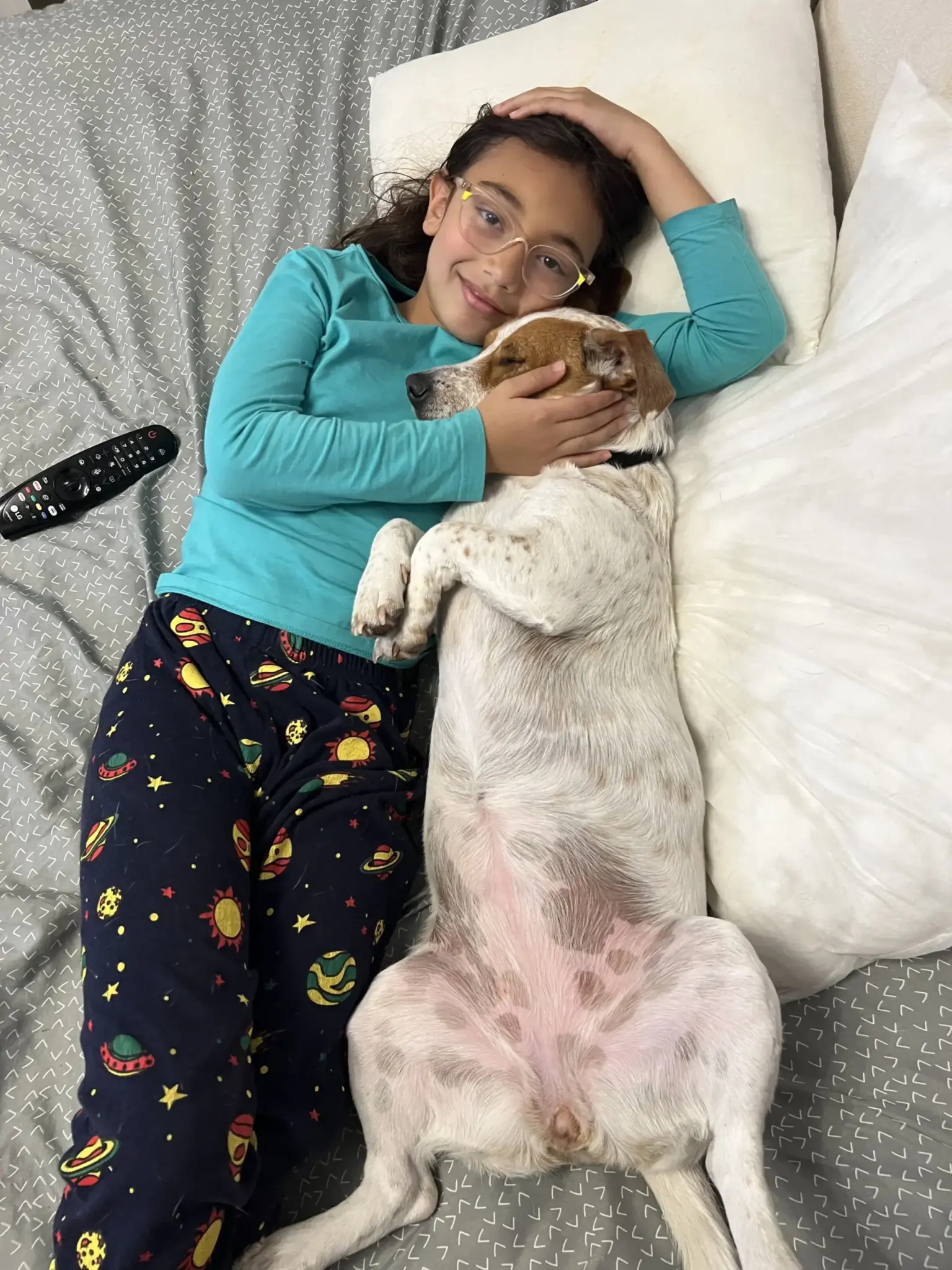
Enter Skylar, a nine-year-old fostering superstar whose boundless energy, profound empathy, and natural aptitude for animal husbandry have captured the hearts of rescue coordinators and adopters alike. While nine-year-olds are typically navigating the everyday challenges of the fourth grade, Skylar is managing the nuanced behavioral rehabilitation of rescue dogs, advocating for vulnerable animals at adoption events, and serving as a masterclass in compassion.
This comprehensive report examines the inspiring trajectory of Skylar’s volunteer work with Muddy Paws Rescue. Through an exclusive, in-depth interview, we explore the mechanics of youth-led animal fostering, the ripple effects of early civic engagement on animal welfare, and the profound wisdom that a nine-year-old can offer an adult-dominated volunteer space. By looking closely at Skylar’s journey—from her introduction to rescue via a dog named Uno to her sophisticated understanding of canine behavioral psychology—this article highlights how age is no barrier to making a transformative, life-saving impact.
Detailed Chronology: From First Step to Fostering Leadership
The Inception of a Mission: Meeting Uno
Every impactful journey has a starting point, and for Skylar, her entry into the world of animal rescue began alongside her mother, who introduced her to the demanding yet deeply rewarding realm of fostering. In the high-stress environment of municipal shelters and rescue networks, the first foster animal often leaves an indelible mark on a volunteer’s psyche. For Skylar, that catalyst was a dog named Uno.
Reflecting on her introduction to Muddy Paws Rescue, Skylar shares:
"We started helping Muddy Paws Rescue by fostering. Our first foster was Uno. Her name was so special because Uno means number one in Spanish. If it weren’t for Uno, we wouldn’t have all the amazing fosters after her. This is only the beginning."
Uno was more than just a dog passing through a temporary home; she was the foundational building block for Skylar’s understanding of rescue work. The name itself—signifying "number one"—set a standard of significance that Skylar would apply to every subsequent animal that entered her family’s care. This initial exposure demystified the rescue process, transforming what could have been an intimidating environment into a collaborative, family-driven mission.
Expanding the Scope: From Temporary Home to Public Advocate
As Skylar and her mother continued to open their home, the scope of their involvement expanded organically. Fostering is not merely a private act of housing an animal; it requires public advocacy, socialization, and community engagement. Skylar quickly transitioned from a quiet observer in the household to an active participant at public adoption events.
At these gatherings, potential adopters are often met with enthusiastic pitches from adult volunteers. However, Skylar brought a distinct dynamic. Armed with a comprehensive mental catalog of every foster dog’s name, quirks, and behavioral milestones, she engaged prospective families with disarming authenticity. Whether she was teaching a nervous, newly arrived puppy basic commands or reassuring a hesitant adopter about a dog’s history, Skylar approached every task with a level of poise that belied her years.
This chronology of growth—from welcoming Uno to becoming a recognized face at community events—illustrates a crucial developmental milestone: the transition from empathy felt to empathy acted upon.
Supporting Context & Metrics: The Mechanics of Youth Fostering and Animal Welfare
The Landscape of Canine Fostering
To fully appreciate Skylar’s contributions, one must understand the operational ecosystem of modern animal rescue. Organizations like Muddy Paws Rescue operate primarily on foster-based models rather than brick-and-mortar shelters. This approach relies heavily on private households to provide temporary housing, socialization, and behavioral assessments for dogs transitioning from high-risk situations.
According to animal welfare data, foster homes are the lifeblood of rescue organizations. They reduce kennel stress, provide crucial insights into a dog’s domestic behavior, and free up physical shelter space for incoming animals in crisis. However, the bottleneck in rescue operations is rarely a lack of willing animals; it is almost always a shortage of qualified, reliable foster homes.
By introducing families—and specifically children—to the fostering process, organizations like Muddy Paws expand their foster network capacity. Yet, youth involvement requires careful stewardship. It demands a delicate balance of adult supervision, educational guidance, and the child’s genuine emotional investment. Skylar’s household demonstrates how a structured, supportive environment can turn a family home into an effective rehabilitation center for dogs in transition.
The Psychology of Childhood Empathy and Animal Care
Developmental psychologists have long noted the symbiotic relationship between childhood animal care and the development of emotional intelligence. Caring for a living creature teaches responsibility, emotional regulation, and perspective-taking. When a child learns to read the body language of a stressed dog, they are simultaneously refining their own interpersonal emotional literacy.
Skylar’s innate understanding of canine psychology is a testament to this dynamic. When asked what she loves most about dogs, her response captures both emotional appreciation and observational nuance:
"What I love most about dogs is their different personalities; they are the best cuddlers, and they make me so happy. They are small, big, fluffy, playful… I love everything about them."
This broad, non-judgmental appreciation for the diversity of canine traits allows Skylar to accept each foster dog on its own terms. Whether dealing with an energetic, oversized hound or a timid, compact puppy, she approaches the relationship without pre-conceived behavioral expectations—a trait that even seasoned adult handlers sometimes struggle to maintain.
Official Statements & Insights: An Exclusive Interview with Skylar
To gain a deeper understanding of her philosophy, daily routines, and expert advice on animal care, we sat down for an extensive Q&A session with the nine-year-old fostering superstar herself.
On Favorite Memories and Cindy Lou Who
While every foster dog holds a unique place in her heart, Skylar highlights one particular guest who left an unforgettable impression:
Q: Is there a dog you’ve fostered or met that’s your all-time favorite? What made them so special?
"It’s hard because all of my fosters have been great. But if I were to pick, it would be Cindy Lou Who. Her name is so cool and is from my favorite holiday movie, The Grinch. She had these tiny little legs that were so cute. She was calm, loved to cuddle with me, and every time I looked at her, she gave me the cutest, biggest smile."
The Architecture of Routine: A Day in the Life
Fostering requires consistency, structure, and unwavering commitment. For a nine-year-old balancing elementary school education with animal rehabilitation, time management is paramount. Skylar outlines a meticulous daily schedule designed to meet the physical and emotional needs of her foster charges:
Q: What’s a normal day like when you’re fostering a dog? Do they follow you around, or do you have a special routine?
"In the mornings, we take our foster dog out to go potty, walk, or jog around the park. Then, we come home and eat breakfast. After school, we go potty, play fetch outside, and walk around the neighborhood. Then, we eat dinner and cuddle together until it’s bedtime."
This structured predictability is vital for rescue dogs, many of whom arrive with histories of instability or neglect. By embedding the foster dog into a predictable daily rhythm—morning exercise, academic separation during school hours, afternoon play, and evening bonding—Skylar provides a blueprint for psychological security.
Navigating Shyness: Expert Behavioral Advice
One of the most challenging aspects of fostering is rehabilitating nervous or unsocialized dogs. Adults often make the mistake of overwhelming new arrivals with affection and direct eye contact. Skylar offers a masterclass in canine behavioral etiquette:
Q: Some dogs are nervous or shy when they meet new people. What’s your advice for helping them feel safe and happy?
"Give them space, have treats around, and let them come to you when they are ready so they don’t feel like you’re hovering over them."
This minimalist, consent-based approach to animal interaction demonstrates a maturity that surpasses many adult novices. By respecting the dog’s boundaries, Skylar builds trust much faster than those who force physical contact.
Overcoming Hesitation: Demystifying the Fostering Process
For families considering entering the world of rescue, the fear of emotional heartbreak—specifically the pain of letting a foster dog go to its permanent home—is a primary deterrent. Skylar addresses this hesitation with refreshing pragmatism and emotional resilience:
Q: What would you tell someone who thinks fostering might be too hard? How can they make it fun and exciting?
"Take a deep breath, everything will be fine. Take it one day at a time, enjoy getting to know your dog, and routine is key! Give them space, a comfy bed, food, and water, and they will come to you when they feel safe. Be ready for all the love that will come your way."
The Unique Power of Youth Volunteers
When asked why children make exceptional advocates and caregivers for animals, Skylar points to a shared emotional wavelength between kids and canines:
Q: Why do you think kids can be really good at helping dogs? What special things do kids bring to fostering and volunteering?
"Dogs are like kids. They are playful and want love and attention, so who’s better than us kids to understand them? Also, they remind us not to take life so seriously, to be silly, and to laugh through things."
A Magical Vision for the Future
Concluding our conversation, Skylar articulated her ultimate aspiration for the animals she works so tirelessly to support:
Q: If you could make one magical wish for all the dogs you help, what would it be?
"My only wish would be for all the dogs to have a safe and loving home that respects and cares for every day. I just want the best for them. They deserve it."
Future Outlook: The Ripple Effect of Youth Leadership in Animal Welfare
The journey of nine-year-old Skylar at Muddy Paws Rescue offers a powerful lens through which to view the future of animal welfare and civic engagement. As animal rescue organizations across the globe face systemic pressures—ranging from overcrowded shelters to economic strains affecting pet ownership—the sustainability of the rescue model depends on continuous community renewal.
By actively engaging children in the fostering process, organizations are not merely solving immediate housing shortages; they are cultivating the next generation of animal advocates, veterinary professionals, and compassionate citizens. Skylar’s story proves that children are not just passive beneficiaries of educational programming; they are active, capable agents of social change.
Looking forward, Muddy Paws Rescue hopes that Skylar’s story will inspire other families to open their homes and hearts to foster animals. The narrative challenges the pervasive notion that impactful community service requires advanced age, specialized professional credentials, or vast resources. Sometimes, all it takes is a nine-year-old with a pair of walking shoes, a pocket full of treats, and an unwavering belief that every dog deserves a safe and loving home.
As Skylar continues her vital work—teaching shy pups, greeting potential adopters, and perfecting the art of the canine cuddle—she stands as a shining example of what is possible when youth energy meets purposeful compassion. Her story is not just a chapter in Muddy Paws Rescue’s history; it is a blueprint for a kinder, more empathetic world.