
Executive Overview
The American pet landscape is undergoing a profound cultural and economic transformation, driven by an unprecedented surge in cat ownership. According to the American Pet Products Association’s (APPA) 2026 Cat Report—which draws upon comprehensive data from the 2025 National Pet Owners Survey—cat ownership in the United States reached a historic milestone in 2025. An estimated 53 million households now own at least one cat, accounting for a remarkable 39 percent of all homes nationwide and a striking 5-percent year-over-year increase.
This expansion is far more than a simple numerical uptick in pet adoption; it reflects a fundamental shift in how Americans live with, care for, and invest in their feline companions. Driven heavily by younger demographics—particularly Generation Z—and an expanding base of male owners affectionately dubbed "cat dads," the modern cat care market is characterized by heightened emotional investment, multi-pet households, and an escalating demand for premium, specialized nutrition.
For veterinary professionals, pet product manufacturers, and retailers, these emerging trends present both significant opportunities and complex challenges. As households increasingly welcome multiple cats and demand sophisticated wellness care, the pet care industry must adapt to a consumer base that views cat ownership not merely as a passive hobby, but as an active, highly personalized lifestyle choice.
Detailed Chronology: The Evolution of Feline Demographics
To fully understand the current state of feline companionship in America, it is necessary to examine the trajectory that led to the 2025 boom. While dogs have historically dominated pet-related cultural narratives and market expenditures in the United States, cats have quietly and steadily gained ground over the last decade, transitioning from independent "backyard" or low-maintenance pets to central members of the nuclear family.
Pre-2018 Foundations to the Pandemic Surge
In the years leading up to 2018, cat ownership experienced steady, albeit modest, growth. However, the paradigm shifted dramatically between 2020 and 2022 during the global COVID-19 pandemic. Lockdowns, remote work arrangements, and an intensified need for emotional comfort triggered a wave of pet adoptions across the country. During this period, cats emerged as the ideal companions for apartment dwellers and remote workers seeking low-maintenance yet deeply affectionate daily interactions.
The Post-Pandemic Consolidation (2023–2024)
As society reopened and supply chains stabilized through 2023 and 2024, many analysts predicted a cooling-off period for pet adoptions. Instead, the market consolidated. Rather than relinquishing pets, owners doubled down on their commitments. Households began expanding their animal families, laying the groundwork for the multi-cat explosion that would materialize in full force by 2025.
The 2025 Cultural and Demographic Peak
By the close of 2025, the accumulated cultural shifts culminated in the data captured by the APPA National Pet Owners Survey. Feline ownership broke previous ceilings, expanding by 5 percent in a single year to cover 39 percent of U.S. households. Crucially, this growth was spearheaded by non-traditional demographics. Generation Z firmly established its footprint in the pet economy, while men—traditionally underrepresented in primary pet-care roles—redefined what it means to be a modern cat owner.
Supporting Context & Metrics: Unpacking the Data
The APPA 2026 Cat Report provides a granular look at the numbers driving this cultural boom. Beyond the headline-grabbing 53 million households, a deeper dive into the metrics reveals fascinating patterns regarding multi-pet ownership, spending habits, and demographic transformations.
The Rise of the Multi-Cat Household
One of the most significant trends highlighted in the 2025 data is the rapid expansion of feline populations within individual homes. Cat ownership is no longer defined strictly by the "one-cat household" model.
- Two-Cat Growth: Ownership of precisely two cats experienced a 7 percent year-over-year increase in 2025.
- Three-Plus Cats: Households housing three or more cats also grew by 7 percent year-over-year, marking an astonishing 45 percent cumulative increase since 2018.
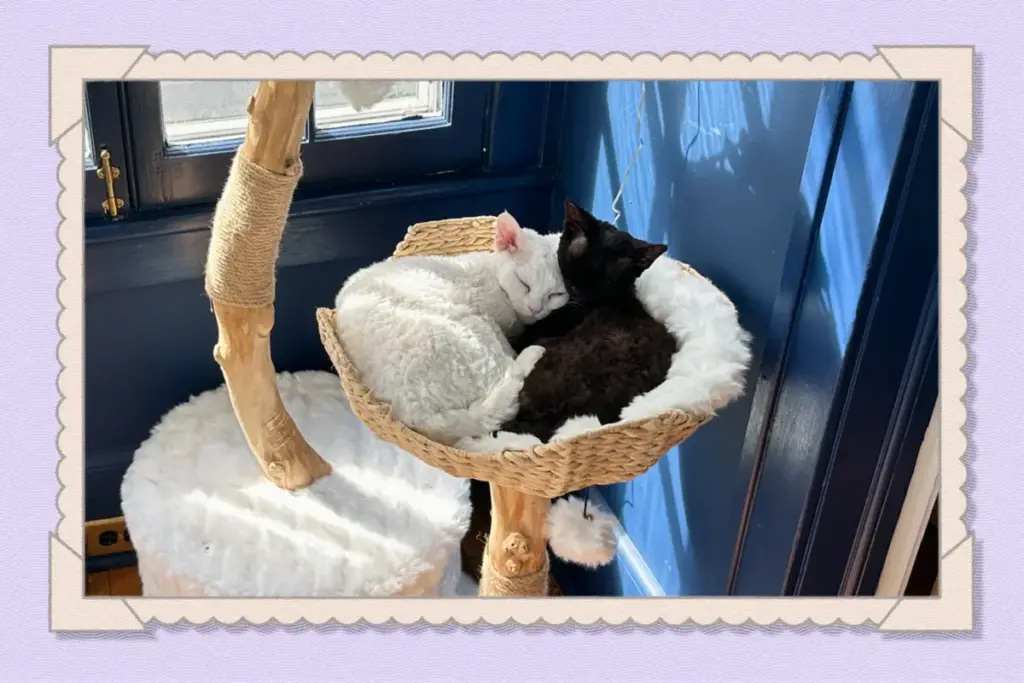
This steady climb in multi-cat adoption has profound implications for domestic space management, pet behavioral services, and veterinary medicine. Multi-cat households require advanced strategies for resource distribution (such as litter boxes, feeding stations, and vertical territory) to mitigate stress and behavioral issues.
The Premiumization of Feline Nutrition
Nutrition has emerged as the fastest-growing sector of pet-related expenditures. According to the APPA report, cat owners spent an average of $337.53 on food alone in 2025, representing a substantial 9 percent increase from the previous year.
Modern cat owners no longer view commercial cat food as a generic commodity. Instead, they view food, treats, and dietary supplements as tools for:
- Targeted Nutrition: Formulations designed for specific life stages, breed sensitivities, or indoor lifestyles.
- Variety and Palatability: High-end wet foods, broths, and freeze-dried proteins designed to keep finicky eaters engaged.
- Convenience and Personalization: Functional foods that offer health benefits, such as hairball control, urinary tract support, and digestive health.
Generation Z Stepping Into the Spotlight
Demographically, Generation Z has officially emerged as a powerhouse in the pet care market. In 2025, Gen Z represented 22 percent of all cat owners, marking a 10 percent year-over-year increase.
Gen Z owners display a distinct psychological relationship with their pets compared to older generations. Survey data indicates they maintain a stronger emotional connection with their cats, frequently viewing them as surrogate children or vital emotional anchors in an uncertain economic and social landscape. Furthermore, Gen Z consumers demonstrate unique purchasing behaviors: they skillfully combine budget-friendly, value-oriented products with highly targeted, premium purchases explicitly tied to health, wellness, and environmental enrichment.
The Rise of the "Cat Dad"
Perhaps one of the most culturally striking revelations of the 2025 report is the changing gender dynamics of cat ownership. Men accounted for 43 percent of all cat owners in 2025, shattering outdated stereotypes linking feline companionship exclusively to single women.
The sub-demographic of Gen Z male owners is growing at a breathtaking pace, with ownership rates surging 27 percent year-over-year. Even more telling are the lifestyle and purchasing metrics associated with male cat owners:
- Households of male owners housing three or more cats have skyrocketed by an incredible 117 percent since 2018.
- Purchases of specialized pet food additives—such as meal mixers and food toppers—among male owners have risen by an astonishing 214 percent, proving that "cat dads" are just as invested in culinary customization and gourmet pet nutrition as any other demographic segment.
Official Statements and Industry Perspectives
The rapid evolution of the feline care market has caught the attention of industry leaders, animal welfare advocates, and veterinary experts alike. The convergence of multi-pet households, male engagement, and youth-led market trends points toward a permanent cultural shift.
In an official statement accompanying the release of the report, Pete Scott, President and CEO of the American Pet Products Association, emphasized the multi-faceted nature of this growth:
"Cat ownership continues to attract a broader range of consumers, and we’re seeing owners become increasingly engaged in how they care for and connect with their cats. What’s particularly exciting is that growth isn’t coming from just one place. New households are entering the category, existing owners are expanding their homes to multiple cats, and younger generations and male owners are helping shape new expectations around care, nutrition, and companionship."
Industry analysts echo Scott’s sentiments, noting that the traditional pet industry playbook—which historically centered marketing efforts around dog owners while treating cats as an afterthought—is officially obsolete. Brands that fail to innovate in feline wellness, interactive enrichment, and premium nutrition risk losing market share to agile competitors who recognize the sophisticated demands of the modern cat owner.
Future Outlook: What the 2025 Boom Means for the Years Ahead
As the pet care sector looks toward the remainder of the decade, the implications of the 2025 APPA Cat Report will reverberate across multiple industries. Stakeholders across veterinary medicine, manufacturing, and retail must anticipate how these trends will mature.
1. Transformations in Veterinary Medicine
Veterinary practices must adapt to the operational realities of a 53-million-household market characterized by multi-cat homes.
- Preventive Care Accessibility: Clinics will need to develop specialized wellness plans that make multi-pet veterinary visits financially manageable for owners.
- Feline-Friendly Practices: Because cats are notoriously stressed by travel and veterinary environments, clinics that invest in certified "cat-friendly" handling techniques and quiet spaces will capture market share.
- Nutritional Counseling: With owners spending nearly $340 annually on food, veterinarians must be prepared to offer authoritative, evidence-based nutritional guidance to counter internet-driven marketing trends.
2. Product Innovation and Retail Strategies
Manufacturers of pet products face a golden era of innovation. The surge in demand for meal toppers, mixers, and functional treats indicates that owners are eager to spend disposable income on feline enrichment. Retailers must curate their inventory to reflect this premiumization, offering diverse protein sources, grain-free options, and supplements tailored to aging or indoor-only cats.
Furthermore, marketing strategies must pivot to reflect modern demographics. The explosive growth among Gen Z and male cat owners demands inclusive, culturally resonant advertising campaigns that celebrate "cat dads" and young urban pet parents without relying on outdated tropes.
3. Long-Term Cultural Integration
Ultimately, the 2025 feline boom signals that cats have secured a permanent, elevated status in American domestic life. As Gen Z matures and multi-cat households become the standard rather than the exception, the economic and emotional investments poured into our feline companions will only deepen. The cat is no longer just a pet lounging silently in the corner; it is a cherished family member, a wellness partner, and a central pillar of the modern home economy.