
Executive Overview
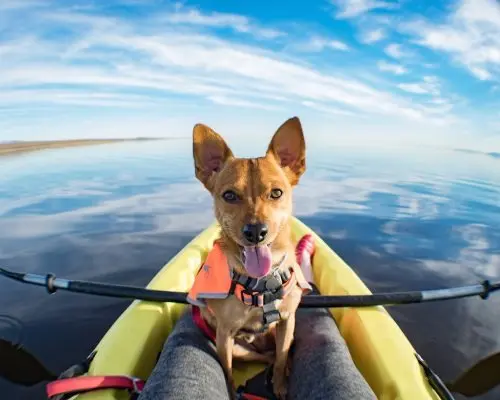
As summer temperatures soar, outdoor enthusiasts increasingly look to the water for relief. For pet owners, however, the quintessential warm-weather excursion—paddling on a lake, river, or coastal bay—traditionally meant leaving four-legged companions behind on dry land. Today, a growing cultural shift toward pet inclusivity has transformed paddle sports into a shared experience. From serene kayaking trips across glassy alpine lakes to navigating coastal swells on stand-up paddleboards (SUPs), dogs are joining their humans on the water in unprecedented numbers.
This lifestyle trend is more than just a passing social media fad; it represents a deepening bond between owners and their pets, fueled by specialized gear, accessible rental options, and a greater emphasis on experiential pet care. Yet, translating a land-loving hound into a competent "adventure dog" requires careful planning, strict safety protocols, and an understanding of canine psychology.
To explore the realities of paddle sports with pets, this report examines expert insights from experienced handlers, analyzes the critical gear required for aquatic safety, and provides a comprehensive framework for introducing dogs to the water. Drawing from firsthand accounts of seasoned canine adventurers—such as Katherine, handler of the renowned Instagram personality Robin (@robinventures)—we investigate the logistical hurdles, safety imperatives, and immense rewards of taking your dog out on the open water.
Detailed Chronology: From Hesitant Beginnings to Confident Aquatic Explorers
The journey of introducing a dog to paddle sports is rarely instantaneous. For most canines, the water represents an unfamiliar, unpredictable environment that challenges their innate sense of stability. Understanding the developmental arc of a water-loving dog requires examining how confidence is built over time through careful, progressive exposure.
Phase 1: The Initial Introduction and Shoreline Familiarization
For shelter-adoptees and land-lubbing breeds alike, the first encounter with a kayak or paddleboard should never occur in the middle of a deep body of water. Experts recommend a gradual desensitization process that begins firmly on dry land.
- Acclimation: Introducing the watercraft in a quiet backyard or living room allows the dog to sniff, inspect, and realize that the strange fiberglass or plastic object poses no threat.
- Positive Reinforcement: High-value treats and enthusiastic praise help create immediate, positive neural associations with the equipment.
- Board Control: Forcing an anxious dog into a vessel against their will shatters trust and often triggers a panic response. Handlers must allow the dog to explore the deck or cockpit at their own pace, using the built-in handle of their life jacket purely for stabilization—never for coercion.
Phase 2: Choosing the Right Vessel and First Open-Water Excursions
Once the dog is comfortable with the equipment on land, the transition to shallow, calm water marks the next critical milestone.
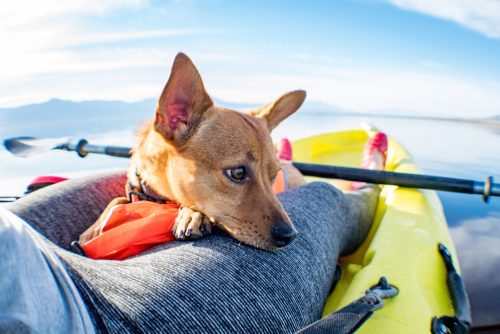
- The Kayak Advantage: For absolute beginners—both human and canine—sit-on-top kayaks offer an ideal entry point. Unlike sleek sit-inside kayaks designed for speed, wide sit-on-top models provide immense stability, spacious foot wells, and a low center of gravity. Furthermore, their open design ensures that if a dog shifts its weight suddenly, the vessel remains upright.
- Managing Slick Surfaces: Many watercraft feature slick fiberglass or plastic surfaces that frustrate a dog’s paws, leading to anxiety and instability. Experienced handlers solve this by placing a textured mat, a rolled towel, or a piece of luggage in the foot well to provide essential traction. As the dog gains confidence, they typically learn to modulate their position, moving fluidly between the handler’s lap and the prow of the boat depending on the speed of travel.
- The Stand-Up Paddleboard (SUP) Learning Curve: Paddleboarding introduces a dynamic challenge. While SUP decks offer generous sprawling space for medium-to-large dogs, the front half of the board is often exceptionally slippery when wet. Handlers frequently find success by having nervous dogs ride directly behind them. This positioning not only improves the board’s trim and maneuverability but also keeps the dog securely within arms-reach.
Phase 3: Unleashing Confidence and Mastering Water Safety
The ultimate testament to a successful training regimen is a dog that views the water not as a hazard, but as an extension of the playground.
- Overcoming Fear: Initially, dogs may exhibit trembling, hyper-vigilance, or a desperate desire to leap ashore at the first ripple. However, consistent positive reinforcement transforms apprehension into enthusiasm.
- Advanced Aquatic Skills: Over time, confident paddle-pups may graduate from passengers to active swimmers. Handlers report milestones where conditioned dogs eagerly leap from a paddleboard into open water to swim between companion vessels, demonstrating total mastery of their aquatic environment.
- The "Stay" Command Imperative: As dogs grow bold, maintaining strict obedience becomes a safety necessity. A sudden, unannounced leap from a paddleboard can destabilize the vessel, dunking the handler and throwing off the balance of the entire craft. A reliable "stay" command ensures that departures are initiated only when the handler gives explicit permission.
Supporting Context & Metrics: Gear, Environment, and Safety Statistics
While paddle sports offer endless summer recreation, introducing an animal to an open-water environment introduces inherent risks. Analyzing the underlying metrics of canine water safety highlights the critical need for proper preparation, certified gear, and environmental awareness.
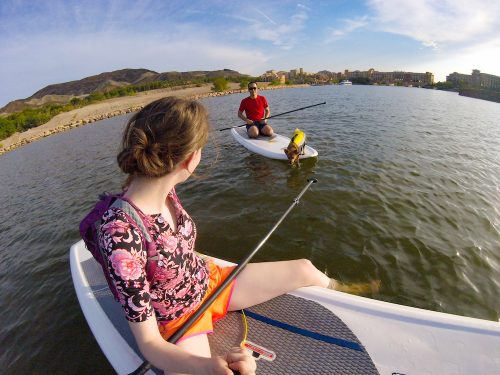
Essential Gear Breakdown
- Canine Personal Flotation Devices (PFDs):
- Myth vs. Reality: While it is a common misconception that all dogs are natural-born swimmers, treading water for extended periods is physically exhausting and induces panic in unfamiliar open water.
- Fit and Design: A properly fitted canine life jacket is non-negotiable. It must feature a robust, low-profile rescue handle on the back to haul the dog safely back aboard. Poorly designed or loose-fitting jackets can ride up during a panic paddle, trapping the dog’s front paws and transforming a lifesaving device into a swimming impediment. Advanced models incorporate flexible neoprene belly panels to maximize comfort and distribute weight evenly during lifting.
- Leash Management Systems:
- The Tying Hazard: Attaching a leash directly to a dog’s collar while on a watercraft introduces a catastrophic drowning risk. In the event of a capsize, a panicked dog can become entangled, or the tether can snag on the hull, trapping the animal underwater.
- Best Practices: If a leash is utilized, it should always be clipped securely to the dorsal D-ring of the dog’s PFD rather than a collar. Furthermore, waist leashes should be managed with extreme caution; in many scenarios, untethered supervision combined with a reliable recall command is significantly safer, as a swimming dog will naturally seek out their handler or the flotation device.
- Hydration and Water Quality Metrics:
- Freshwater Risks: Natural lakes and rivers may harbor dangerous parasites, bacteria, and toxic cyanobacteria (blue-green algae blooms). Ingesting stagnant shoreline water can result in severe gastrointestinal illness or fatal systemic toxicity. Handlers must pack dedicated bottled drinking water and a portable collapsible bowl to keep their dogs hydrated exclusively with potable water.
Official Statements and Expert Perspectives
To understand the nuanced dynamics of paddle sports with pets, we look to insights shared by prominent canine adventure specialists and outdoor educators.
Katherine, the driving force behind the prominent adventure platform @robinventures, emphasizes the foundational importance of empathy and patience when introducing pets to water sports:
"Paddling with your pup is a great way to enjoy the summer heat! Kayaking is an easy beginner activity, rentals are widely available at waterfront locations, and many dogs love it—or at least tolerate it… Before trying a paddle sport, make sure your dog has a good ‘stay.’ A big leap can destabilize you, especially on a paddleboard… If your dog is at all willing to swim, take some time to teach him to swim directly to the person, not to the nearest edge of the board, since he’ll need your assistance to get back up."
Highlighting the physiological and psychological shift in canine behavior over time, Katherine notes the transformation of her Basenji mix, Robin:
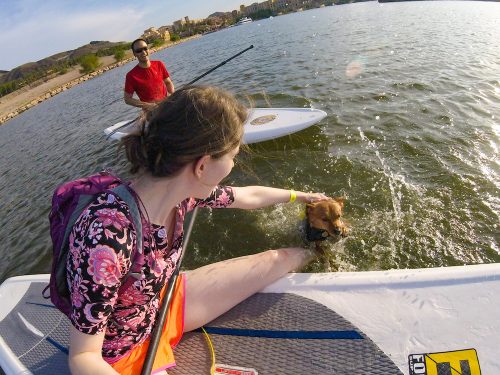
"Though he’s not a natural water dog, paddling has increased his confidence on the water so much that on our most recent paddleboarding trip, he plunged in to swim between our boards multiple times! … Even water-loving dogs can get nervous when they’re out in open water, so be prepared with praise and treats. Robin’s desire to be with me outweighs the fear of new experiences, but he was extremely nervous on our first trip. If possible, familiarize your dog with the boat gradually on shore, and definitely avoid lifting him in against his will."
Industry safety advocates consistently reinforce the golden rule of human-canine water excursions: The handler must prioritize personal protection before managing a pet. Wearing a properly fitted PFD yourself is critical during early expeditions. In the chaotic event of a capsize, a flailing, panicked dog will instinctively attempt to climb the nearest vertical surface—often their human companion. Treading water while supporting a panicking dog without personal buoyancy is exceptionally difficult, making human flotation gear an indispensable safety baseline.
Future Outlook
As the outdoor recreation economy continues to evolve, the intersection of pet culture and adventure sports is expanding rapidly. Several key trends are shaping the future of canine paddle sports:
- Innovations in Pet Gear Manufacturing:
The pet outdoor gear market is shifting away from generic adaptations toward bespoke marine equipment. Future products will likely feature ultra-lightweight, high-buoyancy technical fabrics, integrated cooling panels for hot summer climates, and GPS-enabled PFD attachments designed specifically for high-mobility water dogs. - Expansion of Pet-Friendly Outfitters:
Commercial rental facilities, lakeside resorts, and eco-tourism operators are increasingly recognizing the economic value of the pet-inclusive demographic. Expect to see a rise in dedicated "Paws & Paddles" rental packages, featuring sanitized canine life jackets, non-skid deck padding pre-installed on rental boards, and certified canine safety briefings. - Rise of Specialized Training and Certification:
As more owners venture onto open water with their pets, the demand for formal canine water-safety courses will surge. Trainers are beginning to incorporate paddleboard desensitization, emergency water-rescue commands, and canine swim-conditioning into standard obedience curricula.
Ultimately, taking your dog kayaking or paddleboarding is much more than an outdoor hobby; it is an exercise in trust, communication, and shared exploration. By prioritizing safety equipment, respecting canine psychological boundaries, and embracing a progressive, patient training methodology, owners can unlock a world of aquatic adventure alongside their loyal companions. Whether navigating a glassy desert lake or cruising a coastal marina, the shared horizon looks brighter—and wetter—than ever before.