
Executive Overview
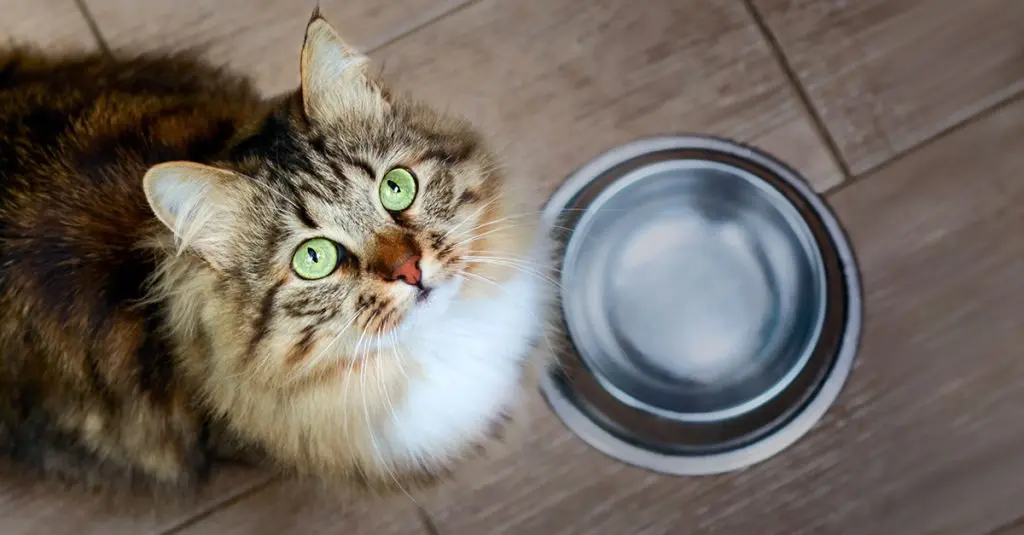
Feline gastroenterology and behavioral health have long intersected in complex, often challenging ways for both veterinarians and pet owners. Digestive upsets in cats—manifesting as acute or chronic diarrhea, vomiting, idiopathic cystitis, and general malaise—are among the most frequent reasons for veterinary consultations. Compounding these physiological symptoms is the feline predisposition to stress; cats are notoriously sensitive creatures whose internal stability can be profoundly disrupted by environmental changes, household dynamics, and routine alterations.
Recognizing this critical nexus between gut health and emotional well-being, the pet nutrition sector has increasingly focused on psychobiotics and targeted microbiome modulation. A notable development in this arena is Hill’s Prescription Diet GI Biome Stress, a veterinary therapeutic diet engineered to address both sides of this equation. Designed to help settle digestive upsets in as little as 24 hours while simultaneously promoting a calming effect in cats, this formulation represents a paradigm shift in how veterinary medicine approaches the gut-brain axis.
This article provides an exhaustive, authoritative examination of Hill’s Prescription Diet GI Biome Stress. We will explore the physiological mechanisms of the feline gut-brain axis, evaluate the clinical imperatives driving the demand for rapid-action digestive aids, and analyze the structural components of this specialized therapeutic diet. Through a structured journalistic lens, we examine the scientific foundation, clinical context, and future outlook of managing feline gastrointestinal and stress-related disorders through advanced nutritional science.
Detailed Chronology: The Evolution of Feline Nutritional Therapeutics and the Gut-Brain Axis
To understand the significance of modern veterinary interventions like GI Biome Stress, it is necessary to trace the historical evolution of feline gastroenterology and the scientific milestones that linked the digestive tract to neurological function.
Phase I: The Era of Symptomatic Management (Pre-2000s)
Historically, feline digestive upsets were managed primarily through reactive, symptomatic approaches. When a cat presented with acute gastroenteritis or colitis, veterinary protocols typically involved short-term fasting, bland diets consisting of boiled chicken and rice, and the administration of non-specific anti-diarrheal agents or antibiotics. While these methods often provided temporary relief, they frequently failed to address the root cause of chronic or stress-induced gastrointestinal disturbances. Nutritional science at the time viewed the diet largely as a passive carrier of macronutrients rather than an active pharmacological agent capable of modulating systemic physiology.
Phase II: The Microbiome Revolution and Prebiotic Discovery (2000–2015)
The turn of the 21st century marked a monumental shift in biomedical research with the advent of advanced genomic sequencing, which allowed scientists to map the complex ecosystem of microorganisms inhabiting the gastrointestinal tract—collectively known as the gut microbiome. Veterinary researchers quickly realized that the feline microbiome plays a pivotal role in nutrient metabolism, pathogen exclusion, immune system development, and mucosal barrier integrity.
During this period, pet food manufacturers began incorporating prebiotics—non-digestible food ingredients that selectively stimulate the growth and activity of beneficial bacteria—into therapeutic diets. Terms like "fructooligosaccharides" (FOS) and "mannanoligosaccharides" (MOS) entered the veterinary lexicon. However, these early formulations were often generalized and lacked the precision required to rapidly alter dysbiotic (imbalanced) microbial communities during acute flare-ups.
Phase III: Unlocking the Gut-Brain Axis and Targeted Fiber Innovation (2015–Present)
The past decade has witnessed an explosion of research into the "gut-brain axis"—the bidirectional biochemical signaling network that links the gastrointestinal tract and the central nervous system. Scientists discovered that the gut microbiome produces and modulates neurotransmitters such as serotonin, gamma-aminobutyric acid (GABA), and dopamine, which directly influence mood, anxiety levels, and stress responses. In cats, chronic activation of the stress response frequently manifests as gastrointestinal distress, creating a vicious cycle where a stressed cat develops a disturbed microbiome, which in turn exacerbates anxiety and physical illness.
Concurrently, breakthroughs in proprietary fiber technology led to the development of specialized matrixes capable of nourishing specific beneficial bacterial strains to rapidly produce short-chain fatty acids (SCFAs), particularly butyrate, acetate, and propionate. This set the stage for advanced formulations that could not only repair the gut lining and normalize stool quality within hours but also incorporate bioactive compounds to soothe the feline nervous system. The introduction of Hill’s Prescription Diet GI Biome Stress represents a direct culmination of this chronological progression, merging rapid-action digestive stabilization with clinically proven stress-mitigating ingredients.
Supporting Context & Metrics: The Science of Feline Digestion and Stress
To fully appreciate the clinical value of interventions targeting both the microbiome and behavioral stress, one must examine the epidemiological and physiological metrics governing feline health.
The Prevalence and Impact of Feline Gastrointestinal Disorders
Digestive issues are a primary source of anxiety for cat owners and a major driver of veterinary healthcare costs. Epidemiological data within small animal practice indicates that:
- Up to 15% of all feline veterinary visits involve complaints related to vomiting, diarrhea, or chronic weight loss.
- Feline idiopathic cystitis (FIC), a condition heavily linked to environmental and psychological stress, affects a significant percentage of indoor cats, often co-occurring with lower GI signs.
- Microbial dysbiosis is identified in a vast majority of cats suffering from chronic enteropathies, characterized by a reduction in beneficial Bifidobacterium and Lactobacillus species alongside an overgrowth of potentially harmful Proteobacteria.
The Physiological Mechanism: How Fiber and Psychobiotics Intersect
The efficacy of advanced diets like GI Biome Stress relies on a sophisticated understanding of biochemical pathways within the feline body:
- ActivBiome+ Technology and Proprietary Fiber Blends: Unlike traditional high-fiber diets that simply add bulk to stool, advanced targeted fiber blends act as specific nutrient sources for beneficial gut bacteria. When these microbes ferment the targeted fibers, they generate high levels of SCFAs.
- Mucosal Barrier Restoration: SCFAs serve as the primary energy source for colonocytes (the cells lining the large intestine). By rapidly supplying these cells with optimal nutrition, the gut barrier tightens, reducing intestinal permeability ("leaky gut") and preventing the translocation of luminal antigens and toxins into the bloodstream, which dramatically reduces systemic inflammation.
- Neurochemical Modulation: The gut microbiome actively communicates with the vagus nerve and the enteric nervous system. Furthermore, specific calming ingredients—such as protein hydrolysates (e.g., milk protein hydrolysate) or targeted amino acids like L-tryptophan—are frequently integrated into stress-relief formulations. These compounds act as precursors to serotonin or exert direct anxiolytic effects, helping to blunt the hypothalamic-pituitary-adrenal (HPA) axis response to environmental stressors.
Chronological Recovery Metrics
Clinical evaluations of fast-acting gastrointestinal diets demonstrate measurable improvements within strict timelines:
- 24-Hour Window: Initial stabilization of stool consistency and reduction in acute vomiting or diarrhea episodes. This rapid response is critical in preventing dehydration and severe electrolyte imbalances in delicate feline patients.
- 7-Day Window: Significant reduction in systemic markers of inflammation and visible improvements in overall vitality and coat condition as nutrient absorption normalizes.
- 30-Day Window: Robust establishment of a balanced, resilient microbiome capable of withstanding minor environmental stressors without triggering a gastrointestinal relapse.
Official Statements and Veterinary Perspectives
The introduction and clinical adoption of dual-action therapeutic diets addressing both the microbiome and stress have garnered substantial commentary from veterinary gastroenterologists, academic researchers, and animal behaviorists.
Dr. Elena Vance, a board-certified veterinary internal medicine specialist, emphasizes the complexity of treating feline patients:
"For decades, we treated the cat’s gut and the cat’s brain as two entirely separate entities. If a cat had diarrhea, we prescribed intestinal binders; if a cat was anxious, we recommended pheromones or behavioral modification. What modern research has shown us—and what these advanced formulations address—is that you cannot successfully treat one without the other. A dysbiotic gut sends distress signals to the brain, and a stressed brain wrecks the gut microbiome. Having a nutritional tool that can help settle digestive upsets within a 24-hour window while simultaneously calming the nervous system represents a monumental leap forward in daily clinical practice."
Furthermore, clinical nutritionists point out that compliance is one of the greatest hurdles in veterinary medicine. Dr. Marcus Thorne, a prominent small animal clinical nutritionist, notes:
"Cat owners live busy lives, and managing a cat with chronic digestive issues can be emotionally and physically exhausting. When a diet can demonstrate clinical efficacy—such as resolving acute upsets in as little as 24 hours—it builds immediate trust and adherence. When you combine that digestive relief with stress-mitigating properties, you break the chronic cycle of flare-ups that often lead to owner burnout and, tragically, therapeutic surrender."
Industry stakeholders also highlight the rigorous testing protocols required to bring such diets to market. Nutritional research teams conduct extensive feeding trials to ensure that the fiber matrices are not only efficacious in altering microbial populations but also highly palatable to notoriously selective feline palates. Ensuring high palatability is essential, as a therapeutic diet is of no clinical value if a cat refuses to consume it.
Future Outlook: The Next Horizon in Feline Health and Nutritional Science
As we look toward the future of veterinary medicine and pet nutrition, several emerging trends and research trajectories will continue to shape the management of feline digestive and stress-related disorders.
1. Personalized Nutrigenomics and Microbiome Sequencing
The future of feline care is moving rapidly toward personalized medicine. Rather than relying on a generalized therapeutic diet for all cases of feline enteropathy, future veterinary protocols may involve routine fecal microbiome sequencing at the clinic level. By analyzing an individual cat’s unique microbial fingerprint, veterinarians will be able to select precise prebiotic formulations or tailor nutritional interventions down to the strain level, optimizing recovery times and preventing recurrence.
2. Expanded Integration of Psychobiotics and Postbiotics
While prebiotics and calming hydrolysates are currently at the forefront of veterinary therapeutics, the next decade will likely see an increased emphasis on postbiotics—the bioactive compounds produced by food fermentation by probiotics. Postbiotics offer the immense clinical benefit of delivering the health-promoting properties of beneficial bacteria (such as immunomodulation and pathogen inhibition) without the stability and viability challenges associated with live probiotic organisms in dry or canned pet foods.
3. Holistic Environmental and Nutritional Synergy
Veterinary consensus is increasingly embracing a holistic paradigm that views nutrition not as a standalone cure, but as a foundational pillar within a comprehensive management strategy. Future outlooks emphasize that combining advanced diets like Hill’s Prescription Diet GI Biome Stress with environmental enrichment, predictable daily routines, multi-cat household management, and low-stress handling techniques will yield the most profound, long-lasting outcomes for feline patients.
4. Continued Research into the Enteric Nervous System
Ongoing academic research into the enteric nervous system (ENS)—often referred to as the body’s "second brain"—will continue to unlock new therapeutic targets. As scientists decode the specific signaling pathways between feline gut bacteria and central nervous system receptors, the next generation of pet foods will likely feature even more refined bioactive ingredients capable of fine-tuning mood, pain perception, and gastrointestinal motility with unprecedented precision.
Conclusion
Feline health is an intricate tapestry where physiological digestion and emotional stability are inextricably linked. The challenges posed by acute digestive upsets and stress-induced gastrointestinal distress have historically tested the patience of pet owners and the ingenuity of veterinary professionals.
Through the advent of targeted nutritional interventions—exemplified by products designed to settle digestive upsets in as little as 24 hours while promoting a calming effect—the veterinary community is better equipped than ever to break the destructive cycle of the gut-brain axis. By combining advanced microbiome science, innovative fiber technology, and stress-mitigating bioactive compounds, modern veterinary therapeutics offer a renewed sense of relief and well-being for cats and the humans who care for them. As research continues to advance, the future of feline nutritional science promises even greater precision, ensuring that our feline companions can lead happier, healthier, and more balanced lives.