
Executive Overview
From the sun-baked salt flats of the Gulf Coast to the rugged, towering peaks of the Chiricahua Mountains in southeastern Arizona, the life of a Coastal Bird Technician is one of rigorous fieldwork, deep community engagement, and specialized avian conservation. In an era marked by rapid habitat loss, shifting climate patterns, and escalating anthropogenic pressures on fragile ecosystems, organizations like Audubon Delta stand on the front lines of ecological preservation. At the center of this vital work are dedicated technicians who monitor shorebird populations, advocate for community-led conservation, and continually hone their technical skill sets through advanced training.
This feature explores the multifaceted day-to-day realities of working as a Coastal Bird Technician, examining the intricacies of shorebird population monitoring, the deeply personal milestones of wildlife banding, and the painstaking, micro-craftsmanship required to band some of the smallest vertebrates on Earth: hummingbirds. Drawing on firsthand accounts from the field, this article highlights the intersection of boots-on-the-ground conservation science and public advocacy. Furthermore, it delves into the specialized methodologies of avian research, the logistical hurdles of specialized equipment manufacturing, and actionable steps the public can take to ensure the survival of migratory and resident shorebirds alike.
Detailed Chronology: A Year in the Life of a Coastal Bird Technician
To truly understand the rhythm of coastal conservation, one must examine how the responsibilities of a technician shift with the turning of the seasons. The work is dynamic, physically demanding, and deeply tied to the biological clocks of avian species.
The Breeding Season: Counting Nests and Raising Awareness
When asked to describe their role to someone entirely unfamiliar with the field, a Coastal Bird Technician will typically point first to the breeding season. This period dictates a fast-paced, high-stakes schedule defined by population counts and reproductive tracking.
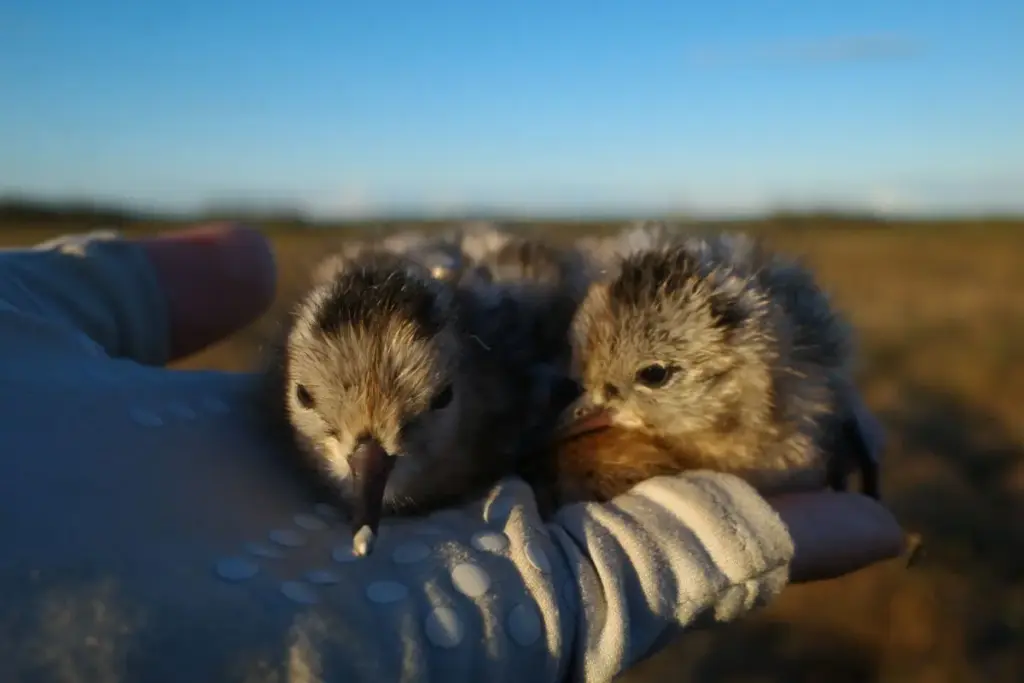
During the spring and summer months, the primary objective is straightforward yet monumental: assessing the health and viability of local shorebird populations. Technicians patrol nesting beaches to count breeding pairs, locate hidden nests, and monitor clutch success. Every surviving chick that makes it to the fledge stage—the critical developmental milestone when a young bird grows the flight feathers necessary for initial takeoff—represents a victory for the local ecosystem.
However, the job extends far beyond pure data collection. A significant portion of the breeding season involves direct community advocacy. Technicians act as liaisons between the wildlife and the human populations that recreate along the coastline. This requires educating beachgoers about nesting habits, establishing temporary buffer zones or signage around vulnerable colonies, and fostering a culture of shared stewardship. Amidst the rewarding moments of conservation success and community outreach, technicians also face the relentless reality of field research in coastal wetlands: enduring swarms of mosquitoes and punishing humidity.
The Full-Circle Moment: Witnessing Intergenerational Success
Fieldwork is often characterized by statistical trends, spreadsheet entries, and mortality rates, but it is occasionally punctuated by profound, deeply personal milestones. For many technicians, the emotional core of the job lies in seeing the long-term impact of their hands-on labor.
One such milestone involves the practice of bird banding—attaching a lightweight, uniquely numbered aluminum or color band to a bird’s leg to track its movements and lifespan. A defining career moment for many researchers occurs when they encounter a bird they banded as a defenseless chick returning years later as a fully mature adult.
In one notable instance with Audubon Delta, a technician experienced this "full-circle" phenomenon when the very first chick she ever banded returned to its natal territory. Marked distinctively with color bands, the bird reappeared season after season before finally settling down as a breeding female in the exact area where she hatched. Such encounters serve as powerful reminders of the enduring value of long-term monitoring programs, transforming abstract conservation goals into tangible, living proofs of success.
Supporting Context & Metrics: The Micro-World of Hummingbird Banding
While shorebird conservation anchors much of the regional workload, avian monitoring spans a breathtaking spectrum of scales—from sprawling coastal wetlands to the hyper-specialized study of the world’s smallest birds. Recently, regional conservation efforts expanded through specialized professional development, shedding light on the fascinating, meticulous world of hummingbird banding.
The Chiricahua Workshop: Training at the Southwestern Research Station
To bridge a regional gap in expertise, technicians occasionally participate in intensive, advanced training programs. One such initiative is a 10-day hummingbird banding workshop hosted collaboratively by the Hummingbird Conservation Network and the Southwestern Research Station, nestled within the biological diversity hot spot of the Chiricahua Mountains in Arizona.
The curriculum is structured to instill absolute precision and safety. The opening days focus heavily on the mechanics of handling delicate avian subjects. Participants learn specialized extraction grips, precise anatomical measurement techniques, and the complex art of band fabrication.
Unlike standard bird bands, which arrive pre-formed from industrial manufacturers, hummingbird bands require a deeply involved, hands-on fabrication process:
- Material Preparation: Bands are printed on ultra-thin, specialized aluminum sheets.
- Cutting: Technicians must manually cut out individual strips from the sheet using precision shears.
- Blanking: Individual band units are sliced from the strips to exact dimensional tolerances.
- Forming and Finishing: The tiny metal rectangles are bent into semicircles using custom formers. Technicians must meticulously file, sand, and smooth the edges to ensure absolute uniformity.
Because hummingbirds possess extraordinarily delicate anatomies and ethereal body masses, any microscopic scratch, burr, or improper sizing can prove catastrophic. The margin for error is measured in fractions of a millimeter.
Field Processing and the Lucifer Hummingbird
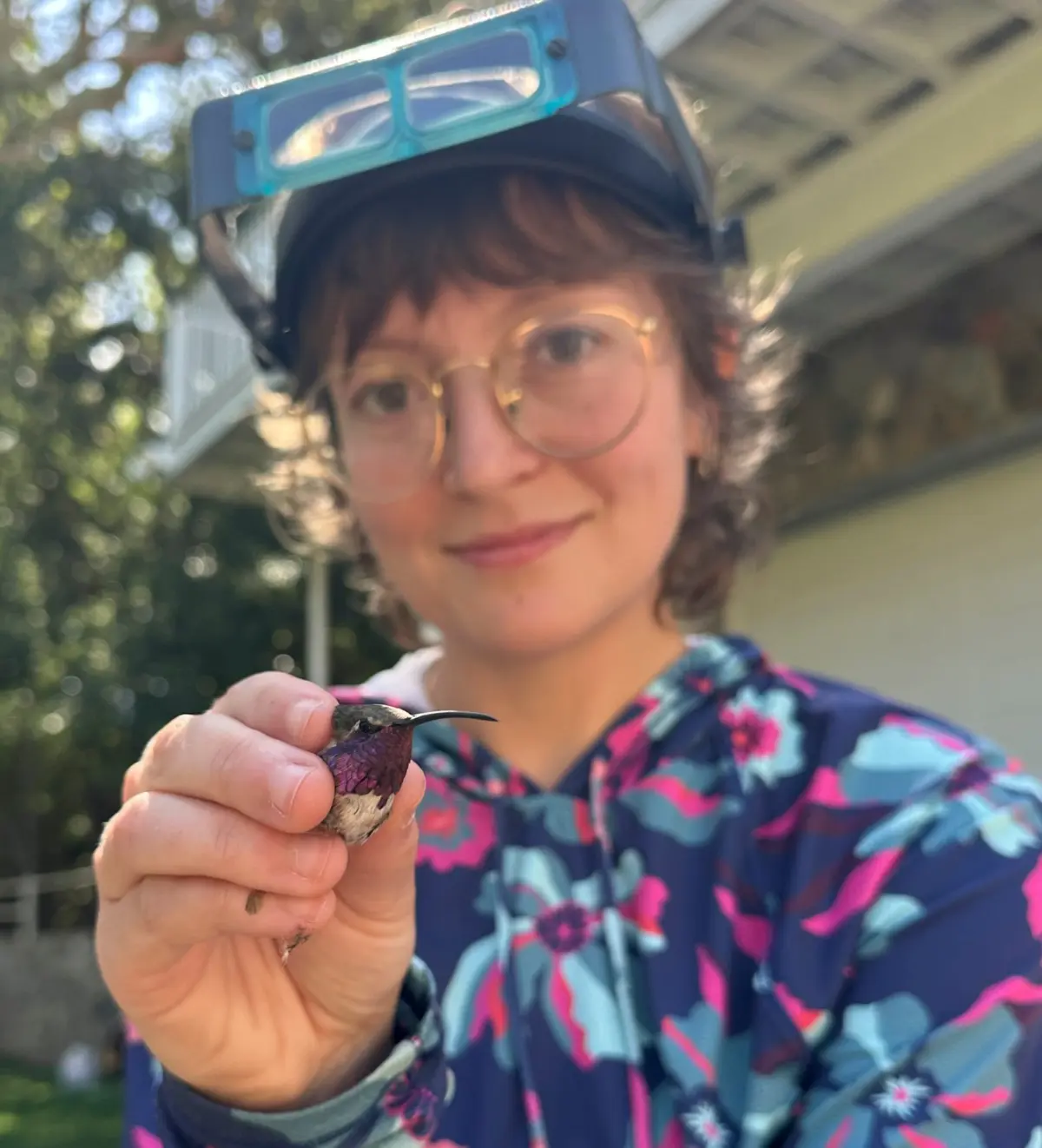
Once technicians master the art of band fabrication, the curriculum transitions into active field processing. Working across diverse habitats—including the research station grounds and remote mountain residences known as local birding hotspots—participants trap, band, measure, and process migrating hummingbirds.
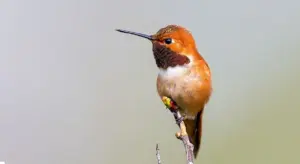
These field sites occasionally yield extraordinary discoveries. For instance, monitoring stations frequented by rare species—such as the striking Lucifer Hummingbird—offer technicians an unprecedented opportunity to study birds with highly restricted geographic ranges. Alongside individual banding efforts, these workshops integrate broader population monitoring protocols affiliated with the Hummingbird Monitoring Network, incorporating systematic feeder counts to map migration densities and timing.
The DIY Nature of Avian Micro-Technology
One of the most eye-opening revelations for technicians entering the sub-discipline of hummingbird research is the cottage-industry nature of the equipment. While large-scale ornithology relies on standardized, mass-produced tools, hummingbird banding is heavily dependent on custom-engineered, DIY instrumentation.
From specialized micro-pliers and miniature banding formers to custom shears and sizing jigs, much of the essential gear is fabricated by small community artisans or researchers themselves. Because hummingbird banding remains relatively young compared to traditional passerine or raptor banding, the infrastructure supporting it is inherently niche. This realization underscores how specialized and rapidly evolving the field of modern ornithology truly is.
Official Statements & Expert Perspectives
To appreciate the broader philosophy guiding these conservation efforts, one must look to the insights and values shared by field technicians who dedicate their lives to avian protection.
Bridging Regional Gaps in the Delta
Reflecting on the integration of new skills into regional programs, technicians emphasize the strategic value of cross-disciplinary training. Historically, organizations like Audubon Delta lacked dedicated, certified hummingbird banders on staff. By embedding technicians in nationally recognized training cohorts, regional offices build internal capacity for specialized monitoring initiatives—such as tracking migratory pulses during local birding festivals—while simultaneously forging stronger institutional networks with the National Audubon Society and partner organizations across North America.
The Charismatic Appeal of Avian Biology
Conservation is serious science, but it is often fueled by a profound, personal fascination with avian behavior. When asked about personal favorites within the avian kingdom, field professionals often highlight species with unique ecological niches and charismatic behaviors.
A prime example is the American Dipper (Cinclus mexicanus). As North America’s only truly aquatic songbird, the dipper defies standard ecological categorization. Characterized by a stout, plump silhouette and a trademark bobbing motion, dippers inhabit rushing mountain streams where they dive beneath the surface to hunt for aquatic invertebrates. Their specialized foraging style and endearing physical traits remind field researchers of the astonishing evolutionary diversity packed into the avian world.
Future Outlook: Protecting the Coastal Flyways
As anthropogenic pressures mount along coastal and migratory corridors, the ultimate success of conservation initiatives relies heavily on public cooperation. Field technicians stress that everyday beachgoers hold immense power to either safeguard or disrupt fragile shorebird populations.
Understanding Avian Stress and Energy Budgets
A common misconception among coastal recreationists is that birds will simply fly away when disturbed without suffering long-term consequences. Technicians emphasize that every unnecessary flight forces a migrating or nesting bird to burn critical caloric reserves.
Many shorebirds observed resting on beaches during migration have traveled thousands of miles—with some populations journeying from the Arctic tundra all the way to the southernmost tip of South America. When beachgoers allow their pets to chase flocks, walk too close to resting groups, or drive vehicles through nesting zones, they force birds to expend energy urgently needed for continuous migration or successful chick-rearing.
The rule of thumb in coastal conservation is straightforward: give birds space. If a bird alters its behavior, begins walking away, or takes flight as humans approach, the threshold has been crossed. Recognizing the physical signs of avian stress—such as head-bobbing, defensive postures, or sudden flight—allows the public to become active participants in conservation.
The Road Ahead for Audubon Delta and Beyond
Looking forward, the integration of advanced banding techniques, rigorous coastal monitoring, and community-based education forms a robust blueprint for regional wildlife management. By empowering field technicians with diverse skill sets—spanning from shorebird population censuses on humid Gulf beaches to micro-banding hummingbirds in Arizona’s rugged mountain ranges—conservation organizations are better equipped than ever to meet the ecological challenges of the 21st century.
Ultimately, the future of coastal birds depends on a delicate balance: the tireless, meticulous science performed by field technicians on the ground, and the mindful restraint practiced by human communities sharing the shoreline.