
EXECUTIVE OVERVIEW
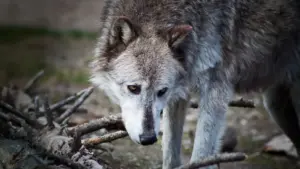
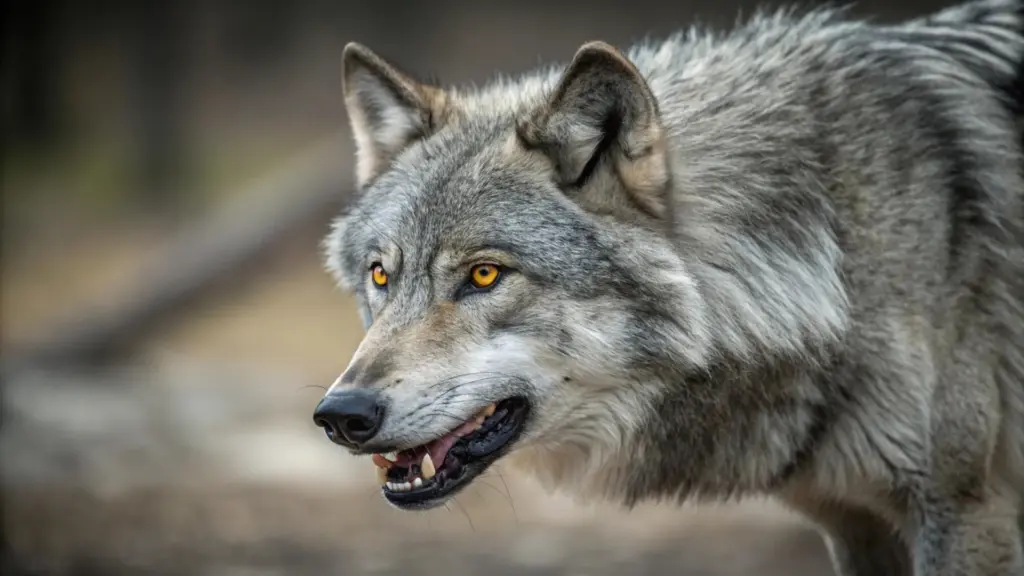
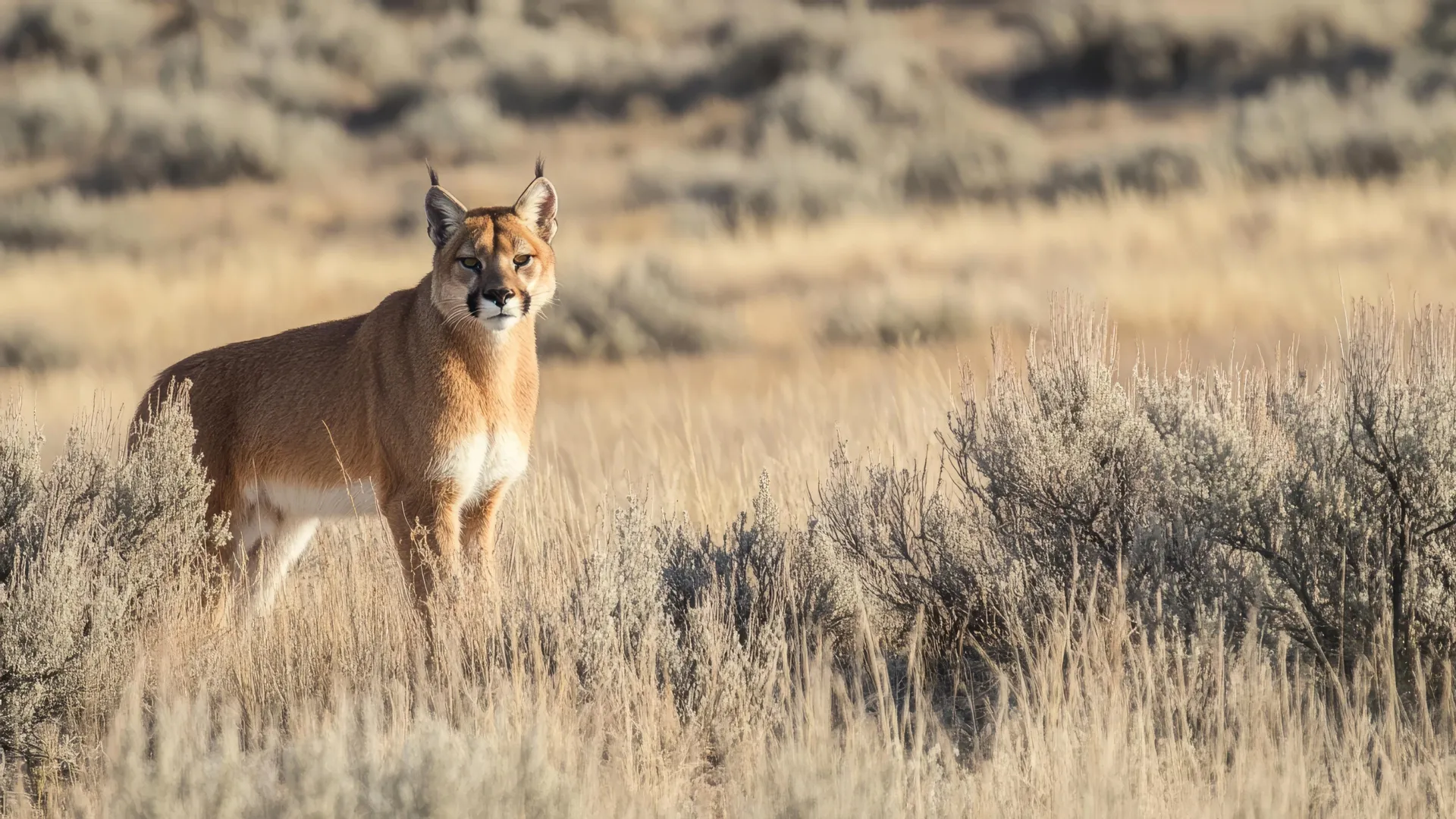
Deep within the rugged, geothermally scarred wilderness of Yellowstone National Park, an ancient drama is playing out with a modern twist. The return of apex predators to the American West has set the stage for a high-stakes ecological tango between two of North America’s most formidable carnivores: the gray wolf (Canis lupus) and the cougar (Puma concolor).
For decades, conservationists, wildlife biologists, and park visitors have marveled at the complex cascading effects of predator reintroductions. Yet, beneath the surface of Yellowstone’s recovering ecosystems lies a tense, asymmetric rivalry. A landmark nine-year study published in the journal PNAS sheds unprecedented light on this volatile relationship, revealing how solitary cougars continually adapt their behavior, hunting habits, and landscape usage to avoid deadly clashes with pack-hunting wolves.
The research—which combines nearly a decade of GPS tracking data, field investigations at nearly 4,000 potential kill sites, and advanced machine learning models—paints a clear picture of dominance and evasion. Wolves hold the upper hand, driven by the numerical and tactical advantages of pack life. Cougars, in response, have shifted their prey selection from massive elk to smaller, more manageable deer, shortened their feeding durations at carcasses, and learned to anchor their territories tightly to vertical escape routes like rocky outcrops and climbable trees.
Far from a simple tale of perpetual warfare, the study’s findings suggest that peaceful coexistence between these two apex predators is entirely possible. However, that precarious balance depends less on raw prey abundance and far more on landscape structural diversity—specifically, the availability of varied prey species and safe structural refuges where a solitary cat can cheat death. As wolves and cougars reclaim historical territories across the broader American West, the lessons learned from Yellowstone’s northern range provide an indispensable blueprint for managing modern carnivore communities.
DETAILED CHRONOLOGY: NINE YEARS OF TRACKING THE GHOSTS OF YELLOWSTONE
To understand the subtle dance between wolves and cougars, one must examine the exhaustive methodology behind the recent PNAS study. Spanning nearly a decade from 2016 to 2024, the research effort represents one of the most comprehensive telemetry and field investigations ever conducted on large mammalian carnivores.
The Ground Game: Field Investigations and Telemetry
The project was spearheaded by a multidisciplinary team of scientists from Oregon State University, the University of Minnesota, and the Yellowstone Center for Resources. Wesley Binder, a doctoral student at Oregon State and lead author of the study, brought nearly a decade of firsthand field experience to the endeavor, having spent years monitoring Yellowstone cougars through the Yellowstone Cougar Project.
During the buildup to and execution of the study, researchers deployed 140 remote camera traps across the park’s rugged northern region. They captured, handled, and fitted dozens of cougars and wolves with high-resolution GPS tracking collars. These collars transmitted precise location data at frequent intervals, allowing researchers to map the minute-by-minute movements of both species across vast, snow-swept landscapes.
However, collar data alone cannot tell the whole story. To verify animal behaviors, field researchers undertook grueling treks to nearly 4,000 potential kill sites flagged by GPS cluster analysis—locations where an animal had lingered long enough to suggest a feeding event. Braving sub-zero temperatures, deep snowpacks, and the inherent dangers of working in grizzly bear country, scientists meticulously scoured these sites for bone fragments, hair, and cached remains to confirm exactly what predator had killed what prey, and how long they had stayed.
Training Machine Learning on Predator Behavior
Processing millions of GPS data points presented a massive computational hurdle. To overcome this, the research team—including Oregon State co-authors Joel S. Ruprecht, Rebecca Hutchinson, and Taal Levi, alongside computer science and wildlife experts—developed and trained machine learning models.
By feeding confirmed field data into these algorithms, the system learned to match subtle patterns in GPS movement vectors with probable kill locations. This technological leap allowed scientists to reconstruct hundreds of thousands of predator-prey interactions across a nine-year timeline, giving them an unprecedented window into the invisible friction points shaping the Yellowstone ecosystem.
SUPPORTING CONTEXT & METRICS: THE ASYMMETRY OF POWER
The results of the machine learning analysis and field investigations revealed a stark, unmistakable power imbalance. In the wild, ecological dominance is rarely distributed evenly, and the relationship between wolves and cougars is a textbook case of asymmetric competition.
Why Wolves Hold the Upper Hand
Decades of ecological research underscore a fundamental behavioral divide: wolves are social carnivores that hunt, travel, and defend territory in cooperative packs, whereas cougars are solitary stalkers. This social structure grants wolves a decisive tactical advantage. A lone wolf may struggle against a cougar, but a pack of five to ten wolves can easily displace, injure, or kill a solitary cat.
Interestingly, while smaller carnivores (such as coyotes or foxes) often accept high mortality risks from dominant predators in exchange for the chance to scavenge leftover kills, cougars do not play this game. Cougars are apex ambush hunters capable of bringing down prey much larger than themselves; they rarely scavenge from other large carnivores. Consequently, when wolves and cougars cross paths at a carcass, the interaction is rarely a polite sharing of resources. It is a hostile takeover.
The Numbers Tell the Tale
The data gathered between 2016 and 2024 quantified this vulnerability with startling clarity:
- The Carcass Connection: Approximately 42% of all recorded wolf-cougar interactions occurred at predicted kill sites where a cougar had successfully hunted and was attempting to feed.
- The Inverse Reality: In stark contrast, only one single interaction took place at a site where a wolf pack had made a kill and a cougar had attempted to scavenge. Cougars actively avoid wolf kills entirely.
- Mortality Disparity: Over the nine-year study period, researchers documented 12 adult cougar deaths within the study cohort. Of those, two were directly killed by wolves. Notably, the wolves did not consume the cougars; instead, they killed the cats to usurp the elk carcasses the cougars had secured. In both fatal instances, the cougars were caught in areas devoid of nearby escape terrain.
- The One-Way Street: During that same timeframe, researchers documented 90 wolf deaths across the monitoring area. Zero of these wolf deaths were attributed to cougars. Wolf mortality was overwhelmingly driven by natural causes, disease, intraspecific strife (fights with rival wolf packs), and human-related factors.
The Shift to Deer: A Masterclass in Risk Mitigation
Faced with the constant threat of wolf pack incursions, cougars had to adapt or perish. The study revealed a profound behavioral shift driven by landscape-level pressures.
Historically, Yellowstone cougars relied heavily on elk as their primary dietary staple. However, as elk populations fluctuated and declined in certain areas of the park—partly due to wolf predation and environmental shifts—cougars pivoted their focus toward deer.
This dietary pivot was not merely about caloric availability; it was an evolutionary masterstroke in risk management. Deer are significantly smaller than elk. A cougar can consume a deer carcass much faster than an elk carcass. By slashing the amount of time spent lingering at a single feeding site, cougars drastically shorten the window of vulnerability during which wandering wolf packs might home in on the scent of fresh blood and meat.
Furthermore, cougars have learned to anchor their daily lives near escape terrain—geographical features such as steep rock cliffs, boulder fields, and dense groves of climbable trees. When wolves approach, a cougar’s best defense is verticality. By refusing to venture far from these natural bolt-holes, cougars minimize their chances of being cornered in the open.
OFFICIAL STATEMENTS: VOICES FROM THE FRONT LINES OF ECOLOGY
The implications of this research extend far beyond the borders of Yellowstone, offering critical insights for wildlife management agencies as large carnivores reclaim historical habitats across North America.
"In North America and worldwide, carnivore communities are undergoing major changes," noted Wesley Binder, doctoral student in the Oregon State University College of Agricultural Sciences and lead author of the study. "Our research provides insight into how two apex predators compete, which informs recovery efforts."
Reflecting on the historical context of predator eradication and return, Binder emphasized the novelty of the current ecological landscape in the American West:
"You’ve had these places that in the last 20, 30 years have had cougars come back, and now wolves are coming back as well," Binder said. "There are a lot of people asking questions like, ‘What are our ecological communities going to look like now that we have both of these large carnivores back on the landscape?’"
The historical backdrop makes these questions all the more urgent. For the better part of the 20th century, aggressive federal and state predator-control programs nearly purged both wolves and cougars from the contiguous United States. While legal protections allowed cougars to begin a slow, natural recovery through the 1960s and 1970s, wolves were entirely absent from Yellowstone until their historic reintroduction in 1995. Today, both species are successfully expanding into regions where humans haven’t seen them for generations.
Co-authors on the PNAS paper—including Joel S. Ruprecht, Rebecca Hutchinson, and Taal Levi of Oregon State, alongside Jack Rabe, Matthew Metz, and Daniel Stahler of the Yellowstone Center for Resources—stress that the survival equation for cougars boils down to habitat heterogeneity. Peaceful coexistence does not require endless expanses of uniform wilderness; rather, it requires complex landscapes that offer both diverse prey options and immediate structural refuge.
FUTURE OUTLOOK: THE ROAD AHEAD FOR CARNIVORE COEXISTENCE
As the American West continues to experience a renaissance of apex predators, wildlife managers face the intricate challenge of fostering biodiversity while mitigating human-wildlife conflicts. The findings from Yellowstone provide a roadmap for what to expect as wolves and cougars re-establish overlapping domains from the Rocky Mountains to the Pacific Northwest.
Implications for Conservation and Management
For decades, conservation paradigms often treated large carnivores in isolation, managing wolf tags or cougar quotas as separate, independent variables. The Oregon State-Yellowstone study shatters that siloed approach. It demonstrates that the population dynamics, stress levels, and spatial distributions of solitary predators are fundamentally dictated by the presence, density, and movement patterns of social predators.
Wildlife agencies operating in recovering habitats must account for these behavioral adaptations. Conservation efforts should prioritize the protection of structural landscape features—such as steep, rocky corridors and mature forest patches with climbable trees—that serve as critical lifelines for cougars. Furthermore, maintaining robust and diverse prey populations (both deer and elk) gives cougars the flexibility to adjust their foraging strategies, keeping them out of direct, fatal competition with wolf packs.
A Resilient Ecosystem
Ultimately, the tense relationship between Yellowstone’s wolves and cougars is a testament to the resilience and adaptability of nature. Rather than driving cougars to local extinction through competitive exclusion—a fear historically voiced by some critics of wolf reintroduction—wolves have instead catalyzed behavioral shifts that allow both species to share the landscape.
As researchers continue to analyze the telemetry data and monitor the shifting frontiers of the American West, the ghost-cats of the crags and the gray ghosts of the valleys will continue their eternal dance. It is a delicate balance of stealth and strength, of vertical refuge and pack tenacity, proving that even in the most unforgiving theaters of the wild, nature finds a way to accommodate more than one king.