
Executive Overview
Long before a puppy takes its first deliberate step on a leash, learns the foundational mechanics of a basic sit, or eventually assumes the profound responsibility of guiding a visually impaired individual through a complex world, a sophisticated sequence of biological milestones is already unfolding behind the scenes. In the high-stakes realm of guide and service dog training, preparation does not begin when an adolescent dog enters formal instruction. Instead, it starts during the earliest, most delicate days of life, when a puppy’s eyes are still sealed shut and its world is defined entirely by warmth, instinct, and the steady heartbeat of its mother.
At Dogs Inc, preparing future service dogs and guide dogs is approached as a continuous, scientifically informed continuum. Every developmental milestone, from the neonatal period through the complexities of adolescence, is met with meticulous care and deliberate design. Central to this early phase is a specialized, science-backed protocol known as Early Neurological Stimulation (ENS). While ENS represents only a single chapter in an expansive narrative of canine development, it underscores the rigorous philosophy that supports healthy emotional and physiological growth from the very beginning.
This article explores the intricate science of early puppy development, detailing how specialized neonatal exercises, targeted socialization windows, and lifelong reinforcement protocols combine to forge the calm, resilient, and focused temperament required of modern working dogs.
Detailed Chronology: From Neonatal Vulnerability to Adolescent Independence
The developmental trajectory of a canine is remarkably compressed compared to humans, making every week a critical window of neurological adaptation. Understanding this journey requires charting the precise chronological stages that transform a fragile newborn into a confident working partner.

[Birth - 2 Weeks: Neonatal Stage] ──> [2 - 4 Weeks: Transitional Stage] ──> [3 - 12 Weeks: Socialization Window] ──> [6+ Months: Adolescent Stage]
      • ENS Implemented                 • Eyes/Ears Open                     • Active Environmental Exposure     • Boundary Testing & Maturity
      • Entirely Dependent              • Walking & Barking Begins           • Building Confidence               • Hormonal Shifts & Focus
1. The Neonatal Stage (Birth to 2 Weeks)
During the first two weeks of life, newborn puppies exist in a state of absolute dependency. Blind, deaf, and incapable of regulating their own body temperature, they spend the vast majority of their time alternating between nursing and deep sleep. To the casual observer, they appear entirely passive.
However, beneath this quiet exterior, the brain and central nervous system are experiencing a period of explosive growth. It is precisely during this neonatal phase that specialized protocols like Early Neurological Stimulation are introduced. Because puppies at this stage are exceptionally vulnerable, these interventions are brief, highly controlled, and executed strictly by trained personnel adhering to established protocols. ENS is deliberately designed not as a training curriculum, but as a series of mild, age-appropriate physical challenges intended to stimulate the neurological system safely.
2. The Transitional Stage (2 to 4 Weeks)
As puppies cross the two-week threshold, the transitional stage opens up entirely new dimensions of perception. Eyes and ears begin to unseal, allowing newborns to process sights and sounds for the very first time. By four weeks of age, puppies are typically finding their footing, attempting their first clumsy steps, and experimenting with vocalizations like barking.
Simultaneously, deciduous teeth begin to erupt, signaling a physiological shift away from exclusive nursing toward soft gruels and eventually solid food. This period also marks the beginning of active interaction with littermates and the mother, laying the foundation for essential social behaviors such as bite inhibition and canine communication.

3. The Critical Socialization Period (3 to 12 Weeks)
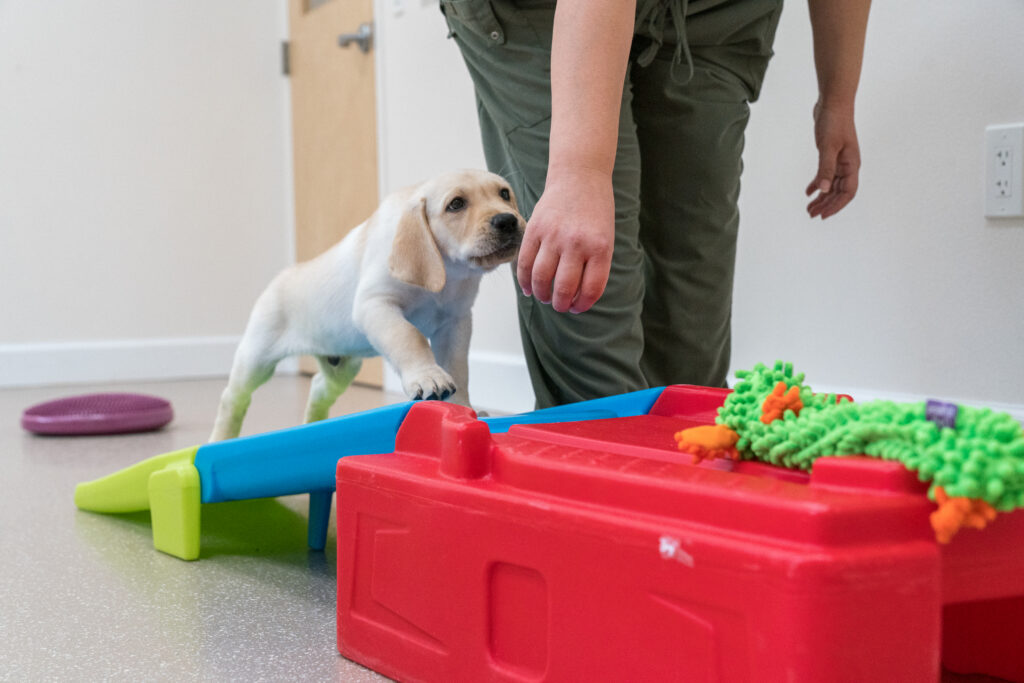
While ENS lays a physiological bedrock, the socialization window represents the psychological expansion of the puppy’s universe. Spanning roughly from week three through week twelve, this developmental window is paramount. Puppies begin actively engaging with human handlers, novel auditory stimuli, varied textures underfoot, and other dogs.
By the time a puppy reaches eight weeks of age, these curated encounters have begun forming the behavioral architecture of a friendly, well-adjusted adult dog. As exposure continues toward the twelve-week mark, systematic introductions to diverse environments, unfamiliar people, and everyday objects help inoculate the puppy against chronic fear and anxiety. Crucially, this period requires a delicate balance; experts note that puppies naturally navigate approximately four distinct "fear periods" during their development, meaning novel experiences must be introduced thoughtfully alongside positive reinforcement to foster curiosity rather than apprehension.
4. The Adolescent Stage and Beyond (6 Months to Maturity)
Entering adolescence anywhere from six to twelve months of age, young dogs begin testing boundaries with a tenacity familiar to parents of human teenagers. This stage coincides with hormonal shifts and reproductive maturity. For female dogs, this often involves their first heat cycle, while males may exhibit new hormone-driven behaviors.
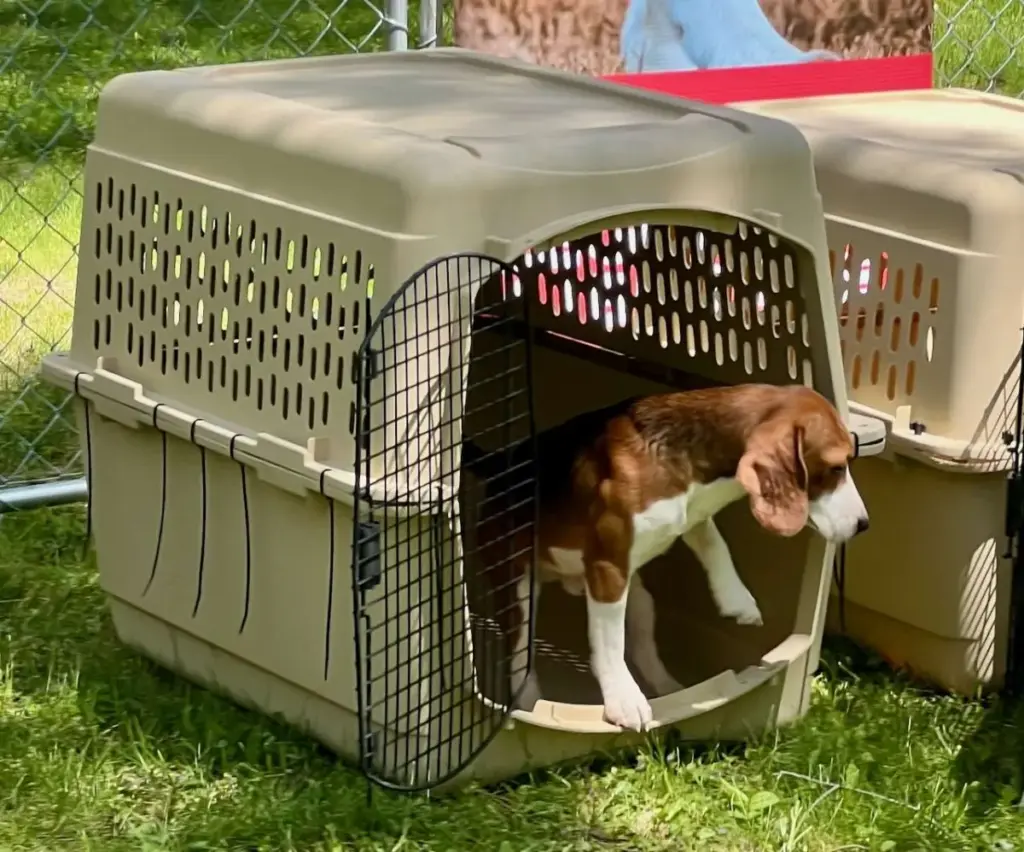
During this dynamic phase, structured training deepens. Crate training reinforces daily routines and domestic independence, while formal puppy classes—often recommended around sixteen weeks of age—help solidify obedience in distracting environments. Learning, however, does not stop at puppyhood; it is a lifelong pursuit that requires ongoing environmental enrichment and consistent positive reinforcement.

Supporting Context & Metrics: The Science of ENS and Environmental Enrichment
To fully appreciate the methodology utilized at organizations like Dogs Inc, one must examine the specific mechanics and objectives of Early Neurological Stimulation. Originally developed for military breeding programs and later popularized for working and sporting breeds, ENS relies on the premise that introducing minor, controlled stressors during a specific neonatal window can permanently alter and improve neurological capacity.
The Five Core ENS Exercises
During the neonatal stage (days 3 through 16), puppies are subjected to a daily series of five gentle tactile exercises. Each exercise lasts approximately 3 to 5 seconds:
- Tactile Stimulation: Holding the puppy in one hand, the handler uses a cotton swab to tickle the pads of the feet gently between the toes. This stimulates neurological pathways associated with touch and temperature regulation.
- Head Upheld: The puppy is held perpendicularly, with its head pointing upward, supported by both hands. This challenges the vestibular system, encouraging spatial orientation.
- Head Downward: The puppy is gently inverted so that its head is pointed downward toward the ground, encouraging cardiovascular and circulatory adjustment.
- Supine Position: The puppy is placed flat on its back in the palm of the handler’s hand, resting comfortably for a few seconds. This induces a mild state of calmness and submissive posture adaptation.
- Thermal Stimulation: A damp towel that has been cooled in a refrigerator is placed inside a box, and the puppy is placed upon it for a brief moment. Rather than harming the puppy, the mild cold stimulus activates metabolic and physiological stress responses in a controlled environment.
Quantifying the Benefits
While ENS is only one component of a holistic rearing strategy, longitudinal observations across decades of working dog breeding programs indicate several distinct physiological and psychological advantages:
- Improved Cardiovascular Performance: Enhanced heart rate and cardiac output stability under minor stress.
- Stronger Adrenal Glands: Improved hormonal response systems that regulate stress recovery.
- Greater Tolerance to Stress: Increased resilience when confronting novel environmental stimuli or unexpected situations later in life.
- Enhanced Brain Functioning: Improved electroencephalographic (EEG) output, reflecting a more adaptable and robust central nervous system.
However, experts continually emphasize that ENS is not a silver bullet. A puppy’s ultimate temperament and success as a working partner represent the complex interplay of genetics, health status, neonatal care, socialization, environmental enrichment, and ongoing training.

Official Perspectives: The Philosophy of Early Intervention at Dogs Inc
Preparing a dog to navigate a bustling airport, guide a handler safely across a busy city intersection, or provide specialized medical alert services requires an unwavering commitment to quality and humane treatment. Organizations dedicated to this mission view every stage of development through a lens of empathy and scientific rigor.
"Long before a puppy learns to sit, walk on a leash, or one day guide someone through the world, a lot is already happening behind the scenes. At Dogs Inc, preparing future guide dogs and service dogs starts long before formal training begins. Our goal isn’t to create ‘perfect’ dogs overnight, but to provide thoughtful, compassionate experiences that support healthy emotional maturity and lifelong learning."
This philosophy guides the daily operations of puppy-rearing programs. Handlers and breeder hosts recognize that early interventions must never cross the line into overwhelming stress. The emphasis remains squarely on positive reinforcement, patience, and respecting the natural pace of canine development. By acknowledging that each puppy progresses at its own rhythm, trainers can tailor their approaches to build unshakeable confidence, curiosity, and adaptability.
Furthermore, leadership at organizations like Dogs Inc stresses the distinction between early physiological stimulation and later behavioral socialization. While ENS primes the nervous system during the neonatal phase, subsequent stages demand active community integration. Exposing young dogs to varying species, modern urban environments, public transit sights and sounds, and diverse human demographics ensures that the physiological foundation built in week one translates into practical, real-world competence by adulthood.
Future Outlook: Raising the Standard for Modern Working Dogs
As our understanding of canine cognition, neuroplasticity, and behavioral genetics continues to evolve, the methodologies employed in service dog breeding programs are undergoing continuous refinement. The future of guide and service dog preparation points toward increasingly individualized care plans, leveraging data-driven metrics to track a puppy’s emotional resilience from birth through retirement.
The challenges facing modern service dogs are greater than ever. Urban landscapes are denser, sensory distractions are more pervasive, and the expectations placed upon working dogs require an unprecedented degree of emotional stability. Meeting these demands requires an uncompromising dedication to foundational development.
By investing time, scientific expertise, and heartfelt care into the neonatal and transitional stages, organizations like Dogs Inc are redefining what it means to prepare a dog for a life of service. The journey from a fragile, blind newborn to a confident, life-changing companion is paved with deliberate milestones. Through continuous research, expert handling, and a profound respect for canine biology, the future of guide dog training remains brighter—and more scientifically grounded—than ever before.