
Executive Overview
Welcoming a companion animal into a household is a transformative milestone, and for pet owners around the globe, selecting the ideal moniker is a deeply meaningful first step. Beyond mere identification, a name serves as an enduring reflection of a pet’s intrinsic personality, physical charm, and the values cherished by their human companions. For millions of pet owners seeking a profound cultural or spiritual connection, Islamic and Arabic traditions offer a rich, resonant lexicon.
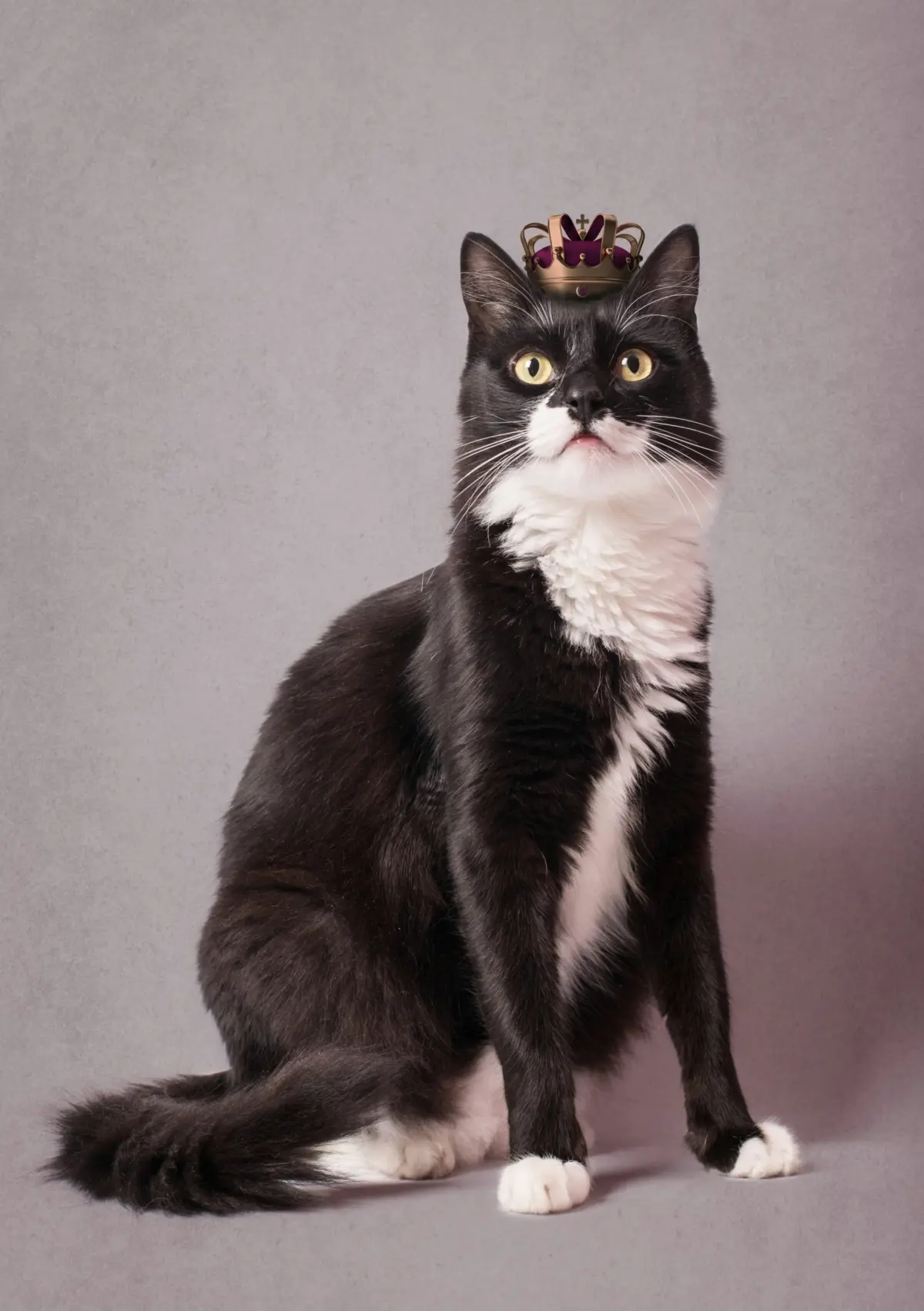
A newly released definitive compilation addresses this exact desire, curating over 500 Muslim cat names designed to honor Islamic heritage while capturing the playful, majestic, and endearing nature of felines. These selections span a vast spectrum of linguistic origins, embodying core virtues such as kindness, spiritual depth, inner strength, and physical beauty.
This report provides an in-depth analysis of the cultural trends driving the popularity of Islamic and Arabic pet names, explores the structural categorization of the newly published guide—ranging from alphabetic sequences to thematic classifications—and examines the broader psychological and sociological impacts of bestowing culturally rich names on domestic animals.
Detailed Chronology: The Evolution of Pet Naming and Cultural Integration
Phase I: The Historical Context of Animals in Islamic Culture
To understand the significance of modern Muslim pet naming trends, one must examine the historical relationship between humans, felines, and Islamic tradition. Felines have historically held a revered, highly protected status in Islamic societies. The Prophet Muhammad was famously known for his deep affection for cats, most notably his companion feline, Muezza. According to traditional accounts, the Prophet once cut off the sleeve of his robe rather than disturb Muezza, who was sleeping peacefully upon it.
Furthermore, historical urban centers like Cairo established dedicated endowments (waqf) for stray cats, ensuring food, shelter, and medical care. Despite this profound historical reverence, the systematic categorization of specifically "Islamic" or "Arabic" pet names in contemporary Western and global pet culture is a relatively recent phenomenon, born out of a desire for multicultural representation and spiritual personalization among pet owners.
Phase II: The Rise of Niche Pet Lexicons
Over the past two decades, the pet care industry has experienced unprecedented expansion, transforming pets from functional working animals into cherished family members. Alongside this anthropomorphization came a demand for specialized, meaningful nomenclature. Generic pet names like "Whiskers" or "Shadow" steadily gave way to names carrying specific etymological roots, regional flavor, and emotional resonance.
The compilation of over 500 Muslim cat names represents a milestone in this evolutionary timeline. Developed by pet care analysts and cultural researchers, the directory bridges the gap between traditional Islamic nomenclature and modern pet-ownership trends.
Phase III: Structural Organization of the Directory
The newly structured guide categorizes names through a multi-dimensional matrix. It ensures ease of navigation by breaking down selections into two primary structural approaches:
- Alphabetical Sequencing (A through Z): Allowing users to scan through targeted initial letters.
- Thematic Categorization: Grouping names by distinct categories such as cute, unique, cool, male, female, baby, funny, celebrity-inspired, food-related, and color-related aesthetics, alongside a dedicated focus on top Arabic derivations.
Supporting Context & Metrics: The Anatomy of the 500+ Name Directory
To appreciate the scale and utility of the guide, it is essential to examine how the names are distributed across various thematic and structural classifications. The comprehensive directory is systematically divided to cater to diverse owner preferences and feline personalities.
Alphabetical Breakdown (A to Z)
The core of the directory utilizes a standard alphabetical framework, spanning from B through Z, ensuring that every phonetic preference is accommodated. While letters vary in density based on Arabic and Islamic linguistic roots, categories are structured to include:
- Letters B through F: Featuring names emphasizing blessings (Barakah), beauty (Jamal), and radiance (Fajr).
- Letters G through L: Encompassing concepts of guidance (Hidayah), illumination (Nur), and gentleness (Latif).
- Letters M through Q: Highlighting nobility (Malik), victory (Nasr), and purity (Qamar).
- Letters R through Z: Incorporating attributes of mercy (Rahman), peace (Salam), sincerity (Sadiq), and brilliance (Zahir).
Thematic Sub-Categorizations
Beyond alphabetical sorting, the guide recognizes that modern pet owners seek names that align with specific situational contexts or behavioral traits:
- Cute Muslim Cat Names: Designed for kittens or petite, playful breeds, these selections focus on soft phonetics and endearing meanings that highlight a cat’s playful innocence.
- Unique Muslim Cat Names: Geared toward owners looking to break away from conventional choices, drawing from rare Arabic literary terms and lesser-known historical epithets.
- Cool Muslim Cat Names: Featuring strong, sharp consonant sounds and bold meanings suited for adventurous, independent, or majestic breeds (such as Maine Coons or Bengals).
- Male and Female Categories: Ensuring traditional gender-appropriate linguistic markers while maintaining flexibility for gender-neutral modern preferences.
- Baby Muslim Cat Names: Soft, diminutive forms ideal for newly adopted kittens.
- Funny Muslim Cat Names: Playful inclusions that merge cultural linguistics with humorous feline behavior.
- Celebrity-Inspired & Pop-Culture Names: Drawing parallels from prominent historical figures, scholars, and modern Muslim public figures who inspire global audiences.
- Food- and Color-Related Names: Tapping into Arabic culinary traditions (such as spices, fruits, and sweets) and descriptive color terms (such as Ahmar for red or Abyad for white).
Top 20 Arabic Cat Names
The culmination of the guide features a curated list of the top 20 Arabic cat names. These selections represent the intersection of high linguistic frequency, universal phonetic appeal, and profound cultural weight. Names in this elite tier often translate directly to majestic natural elements, celestial bodies, or noble character traits, making them universally resonant across both Arabic-speaking and non-Arabic-speaking Muslim households.
Official Statements and Expert Perspectives
The release of such a comprehensive database has drawn commentary from cultural historians, veterinarians, and pet lifestyle experts who analyze the intersection of animal husbandry and cultural identity.
Dr. Amina Al-Farsi, a cultural sociologist specializing in contemporary Muslim diaspora lifestyles, notes:
"The act of naming a pet is never neutral. It is an extension of the owner’s identity, values, and cultural framework. By curating names rooted in Islamic history and Arabic linguistics, pet owners are able to weave their cultural heritage into the everyday fabric of their domestic lives. It normalizes Islamic nomenclature in multicultural spaces and fosters a deeper emotional bond between the animal and the household."
Veterinary behavioral specialist Marcus Vance highlights the psychological impact of pet naming:
"Pets respond to the cadence, pitch, and frequency of their names rather than the complex etymological meaning. However, the human side of the equation is equally vital. When an owner chooses a name with a powerful, positive meaning—such as ‘strength’ or ‘peace’—they approach the animal with a subconscious psychological framing of respect and care. This significantly enhances human-animal interaction dynamics."
Future Outlook: The Growing Demand for Culturally Inclusive Pet Care
As global pet ownership continues to surge—projected to reach new economic and demographic heights over the next decade—the pet care ecosystem is undergoing a radical shift toward hyper-personalization and inclusivity.
1. Diversification of Pet Lexicons
The success of directories featuring Muslim and Arabic cat names signals a broader trend: the de-homogenization of pet culture. Future pet owners will increasingly look beyond standard Western or Eurocentric naming conventions, drawing from rich linguistic tapestries across African, Asian, Middle Eastern, and indigenous cultures. This diversification enriches the global pet care community, turning pet naming into an act of cross-cultural appreciation.
2. Integration with Digital Pet Ecosystems
As pet registries, microchipping databases, and veterinary software modernize, the demand for accurate phonetic spellings and transliterations of Arabic and Islamic names will grow. Ensuring proper English transliteration (such as distinguishing between long and short vowels or emphatic consonants) will become increasingly important for digital platforms catering to international pet owners.
3. Holistic Pet Wellness Rooted in Heritage
Beyond naming, the intersection of holistic pet care and cultural practices is expanding. From halal-compliant pet nutrition to culturally integrated pet accessories, the modern Muslim pet owner represents a vibrant, underserved demographic. Comprehensive guides like the 500+ Muslim cat name directory are merely the foundational step in a larger movement toward inclusive pet parenting.
Conclusion
Choosing a name for a cat is a profound ritual that marks the beginning of a shared journey filled with companionship, loyalty, and mutual affection. The release of a comprehensive, meticulously categorized guide of over 500 Muslim and Arabic cat names provides pet owners with an extraordinary resource. By blending historical reverence with modern aesthetic preferences—ranging from cute and funny to majestic and unique—this directory empowers owners to honor their cultural roots while celebrating the distinct, charming personality of their feline companions. As pet care continues to evolve into a more globally inclusive space, such resources ensure that the bond between humans and animals remains deeply personal, culturally resonant, and universally cherished.