The Association of American Feed Control Officials (AAFCO) recently concluded its semi-annual meeting in San Diego, California, drawing key state officials, federal regulators, pet food manufacturers, and consumer advocates. Although AAFCO operates as a private organization without direct enforcement powers, its influence over the pet food industry is immense: it drafts the model laws, ingredient definitions, and nutritional guidelines subsequently adopted into state-level legislation and enforced alongside the U.S. Food and Drug Administration (FDA). Membership within AAFCO’s voting core remains strictly limited to state and federal regulatory authorities, though industry stakeholders and consumer representatives are permitted limited participation during public committee proceedings.
The San Diego proceedings exposed deep regulatory vulnerabilities and growing friction between commercial interests, federal mandates, and consumer protection efforts. Key highlights from the meeting include contentious debates within the Ingredient Definitions Committee regarding the blurring lines between low-grade and premium rendered meat meals, pushback against long-overdue pet food labeling modernization efforts, legal warnings regarding deceptive packaging imagery, and a continued regulatory vacuum surrounding specialized diets for senior pets.
As the industry faces mounting scrutiny over transparency, the outcomes of these committee sessions highlight a systemic preference for regulatory delay and technical loopholes—leaving pet owners to navigate a market where labeling claims often mask the underlying quality of raw materials.
Detailed Chronology of Committee Proceedings
+-------------------------------------------------------------------------------------------------+
|                                 AAFCO COMMITTEE PROCEEDINGS                                    |
+-----------------------------------+-------------------------------------------------------------+
| Ingredient Definitions Committee  | • Debated 28% ash requirement in Meat and Bone Meal (9.41)  |
|                                   | • Risk of blurring lines between MBM and higher-tier Meat   |
|                                   |   Meal                                                      |
|                                   | • Concerns over rendering 4D animals and pentobarbital      |
+-----------------------------------+-------------------------------------------------------------+
| Current Issues & Outreach         | • Discussed ambiguous consumer education initiatives       |
| Committee                         | • Addressed Pet Food Label Modernization (PFLM) fiber rules |
|                                   | • Industry cited testing hurdles to push for further delays |
+-----------------------------------+-------------------------------------------------------------+
| Pet Food Committee                | • Addressed state-level adoption failures & export conflicts|
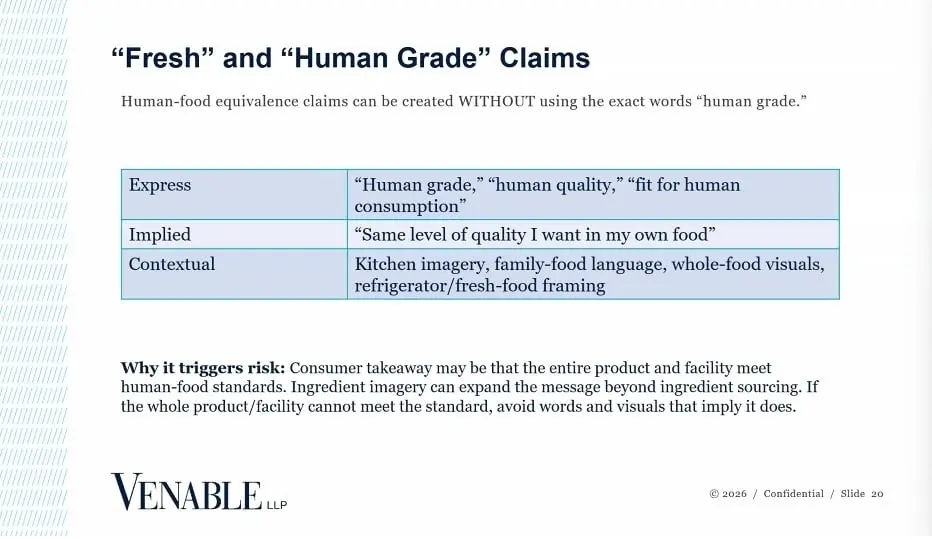
|                                   | • Legal presentation (Venable LLP) warned against false     |
|                                   |   ingredient imagery                                        |
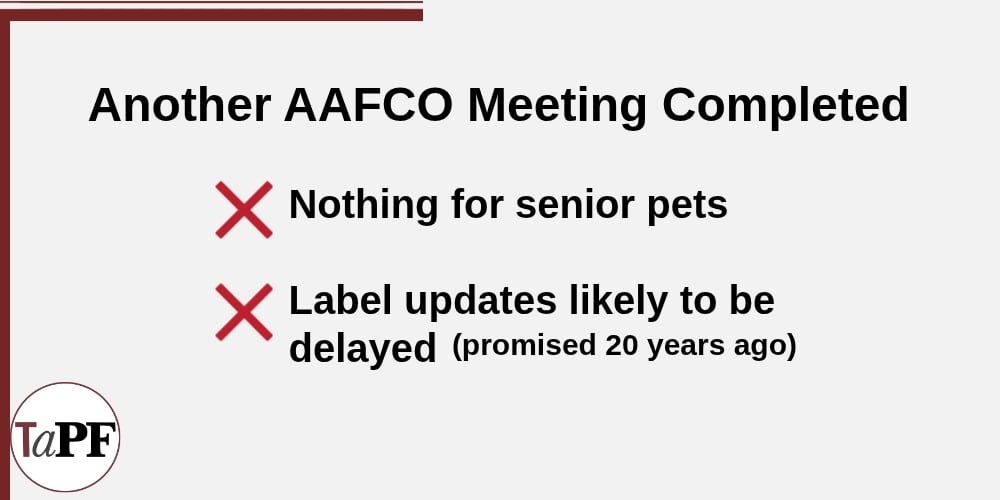
|                                   | • Admitted lack of nutritional standards for Senior Pets    |
+-----------------------------------+-------------------------------------------------------------+
1. Ingredient Definitions Committee: The Ash Content Controversy and Rendered Ingredients
The most telling debate of the summit occurred within the Ingredient Definitions Committee, centered on official definition 9.41 for Meat and Bone Meal (MBM). The definition currently reads:
"9.41 Meat and Bone Meal is the rendered product from mammal tissues, including bones, exclusive of any added blood, hair, hoof, horn, hide trimmings, manure, stomach and rumen contents, except in such amounts as may occur unavoidably in good processing practices. It shall not contain extraneous materials not provided for in this definition. It is a source of protein in animal diets. The total ash content for the product should contain a minimum of 28% ash. It shall not contain more than 12% pepsin indigestible residue and not more than 9% of the crude protein in the product shall be pepsin indigestible. The label shall include guarantees for minimum crude protein, minimum crude fat, minimum Phosphorus (P) and minimum and maximum Calcium (Ca). If the product bears a name descriptive of its kind, composition, or origin, it must correspond thereto."
Committee members and industry representatives debated whether to strike the mandatory 28% minimum ash content requirement. Proponents of removing the sentence argued for simplified specifications, but critics pointed out a critical legal consequence: without the ash floor, the definition of Meat and Bone Meal becomes functionally indistinguishable from the legal definition of standard "Meat Meal."
Striking the ash requirement would allow suppliers of low-grade Meat and Bone Meal to legally relabel their product simply as "Meat Meal." This distinction carries major consequences for pet food quality and safety:
Raw Material Origin: Meat and Bone Meal is historically recognized as one of the lowest-quality rendered ingredients in animal feed. It is frequently derived from "4D" livestock (dead, dying, diseased, or disabled) and whole animal carcasses.
The "Exclusive of Any Added" Loophole: The phrasing "exclusive of any added blood, hair, hoof, horn, hide trimmings, manure…" does not forbid these elements entirely. It permits whatever hair, manure, or hooves were present on the original dead animal at the time of rendering; it merely prohibits processors from adding extra extraneous waste into the batch after processing.
Pentobarbital Contamination: Historical FDA testing has established a strong link between low-tier rendered products and the lethal euthanasia drug pentobarbital. Rendered ingredients such as Meat and Bone Meal (MBM), Beef and Bone Meal (BBM), Animal Fat (AF), and Animal Digest (AD) are frequently manufactured from euthanized animals, presenting persistent chemical contamination risks.
By contrast, single-source meals—such as "Beef Meal"—are aggressively marketed by pet food brands as high-grade protein sources designed to support muscle development and vitality. The open discussion among regulators and industry representatives revealed that both ingredients are frequently drawn from the same lower-tier rendered streams, with regulatory focus fixated on semantic definitions rather than the nutritional integrity or legal compliance of the raw materials.
2. Current Issues & Outreach Committee: PFLM Stalling Tactics and Testing Hurdles
The Current Issues and Outreach Committee touched briefly on vague plans for "consumer education" initiatives scheduled for late fall and early 2027, though no concrete syllabus or campaign details were presented. The bulk of the session, however, shifted to the Pet Food Label Modernization (PFLM) initiative—specifically the requirement to disclose dietary fiber percentages on product packaging.
The history of the PFLM project reveals a long timeline of regulatory inertia:
2007: Congress passed the Ensuring the Safety of Pet Food act in the wake of widespread melamine pet food recalls, directing the FDA to modernize pet food labeling within two years (by September 2009).
2009–2023: The FDA missed its statutory deadline and effectively transferred the labeling overhaul task to AAFCO. AAFCO deliberated for 14 years before finally finalizing the updated guidelines in July 2023.
2023–2030: Despite completing the framework in 2023, implementation was pushed back seven years to 2030.
During the San Diego session, committee members highlighted logistical challenges regarding dietary fiber disclosure. Officials noted that laboratory testing to accurately quantify dietary fiber across diverse matrices remains inconsistent, expensive, and unreliable—particularly for high-moisture formats such as canned, raw, and fresh pet foods.
Following these disclosures, an industry representative formally inquired whether the committee would consider delaying the dietary fiber mandate beyond 2030. For consumer advocates in attendance, this request represented a strategic maneuver by manufacturers to further postpone labeling modernizations originally mandated by Congress nearly two decades ago.
3. Pet Food Committee: Implementation Barriers, Legal Warnings, and Senior Diets
The Pet Food Committee session addressed further complications surrounding the rollout of modernized labels, along with legal liabilities facing manufacturers:
+-----------------------------------------------------------------------------------------------+
|                            PET FOOD COMMITTEE: KEY CHALLENGES                                 |
+----------------------------------+------------------------------------------------------------+
| State Regulatory Fragmenting     | Individual states are hesitant to enact AAFCO PFLM         |
|                                  | updates into state law, threatening regulatory unity.      |
+----------------------------------+------------------------------------------------------------+
| Trade & Export Friction          | U.S. manufacturers report that redesigned PFLM labels     |
|                                  | face rejection in international export markets.            |
+----------------------------------+------------------------------------------------------------+
| Deceptive Packaging Imagery      | Venable LLP warns that pictures of steaks and whole meats  |
|                                  | invite consumer protection class-action lawsuits.          |
+----------------------------------+------------------------------------------------------------+
| Senior Pet Dietary Vacuum        | FDA admits senior pets risk nutrient deficiency, yet       |
|                                  | declines to establish formal nutritional profiles.          |
+----------------------------------+------------------------------------------------------------+
Legal Risks of Misleading Label Graphics
A notable highlight of the session was a presentation by Todd Harrison, a attorney with the law firm Venable LLP specializing in food and drug law. Harrison issued a direct warning to manufacturers regarding misleading packaging design.
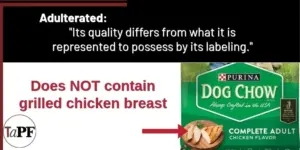
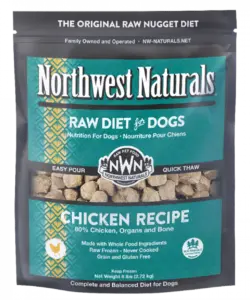
He cautioned that using high-end "ingredient imagery"—such as illustrations or photographs of prime grilled steaks, whole roasted chicken breasts, and farm-fresh vegetables—on pet food bags containing low-grade rendered meals and feed-grade byproducts creates severe legal exposure. Harrison warned that litigation against deceptive consumer imagery is accelerating, and brands relying on manipulative graphics face imminent class-action liabilities under state consumer protection statutes.
Inaction on Senior Pet Nutritional Standards
The committee also reviewed an FDA update regarding nutritional standards for senior pets. As companion animals age, their activity levels drop, prompting pet owners and veterinarians to reduce daily food portions to prevent obesity. However, because senior-specific pet foods are not governed by a dedicated AAFCO Senior Nutritional Profile, reducing portion sizes of standard adult maintenance food frequently leads to acute micronutrient deficiencies.
The FDA representative acknowledged that veterinarians regularly advise clients to feed senior dogs less food, inadvertently causing nutrient deficits. Despite recognizing this systemic issue, neither the FDA nor AAFCO proposed establishing a distinct nutritional standard for senior animals. Consequently, manufacturers may continue marketing products labeled for "Senior" dogs without meeting distinct nutritional benchmarks, leaving older pets vulnerable to dietary imbalances.
Supporting Context & Technical Metrics
To understand the operational realities of rendered ingredients and labeling timelines, the underlying regulatory mechanics must be examined against historical benchmarks.
Comparison of Rendered Protein Ingredients
Rendered ingredients represent a major portion of commercial pet food formulations. The technical distinctions between ingredients often dictate raw material quality, contamination risks, and cost:
Attribute
Meat Meal
Meat and Bone Meal (MBM) (Def 9.41)
Primary Source
Mammalian tissue rendered from slaughtered animals.
Rendered mammal tissues including whole carcasses (4D animals).
Ash Floor Requirement
Below 28% total ash threshold.
Minimum 28% total ash content requirement.
Extraneous Material Rules
Prevents added non-tissue materials.
Permits naturally occurring hair, hoof, horn, and manure attached to carcass.
Pentobarbital Risk Level
Moderate to Low (depending on source purity).
High (frequently linked to euthanized livestock/shelter animals).
Consumer Perception
Marketed as premium, single-source protein.
Traditionally recognized as low-grade feed filler.
Historical Timeline of Pet Food Labeling Modernization (PFLM)
2007: Congressional Mandate Passed (Ensuring the Safety of Pet Food Act)
 └── Target Completion: September 2009 (FDA Fails to Meet Deadline)
      └── Handed Off to AAFCO for Multi-Year Deliberation
           └── July 2023: AAFCO Finalizes PFLM Guidelines
                └── Set Target Implementation: 2030 (23 Years Post-Mandate)
                     └── Present: Industry Requests Further Delays via Fiber Testing Exceptions
Official Statements & Regulatory Findings
The proceedings in San Diego showcased significant gaps between commercial marketing practices, regulatory oversight, and consumer protection efforts.
On Pentobarbital and Rendered Ingredients
The FDA’s own historical research explicitly outlines the safety risks associated with low-tier rendered feed streams:
"There appear to be associations between rendered or hydrolyzed ingredients and the presence of pentobarbital in dog food. The ingredients Meat and Bone Meal (MBM), Beef and Bone Meal (BBM), Animal Fat (AF), and Animal Digest (AD) are rendered or hydrolyzed from animal sources that could include euthanized animals."
— U.S. Food and Drug Administration (FDA) Center for Veterinary Medicine
On Deceptive Package Imagery and Marketing
During his address to industry executives, legal counsel Todd Harrison emphasized the growing legal risks surrounding package graphics:
"Pet food manufacturers take a substantial legal risk when ‘ingredient imagery’ on labels or promotional websites does not accurately reflect the actual raw material composition of the finished pet food product."
— Todd Harrison, Partner, Venable LLP
On Commercial Marketing vs. Ingredient Reality
While commercial brands frequently promote rendered meals as high-quality protein choices—such as Blue Buffalo’s public claim that "Beef meal is a protein source that supports muscle development and energy"—advocates point out that regulatory definitions allow these ingredients to be sourced from diseased or dead carcasses.
Reflecting on the Ingredient Definitions Committee session, pet food consumer advocate Susan Thixton of TruthaboutPetFood.com noted:
"Their open discussion about these two ingredients confirms industry and regulatory bodies are well aware both are commonly sourced from the worst quality of raw materials—including dead and decomposing animals. Their discussion confirmed they prioritize the technical phrasing defining an ingredient over the actual safety, legality, and nutritional quality of what goes into the pet food bowl."
Future Outlook
The San Diego summit underscores a persistent pattern within pet food regulation: procedural delays, fragmented state enforcement, and resistance to consumer transparency.
Moving forward into the next legislative cycle, several key challenges remain:
State-Level Adoption Bottlenecks: Even if AAFCO maintains its 2030 implementation target for Pet Food Label Modernization, individual state departments of agriculture must independently incorporate the updates into state law. Reluctant state legislatures could create a patchwork of conflicting regional labeling standards.
Trade Disruptions: Export-oriented American manufacturers face resistance from foreign regulatory bodies that refuse to align with AAFCO’s modernized layout, threatening to stall unified label updates.
Litigation Risks: With regulatory enforcement lagging, class-action litigation focused on deceptive labeling graphics and misleading protein source claims is expected to increase, serving as a de facto enforcement mechanism against deceptive packaging.
Senior Pet Health Risks: Without dedicated nutritional profiles for aging pets, consumers must rely on independent veterinary guidance to ensure reduced-calorie senior diets provide adequate micronutrients.
AAFCO’s next semi-annual meeting is scheduled for January in Orlando, Florida. Regulatory authorities, industry representatives, and consumer advocates will reconvene to address unresolved labeling standards, ingredient definitions, and the future of pet food safety enforcement.