As summer temperatures soar and outdoor enthusiasts seek refreshing ways to beat the heat, a burgeoning niche within the pet-adventure community has captured the imagination of dog owners nationwide: paddle sports with canines. Long gone are the days when a dog’s aquatic recreation was limited to fetching a stick at the edge of a local lake. Today, adventure-loving pet parents are integrating their dogs into kayaking and stand-up paddleboarding (SUP) excursions.
However, transitioning a land-loving canine into a confident water companion requires careful planning, adherence to strict safety protocols, and a deep understanding of animal behavior. This comprehensive report explores the nuances of introducing dogs to paddle sports, drawing expert insights from seasoned adventure dog handlers, analyzing critical gear requirements, and offering an authoritative roadmap for safe, enjoyable excursions on the water.
Detailed Chronology: From Shelter Pup to Water-Bound Adventurer
The journey of canine paddle sports participation is rarely instantaneous; it is typically an evolutionary process built on patience, positive reinforcement, and incremental exposure. To understand how a dog transforms from a hesitant novice into a water-loving explorer, one need look no further than the documented experiences of adventure dogs like Robin, an 18-pound, two-and-a-half-year-old Basenji mix rescued from a local shelter in Los Angeles.
Phase One: Introduction and Baseline Acclimation
For most dogs—particularly those not traditionally bred for water retrieval—open water is an alien and potentially intimidating environment. When Katherine, the handler behind the popular Instagram chronicle @robinventures, first introduced Robin to paddle sports, the process began on dry land.
Onshore Familiarization: Before a watercraft ever touches the surface, experts recommend allowing the dog to inspect the kayak or paddleboard on solid ground. This minimizes fear of the unfamiliar object.
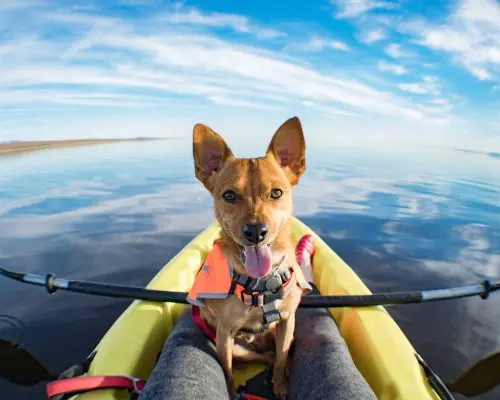
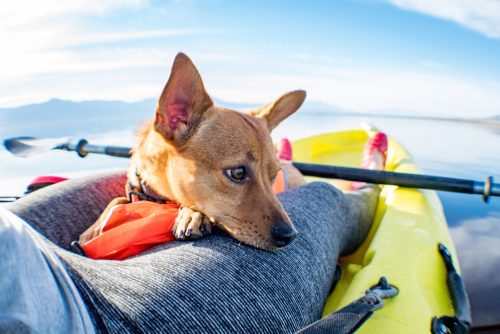
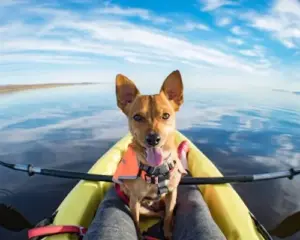
First Voyages: Initial outings are typically characterized by caution. During Robin’s debut kayaking trip across southern California waters, the novel movement and slick surfaces prompted mild anxiety. Handlers utilized strategic positioning—such as placing a gear bag in the foot well to create a stable, non-slip seating platform—to build the dog’s confidence. Over time, the canine learns to shift between the handler’s lap and the prow of the vessel depending on speed and water conditions.
Phase Two: Building Water Confidence
As dogs spend more time on the water, their apprehension frequently gives way to curiosity and, eventually, enthusiasm.
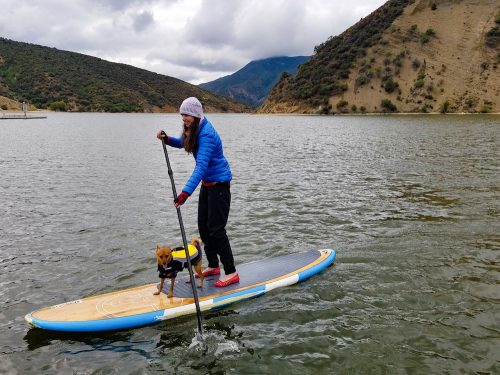
The Transition to SUP: Paddleboarding offers a wider deck space, which can be advantageous for balance, yet the slick surface materials of many boards present unique traction challenges. Handlers must observe how their dogs react to shifting weight distributions.
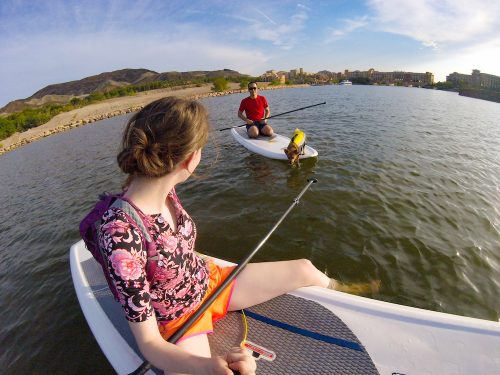
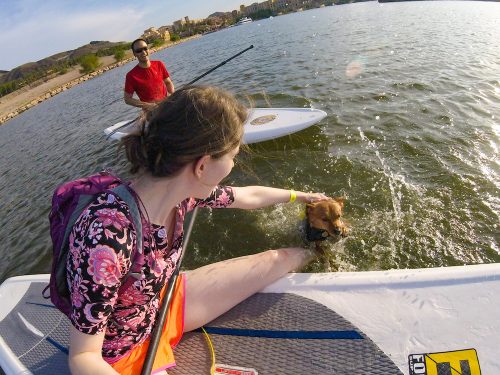
The Milestone of Voluntary Swimming: While early trips often involve a strict "stay on the board" policy to prevent accidental capsizing (a mishap that famously dunked both Robin and his handler on their maiden voyage), experienced water dogs often develop a profound affinity for the aquatic environment. In advanced stages—as demonstrated during recent excursions at Pyramid Lake and Lake Las Vegas—confident dogs may voluntarily plunge into open water to swim between companion watercraft, signaling a complete reversal from initial hesitation to absolute water confidence.
Supporting Context & Metrics: Safety Protocols, Gear, and Best Practices
Embarking on a paddle sports excursion with a canine companion requires rigorous adherence to safety standards. Water environments present hidden hazards, ranging from swift currents and sub-surface obstacles to toxic algae blooms and wildlife encounters.
Essential Gear Selection
Outfitting a dog for water sports goes beyond simply purchasing a brightly colored vest; it requires precision engineering focused on safety, comfort, and rescue readiness.
Canine Life Jackets (PFDs):
Fit and Mobility: A properly fitted life jacket is non-negotiable. Dogs do not naturally tread water efficiently; when panicked in open water, improper gear can ride up, trapping their front paws and hindering their ability to paddle.
The Handle Feature: High-quality canine PFDs—such as those manufactured by Alcott or Ruffwear—feature a robust, integrated handle on the back. This handle is engineered exclusively for lifting a dog out of the water and back onto the vessel, never for forcing an unwilling dog aboard.
Comfort Features: Neoprene belly panels and ergonomic cuts ensure that the dog remains comfortable during extended periods of wear and active lifting.
Leash Management:
Attaching a leash directly to a dog’s collar while on a watercraft creates a severe safety hazard. In the event of a capsize, a collar-attached leash can wrap around the animal’s neck or snag on the kayak, trapping the dog underwater.
If a leash is utilized, it must be clipped strictly to the life jacket. However, many seasoned handlers transition away from leashes entirely once the dog understands fundamental commands, relying instead on the dog’s natural instinct to swim toward the board or the handler.
Special Considerations for Long-Haired Breeds:
Experienced handlers recommend that owners of long-haired canine breeds dress their pets in lightweight, snug-fitting doggie t-shirts before strapping on their life vests. This preventative measure eliminates painful hair-pulling caused by the friction of straps against long coats.
Environmental and Health Considerations
Hydration and Water Quality: Fresh-water lakes and reservoirs can harbor harmful bacteria, parasites, and toxic cyanobacteria (blue-green algae blooms), which can be fatal to dogs. Handlers must always pack fresh, clean drinking water and a portable travel bowl, actively discouraging their dogs from drinking stagnant lake water.
The Handler’s PFD: Human safety is paramount. Handlers must always wear their own Personal Flotation Device during initial outings. In the event of a capsize, a handler’s primary objective is managing a flailing or panicked dog; scrambling to retrieve a floating human PFD compounds the danger exponentially.
Official Statements and Expert Perspectives
The intersection of pet ownership and outdoor recreation has prompted wildlife authorities, veterinary professionals, and seasoned adventure handlers to establish clear guidelines for responsible participation.
"Paddling with your pup is a fantastic way to enjoy the summer heat, provided you prioritize mutual comfort and safety above all else," notes Katherine, adventure dog handler and creator of @robinventures. "Robin’s journey from a shelter dog unfamiliar with water to an adventurous paddle-partner underscores the importance of patience. Never force a dog onto a watercraft against their will. Their willingness to participate must be earned through positive association, treats, and gradual acclimation."
Animal behaviorists emphasize that canine body language must be constantly monitored while on the water. Indicators of stress—such as excessive panting, trembling, whale-eye, or a refusal to remain seated—signal that the excursion should be cut short. Conversely, relaxed postures and voluntary engagement indicate a successful adaptation to the water sport environment.
Furthermore, outdoor safety coalitions stress that local weather patterns, wind conditions, and water temperatures must be evaluated prior to launching any vessel with a pet on board. Hypothermia remains a risk even in summer months if water temperatures are low and a dog repeatedly enters the water without adequate drying time or thermal protection.
Future Outlook: The Growing Trend of Canine Adventure Tourism
As the pet humanization movement continues to shape consumer markets, the landscape of outdoor recreation is undergoing a permanent transformation. Paddle sports outfitters, lakeside resorts, and national parks are increasingly tailoring their offerings to accommodate adventure-seeking pet owners.
Key Trends Shaping the Future of Canine Paddle Sports:
Pet-Inclusive Rental Fleets: Waterfront rental companies are beginning to stock wider, more stable sit-on-top kayaks and high-capacity stand-up paddleboards specifically engineered to accommodate both humans and dogs, complete with non-skid deck padding.
Specialized Canine Gear Innovation: Manufacturers are investing heavily in ergonomic pet water sports equipment, developing advanced life-saving apparatuses, UV-protective canine rash guards, and specialized footwear designed to improve traction on slick paddleboard surfaces.
Community and Digital Engagement: Social media platforms serve as virtual community hubs where handlers exchange real-time advice, review pet-friendly waterways, and inspire a new generation of owners to explore the outdoors with their animals. Accounts like @robinventures continue to pioneer visibility for small-dog adventure potential, proving that adventurous spirit is not dictated by breed size or physical stature.
Conclusion
Integrating a dog into kayaking or paddleboarding is an enriching, deeply bonding experience that transforms routine summer outings into memorable expeditions. By approaching the water with rigorous preparation, uncompromising safety gear, and an unwavering respect for the animal’s physical and emotional limits, owners can ensure that both human and hound enjoy safe, exhilarating adventures for years to come.