
Executive Overview
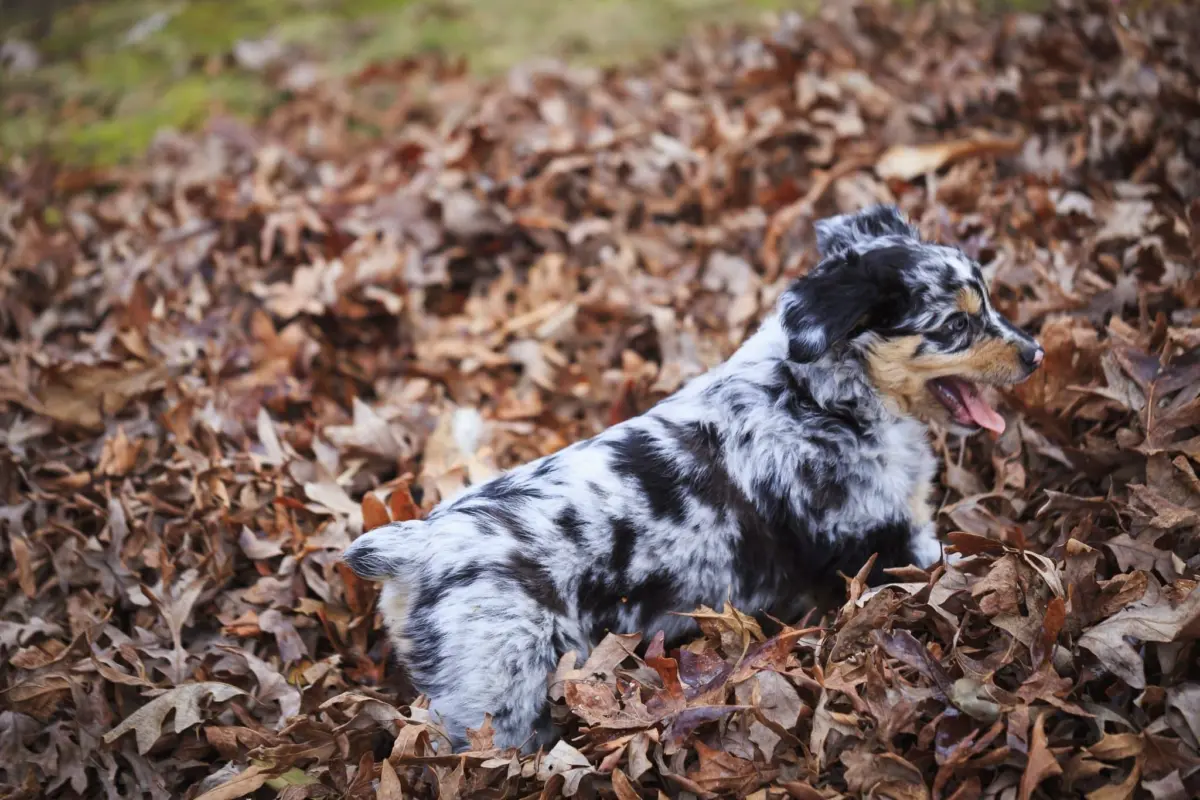
As meteorological patterns transition from the oppressive humidity of summer to the temperate corridors of autumn, a profound behavioral and physiological shift occurs within the domestic canine (Canis lupus familiaris) population. For decades, pet owners have observed a marked increase in vitality, curiosity, and playfulness in their dogs during the autumn months. What has historically been dismissed as simple "seasonal joy" is, upon closer ethological and veterinary inspection, a complex response to environmental, thermal, and olfactory stimuli.
This investigative report examines the multi-faceted phenomena driving the "canine autumnal shift." By analyzing the intersection of canine thermoregulation, olfactory science, and behavioral psychology, we uncover why cooler temperatures and deciduous changes transform daily canine routines. From the sudden onset of Frenetic Random Activity Periods (FRAPs)—colloquially known as "the zoomies"—to a heightened dedication to olfactory tracking, the autumn season serves as a natural catalyst for optimized canine welfare. Additionally, this report outlines crucial safety metrics and provides actionable insights for pet owners looking to safely navigate this seasonal surge in canine energy.
Detailed Chronology of the Autumnal Behavioral Shift
The behavioral transformation of domestic dogs during the autumn season does not occur overnight. Instead, it unfolds across a distinct chronological timeline as the transition from late summer to early winter progresses.
[Late August / Early September] ──> [October: Peak Deciduous Shed] ──> [November: The Frost Prelude]
  * Thermal Relief                  * Olfactory Explosion              * Metabolic & Coat Adaptation
  * Increased Walk Endurance        * Tactile & Acoustic Play          * Peak FRAPs (Zoomies)
  * Early Morning Vigor             * Leaf Pile Investigation          * Deep Restorative Sleep
Phase I: The Thermal Relief Threshold (Late August to September)
The initial phase of the autumnal shift is triggered by the drop in ambient temperatures and a reduction in relative humidity. During the peak of summer, dogs—particularly brachycephalic breeds (such as Pugs and Bulldogs) and double-coated breeds (such as Huskies and Golden Retrievers)—struggle significantly with thermoregulation. Because dogs rely primarily on panting and moisture evaporation through their paw pads to dissipate heat, high summer temperatures limit their physical endurance.
As the thermal threshold drops into the comfortable range of 45°F to 65°F (7°C to 18°C), dogs experience immediate physical relief. Chronologically, this manifests as:
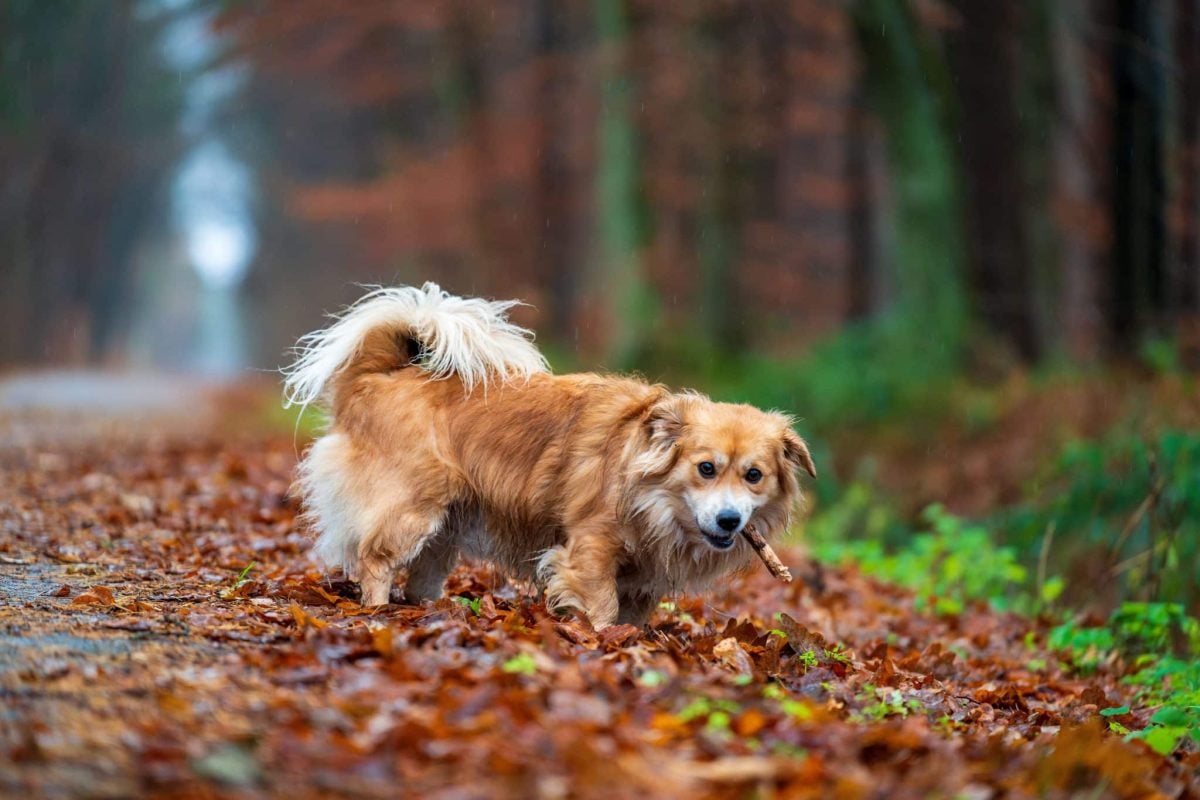
- Increased Walk Endurance: Walks that were previously cut short due to heat exhaustion are naturally extended. Dogs show a reluctance to turn back toward home, displaying a steady, energetic gait.
- Early Morning Vigor: The cooler morning air acts as an immediate stimulant, prompting higher alertness and physical engagement during early outings.
Phase II: The Olfactory Explosion (October)
By mid-autumn, the physical landscape undergoes a dramatic transformation. Deciduous trees shed their foliage, creating a dynamic ground cover of fallen leaves. This phase is characterized by an intense focus on environmental exploration, driven by the unique properties of decaying organic matter.
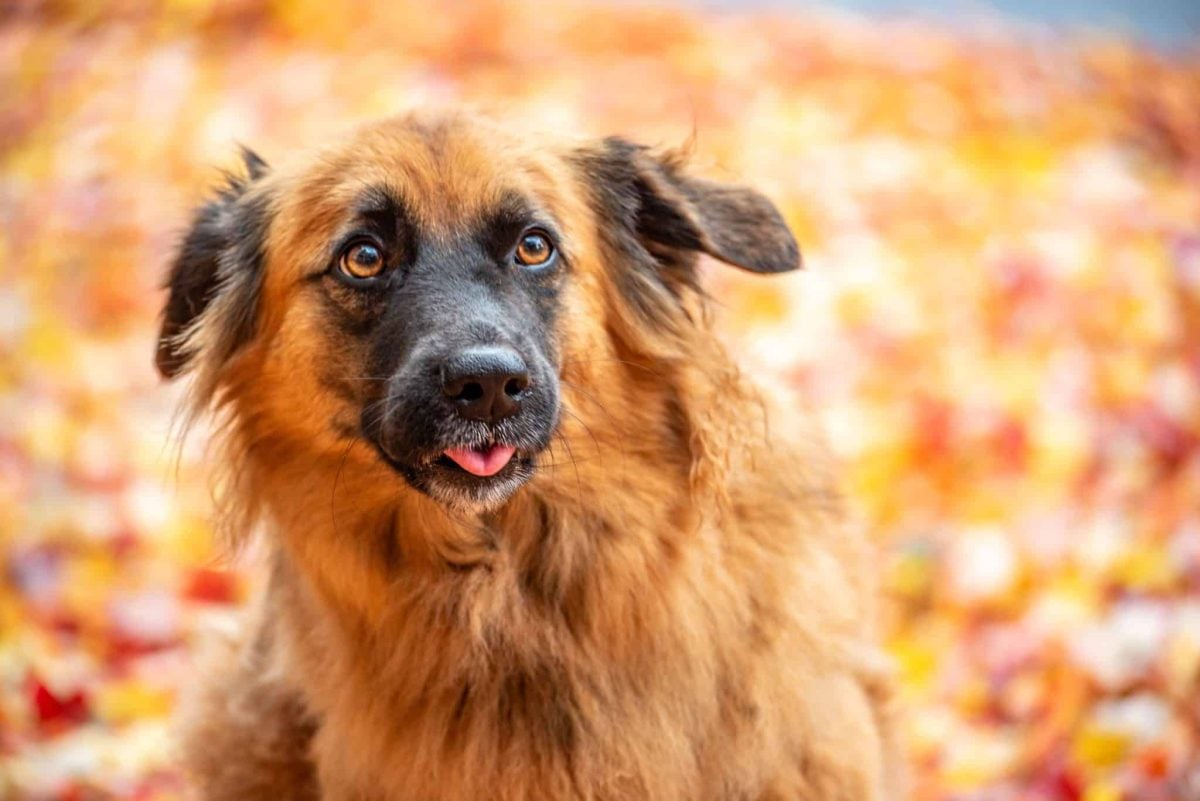
- The Scent Tapestry: Falling leaves trap moisture beneath them, creating micro-climates that preserve and amplify scent molecules. For a dog, whose olfactory cortex is roughly 40 times larger than a human’s, a pile of damp leaves represents a complex, multi-layered sensory database.
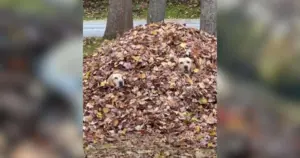
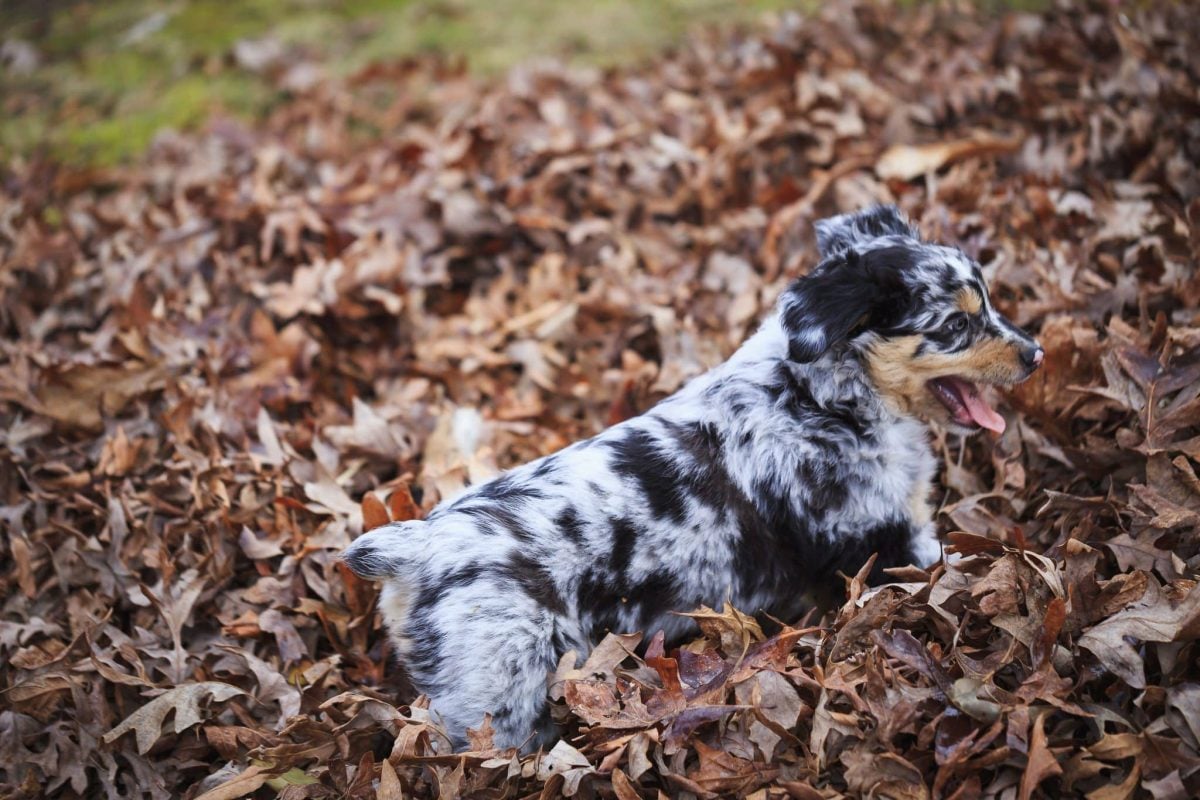
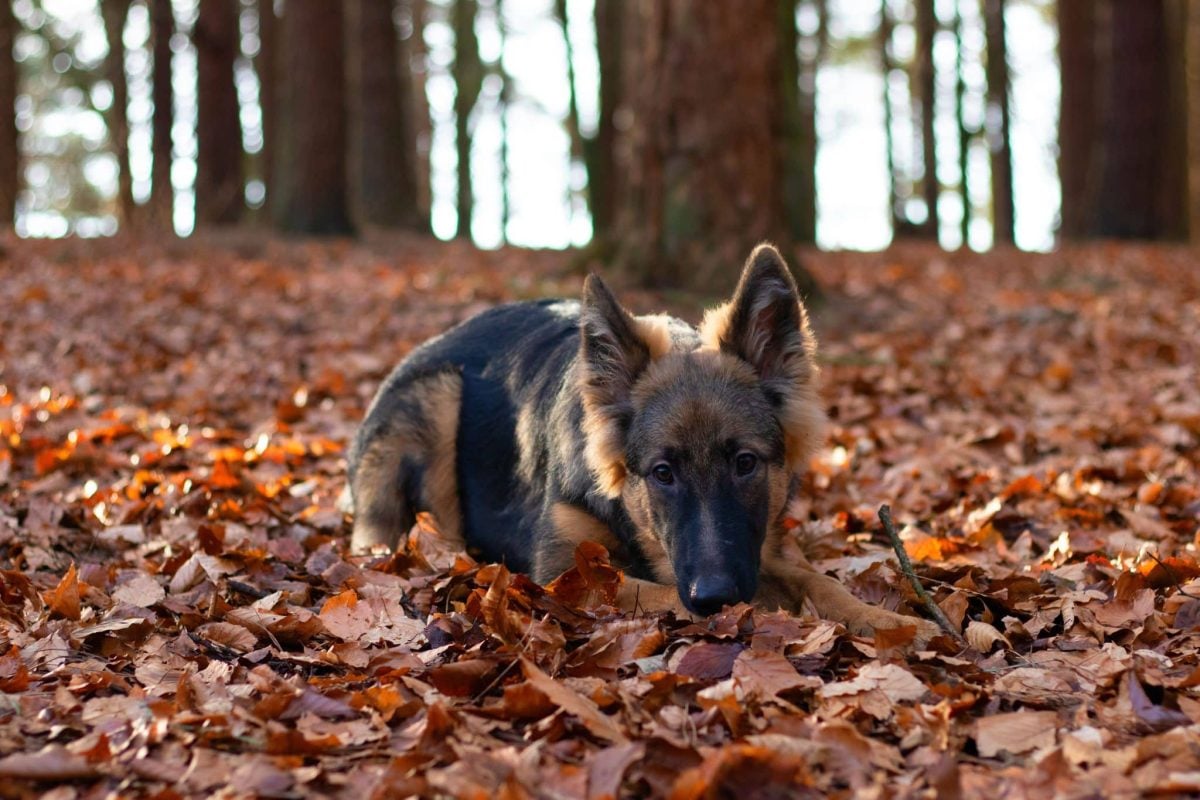
- Tactile and Acoustic Stimulation: The physical sensation of walking through dry, crunchy leaves provides novel tactile feedback. The auditory stimulation of rustling foliage triggers predatory and playful instincts, leading to the characteristic "pouncing" behavior observed in leaf piles.
Phase III: The Frost Prelude and Metabolic Adaptation (November)
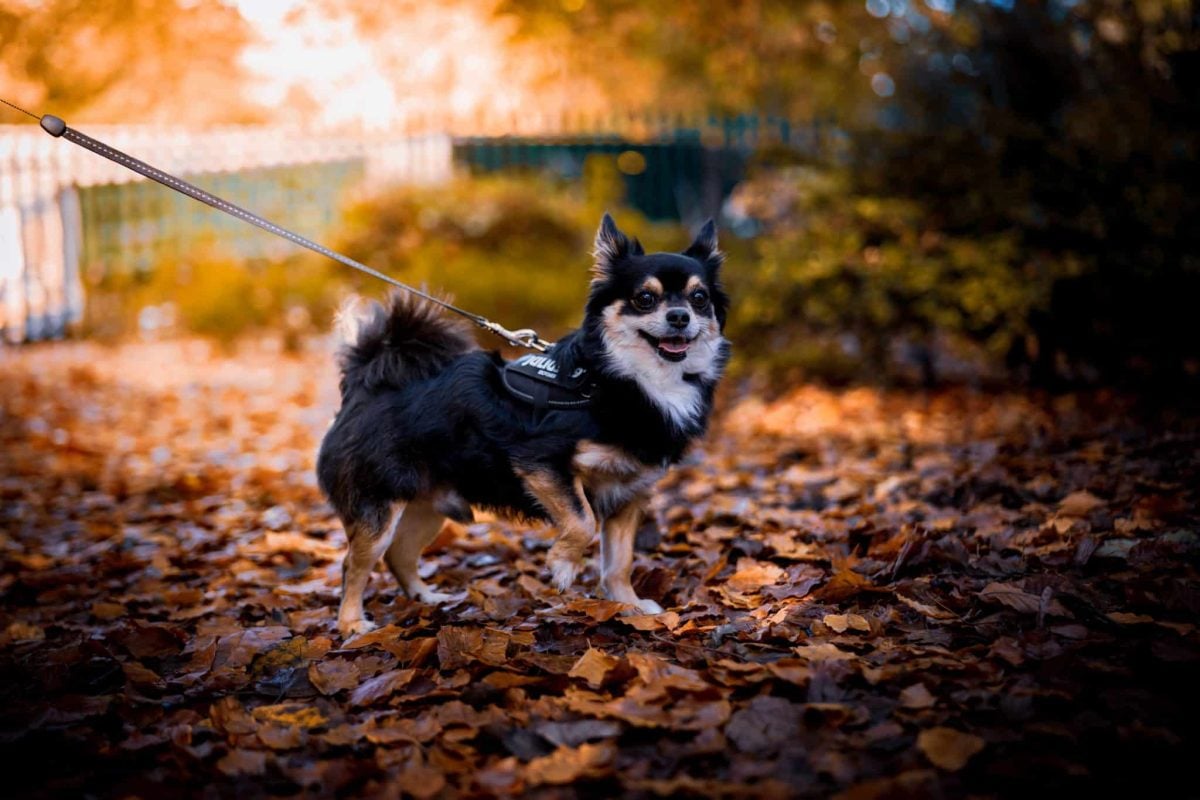
As autumn draws to a close and the first frosts arrive, canine behavior adapts to shorter daylight hours and crisper air.
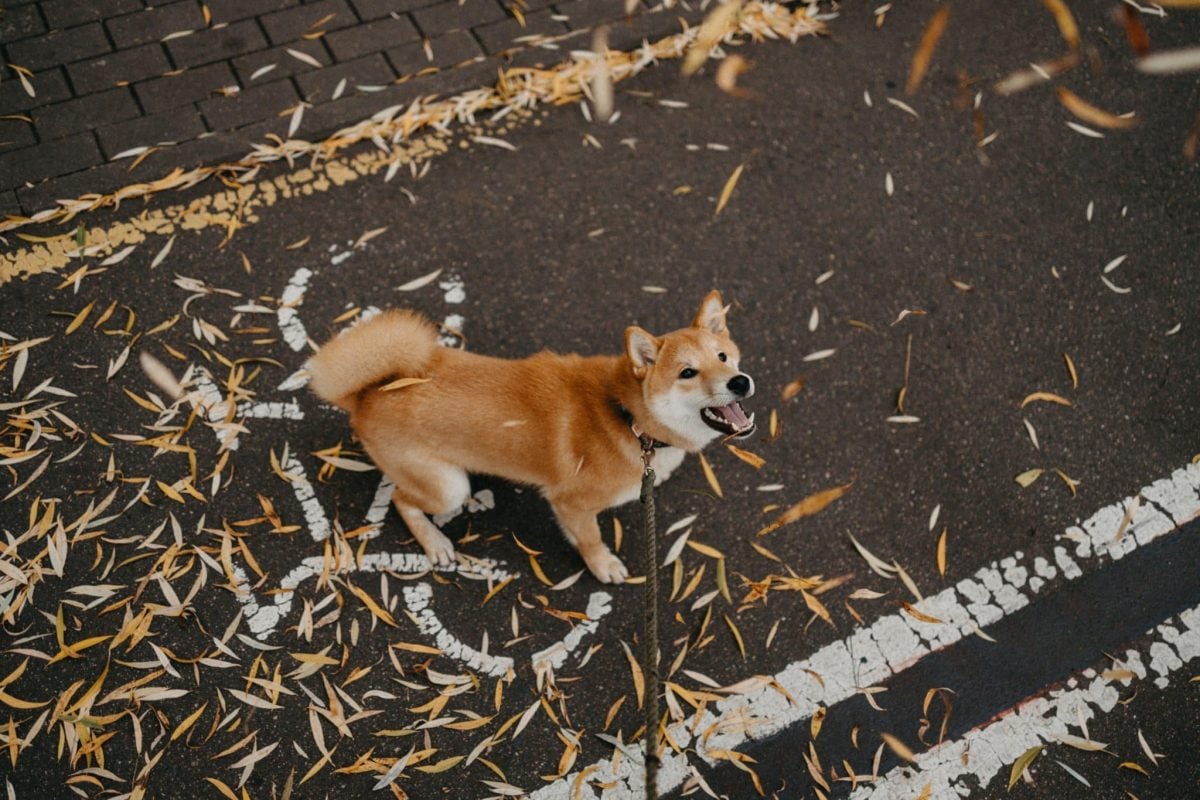
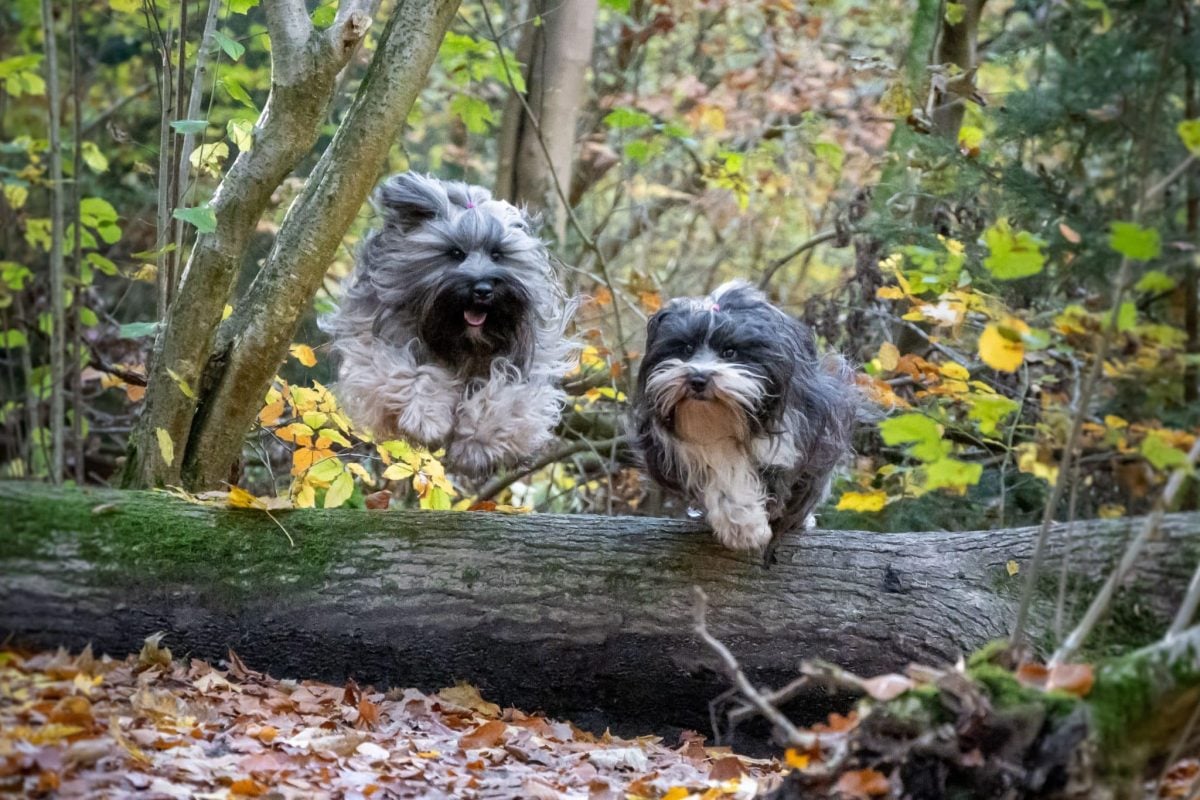
- Frenetic Random Activity Periods (FRAPs): The combination of cold air and high atmospheric pressure frequently induces sudden bursts of hyper-activity. Dogs sprint in circular patterns, exhibit play-bows, and engage in high-speed chases.
- Deep Restorative Sleep: Following these highly stimulating outdoor excursions, dogs enter phases of deep, uninterrupted sleep. This balance of high-energy output and profound rest indicates optimal mental and physical exhaustion, contributing to lower overall stress levels.
Supporting Context & Metrics: The Science Behind the Shift
To fully understand why autumn is uniquely suited to canine enrichment, we must examine the physiological metrics that govern how dogs interact with their environment.
+-----------------------------------------------------------------------------+
|                      CANINE SENSORY & PHYSIOLOGICAL METRICS                 |
+-----------------------------------------------------------------------------+
| Olfactory Capability : Up to 100,000 times more sensitive than humans       |
| Optimal Thermal Zone : 45°F - 60°F (7°C - 15°C) for moderate activity       |
| VOC Retention        : Damp, cool air increases scent molecule lifespan     |
| Sleep Quality        : High physical/mental stimulation yields deeper REM   |
+-----------------------------------------------------------------------------+
The Physics of Olfaction in Cool Air
A dog’s nose is a highly sophisticated fluid dynamics instrument. During hot summer days, dry air and rapid evaporation cause scent molecules (volatile organic compounds, or VOCs) to dissipate quickly. Conversely, the damp, cool air of autumn creates ideal conditions for scent retention.
Moisture acts as a binding agent for scent molecules, trapping them close to the ground and on the surfaces of fallen leaves. When a dog sniffs a leaf pile, they are not merely smelling decomposing plant matter; they are reading a biological record of every animal, insect, and human that has passed through the area. This process of "olfactory mapping" provides vital mental stimulation, which veterinary behaviorists equate to a rigorous mental workout.
Thermoregulatory Efficiency and Aerobic Capacity
Unlike humans, who possess eccrine sweat glands across the majority of their bodies to facilitate cooling, dogs are highly inefficient self-coolers.
$$textThermoregulatory Strain propto textAmbient Temperature times textRelative Humidity$$
When the ambient temperature exceeds a dog’s thermal neutral zone (which varies by breed but generally sits between 50°F and 68°F), their cardiovascular system must work significantly harder to pump warm blood to the tongue and respiratory tract for evaporative cooling.
In autumn, the lower ambient temperature matches the dog’s natural heat-dissipation rate. This drastically reduces cardiovascular strain, allowing the dog to channel its energy into aerobic activity, play, and exploration without the risk of heat stress.
Official Statements and Expert Perspectives
Veterinary professionals and canine ethologists emphasize that while the autumn season offers unparalleled opportunities for canine enrichment, it also presents unique environmental hazards that owners must navigate.
The Behavioral Benefit of Scent Walks
Dr. Evelyn Vance, a prominent veterinary behaviorist, highlights the psychological importance of allowing dogs to lead their walks during the autumn months:
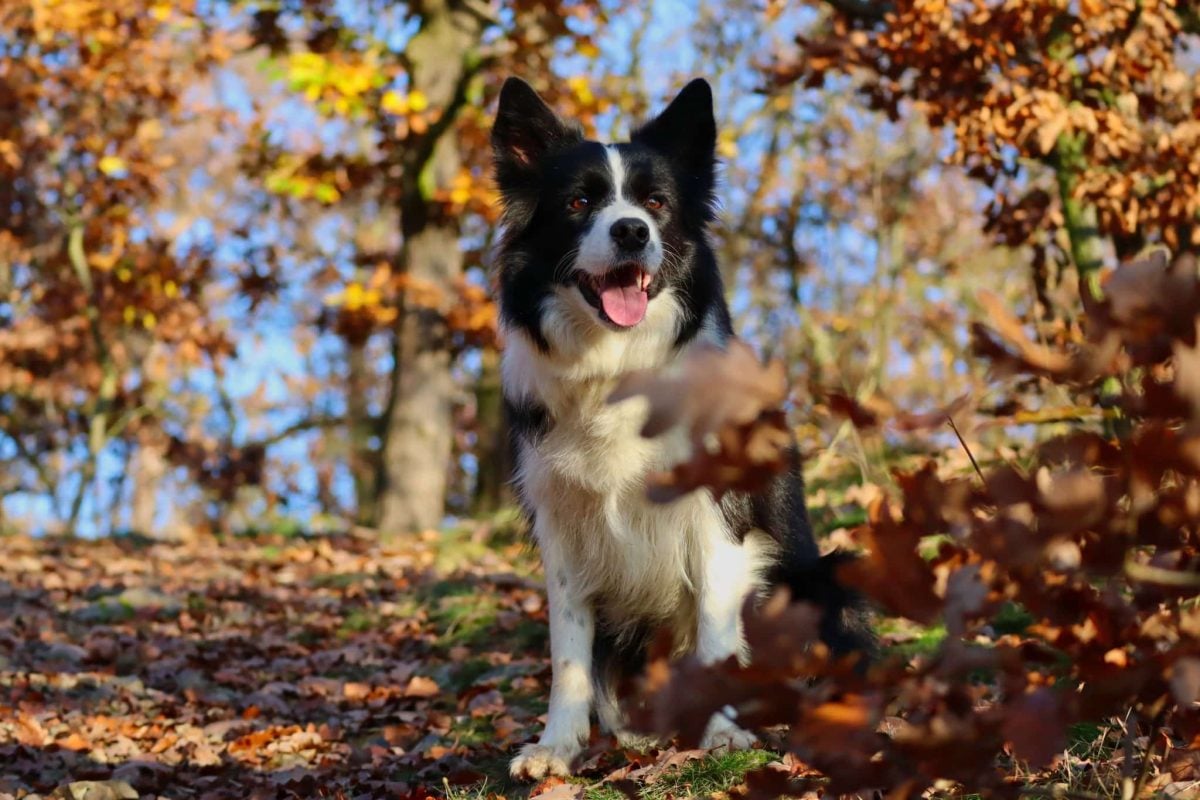
"Many pet owners treat walks as purely physical exercise, aiming to get from point A to point B as quickly as possible. However, from a cognitive standpoint, a ‘sniffari’—a walk where the dog is allowed to dictate the pace and sniff uninterrupted—is far more valuable. The rich olfactory landscape of autumn provides crucial mental decompression. A dog that is allowed to sniff and explore the changing foliage returns home significantly more relaxed and less prone to anxiety-induced behaviors."
Environmental Hazards in the Deciduous Canopy
While leaf piles are a source of endless entertainment, veterinary clinicians urge caution. Dr. Marcus Thorne, an emergency veterinary surgeon, warns of the hidden dangers lurking beneath the colorful surface:
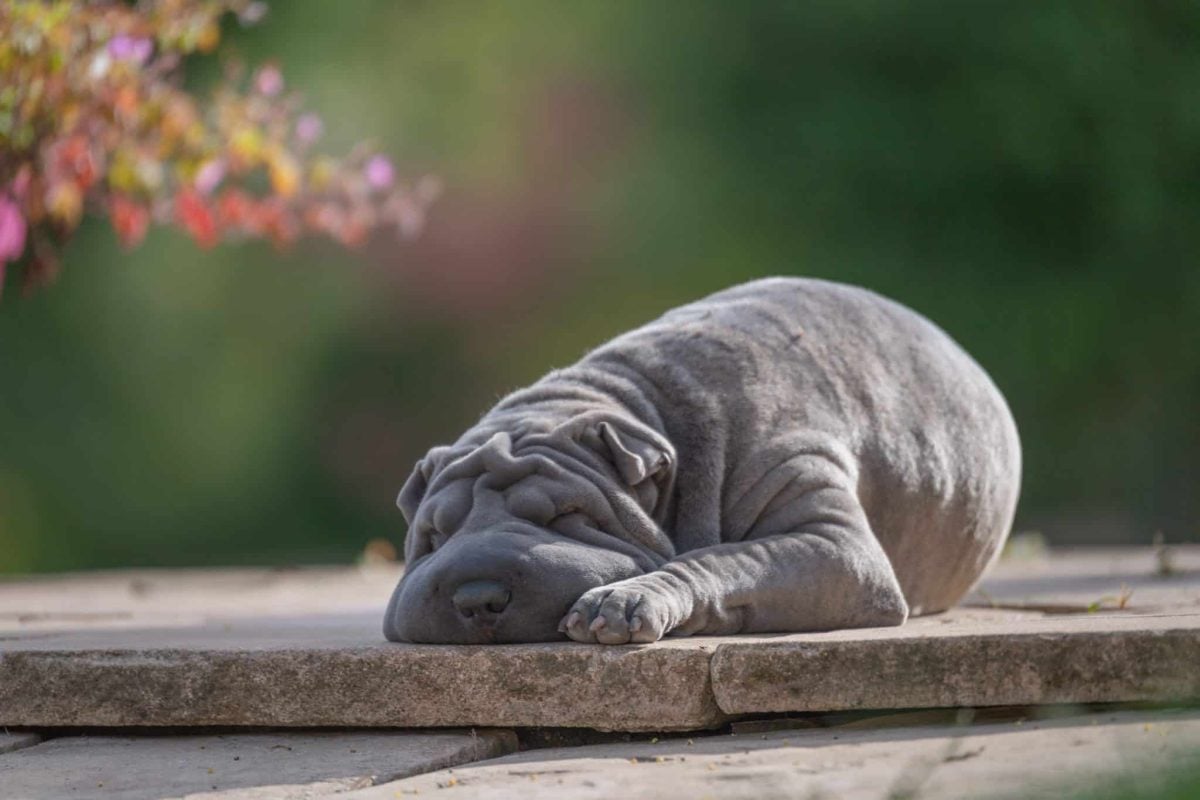
"We see a distinct spike in seasonal injuries and illnesses during October and November. Damp leaf piles are prime breeding grounds for environmental molds and mycotoxins, which can cause severe respiratory distress or gastrointestinal illness if ingested. Furthermore, sharp sticks, discarded glass, ticks, and even venomous snakes can be concealed beneath the leaf cover. We advise owners to inspect areas thoroughly before allowing their dogs to dive in, and to avoid stagnant leaf piles that have been damp for extended periods."
| Autumn Hazard | Potential Impact | Preventive Measure |
|---|---|---|
| Mycotoxins & Mold | Respiratory irritation, vomiting, tremors | Avoid stagnant, wet leaf piles; prevent ingestion of organic debris. |
| Ticks & Parasites | Lyme disease, Anaplasmosis | Maintain year-round parasite preventives; perform post-walk tick checks. |
| Concealed Debris | Lacerations, puncture wounds | Limit high-speed play to clear, well-maintained grassy areas. |
| Acorns & Cones | Intestinal blockage, mild toxicity | Monitor dogs prone to scavenging; discourage chewing on oak products. |
Future Outlook: Optimizing Seasonal Canine Welfare
As our understanding of canine ethology continues to evolve, the pet care industry and urban planners are beginning to adapt to the seasonal needs of domestic animals. The transition to autumn should serve as a blueprint for how we structure canine enrichment year-round.
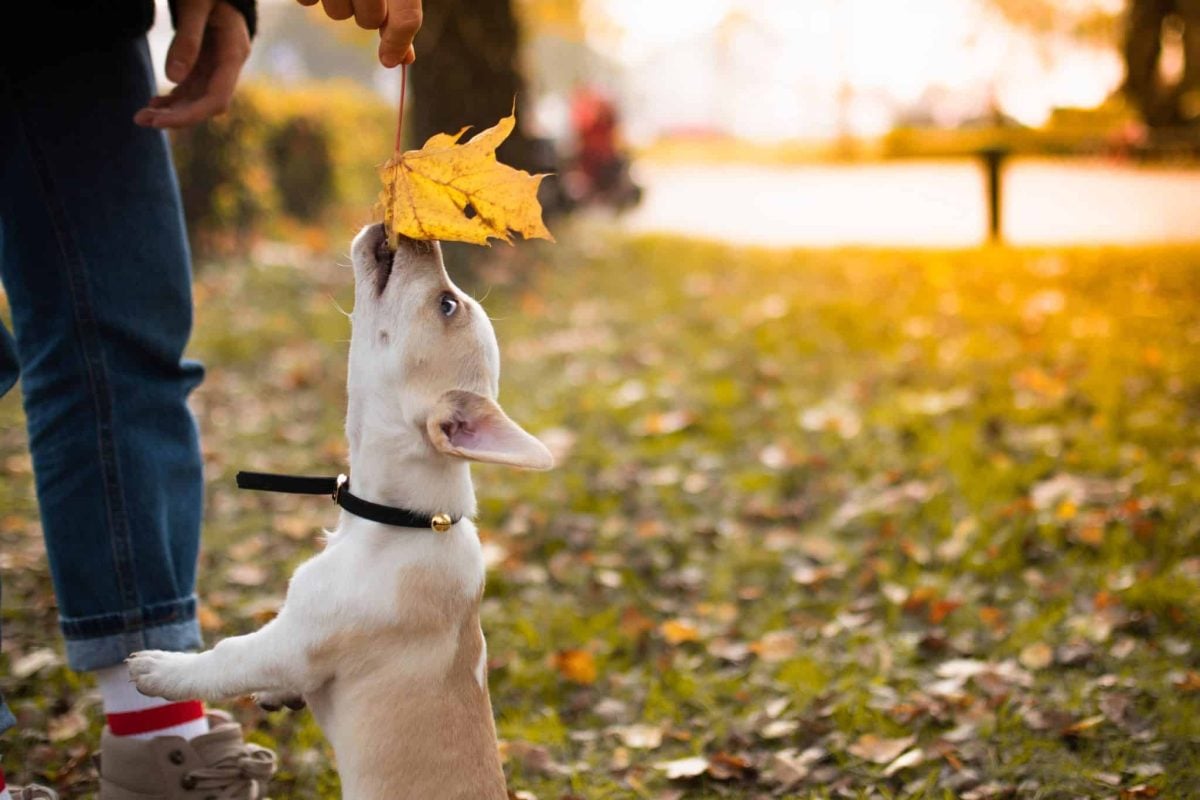
            [Year-Round Canine Enrichment Strategy]
                           │
         ┌─────────────────┴─────────────────┐
         ▼                                   ▼
[Tactile & Sensory Design]          [Adaptive Routines]
 * Textured play areas               * Temperature-based pacing
 * Scent gardens                     * Structured mental workouts
 * Protected leaf zones              * Seasonal dietary tracking
The Rise of Sensory-Focused Dog Parks
Looking forward, modern dog park designs are moving away from flat, barren gravel or turf patches in favor of "sensory gardens." Inspired by the natural complexity of the autumn landscape, these parks incorporate textured pathways, dog-safe herbs, and designated leaf-mulch zones designed specifically to encourage natural foraging and sniffing behaviors.
Tailoring the Autumn Routine
For the individual pet owner, maximizing the benefits of autumn involves a shift in perspective. Rather than viewing the dog’s sudden surge in energy as a behavioral challenge to be managed, it should be embraced as a window of peak physical conditioning.
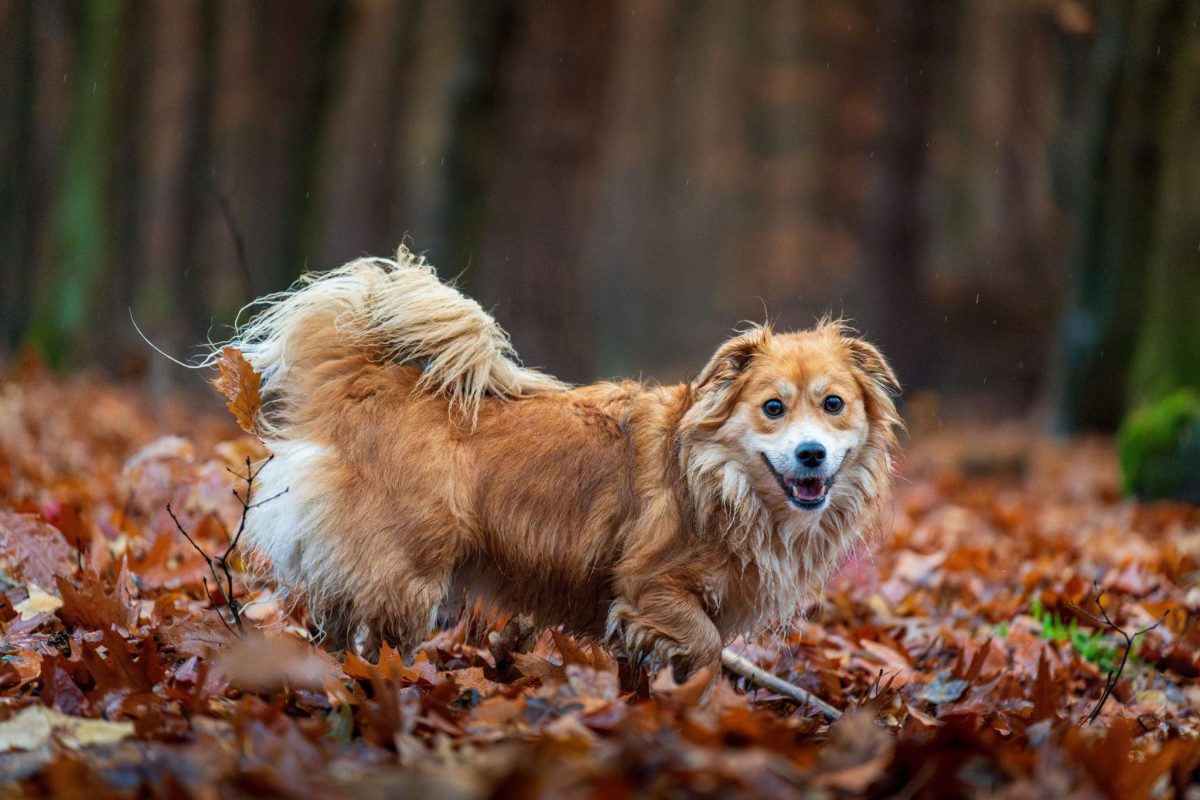
By balancing extended, scent-focused walks with safe physical play, owners can significantly enhance their dogs’ quality of life. As the leaves fall and the air cools, the message from veterinary science is clear: embrace the natural rhythm of the season, let your dog sniff, and allow them to fully engage with the changing world around them.