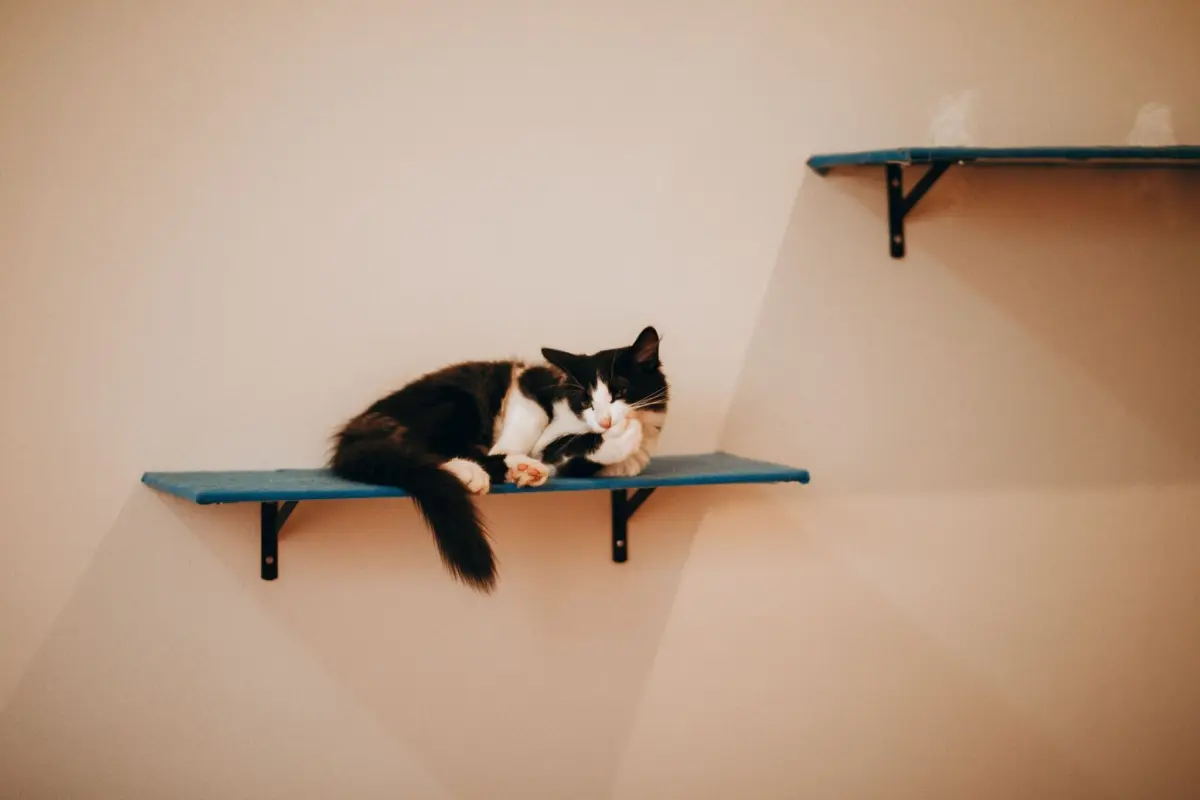
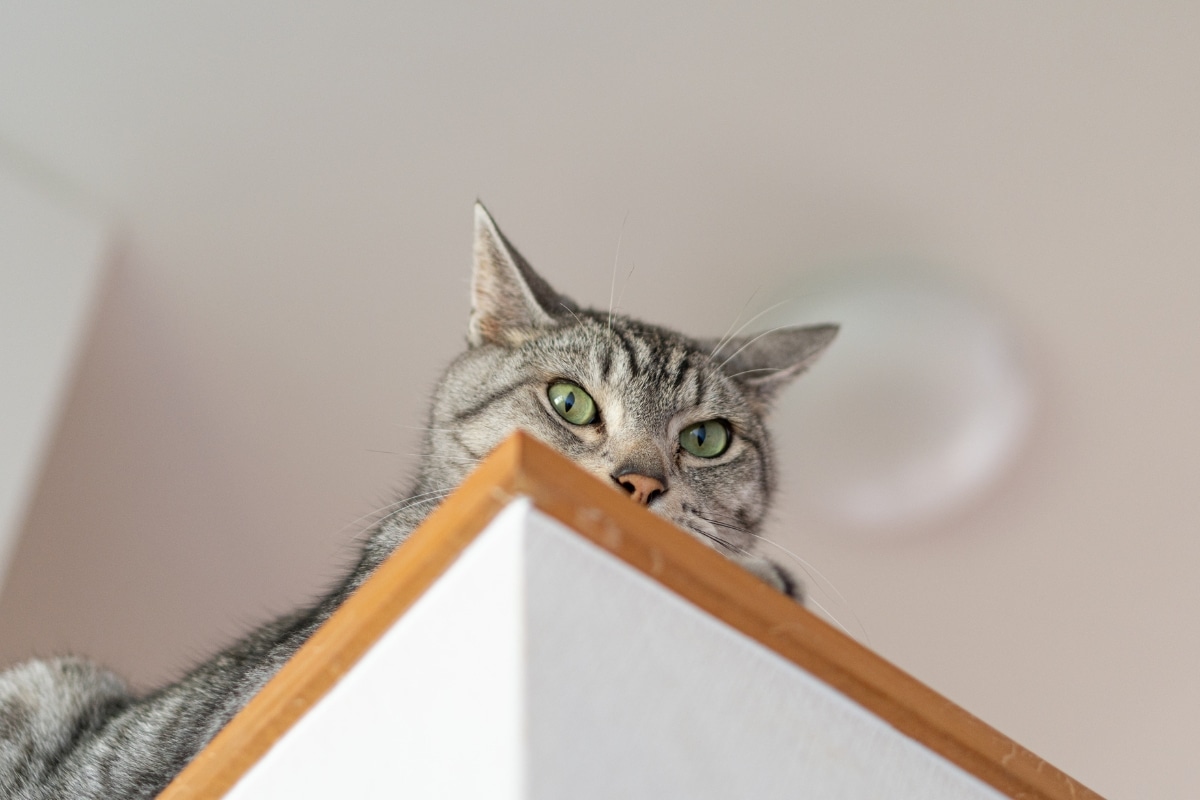
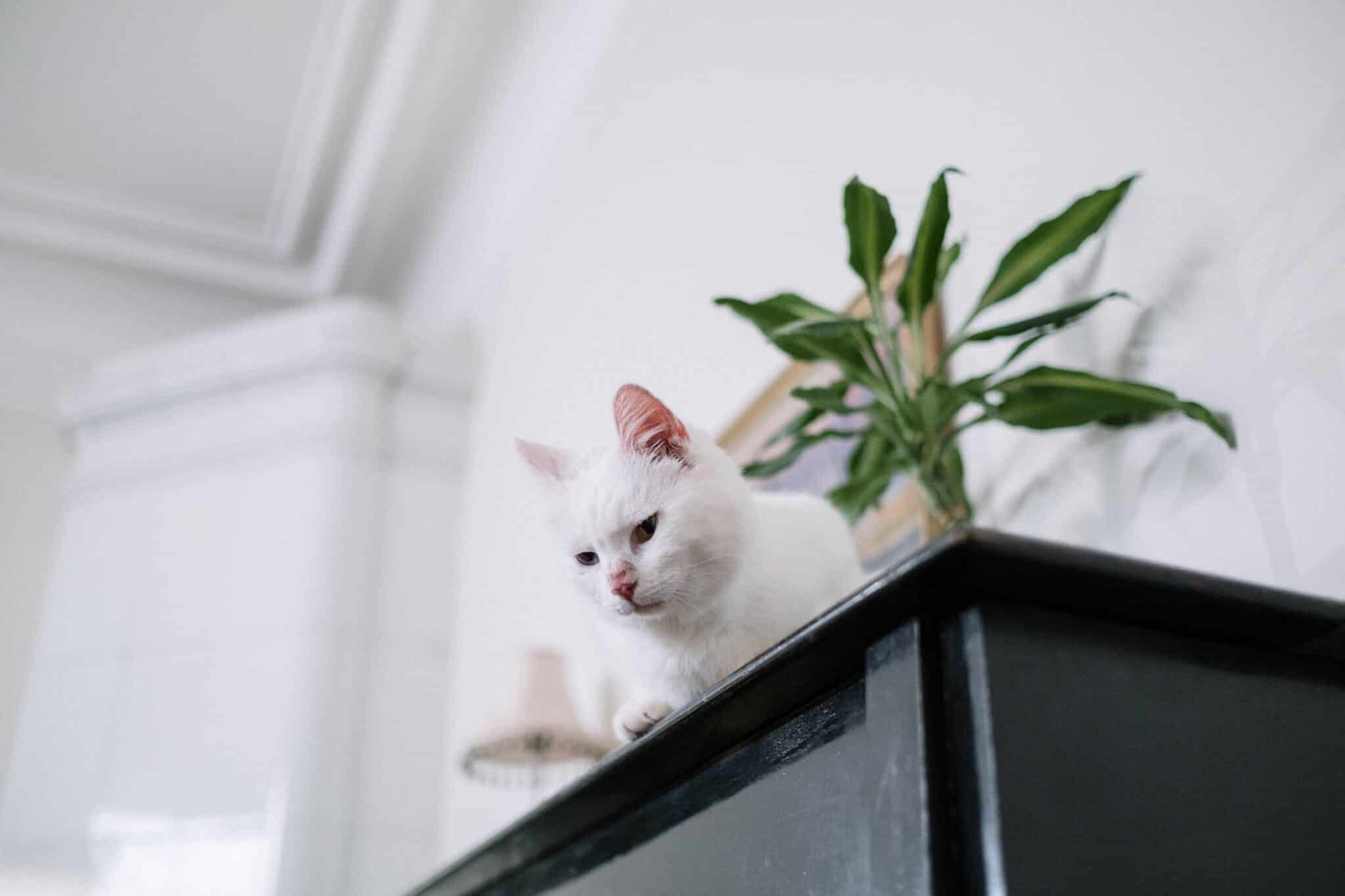
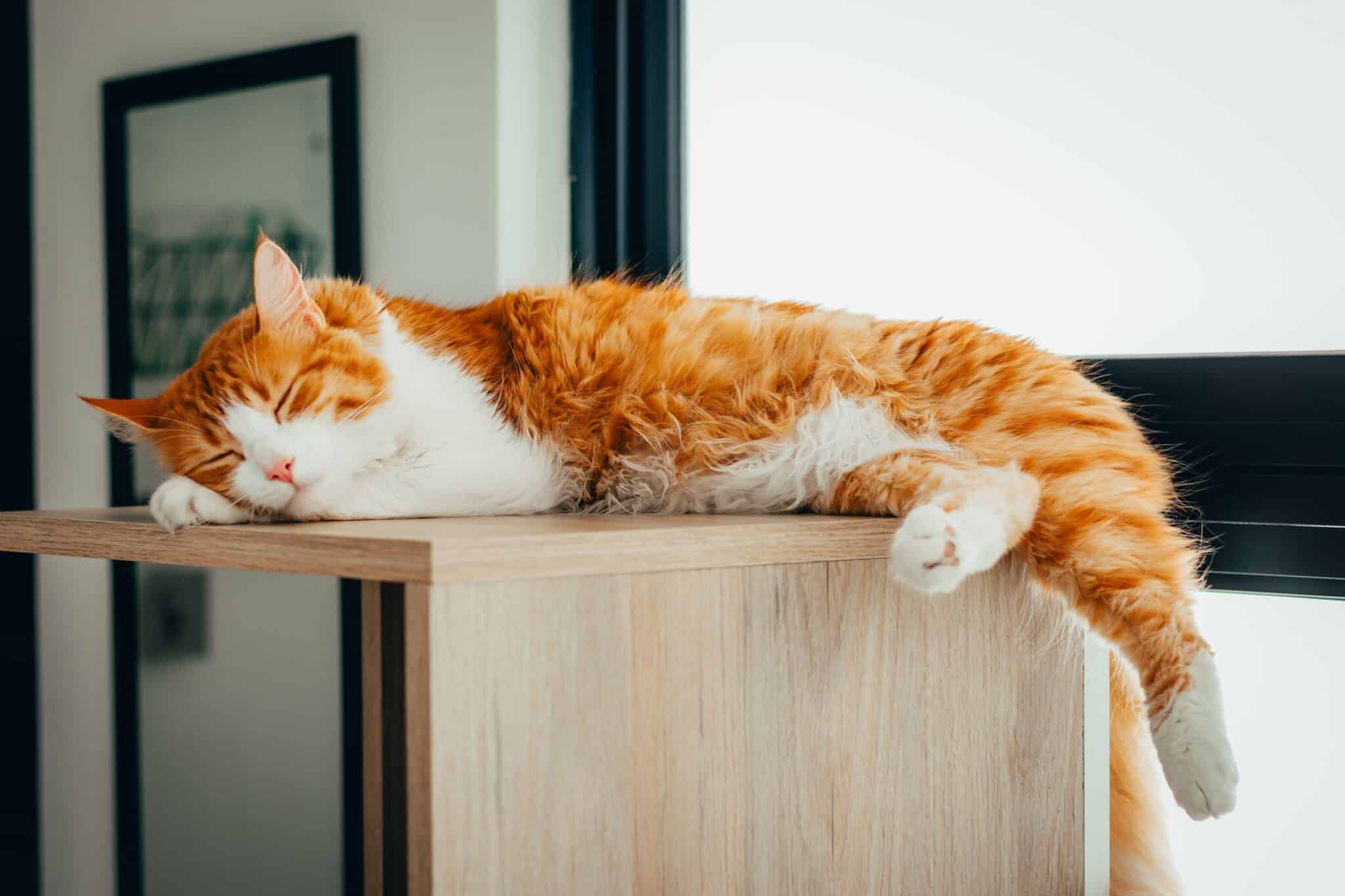
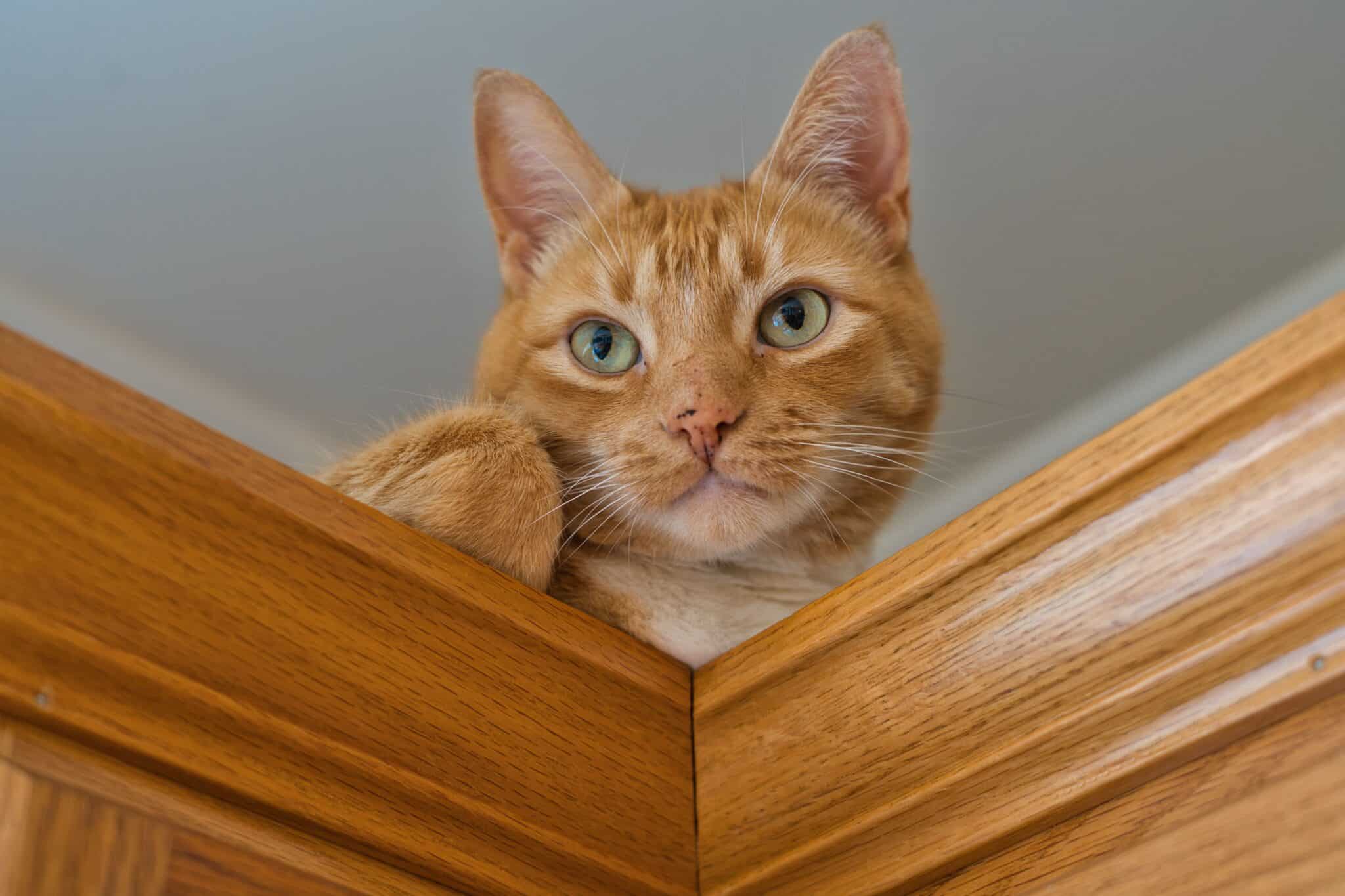
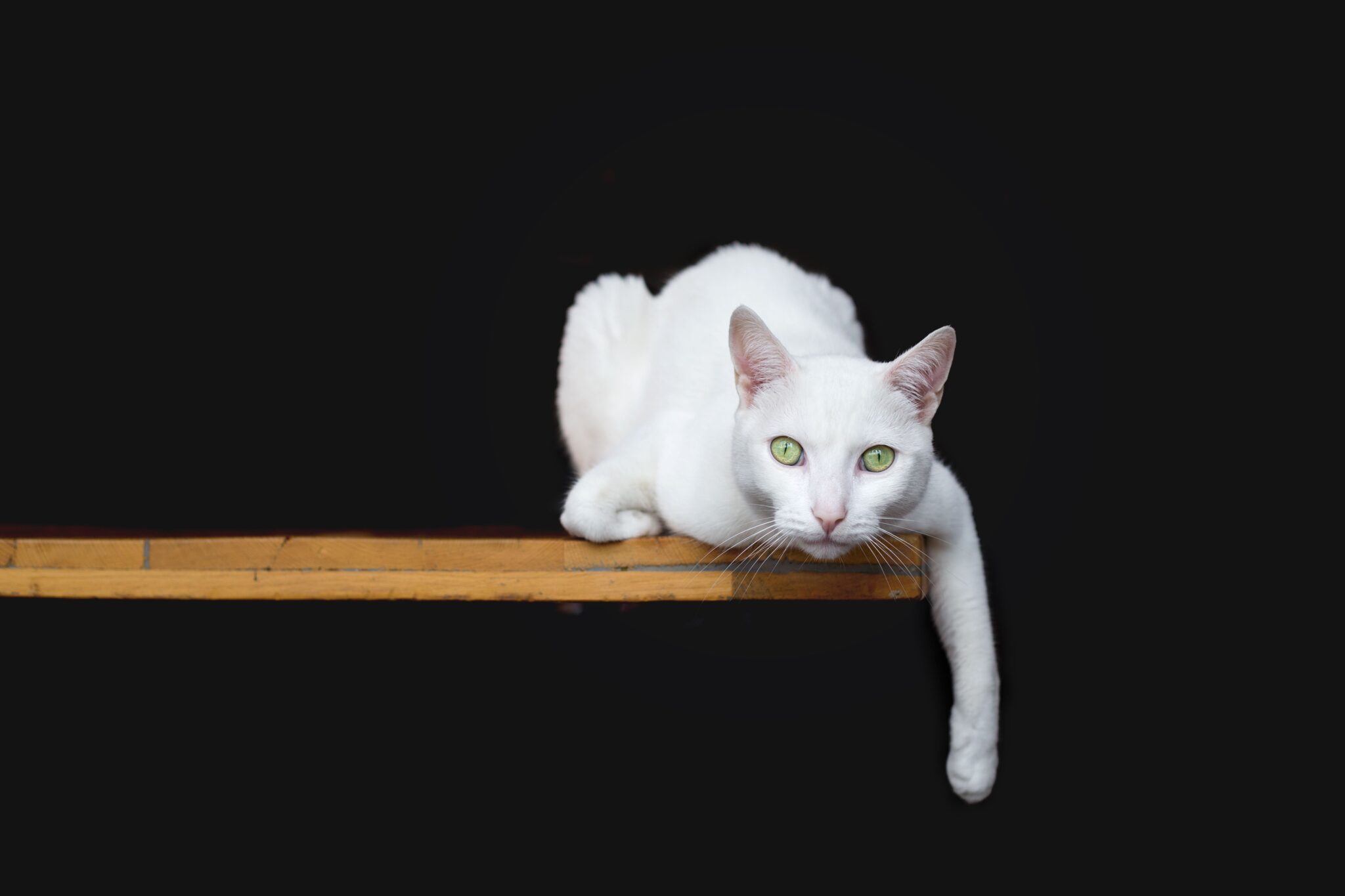
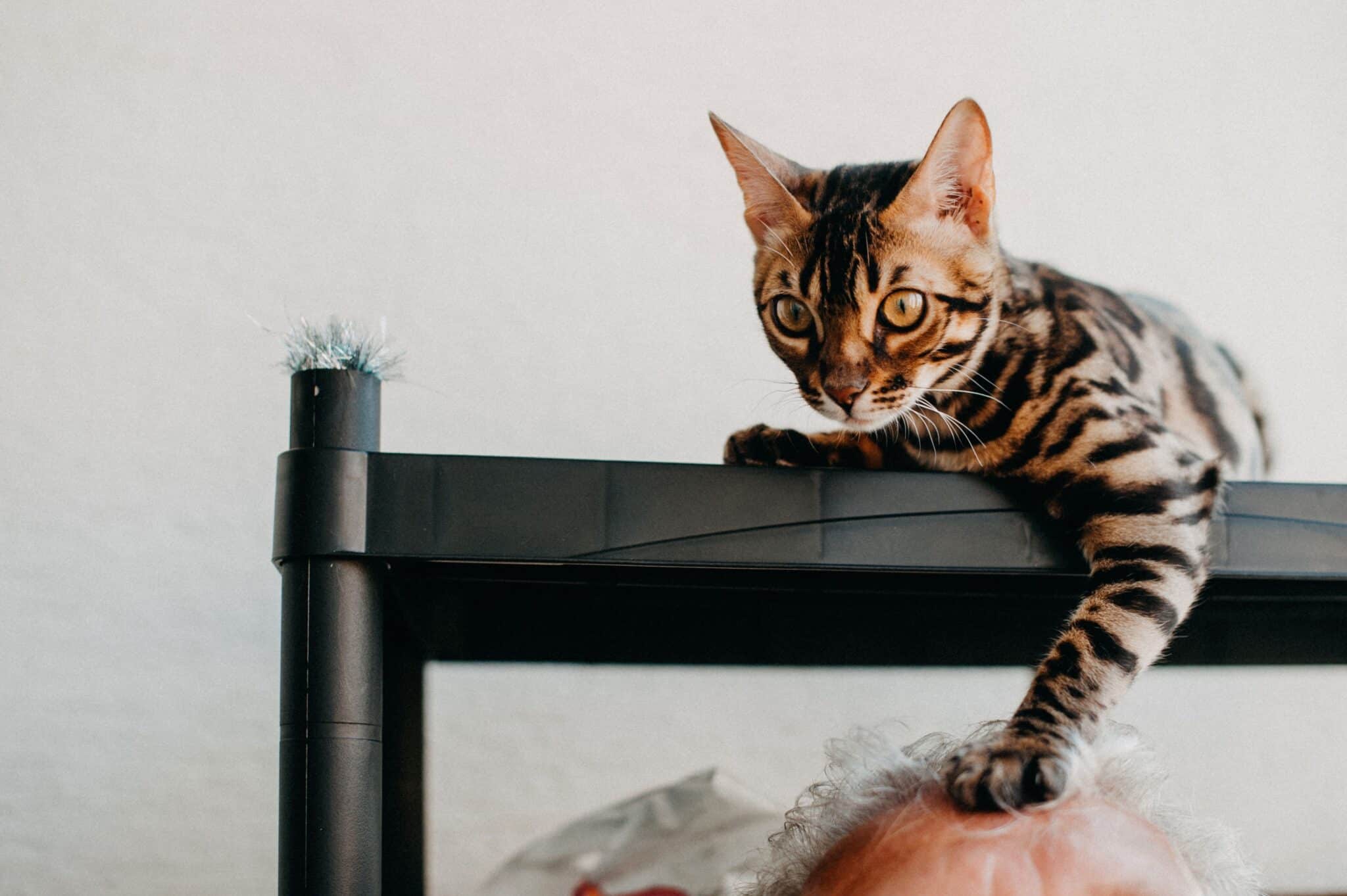
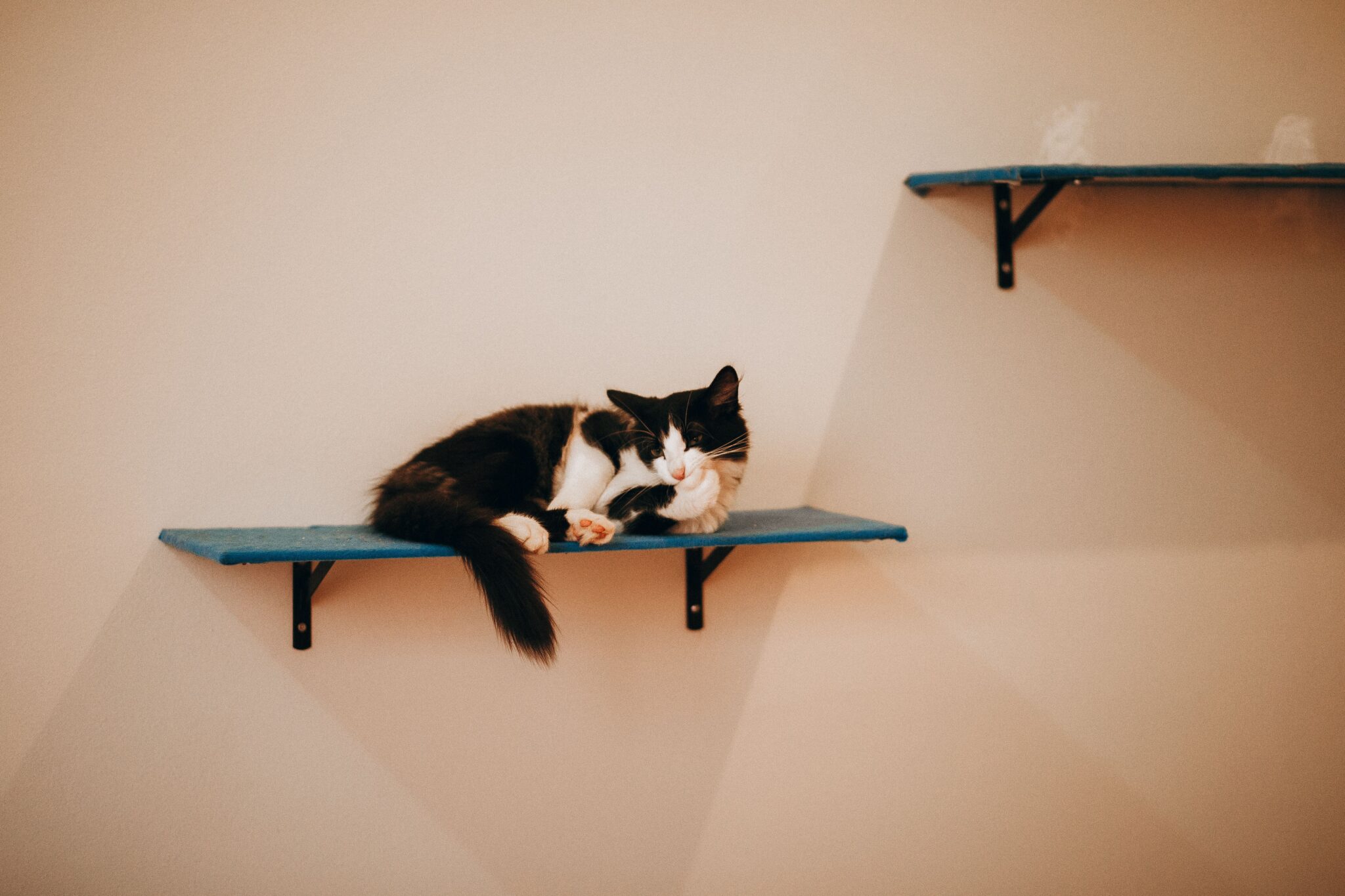
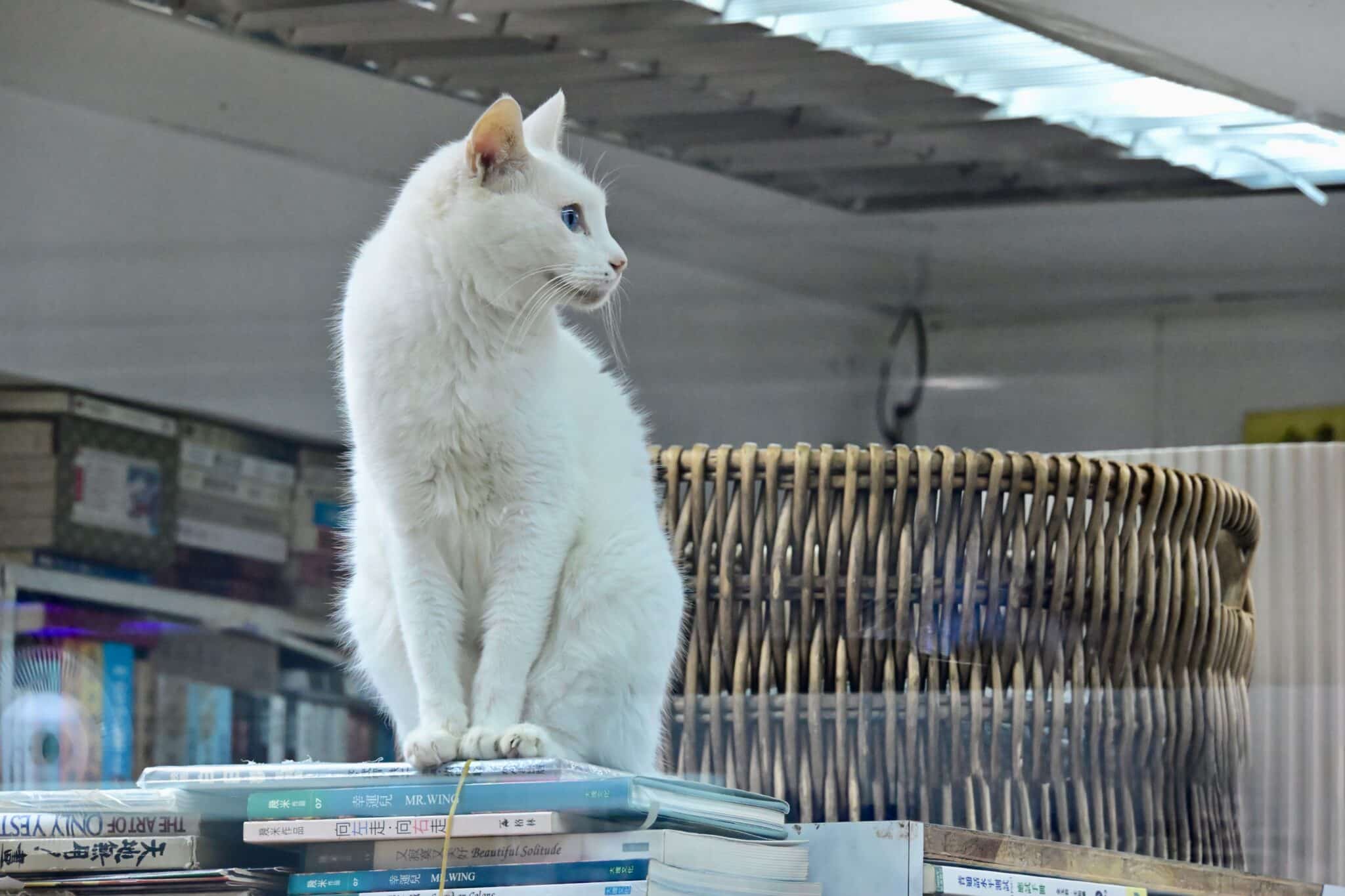
To the casual observer, a domestic cat’s compulsion to occupy the highest vantage points in a home—ranging from the apex of a towering cat tree to the precarious edge of a kitchen cabinet—is often written off as quirky, whimsical behavior. However, contemporary feline behavioral science reveals that this architectural claim to high ground is far from arbitrary. It is a deeply hardwired survival mechanism, an expression of territorial management, an emotional regulation strategy, and a physical comfort preference rolled into one.
As urban veterinary zoology and domestic ethology continue to evolve, researchers are mapping out the exact biological and psychological drivers behind the "high-rise syndrome" of indoor cats. Far from simply seeking amusement, cats use altitude to negotiate stress, monitor multi-pet households, optimize thermal regulation, and maintain an evolutionary edge. This investigative report explores the ten core motivations driving our feline companions to ascend, offering cat owners an authoritative guide to crafting enriched, safe vertical spaces that honor their pets’ wild instincts.
Detailed Chronology: The Evolution of Feline Verticality
To understand why a modern tabby curls up atop a bookshelf, one must trace the evolutionary lineage of Felis catus. Millions of years of predatory pressure and ancestral adaptation shaped the physical and psychological architecture of the modern domestic cat.
[Ancestral Wild Precursors]
       │
       ▼ (Predator Avoidance & Prey Ambush)
[Development of Retractable Claws & Flexible Spines]
       │
       ▼ (Arbitration of Multi-Cat Territories in Nature)
[Strategic Vertical Partitioning]
       │
       ▼ (The Modern Domestic Interior)
[High Perches as Safe Havens & Command Centers]
1. The Evolutionary Imperative (Prehistoric to Domestication)
In the wild, ancestral cats faced a dual evolutionary dilemma: they were apex predators of small game, but they were also potential prey for larger carnivores such as canids, raptors, and larger felines. Climbing trees or rocky outcrops provided an immediate tactical advantage. It granted a 360-degree panoramic view of the surrounding landscape, allowing early felines to spot approaching threats while remaining completely out of reach.
Furthermore, vertical spaces served as prime hunting blinds. By launching downward from an elevated ambush point, wild cats maximized gravitational force and surprise, vastly increasing hunting success rates. Though the modern living room is devoid of sabertooth predators or scurrying desert rodents, the neurochemical rewards associated with high ground remain entirely intact.
2. The Transition to the Indoor Environment
As cats transitioned from barnyards and open fields to climate-controlled suburban and urban apartments, their spatial horizons shifted from acres of territory to vertical square footage. When human habitats proved lacking in natural trees and ledges, felines adapted by repurposing human furniture. The top of the refrigerator, the crown molding above doorways, human shoulders, and towering bookshelves quickly filled the evolutionary void left by the absence of the great outdoors.
3. The Modern Era of Environmental Enrichment
In recent decades, veterinary behaviorists have championed the concept of "environmental enrichment," identifying vertical real estate as a non-negotiable component of feline welfare. Organizations such as the American Association of Feline Practitioners (AAFP) now emphasize that horizontal floor space alone is insufficient for a cat’s psychological health. The modern understanding of verticality has transformed from an owner’s tolerance of a climbing nuisance into an intentional architectural design philosophy, complete with wall-mounted cat highways, floor-to-ceiling scratching posts, and padded multi-tier perches.
Supporting Context & Metrics: The Science of High-Rise Living
Behavioral studies and veterinary metrics shed light on how pervasive this behavior is and why it commands such high priority in a cat’s daily life.
Territorial Stratification: In multi-pet households, observational studies indicate that subordinate cats spend up to 40% more time on elevated platforms than dominant animals. Height acts as a non-violent spatial buffer, allowing pets with lower social standing to bypass direct confrontations.
Thermal Dynamics: Because heat rises within enclosed indoor structures, upper perches can be 2 to 5 degrees Fahrenheit warmer than floor-level zones, satisfying the higher thermal neutral zone of felines (which thrive in ambient temperatures between 85°F and 100°F).
Sensory Processing: A cat’s visual field spans approximately 200 degrees, with exceptional motion-detection capabilities in their peripheral vision. Elevated vantage points expand this visual horizon exponentially, cutting down reaction times to environmental shifts by up to 30% compared to ground-level resting.
Driver
Primary Benefit
Behavioral Manifestation
Security & Safety
Threat mitigation & anxiety reduction
Retreating to shelves during loud social gatherings or visits.
Territorial Dominance
Spatial arbitration & resource control
Occupying the highest point in multi-cat or multi-pet homes.
Thermal Regulation
Comfort & energy conservation
Sleeping on high cabinets or near sun-drenched upper windows.
Cognitive Stimulation
Visual engagement & curiosity fulfillment
Tracking household activity, foot traffic, and outdoor birds.
Uninterrupted Rest
Sleep hygiene & disturbance avoidance
Avoiding high-traffic floor lanes where children or dogs roam.
Official Statements: Veterinary Insights and Behavioral Perspectives
Leading figures in animal behavior and veterinary medicine frequently emphasize the therapeutic value of high spaces in resolving behavioral disorders among indoor cats.
"When we see behavioral issues in indoor cats—ranging from inappropriate elimination and inter-cat aggression to over-grooming and stress-induced cystitis—the root cause is almost invariably a perceived lack of control over their environment," notes Dr. Sarah Henderson, a leading board-certified veterinary behaviorist. "Giving a cat access to vertical territory is one of the single most effective, non-pharmaceutical interventions we have. It restores their agency, lowers baseline cortisol levels, and honors their biological blueprint."
Furthermore, feline welfare organizations stress that denying cats access to vertical zones can lead to chronic psychological distress.
"Owners often punish cats for scaling curtains or perching on expensive kitchen refrigerators, viewing it as misbehavior," explains animal welfare researcher Dr. Marcus Vance. "In reality, the cat is communicating a fundamental unmet need. If we do not provide appropriate, sturdy vertical alternatives, we force them to improvise with whatever architecture is available in the home."
Future Outlook: The Evolution of Feline Architecture in Modern Homes
As home design trends pivot toward minimalist, multi-functional living spaces, the integration of pet-centric architecture is experiencing an unprecedented boom. The future of interior design for cat owners is moving away from bulky, carpeted cat trees of the past and transitioning toward sleek, integrated architectural features.
1. Integrated Vertical Highways
Architects and interior designers are increasingly collaborating with veterinary behaviorists to build "cat highways"—interconnected floating shelves, recessed wall bridges, and integrated ceiling catwalks directly into new residential builds. These installations allow cats to traverse an entire room without ever touching the floor, fulfilling their natural desire for patrol and observation while preserving clean, modern aesthetic lines for human inhabitants.
2. Smart Climate-Controlled Perches
The next generation of pet furniture is incorporating technology to enhance the physical comfort of elevated resting spots. Emerging prototypes include smart-heated cat shelves embedded with thermal sensors that adjust temperature based on the cat’s age and health requirements, as well as smart-glass window perches that offer UV protection while maximizing solar absorption.
3. Data-Driven Feline Welfare
With the rise of Internet of Things (IoT) pet devices, future smart homes will likely monitor how much time cats spend on specific perches. Sudden changes in vertical utilization—such as an agile cat abandoning its favorite high shelf—could serve as early diagnostic indicators for joint pain, arthritis, or systemic illness, alerting veterinarians long before clinical symptoms manifest on the ground floor.
Conclusion
A cat’s journey to the top of the room is much more than a comical display of athletic bravado. It is a sophisticated behavioral language rooted in millions of years of evolutionary history. Whether they are seeking sanctuary from an energetic puppy, soaking up the thermal dividends of rising warm air, managing their territory, or simply keeping a watchful eye on their human family, elevated perches are essential to a cat’s mental and physical well-being. By embracing and intentionally designing for this natural instinct, pet parents can transform their homes into harmonious sanctuaries where cats feel safe, stimulated, and truly on top of the world.