
Executive Overview
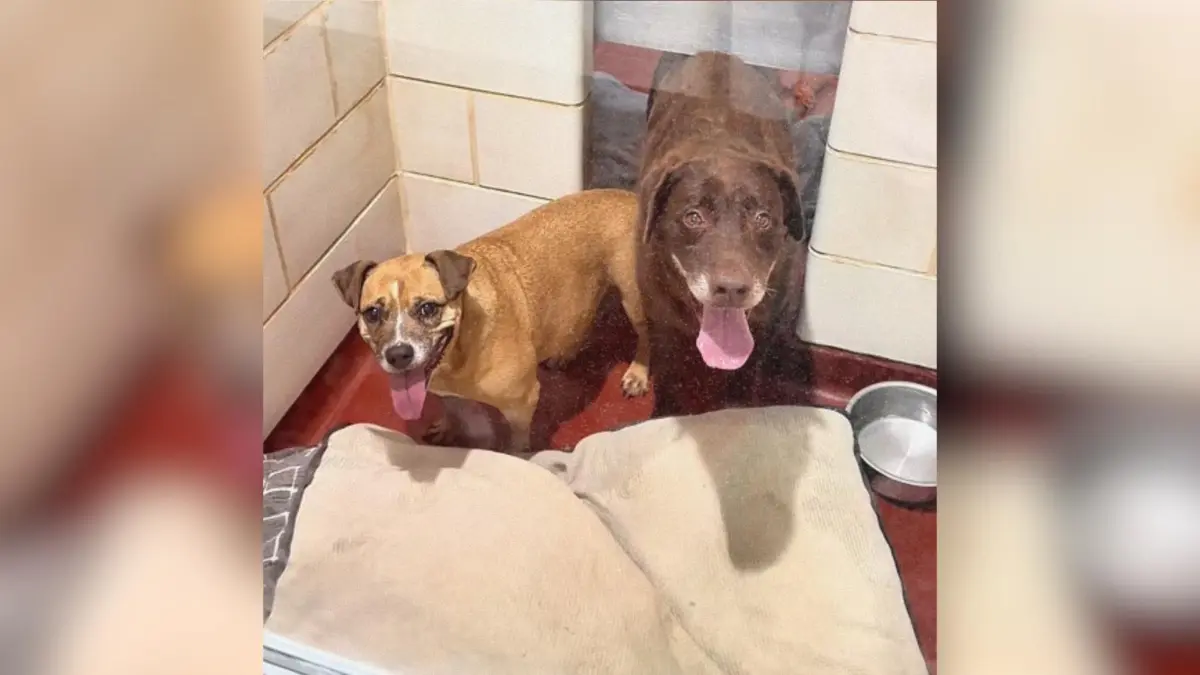
The bond between a pet and its owner is often described as a lifelong commitment. Yet, for two ten-year-old Labrador Retriever mixes named Nikki and Philly, a decade of loyalty ended abruptly inside the intake lobby of Cobb County Animal Services in Marietta, Georgia. On October 2, the senior sisters—who had spent their entire lives under the care of a single family—were surrendered to the municipal shelter. The reason cited for their abandonment was a common yet devastating modern dilemma: their owner was relocating to an apartment that could not or would not accommodate them.
Instead of spending their golden years resting on familiar dog beds and enjoying the quiet comforts of the only home they had ever known, Nikki and Philly now find themselves navigating the sterile, high-stress environment of a municipal rescue facility. Their plight is compounded by two major complications: their advanced age and a dual diagnosis of heartworm disease.
This investigative report details the circumstances of Nikki and Philly’s surrender, examines the systemic issues of housing-induced pet relinquishment, analyzes the clinical challenges of managing heartworm disease in senior canines, and explores the grassroots advocacy efforts currently underway to secure a safe, compassionate future for these bonded sisters.
Detailed Chronology
A Decade of Stability Upended
For ten years, Nikki and Philly lived a life of quiet stability. As littermates, they grew up side-by-side, sharing meals, play sessions, and sleeping spaces. According to shelter intake records, both dogs are fully housebroken and possess gentle, social temperaments. They have a documented history of peaceful coexistence with children, cats, and other dogs, representing what many would consider the quintessential family companions.
October 2: The Day of Surrender
The trajectory of their lives changed permanently on October 2. Confronted with a move to an apartment, their owner opted to surrender both dogs to Cobb County Animal Services. Observers noted that the dogs appeared visibly disoriented during the intake process. For senior canines, the sudden loss of their primary caregiver, combined with the sensory overload of a municipal shelter—characterized by concrete floors, echoing barks, and unfamiliar handlers—often triggers acute separation anxiety and physiological stress.
[10 Years of Stable Home Life]
             │
             ▼ (October 2)
[Surrender to Cobb County Animal Services]
             │
             ├──────────────────────────┐
             ▼                          ▼
[Medical Intake: HW Positive]   [Severe Environmental Stress]
             │                          │
             └───────────┬──────────────┘
                         ▼
          [Viral Advocacy Campaign]
                         │
                         ▼
          [Urgent Search for Adopters]
The Discovery of Underlying Medical Issues
Following their surrender, Nikki and Philly underwent standard veterinary screening. The diagnostic tests revealed a troubling medical reality: both sisters tested positive for heartworm disease. This diagnosis immediately elevated their status from routine surrenders to high-risk residents. In an overcrowded municipal system, senior dogs with chronic, treatable medical conditions are often the most vulnerable to euthanasia when kennel space becomes limited.
The Digital Rescue Campaign
Recognizing the steep odds facing the pair, an independent animal advocate visiting the shelter filmed the sisters. On October 10, the footage was uploaded to TikTok via the account @sharing.lov3. The video captured Nikki and Philly standing close to one another in their kennel, looking toward the camera with anxious, searching expressions.
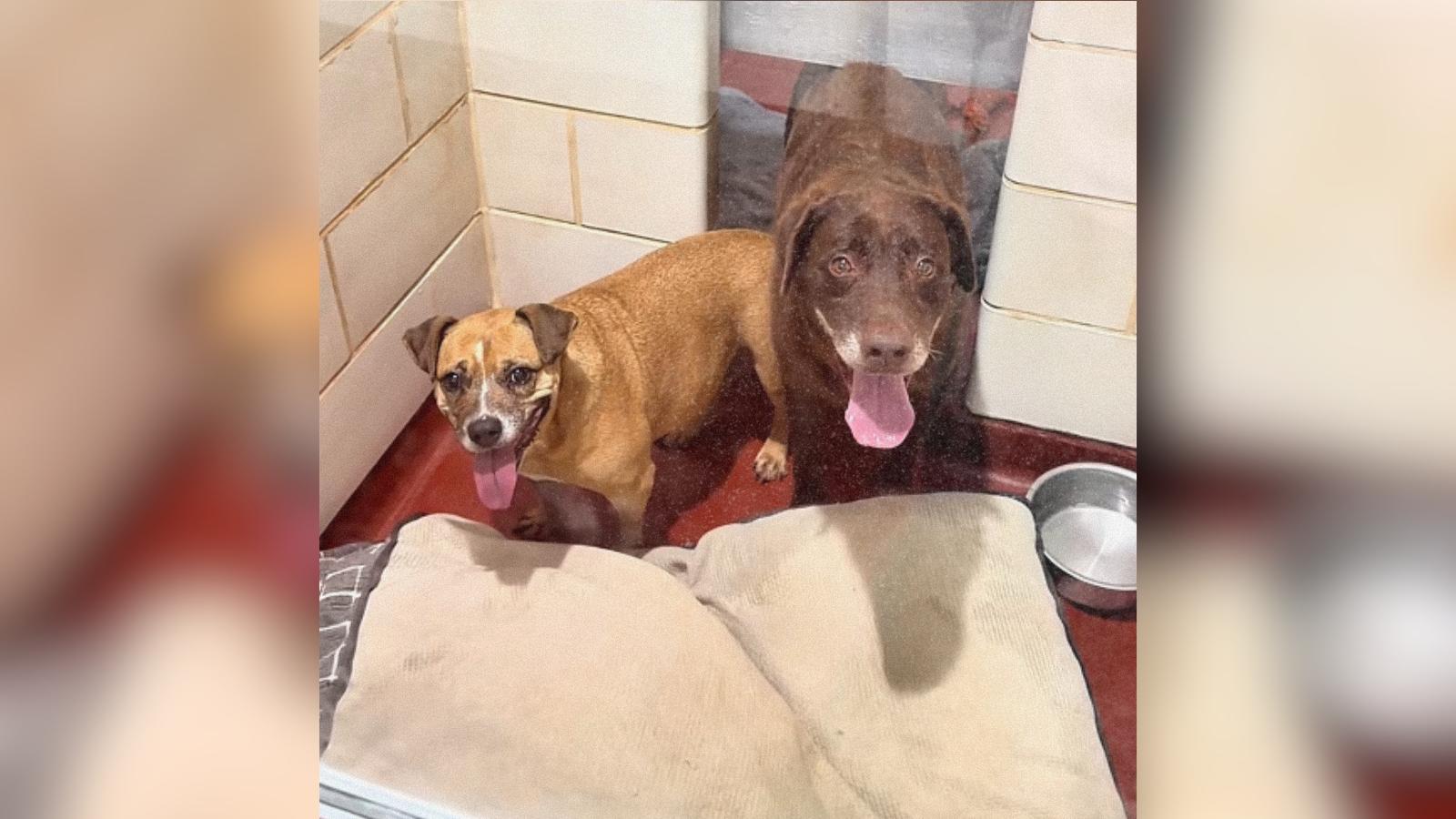
The accompanying caption laid bare the emotional and physical toll of their abandonment:
"I just can’t understand how, after being with a family for 10 whole years… their entire lives… they can suddenly find themselves alone in a kennel. The only thing they have left from their old life is each other."
The video quickly gained traction, mobilizing online communities to share their story, pledge financial support for their medical care, and search for a rescue organization or adopter willing to take on the challenges of a senior, heartworm-positive pair.
Supporting Context & Metrics
To fully understand the gravity of Nikki and Philly’s situation, their case must be analyzed within the context of broader trends currently impacting animal welfare across the United States.
The Crisis of Housing-Related Pet Relinquishment
"Moving" consistently ranks among the top three reasons cited by owners surrendering pets to municipal shelters. This trend highlights a growing friction between housing markets and pet ownership:
- Pet Deposits and Monthly Fees: Many rental properties impose high non-refundable pet fees and monthly "pet rent" that can make housing cost-prohibitive for families.
- Breed and Size Restrictions: Arbitrary weight limits (often capping at 25 or 50 pounds) and breed bans systematically exclude larger dogs, such as Labrador Retrievers, from affordable rental units.
- The Affordable Housing Shortage: As rental prices rise, families are frequently forced to downsize or move into managed properties with strict pet policies, leaving them with few options other than relinquishment.
The Threat of Heartworm Disease in the American South
Heartworm disease (Dirofilaria immitis) is a severe and potentially fatal condition transmitted through the bites of infected mosquitoes. The Southeast United States, particularly Georgia, is a primary hotbed for the disease due to its warm, humid climate, which fosters year-round mosquito activity.
       [Mosquito Bites Infected Dog]
                     │
                     ▼ (Microfilariae Develop)
       [Mosquito Bites Healthy Dog]
                     │
                     ▼ (L3 Larvae Migrate)
   [Immature Worms Reach Heart & Lungs] (Approx. 6 months)
                     │
                     ▼ (Adult Worms Cause Blockages)
  [Pulmonary Hypertension & Heart Failure]
Treating heartworm disease in senior dogs is a delicate, multi-step clinical process:
| Phase | Protocol | Purpose / Risks |
|---|---|---|
| Phase 1: Stabilization | Administration of doxycycline and macrocyclic lactones. | Restricts the reproduction of the worms and eliminates Wolbachia, a symbiotic bacteria that can cause severe inflammation when the worms die. |
| Phase 2: Active Treatment | A series of deep intramuscular injections of melarsomine dihydrochloride (an organic arsenical compound). | Kills the adult heartworms. This phase carries a high risk of pulmonary thromboembolism (blood clots in the lungs) as the dead worms decompose. |
| Phase 3: Strict Confinement | Complete crate rest for 6 to 8 weeks post-injection. | Essential to prevent elevated heart rates, which can cause dead worm fragments to lodge in pulmonary arteries, leading to sudden death. |
For ten-year-old dogs like Nikki and Philly, the physiological strain of melarsomine injections, combined with the stress of prolonged crate confinement, requires meticulous veterinary oversight and a quiet, low-stress environment—conditions that are virtually impossible to replicate in a noisy, crowded shelter.
Municipal Shelter Overcrowding
Cobb County Animal Services, like many municipal shelters across the nation, operates under constant capacity pressures. High intake rates, coupled with a slowdown in adoptions post-pandemic, have left facilities struggling to house animals.
In overcrowded environments, shelters must prioritize resources. While treatable, the cost and length of heartworm treatment make infected dogs less attractive to average adopters, putting them at a distinct disadvantage.
Official Statements & Perspectives
The advocacy post shared by @sharing.lov3 highlights the complex emotional and logistical decisions that animal advocates and shelter staff must make when managing bonded pairs:
"They are not required to be adopted together, and I know this is a HUGE ask. Asking someone to take in two senior girls who are both heartworm positive is a lot. But I still hope and pray that somewhere out there, there is someone who will be able to give them a home together."
The Case for Bonded Adoptions
Animal behaviorists emphasize that separating senior dogs who have spent their entire lives together can cause profound psychological trauma. Known as "grief-induced depression," separated senior pets may refuse food, withdraw from human interaction, and experience a rapid decline in physical health. Keeping Nikki and Philly together would provide them with a vital source of comfort and stability as they undergo medical treatment.
Shelter Support Mechanisms
Recognizing the financial barrier that heartworm treatment poses to potential adopters, Cobb County Animal Services offers a critical lifeline: Georgia residents who adopt heartworm-positive dogs from the facility may qualify to have the cost of the treatment covered or subsidized through shelter-sponsored medical programs. This policy dramatically lowers the financial hurdle for local adopters, transforming a potentially cost-prohibitive adoption into a manageable rescue mission.
Future Outlook
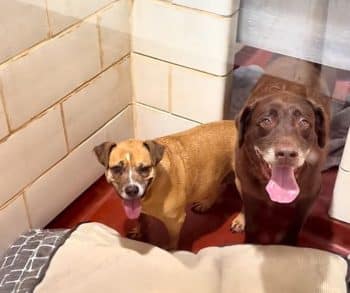
The immediate goal for advocates is to secure a foster placement or an adoptive home for Nikki and Philly before the stresses of shelter life take a toll on their health.
How the Community Can Assist
For those moved by Nikki and Philly’s story, several pathways exist to help secure a positive outcome:
- Adoption as a Bonded Pair: The ideal outcome is for a single household—ideally one in Georgia to take advantage of the shelter’s heartworm treatment program—to welcome both sisters.
- Foster-to-Adopt Programs: Fostering provides a temporary, low-stress environment where the sisters can begin their heartworm stabilization therapy outside of the shelter.
- Rescue Sponsorship: Individuals who cannot adopt can donate directly to Cobb County Animal Services or verified partner rescue groups to help cover the costs of their veterinary care and specialized senior diets.
- Targeted Advocacy: Sharing their story on social media platforms remains a powerful tool for reaching niche adopters, such as senior dog sanctuaries or experienced hospice fosters.
A Broader Call to Action
The story of Nikki and Philly highlights the need for systemic reforms in the animal welfare and housing sectors. To prevent similar tragedies, advocacy groups continue to push for:
- Pet-Inclusive Housing Legislation: Laws that prevent landlords from imposing arbitrary breed and size restrictions on responsible pet owners.
- Accessible Preventative Care: Low-cost veterinary clinics that make monthly heartworm preventative medication affordable for low-income families, preventing infections before they start.
- Community Support Systems: Temporary boarding programs for owners experiencing sudden housing transitions, giving them time to find pet-friendly accommodations without surrendering their animals.
Nikki and Philly’s journey is far from over. Though their first decade ended in heartbreak, the coordinated efforts of local advocates, veterinary staff, and the global online community offer a glimmer of hope that their next chapter will be defined by safety, dignity, and—most importantly—each other.
Shelter Information for Inquiries:
- Location: Cobb County Animal Services, Marietta, Georgia
- Reference Names: Nikki & Philly (Surrendered October 2)
- Medical Status: Heartworm Positive (Treatment assistance may be available for Georgia residents)
- Compatibility: Good with kids, dogs, and cats; housebroken.