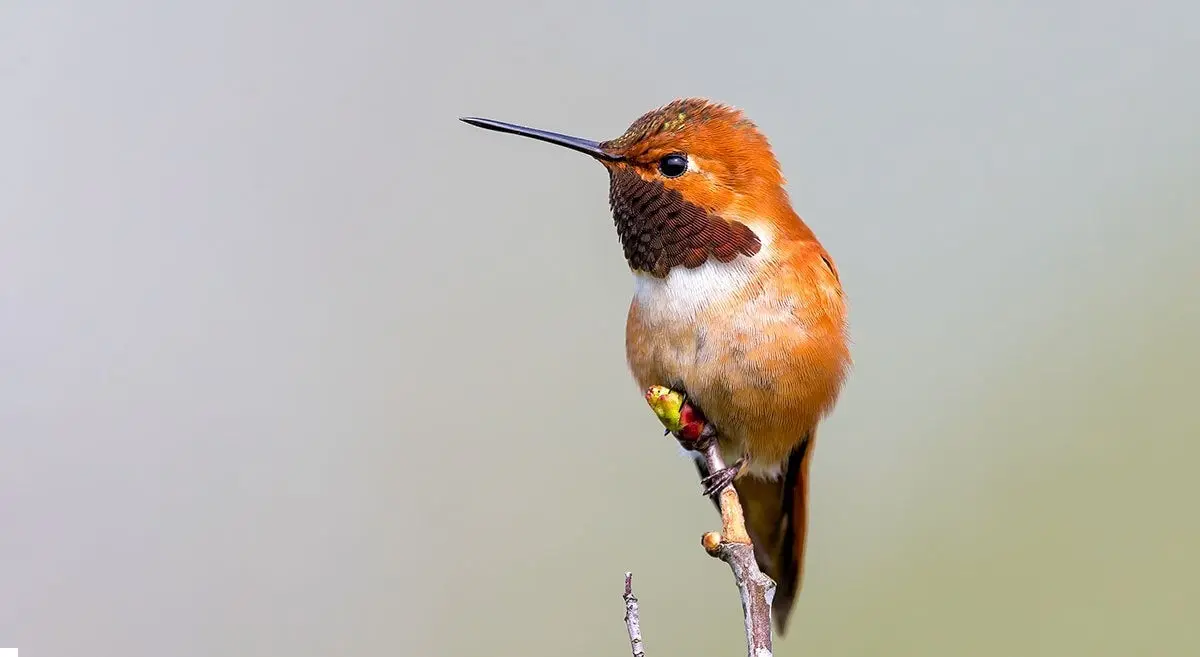

Across the city of Hopkins, Minnesota, a quiet revolution of color and conservation has taken flight. A vibrant flock of bird murals now adorns the facades of local institutions, injecting brilliant hues and vital ecological awareness into the urban landscape. A Yellow-bellied Sapsucker greets patrons at a local brewery; a Field Sparrow perches steadfastly on the wall of a neighborhood diner; and an Indigo Bunting adds a splash of sapphire to the side of a downtown tattoo parlor. This avian migration of public art is part of the nationally renowned Audubon Mural Project, a public-art initiative that commissions artists to highlight birds vulnerable to extinction due to a rapidly warming climate.
For Hopkins, a community rich in public art and situated directly along the Mississippi Flyway—a critical migratory superhighway for hundreds of avian species—the initiative is a natural fit. What began as a resident’s personal journey of grief and discovery has blossomed into an inspiring civic movement, uniting local government, arts organizations, conservation groups, schools, and businesses. Through community crowdfunding, student-led painting sessions, and sweeping large-scale installations, Hopkins has transformed its streets into an open-air gallery dedicated to the fragile beauty of its feathered neighbors.
Detailed Chronology: The Evolution of the Hopkins Audubon Murals
The realization of the Hopkins Audubon Mural Project represents a carefully orchestrated timeline of community mobilization, artistic vision, and environmental education.
Phase I: Seeds of Inspiration (Early 2025)
The initiative was spearheaded by local resident Francoise Shirley, who discovered the Audubon Mural Project while reading Audubon magazine. Shirley’s connection to birds began as a personal refuge following the passing of her mother. Observing backyard birds brought her comfort and a renewed sense of closeness to the natural world. However, as she deepened her knowledge of local avifauna, she encountered sobering data regarding the alarming decline of common bird species. Driven by the question, "Well, what can I do?" Shirley recognized that bringing the Audubon Mural Project to Hopkins could bridge personal grief with collective environmental stewardship.
Shirley initiated contact with the City of Hopkins, the Hopkins Center for the Arts, and the Land of Lakes Bird Alliance (a local chapter of the National Audubon Society). Receiving immediate and enthusiastic support, the coalition focused its mission on climate-threatened species residing within Hennepin County. Partial funding was secured through the city and the arts center, while the remainder was successfully crowdfunded, ensuring deep community investment and a sense of shared ownership.
Phase II: The Initial Wave on Mainstreet (September 2025)
In September 2025, the first wave of murals officially landed along Mainstreet, establishing Hopkins as a canvas for climate awareness:
- Hoagie’s Family Restaurant: Artist Audrey Carver painted a delicate two-foot-by-two-foot panel featuring a Clay-colored Sparrow and a Field Sparrow framed by native prairie grasses.
- Dragonland Tattoo: Artist Kada Goalen conceptualized "the spaces between," painting six distinct panels featuring an Indigo Bunting, Scarlet Tanager, Golden-winged Warbler, Pine Grosbeak, Wood Thrush, and Brown Thrasher integrated into everyday urban vistas.
- LTD Brewing: Artist Adam Turman designed a dynamic mural featuring a Yellow-bellied Sapsucker drilling into birch bark alongside a striking Red-headed Woodpecker.
These installations instantly catalyzed civic engagement. October 2025 marked the city’s inaugural Migratory Bird Day celebration, accompanied by educational events at farmers’ markets, toy stores, and coffee shops. Concurrently, the Land of Lakes Bird Alliance launched a specialized course at the Hopkins Activity Center, combining mural tours with practical workshops on creating bird-friendly homes.
Phase III: The Next Generation Takes Flight (Spring 2026)
In the spring of 2026, the project expanded to local youth. Approximately 450 students spanning kindergarten through fifth grade at Alice Smith Elementary School collaborated to paint four distinct murals on their school exterior. Under the guidance of art teacher Nikki Frueh, students selected and painted local species facing severe climatic pressures: the Henslow’s Sparrow, Cerulean Warbler, American Goshawk, and Boreal Owl. The finished pieces were unveiled at the school’s spring art show, cementing an unforgettable "aha" moment for the young artists.
Phase IV: Scaling Up the Public Works Installation (Summer 2026)
The momentum culminated in the summer of 2026 with the commissioning of a massive, 80-foot-by-20-foot mural on the City of Hopkins Public Works Department building. Painted by Colorado-based artist Catie Michel, the mural—titled "After Dark"—showcases nocturnal and dusk-active species, including the Wood Thrush and Eastern Whip-poor-will, set within an intricate food web of native moths, caterpillars, evening primrose, woodland phlox, and winterberry plants.
Supporting Context & Metrics: Climate Science and Local Ecosystems
The artistic celebration in Hopkins is underpinned by rigorous ecological science drawn from the National Audubon Society’s comprehensive climate report, Survival by Degrees. The report utilizes millions of bird records and sophisticated climate models to project how shifting temperatures and habitat loss will impact North American bird populations.
The Vulnerability of Featured Species
The species highlighted across Hopkins are not distant relics of endangered wildlife reserves; they are local breeders and visitors facing existential threats:
- Field Sparrow & Clay-colored Sparrow (Hoagie’s Family Restaurant): Field Sparrows depend on brushy pastures and overgrown meadows, making them acutely vulnerable to increased wildfires and heat waves. Under current warming trajectories, the species is projected to lose 72 percent of its summer breeding range. The Clay-colored Sparrow faces a similar fate, projected to lose 70 percent of its range and potentially vanish entirely as a breeding species in Minnesota.
- Scarlet Tanager & Golden-winged Warbler (Dragonland Tattoo): Scarlet Tanagers require expansive forest blocks for successful breeding. Climate models indicate they could lose 68 percent of their summer range due to urbanization, heavy rain, and severe heat. Meanwhile, Golden-winged Warblers—already experiencing severe population declines nationwide—face a catastrophic 100 percent loss of their continental United States summer range if warming rates continue unchecked.
- Yellow-bellied Sapsucker & Red-headed Woodpecker (LTD Brewing): Sapsuckers risk losing 88 percent of their current summer range, with populations shifting northward into the remote tracts of Canada. The Red-headed Woodpecker, once a ubiquitous fixture of southern and midwestern forest clearings, is projected to lose 94 percent of its summer range.
- Boreal Owl & Henslow’s Sparrow (Alice Smith Elementary): The Boreal Owl could be pushed out of 84 percent of its current summer range, retreating entirely from Minnesota into northern Canada.
- Eastern Whip-poor-will & Wood Thrush (Public Works Building): These species face overlapping pressures from habitat fragmentation, insect population crashes driven by agricultural chemicals and climate disruption, and window collisions during migration.
A Nod to Local History and Heritage
Several murals pay homage to the cultural and agricultural history of Hopkins. For instance, Kada Goalen expanded her mural at Dragonland Tattoo to include the Wood Thrush and Brown Thrasher—two species that voraciously feed on raspberries. This design choice honors Hopkins’ historic identity as the once-proclaimed "raspberry capital of the world."
Official Statements and Artist Perspectives
The success of the Hopkins Audubon Mural Project lies in the profound synergy between artists, community organizers, and conservationists.
Francoise Shirley on Community Ownership
Reflecting on the widespread adoption of the project, initiator Francoise Shirley emphasized the importance of local relevance:
"We wanted to bring awareness to the fact that birds in our very own backyards in Hopkins are vulnerable, not just those in other parts of the country or world. We really got a huge segment of the population to be involved and feel ownership in this initiative."
Artist Insights
The participating artists brought deep professional backgrounds in environmental science, field research, and public art to their respective installations:
- Audrey Carver: Drawing upon her background in environmental science and climate conservation, Carver noted the unique power of public art: "When I’m able to incorporate my passion for environmental education and art to help people engage with their local ecosystem, it’s really an amazing opportunity."
- Kada Goalen: A veteran muralist with 25 years of experience, Goalen praised the welcoming atmosphere of the city: "Hopkins has a special place in my heart. I love the community, and I love how much they support art, too. This project was really special."
- Adam Turman: Aiming to foster simple joy while sparking curiosity, Turman remarked on the privilege of contributing to his neighboring community: "My whole goal when I do murals is to make people happy."
- Catie Michel: Having previously worked in avian field research and volunteering as a bird bander with the Bird Conservancy of the Rockies, Michel poetically summarized the broader aspiration of her work: "Perhaps this title [After Dark] can also refer to a still-possible time in the future when these birds are no longer designated as especially vulnerable. When all bird—and all beings’—populations reach a balanced state, and when our societal systems reflect an ethos of collective care."
- Marian Weidner & Nikki Frueh: Land of Lakes Bird Alliance President Marian Weidner noted that urban threats like light pollution and building collisions can be directly mitigated at the local level. Meanwhile, Alice Smith Elementary art teacher Nikki Frueh highlighted the empowering impact on students, observing the profound "aha moment" children experienced upon seeing their collective labor manifested in public art.
Future Outlook: Sustaining Momentum in Conservation
The transformation of Hopkins from a suburban municipality into a vibrant sanctuary for climate-threatened birds demonstrates the extraordinary potential of grassroots public art. What began as an individual’s response to personal loss has evolved into an institutionalized ethos of ecological awareness and community action.
Looking ahead, the coalition of the City of Hopkins, the Hopkins Center for the Arts, the Land of Lakes Bird Alliance, local schools, and businesses plans to maintain the momentum. Beyond the physical murals, practical measures are being integrated into municipal infrastructure, such as the installation of bird-safe visual markers on public buildings to mitigate window collisions.
By marrying aesthetic beauty with ecological urgency, Hopkins has established a replicable national model for how communities can confront global climate anxiety through local, creative empowerment. The permanent flock nesting on its walls serves as both a warning of what stands to be lost and a radiant daily reminder of what can be preserved through collective care.