
Executive Overview
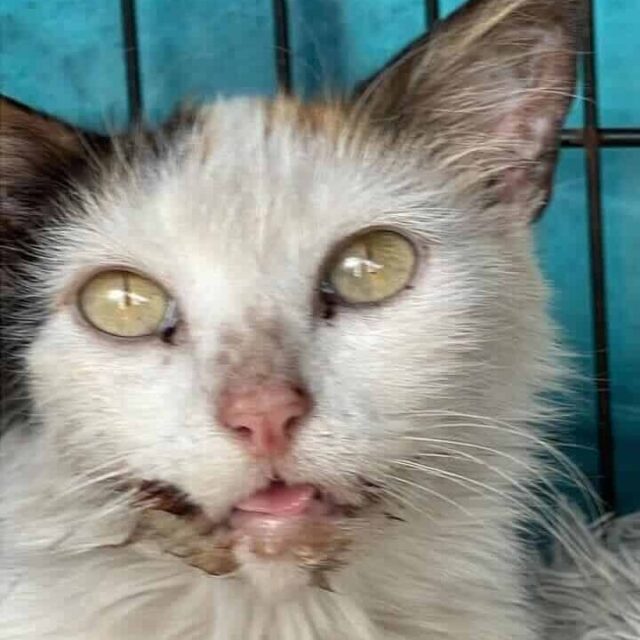
In the high-stakes world of municipal animal sheltering, difficult decisions are made daily. Chronically ill, frail, or elderly animals are frequently categorized as vulnerable to euthanasia or return-to-field programs when municipal resources fall short. When a calico cat named Lillian Rose was surrendered to the San Bernardino City Animal Shelter in California, she was perilously close to becoming just another statistic. Suffering from severe malnutrition, profound dehydration, and an excruciating oral condition that made eating agonizing, Lillian Rose faced the immediate threat of being released back onto the unforgiving streets where she had barely managed to survive for a year.
However, a collaborative effort among grassroots animal welfare advocates altered the trajectory of her life. Driven by the timely intervention of Furry Friends LA—a dedicated rescue organization—alongside the financial backing of iHeartCats supporters and Hero VIP Club members, Lillian Rose was pulled from the brink of danger.
What followed was a meticulous medical journey spanning international borders, showcasing how strategic veterinary planning, innovative therapeutic interventions, and community-backed fundraising can rescue an animal from chronic suffering. This case study examines the rescue, medical rehabilitation, and ultimate transformation of Lillian Rose, underscoring the critical role that independent rescue groups and donor networks play in modern animal welfare.
Detailed Chronology: From the San Bernardino Streets to Safety
Survival on the Edge
For approximately twelve months, Lillian Rose endured the harsh realities of life outdoors in the San Bernardino area. As an unowned stray, she was forced to scavenge for sustenance while navigating environmental hazards, extreme temperatures, and untreated illnesses. Over time, the cumulative toll of this harsh existence eroded her physical resilience.
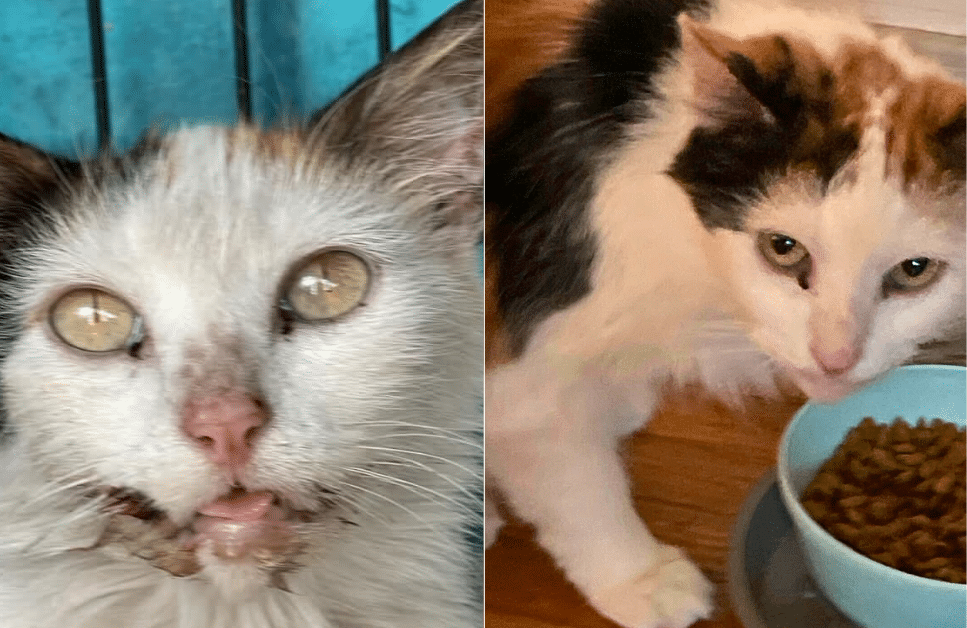
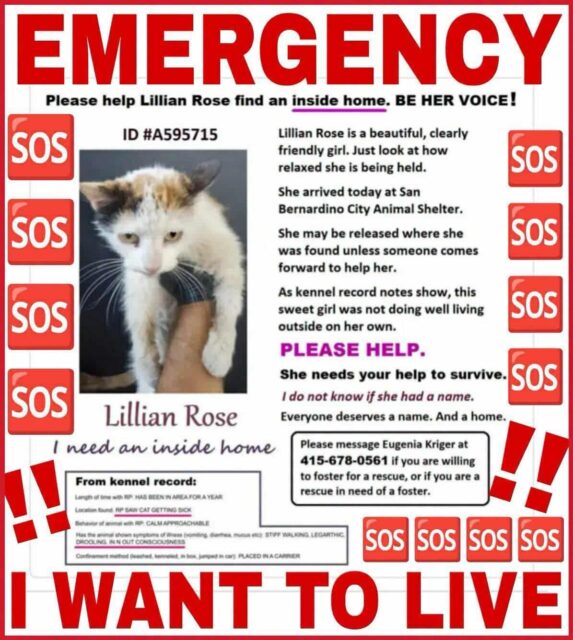
When she was finally captured and brought into the San Bernardino City Animal Shelter, her clinical presentation was alarming. Shelter intake records painted a grim picture:
- A severely lethargic demeanor
- Continuous, excessive drooling
- Ataxia, or a struggle to walk with normal coordination
- Advanced emaciation and systemic dehydration
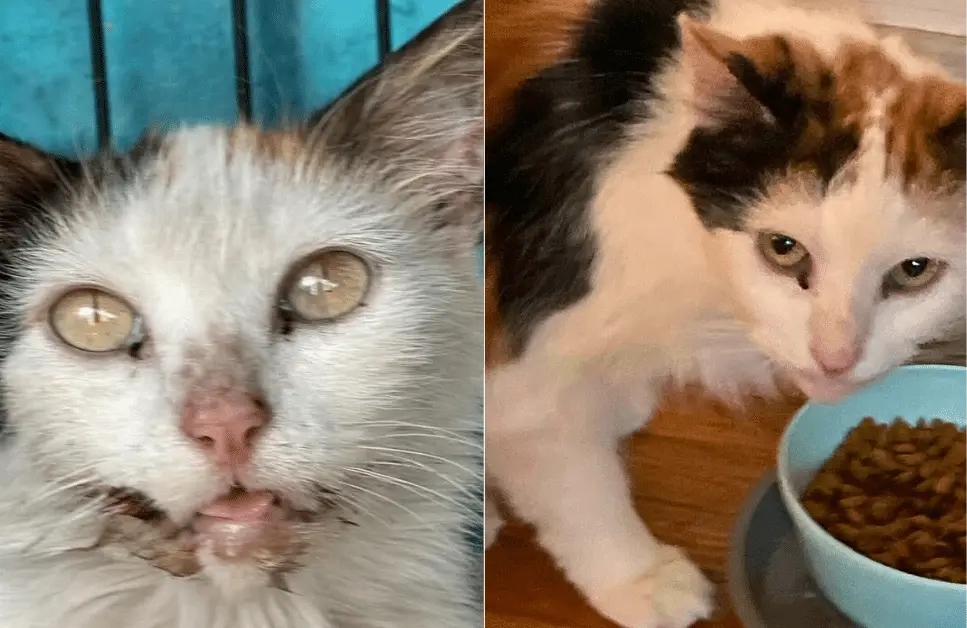
Despite the physical agony she was enduring, shelter staff noted a striking behavioral anomaly. Unlike many feral or semi-feral cats who become defensive and fearful when cornered or sick, Lillian Rose remained calm, docile, and approachable. Her gentle disposition in the face of immense suffering struck a chord with shelter volunteers and advocates, who recognized that her sweet nature deserved a fighting chance.
The Emergency Plea and Rescue Intervention
As her mandatory hold period at the municipal facility drew to a close, the threat of her release back to the streets loomed large. A release into the outdoor environment under her medical conditions would have been a death sentence. An emergency digital plea circulated across online rescue networks, carrying a succinct but desperate message: “She needs your help to survive.”
The call was answered by Gene and the team at Furry Friends LA. Recognizing the urgency of the situation, the rescue mobilized quickly to pull Lillian Rose from the shelter ecosystem. Securing her physical safety, however, was merely the first hurdle. The rescue team faced the more complex challenge of diagnosing the underlying pathologies driving her systemic decline and formulating a viable rehabilitation plan.
Comprehensive Medical Investigation and International Veterinary Care
Diagnosing Stomatitis and Calicivirus
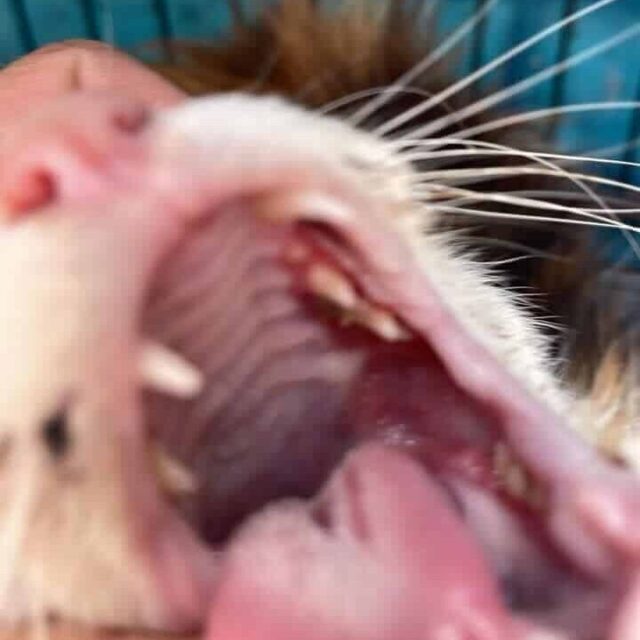
Upon entering the care of Furry Friends LA, Lillian Rose underwent a thorough diagnostic workup. Veterinarians quickly identified the primary source of her agony: severe stomatitis.
Stomatitis is a debilitating, chronic inflammatory condition affecting the mucous membranes of a cat’s oral cavity, including the gums, tongue, and back of the throat. For affected felines, the condition causes extreme pain, rendering basic acts like chewing food or even swallowing saliva excruciating. Clinical markers include profuse drooling (ptyalism), profound anorexia, severe weight loss, and noticeable dental neglect.
According to Gene of Furry Friends LA, Lillian Rose’s chronic condition was likely the delayed physiological consequence of a severe Calicivirus infection contracted during her kittenhood or early adult life. Feline Calicivirus (FCV) is a common pathogen that can cause respiratory infections, but in some cases, it triggers an immune-mediated hypersensitivity reaction in the oral tissues, resulting in persistent, treatment-resistant stomatitis.
Strategic Cross-Border Veterinary Logistics
Addressing chronic stomatitis typically demands extensive veterinary intervention, including comprehensive bloodwork, dental radiographs, full mouth extractions, and specialized pharmacological management. For a small, independent rescue organization operating on razor-thin margins, the cost estimates for domestic veterinary surgical care in Southern California presented a formidable barrier.
To maximize their limited financial resources and help as many animals as possible, Furry Friends LA made the strategic decision to transport Lillian Rose across the border for veterinary care in Mexico.
"Mexico is cheaper and allows us to help more cats with the limited funding we have," Gene explained, highlighting the economic realities that small-scale rescue operators must navigate to fulfill their life-saving missions.
An Innovative Alternative to Full-Mouth Extraction
In standard veterinary practice, cases of severe, treatment-resistant stomatitis are often managed via full-mouth or subtotal tooth extractions. Removing the teeth eliminates the plaque-retentive surfaces that trigger the cat’s abnormal immune response against its own oral tissues, frequently offering the only long-term relief.
However, the attending veterinarian in Mexico proposed an alternative, conservative treatment plan for Lillian Rose. Rather than immediately subjecting her to radical oral surgery involving the extraction of all her teeth, the veterinarian recommended a specialized therapeutic regimen. Central to this plan was a targeted medication comparable in efficacy and application to GingiPro—an advanced dental and periodontal support formulation designed to reduce oral inflammation and manage microbial load.
This clinical pivot proved transformative:
- Targeted Reduction of Inflammation: The medication systematically mitigated the acute inflammatory response within Lillian Rose’s oral cavity.
- Preservation of Dental Anatomy: Because the medical management successfully controlled her stomatitis symptoms, the surgical team was able to bypass full-mouth extractions.
- Restoration of Function: With the pain subdued, Lillian Rose regained the ability to eat without agony.
As Gene happily summarized: "So she gets to keep her choppers."
Supporting Context & Metrics: The Economics of Grassroots Animal Rescue
To understand the magnitude of Lillian Rose’s recovery, one must examine the operational framework supporting small rescue groups. Unlike large, well-endowed humane societies backed by extensive corporate endowments, grassroots operations like Furry Friends LA operate on a decentralized, donation-driven model.
The Financial Strain of Special-Needs Rescues
Independent rescue organizations frequently absorb animals that municipal shelters cannot afford to treat due to budget constraints. These incoming cases typically require:
- Emergency Stabilization: Fluid therapy, nutritional support, and diagnostic panels.
- Specialized Surgery and Pharmacology: Long-term medication regimens, dental procedures, and disease-management protocols.
- Post-Operative Rehabilitation: High-calorie, palatable diets, safe housing, and behavioral socialization.
When a single cat like Lillian Rose requires cross-border veterinary transport, pharmaceutical interventions, and extended monitoring, the cumulative expenses can rapidly exhaust a small rescue’s monthly operational budget.
The Role of Donor Networks and Corporate Partnerships
Organizations do not operate in a vacuum; their capacity to save lives is directly proportional to the strength of their supporter communities. In Lillian Rose’s case, financial and logistical backing was bolstered by iHeartCats supporters and Hero VIP Club members.
Through structured philanthropic initiatives—such as the Care Packages program and the Purrfect Start Program—supporters alleviate the indirect financial pressures weighing down rescue partners:
- Care Packages: Deliver essential supplies such as bedding, toys, and routine comfort items, freeing up rescue capital for urgent medical emergencies.
- Purrfect Start Program: Supplies critical nutritional needs, specialized milk replacers, and feeding equipment for vulnerable, orphaned neonates and medical-case cats.
By absorbing the costs of everyday operational necessities, these community programs allow rescue groups to redirect their primary funding toward life-saving veterinary interventions—turning otherwise impossible rescue operations into success stories.
Official Statements and Behavioral Transformation
Clinical Outcomes
The clinical transformation observed in Lillian Rose following her medical intervention was nothing short of remarkable. Within weeks of beginning her targeted treatment plan, objective health metrics showed clear improvement:
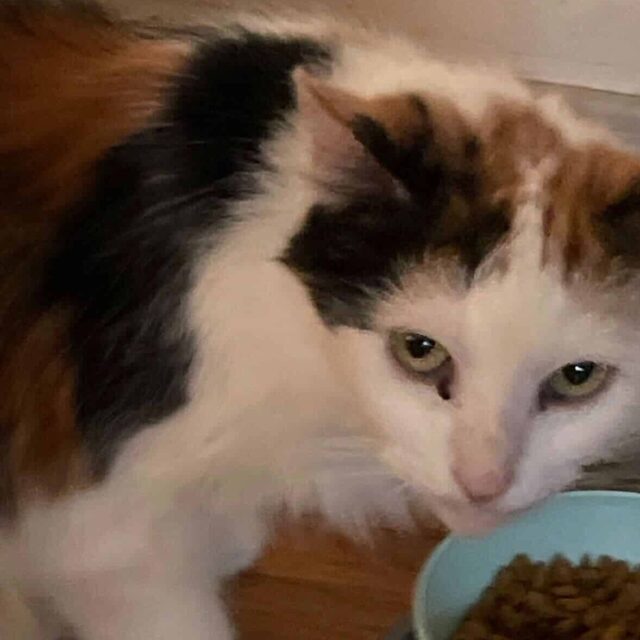
- Weight Gain: Having transitioned from a state of advanced cachexia and malnutrition, her body condition score improved steadily as she began consuming standard dry kibble.
- Resolution of Clinical Signs: The profuse drooling ceased entirely, and her mobility normalized as systemic hydration and nutrition restored her physical strength.
- Pain Elimination: The chronic inflammation that had restricted her jaw movement and appetite subsided.
Behavioral Renaissance
Beyond the physical healing, Lillian Rose experienced a profound psychological and behavioral awakening. Chronic pain in felines frequently manifests as irritability, withdrawal, or defensive aggression as the animal attempts to protect its vulnerable body. Once liberated from constant oral pain, her true temperament emerged.
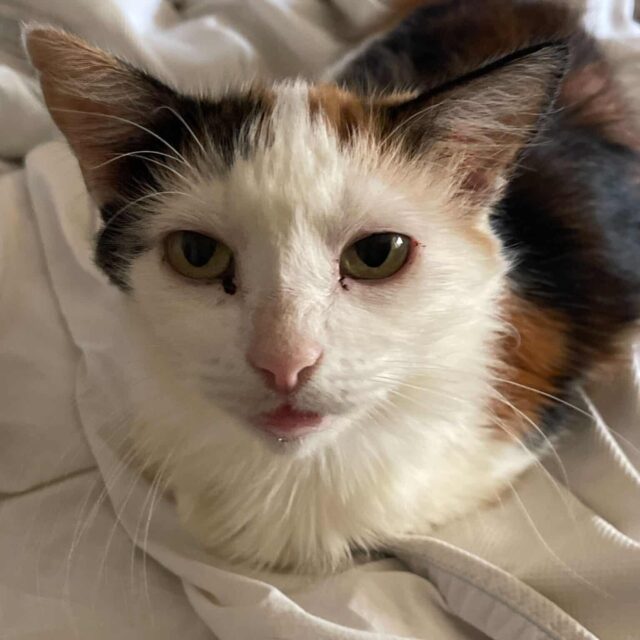
"She’s extra sweet now that she’s pain-free," Gene shared, describing her personality as deeply "cuddly and loving."
No longer forced to expend her energy on basic survival, Lillian Rose transitioned into a contented pet, enjoying the foundational comforts every companion animal deserves: a full belly, a warm place to rest, and affectionate human interaction.
Future Outlook: A Blueprint for Sustainable Animal Welfare
The journey of Lillian Rose offers a clear blueprint for the future of grassroots animal rescue. It highlights several key takeaways for the broader animal welfare community:
- Collaboration Across Sectors: The synergy between municipal shelters, independent rescues like Furry Friends LA, and donor networks such as iHeartCats demonstrates that complex rescue cases can be successfully managed through cooperative resource sharing.
- Innovative Veterinary Strategies: Exploring alternative, conservative medical treatments—such as specialized periodontal medications over immediate radical surgery—can preserve an animal’s physical integrity while achieving optimal clinical outcomes.
- The Vital Importance of Donor Communities: Sustainable animal rescue requires ongoing public engagement. Programs that supply operational necessities empower rescues to absorb high-risk, high-cost medical cases without facing financial insolvency.
Conclusion: A Testament to Compassion
Lillian Rose’s transformation from a lethargic, starving stray on the streets of San Bernardino to a vibrant, affectionate, and pain-free calico stands as a testament to the power of community-backed animal rescue. Her story affirms that with the right medical intervention, strategic resource management, and unwavering compassion, even the most vulnerable animals can be granted a second chance at life.
For the members of the iHeartCats Hero VIP Club, the supporters of Furry Friends LA, and animal advocates everywhere, Lillian Rose’s recovery serves as a powerful reminder of why their work matters: because every cat deserves to know what it feels like to be safe, comfortable, and pain-free.