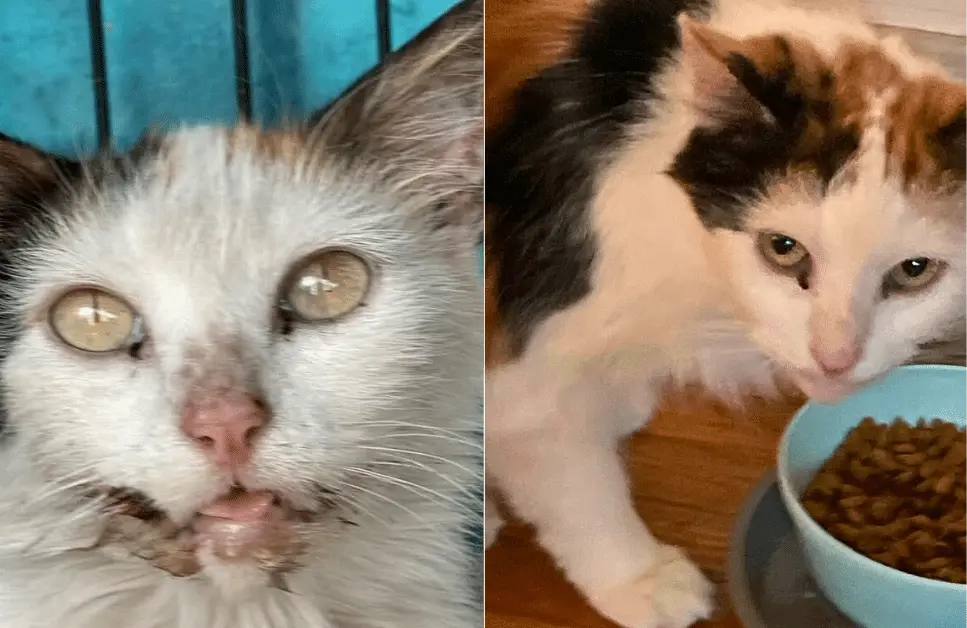
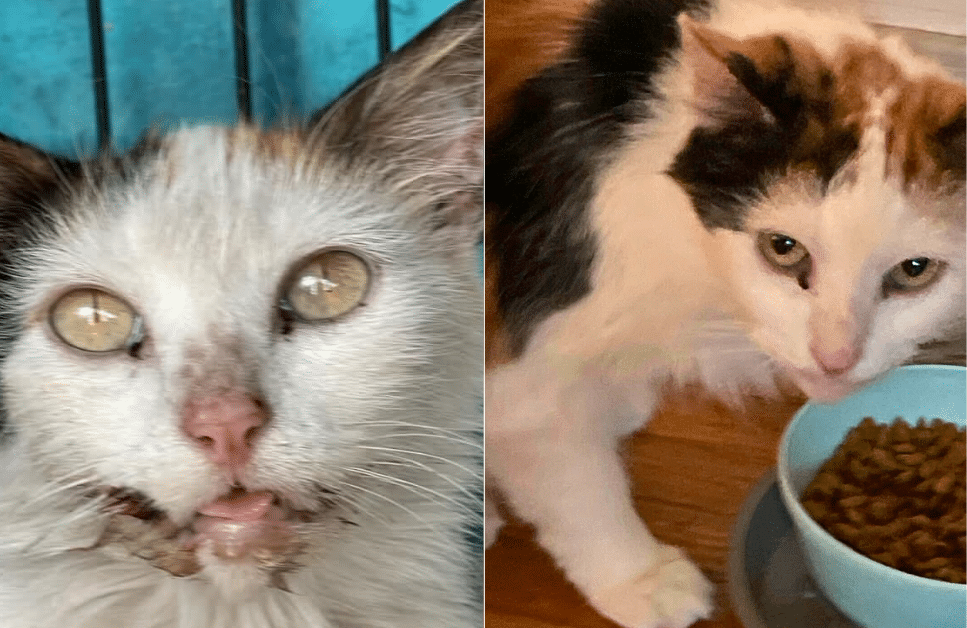
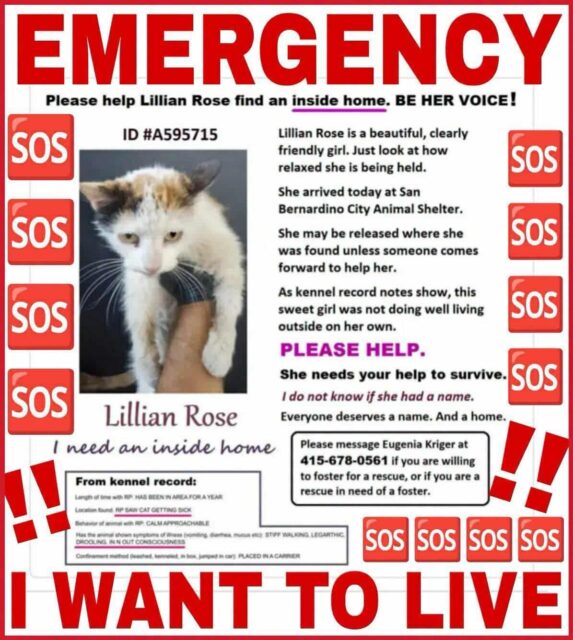
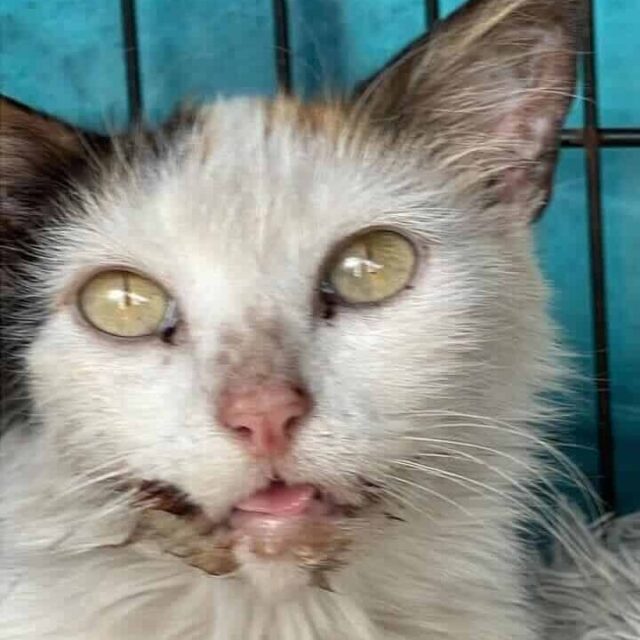
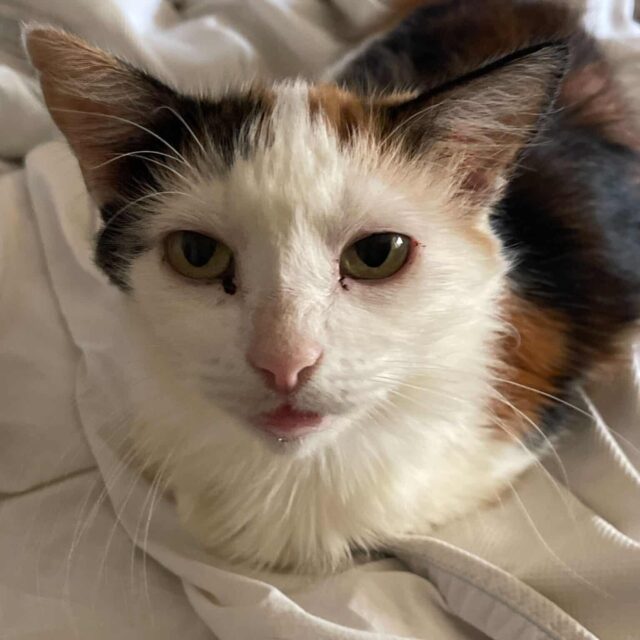
The journey of animal rescue is often defined by the slimmest margins between survival and tragedy. For Lillian Rose, a strikingly beautiful calico cat discovered on the unforgiving streets of the San Bernardino area, that margin was razor-thin. Having endured approximately a year of homelessness, severe malnutrition, dehydration, and the excruciating physical toll of an advanced oral disease, Lillian Rose arrived at the San Bernardino City Animal Shelter in a severely deteriorated condition. Lethargic, excessively drooling, and struggling to coordinate her movements, she faced an imminent threat of being released back into an environment that had nearly claimed her life.
Her salvation came in the form of a coordinated intervention by Furry Friends LA, a dedicated animal rescue organization, bolstered by the logistical and financial support of iHeartCats supporters and Hero VIP Club members. This case study explores the convergence of grassroots animal rescue operations, cross-border veterinary resource allocation, and targeted pharmaceutical intervention. Through a detailed chronology of Lillian Rose’s medical recovery, an analysis of the systemic financial challenges facing modern animal shelters, and insights from rescue leadership, this report highlights the profound impact that community-driven philanthropy can have on vulnerable feline populations.
Detailed Chronology: From Street Survivor to Healthy Housecat
The Perilous Streets of San Bernardino
For nearly twelve months, Lillian Rose navigated the hazards of outdoor survival in Southern California. While the exact origins of her displacement remain unknown, the cumulative effects of life without consistent shelter, medical care, or adequate nutrition were catastrophic. Feline physiology is notoriously vulnerable to prolonged nutritional deficits, and Lillian Rose’s body bore the unmistakable hallmarks of chronic deprivation.
By the time local animal control officers brought her into the San Bernardino City Animal Shelter, her physical condition was alarming. Intake evaluations detailed a cat suffering from profound lethargy, severe muscle wasting indicative of long-term malnutrition, and systemic dehydration. Most distressingly, she exhibited constant, heavy drooling and mechanical difficulty with basic ambulation.
Despite her debilitated state, shelter workers noted a remarkable behavioral anomaly: despite enduring agonizing physical pain and extreme fear, Lillian Rose maintained a remarkably calm, approachable, and affectionate demeanor toward humans. Recognizing that her fragile state rendered her entirely incapable of surviving a return to the streets, concerned advocates launched an urgent digital plea across rescue networks. The message was unambiguous: She needs your help to survive.
The Intervention of Furry Friends LA
Upon encountering the emergency online appeal, the operational team at Furry Friends LA immediately recognized the urgency of the situation and intervened to pull Lillian Rose from the shelter system. However, securing her physical safety was merely the first phase of a complex recovery process. The rescue team was tasked with diagnosing the underlying pathology responsible for her chronic drooling, profound weight loss, and physical weakness.
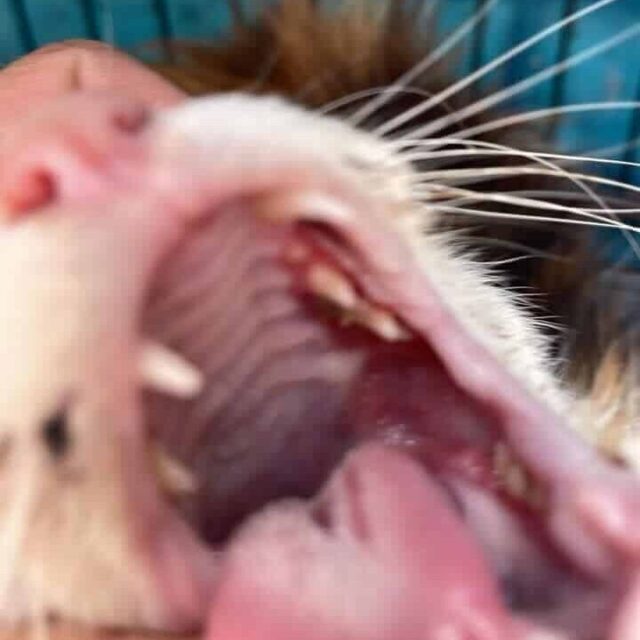
Subsequent veterinary evaluations pinpointed the root cause of her suffering: severe feline stomatitis. This debilitating, painful inflammatory condition attacks the mucous membranes of the mouth, turning routine biological functions like eating and grooming into exercises in agony.
Gene, a representative of Furry Friends LA, shed light on the probable etiology of Lillian Rose’s condition during an interview regarding her medical history:
"The stomatitis is likely from a nasty Calicivirus infection at a younger age which causes chronic inflammation of the mouth."
Cross-Border Veterinary Logistics
Addressing severe stomatitis typically demands substantial financial resources. Comprehensive diagnostics, dental radiography, specialized extractions, and ongoing pharmacological management can quickly overwhelm the operating budget of a small, independent rescue organization.
To circumvent these financial constraints without compromising the quality of care, Furry Friends LA made the strategic decision to transport Lillian Rose across the international border for veterinary treatment in Mexico. This operational model allows grassroots rescues to maximize the purchasing power of their limited funding. As Gene noted regarding the logistical framework:
"Mexico is cheaper and allows us to help more cats with the limited funding we have."
This decision not only proved financially sustainable but ultimately altered the trajectory of Lillian Rose’s medical treatment plan.
A Breakthrough Treatment Plan
Standard protocols for advanced, treatment-resistant feline stomatitis frequently dictate a total or near-total full-mouth tooth extraction to eliminate the inflammatory triggers associated with dental plaque. However, upon reviewing her case, the attending veterinarian in Mexico proposed a more conservative alternative designed to preserve her dentition.
Instead of immediate surgical extraction, the veterinary team introduced a specialized therapeutic regimen utilizing a pharmaceutical compound comparable to GingiPro. Gene recounted this pivotal clinical decision:
"And it was the Mexico vet who recommended the GingiPro to save her teeth."
The pharmacological intervention yielded rapid and dramatic results. Lillian Rose’s systemic oral inflammation subsided to a degree that rendered radical dental surgery unnecessary. She retained her natural teeth—or, as her rescue advocates joyfully summarized, "she gets to keep her choppers"—and, most importantly, regained the physical capability to ingest food comfortably.
Supporting Context & Metrics: The Financial Realities of Animal Rescue
The narrative of Lillian Rose underscores a broader systemic challenge within the animal welfare sector: the perpetual strain on operational budgets experienced by small-scale, independent rescue organizations. While high-profile municipal shelters often command public visibility, smaller groups like Furry Friends LA routinely shoulder the burden of complex, high-acuity medical cases that require specialized interventions.
The Anatomy of Rescue Operating Costs
Operating an effective rescue requires balancing numerous variable expenditures:
Intake & Stabilization: Initial medical screens, parasite treatments, emergency rehydration, and nutritional rehabilitation.
Diagnostics: Blood chemistry panels, infectious disease screenings (such as Feline Leukemia Virus [FeLV] and Feline Immunodeficiency Virus [FIV]), and advanced dental or surgical imaging.
Specialized Therapeutics: Long-term pharmacological management for chronic conditions like stomatitis, upper respiratory infections, and autoimmune disorders.
When a single rescue animal requires cross-border medical transit, specialized oral therapeutics, and extended recovery monitoring, the financial expenditure can deplete a small organization’s discretionary funds within days.
The Role of Philanthropic Infrastructure
To bridge the gap between exorbitant medical expenses and constrained rescue budgets, institutional support networks have emerged. Initiatives such as the iHeartCats Hero VIP Club, alongside structured philanthropic programs like the Care Packages and Purrfect Start Program, provide essential logistical and material reinforcement to rescue partners.
Care Packages: These initiatives mitigate the day-to-day overhead of rescue operations by supplying high-turnover necessities such as blankets, toys, and routine sanitation items, allowing shelters to reallocate liquid capital toward veterinary bills.
Purrfect Start Program: Focused on the unique vulnerabilities of neonates, this program delivers specialized formulas, micro-bottles, and thermal incubation equipment required to rescue orphaned kittens during peak breeding seasons.
By absorbing the costs of foundational supplies, these programs grant rescue organizations the financial elasticity necessary to absorb high-risk, high-cost emergency cases—transforming what might have been euthanasia decisions into success stories like Lillian Rose’s.
Official Statements and Behavioral Observations
The physiological healing experienced by Lillian Rose was mirrored by an immediate and profound psychological transformation. Chronic pain in felines frequently manifests as defensive aggression, withdrawal, or lethargy. Once the source of her constant oral discomfort was neutralized, her true personality emerged.
Clinical and Personal Insights from Rescue Leadership
Reflecting on the clinical milestones achieved during her recovery, Gene highlighted the immediate cessation of her physical symptoms:
"No more drooling!"
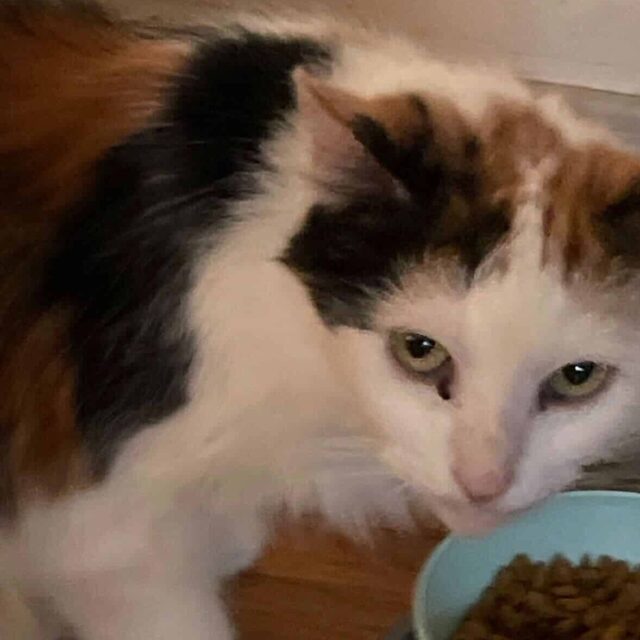
Beyond the clinical indicators of health—such as stabilized weight gain, the ability to consume dry kibble, and normal ambulation—the behavioral shift was perhaps the most compelling metric of success. Gene detailed her updated disposition following the eradication of her pain:
"She’s extra sweet now that she’s pain-free… cuddly and loving."
This evolution from a withdrawn, suffering street survivor into an interactive, affectionate companion illustrates the direct correlation between pain management and behavioral rehabilitation in rescued felines. Lillian Rose now experiences the foundational elements of feline welfare: nutritional security, a secure resting environment, and attentive human engagement.
Future Outlook: Sustainability, Community Action, and the Road Ahead
The successful rehabilitation of Lillian Rose serves as both a localized victory and a broader blueprint for contemporary animal rescue operations. As veterinary medicine continues to advance—incorporating targeted biologics, advanced anti-inflammatory therapies, and international resource-sharing models—the prognosis for animals suffering from chronic conditions like stomatitis has improved dramatically.
However, the systemic challenges facing the animal welfare infrastructure remain formidable. The influx of abandoned, injured, and chronically ill companion animals into municipal and private shelters necessitates robust, continuous community engagement. The sustainability of organizations like Furry Friends LA relies directly on the active participation of informed donors, conscious consumer networks, and structured membership models like the Hero VIP Club.
Moving Forward: How Supporters Can Engage
Sustained Philanthropy: Joining dedicated membership circles ensures that rescue organizations possess a predictable baseline of financial support, enabling them to respond instantly to emergency medical cases without risking operational insolvency.
Shopping for a Cause: Utilizing retail platforms where a percentage of proceeds directly funds shelter supply chains bridges everyday consumer habits with philanthropic impact.
Advocacy and Awareness: Amplifying emergency intake pleas across digital networks drastically shortens the window between a cat’s discovery in distress and its entry into a structured rescue environment.
Lillian Rose’s journey from the brink of euthanasia on the streets of San Bernardino to a comfortable, pain-free life as an affectionate calico stands as a testament to what is achievable when professional rescue expertise meets dedicated community support. Every animal deserves safety, comfort, and freedom from chronic suffering—a mission that remains the guiding principle for grassroots rescues and their supporters worldwide.