
Executive Overview
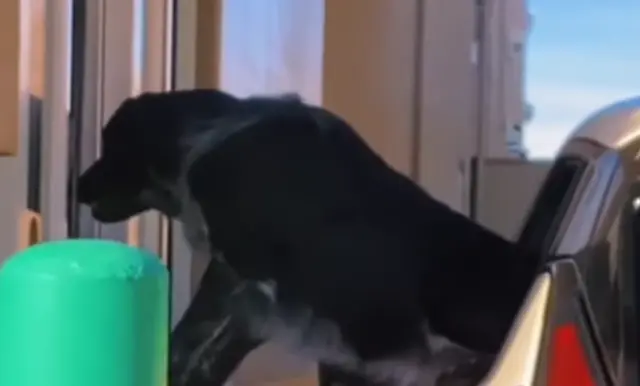
A viral video documenting an unexpected drive-thru security breach at a Draper, Utah, Starbucks location has ignited widespread debate across social media platforms, illuminating the complex intersection of quick-service restaurant (QSR) operations, municipal health regulations, and animal safety. The video, captured by a customer waiting in line, depicts a black dog named "Boo Boo" bypassing the vehicle window and leaping directly through the service aperture into the store’s operational food preparation zone.
While drive-thru pet treats—popularly commercialized under informal menu designations such as the Starbucks "Puppuccino"—have long served as effective marketing tools to foster brand loyalty, the incident highlights significant operational vulnerabilities. Amassing over eight million views within days of publication, the footage has divided online audiences between those viewing the event as a harmless, lighthearted spectacle and critics citing potential health code violations, food contamination risks, and workplace safety hazards.
This report provides a comprehensive analysis of the event, examining the chronological sequence of the breach, the underlying metrics driving its virality, the relevant food safety and legal frameworks, and the broader implications for the quick-service beverage industry.
Detailed Chronology of the Incident
[Vehicle Approaching Drive-Thru]
               │
               ▼
[Canine Leaning Out Window / Paws on Service Ledge]
               │
               ▼
[Audible Staff Reaction / Canine Infiltration]
               │
               ▼
[Complete Entry into Store / Catch by Barista]
               │
               ▼
[Viral Video Publication & Social Media Debate]
The Approach and Heightened Anticipation
The incident occurred during routine operational hours at a Starbucks drive-thru lane. According to video evidence and eye-witness accounts, the vehicle carrying Boo Boo—a large black canine—pulled up to the order pickup window. As is common during morning peak hours, extended wait times in drive-thru queues can induce heightened arousal and restlessness in passengers, human and canine alike.
Recognizing the familiarity of the environment and anticipating the store’s complimentary treat, Boo Boo became visibly animated. The driver’s window was fully lowered, allowing the dog uninhibited access to the vehicle’s exterior threshold.

The Leap and Incursion
As captured in video footage filmed by TikTok user @dollface_danapace from the vehicle directly behind, Boo Boo initially placed his front paws onto the drive-thru window sill. At this stage, startled screams and exclamations of surprise could be heard from the store’s interior staff as the animal began actively sniffing the service counter.
+-----------------------------------------------------------------------+
|                       DRIVE-THRU WINDOW BREACH                        |
|                                                                       |
|   [ Vehicle Interior ]  --->  [ Counter Threshold ] ---> [ Kitchen ]  |
|     Unrestrained Pet            Paws on Ledge            Full Leap    |
+-----------------------------------------------------------------------+
Within seconds, the situation escalated from a routine customer interaction to an physical breach of the store perimeter:
- Initial Elevation: Boo Boo positioned both front paws squarely onto the stainless-steel drive-thru counter.
- Weight Shift: The dog leveraged his hindquarters against the vehicle frame, propelling his body forward through the window aperture.
- Full Ingress: Pulling his entire torso through the window frame, Boo Boo crossed the boundary separating the exterior vehicle lane from the interior retail zone.
- Intervention: A barista positioned inside the pickup zone immediately moved forward, catching and securing the dog to prevent him from falling or accessing active food and beverage prep stations.
Immediate Aftermath and Public Reaction
The observer filming the interaction can be heard uttering an audible "Uh-oh" as the dog successfully entered the building. Baristas on site handled the animal swiftly, holding him securely near the window ledge before safely returning him to his owner in the waiting vehicle. No injuries to the animal, employees, or customers were reported, and the vehicle subsequently cleared the drive-thru lane.
Supporting Context & Viral Metrics Analysis
Social Media Reach and Engagement Dynamics
The video was uploaded to TikTok by an account dedicated primarily to the documentation of this single event. Despite the account’s lack of prior established reach, the algorithm propelled the clip to viral status due to high completion rates and immediate engagement spikes.
| Metric Parameter | Observed Value / Impact |
|---|---|
| Initial Platform | TikTok (@dollface_danapace) |
| View Count (First 72 Hours) | Exceeded 8.0 Million views |
| Primary Tagging | #starbucks, #puppoccino, #draperstarbucks |
| Secondary Distribution | Aggregated across Facebook, YouTube, and digital news outlets |
| Audience Sentiment Split | ~50% Amused/Supportive; ~50% Critical/Safety-Focused |
The "Puppuccino" Phenomenon and Consumer Behavior
The incident directly connects to the cultural ubiquity of the "Puppuccino"—an unsweetened, small cup of whipped cream provided to pet owners upon request. While not listed on official menu boards, the offering has functioned for years as an effective word-of-mouth promotional tool.

  Consumer In-Store Incentive Cycle
  ┌────────────────────────────────────────┐
  │ Customer Orders Drive-Thru Coffee      │
  └───────────────────┬────────────────────┘
                      ▼
  ┌────────────────────────────────────────┐
  │ Pet Receives Complimentary Whip Cup    │
  └───────────────────┬────────────────────┘
                      ▼
  ┌────────────────────────────────────────┐
  │ Owner Records & Shares on Social Media │
  └───────────────────┬────────────────────┘
                      ▼
  ┌────────────────────────────────────────┐
  │ Brand Gains Organic Viral Visibility    │
  └────────────────────────────────────────┘
However, the reward dynamic can create secondary operational challenges. Dogs frequently learn to associate the drive-thru window with high-value food rewards, resulting in over-arousal, barking, or lunging behavior upon arrival at the window threshold.
Public Reaction: Humor vs. Regulatory Outrage
The online discourse surrounding the event highlights a clear divide in public perception regarding pet integration into commercial spaces.
The Amused Perspective
A significant contingent of viewers framed the incident as a benign, humorous manifestation of canine impatience. Online commentary frequently relied on popular culture references and comedic tropes:
- "That dog is just trying to reach you about your car’s extended warranty."
- "He belongs to Starbucks now; he officially joined the shift."
- Proponents emphasized the successful catch by the employee and the lack of physical harm to any party involved.
The Critical Perspective
Conversely, industry professionals, health compliance advocates, and concerned consumers expressed concern regarding operational integrity:
- Sanitation Concerns: Critics raised immediate questions regarding shedding, dander, and bodily fluid contamination in proximity to open food and beverage handling zones.
- Workplace Hazards: Commentators highlighted the physical risk to retail workers forced to manage an unexpected, unrestrained 60-plus-pound animal in a confined space.
- Liability and Injury Risk: Observers noted the potential for the animal to fall onto concrete surfaces or drop into hot coffee prep stations during the leap.
Official Policies, Corporate Governance, and Legal Frameworks
Municipal Health Codes and Food Safety Regulations
The entry of non-service animals into retail food establishments is strictly controlled by federal, state, and local health codes. Under the United States Food and Drug Administration (FDA) Model Food Code, live animals are explicitly prohibited from the premises of a food establishment to prevent cross-contamination and foodborne illness risks.

FDA Model Food Code Compliance Structure
├── Permitted Animals
│   └── Service Animals (Under ADA Guidelines)
└── Non-Permitted Entities
    ├── Domestic Pets (Interior Dining & Service Areas)
└── Direct Animal Access to Prep Windows- Section 6-501.115 (Prohibition of Animals): Live animals are prohibited in food service areas, with narrow exceptions granted only to service animals assisting individuals with disabilities, or designated outdoor patio areas adhering to specific municipal variances.
- Drive-Thru Window Boundaries: Drive-thru windows serve as the physical line between public, non-regulated exterior space and highly regulated interior food preparation zones. An animal breaching this plane introduces dander, fur, and unsterilized pathogens directly into areas where open beverages and food products are assembled.
Corporate Policies and Service Animal Regulations
Starbucks corporate policy strictly regulates animal presence inside company-operated stores:
- Interior Dining Access: In compliance with the Americans with Disabilities Act (ADA), only recognized service animals are permitted inside dining rooms and customer service areas. Domestic pets are excluded.
- Drive-Thru Protocol: Employees are instructed to deliver food items and pet treats through the window while keeping animals firmly outside the building footprint. Staff are explicitly discouraged from extending arms excessively outward or encouraging animals to place paws onto store fixtures.
- Sanitation Protocols Following Incursions: In the event an unauthorized animal enters a food preparation environment, standard operating procedure mandates immediate sanitation of affected surfaces, disposal of exposed packaging or food items, and handwashing by all involved personnel prior to resuming service.
Comparative Industry Risk Analysis
To contextualize the Draper incident, fast-food and beverage chains face distinct operational trade-offs between customer-facing promotions and regulatory compliance.
| Operational Factor | Standard Drive-Thru Protocol | Drive-Thru Animal Breach Event |
|---|---|---|
| Health Code Status | Compliant (Barrier Maintained) | Breach of FDA Sec. 6-501.115 |
| Worker Safety Risk | Low / Controlled | Elevated (Physical Strain, Bite Risk) |
| Brand Reputation Impact | Neutral / Routine | High Viral Exposure / Polarized Public Sentiment |
| Food Safety Risk Level | Standard Hazard Controls | High Risk of Surface/Airborne Contamination |
| Liability Exposure | Standard Commercial Coverage | Uninsured Risk via Restraint Negligence |
Future Outlook and Industry Implications
Operational Retraining and Window Safety Protocols
The viral visibility of Boo Boo’s drive-thru entry is expected to prompt internal policy reviews across major quick-service restaurant networks. As drive-thru lanes account for an increasingly high percentage of revenue for brands like Starbucks, McDonald’s, and Dunkin’, mitigating operational friction at the window interface remains critical.
Potential industry adjustments include:
- Drive-Thru Window Modifications: Increasing the use of physical barriers, air curtains, or high-counter ledges that discourage pets from attempting to leap into service windows.
- Barista Protocol Re-evaluations: Standardizing staff training on managing over-excited animals, including instructions to request that drivers roll up windows partially or restrain pets before passing items through the window.
- Treat Delivery Hardware: Transitioning from direct hand-to-hand delivery of pet treats to long-handled trays or secondary pickup mechanisms during high-risk interactions.
Proposed Industry Risk Mitigation Sequence
[High-Arousal Pet Identified] ──> [Partial Window Clearance Required] ──> [Long-Handled Tray Delivery]
Automotive Safety and Canine Restraint Enforcement
The incident also underscores growing public interest in legal requirements surrounding pet restraint inside passenger vehicles. While few states explicitly require dogs to be tethered in moving vehicles, driving with unrestrained pets near open windows poses structural safety hazards.

Legal experts note that drivers can face citations for distracted driving or unsafe transport if an unrestrained pet interferes with vehicle operation or breaches vehicle openings while on commercial property. As videos of similar drive-thru incidents continue to surface, traffic safety advocacy groups may use such evidence to lobby for stricter vehicle pet-restraint mandates nationwide.
Conclusion
The event in Draper, Utah, serves as a compelling case study in modern corporate risk management, social media volatility, and food service operations. While Boo Boo’s enthusiasm achieved viral acclaim, it simultaneously underscored the fragile boundary maintaining food safety compliance at the drive-thru window—challenging brands to balance customer engagement with operational safety standards.