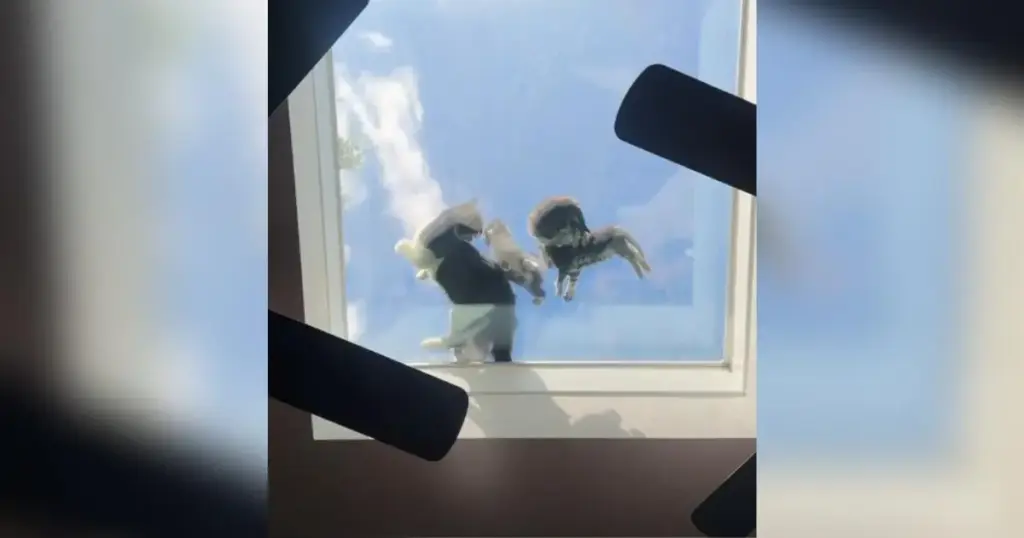
To share a home with a cat is to live alongside an apex predator miniaturized for domesticity, possessing an independent mind, lightning-fast reflexes, and an insatiable curiosity about the physical world. While many felines are content to spend their daylight hours resting in sunbeams, a distinct cohort of cat breeds elevates everyday existence into an unpredictable, high-stakes comedy of errors. From opening closed cupboards and testing the gravitational limits of water glasses to orchestrating elaborate ambushes from atop high bookshelves, these intelligent and athletic animals frequently test the structural and psychological limits of their human companions.
This comprehensive investigative report examines the behavioral psychology, evolutionary drives, and breed-specific traits that turn certain felines into enthusiastic household saboteurs. Rather than acting out of malice or spite, these cats are driven by a potent cocktail of high intelligence, strong hunting instincts, and boundless energy. When domestic environments fail to provide adequate stimulation, these innate traits manifest as mischievous antics. By analyzing the unique profiles of twelve particularly clever and active breeds—ranging from the high-octane Abyssinian to the water-loving Turkish Van—pet owners and behavioral experts can better understand how to redirect this vibrant energy into enriching, constructive outlets.
Detailed Chronology: The Anatomy of a Feline Incursion
To understand how an ordinary afternoon transforms into a scene of domestic disruption, it helps to examine the typical behavioral timeline of an under-stimulated, highly intelligent cat. Feline mischief rarely happens at random; it is the predictable culmination of a biological sequence hardwired into the domestic cat’s nervous system.
Phase 1: The Arousal and Surveillance Window
The sequence usually begins during periods of human inactivity or environmental stagnation. Highly intelligent breeds—such as the Siamese, Oriental Shorthair, or Bengal—possess an acute awareness of routine. When humans settle down to work, watch television, or sleep, these felines enter a state of heightened surveillance. Lacking external challenges, their focus shifts to internal exploration. They begin auditing their territory, testing closed doors with tentative paws, inspecting newly arrived grocery bags, or scaling high surfaces to gain a tactical overview of the room.
Phase 2: The Calculated Experiment
Once a point of interest is identified, the intellectual machinery of the cat engages. Unlike dogs, which often look to humans for cues, breeds like the Abyssinian and Cornish Rex are independent problem-solvers. They will deliberately manipulate objects to observe cause and effect. A pen rolling off a desk, a sliding cabinet door, or a dangling electrical cord becomes a physics experiment. The cat nudges the object repeatedly, watching the human’s reaction or observing how the item responds to gravity.
Phase 3: The Climax and Exploitation
If the experiment yields an entertaining result—such as a loud clatter, a spray of water from a faucet, or an animated shout from a startled human—the behavior is instantly reinforced. Clever breeds quickly learn that knocking a water glass off a side table or walking across a laptop keyboard is a foolproof method for commanding immediate attention. What the human perceives as a frustrating act of destruction, the cat understands as a highly effective, interactive game with a guaranteed reward.
Supporting Context & Metrics: The Science Behind the Chaos
What makes certain cat breeds significantly more prone to investigative disruption than others? Behavioral researchers point to a combination of genetic selection, neurochemistry, and environmental factors.
Intelligence and Problem-Solving Capacity
Felines categorized as "high-energy" and "mischievous" typically score high in tests of cognitive flexibility and object permanence. Breeds with ancestral ties to wild species (such as the Bengal, derived from the Asian Leopard Cat) or ancient desert environments (such as the Abyssinian and Somali) evolved under evolutionary pressures that rewarded constant vigilance, wide-ranging foraging habits, and exceptional physical agility. In a modern indoor environment, these survival mechanisms translate into cabinet-opening, counter-surfing, and toy-hoarding.
The Boredom-Destruction Correlation
Veterinary behavioral studies indicate that up to 60% of unwanted indoor feline behaviors—ranging from excessive vocalization to knocking items off high ledges—stem directly from chronic under-stimulation. Unlike dogs, which may exhibit anxiety through destructive chewing, high-intelligence cats often utilize their paws and claws to manipulate their surroundings, turning household items into makeshift prey.
Breed
Primary Energy Level
Intelligence Index
Signature Mischief
Recommended Enrichment
Abyssinian
Very High
Exceptional
High-shelf scaling, inspecting drawers
Vertical climbing trees, puzzle feeders
Bengal
Extreme
Exceptional
Opening cabinets, playing with water
Agility training, interactive hunt games
Siamese
High
High
Vocal manipulation, door pawing
Social play, clicker training
Maine Coon
Moderate-High
High
Investigating boxes, moving large objects
Sturdy multi-tier perches, fetch toys
Sphynx
High
High
Following humans, thermal-seeking antics
Warm bedding, interactive puzzle boxes
Turkish Van
High
High
Water bowl splashing, tap investigation
Controlled water play, high perches
Cornish Rex
Extreme
Exceptional
Chasing rolling objects, leaping acrobatics
Feather wands, rotating toy schedules
Devon Rex
High
High
Shoulder-riding, blanket tunneling
Complex mazes, interactive games
Somali
Very High
Exceptional
Stalking toys, opening cupboards
Climbing systems, food-dispensing toys
Oriental Shorthair
Extreme
Exceptional
Anticipating routines, keyboard walking
Intense social interaction, training sessions
Burmese
High
High
Interrupting work, batting small objects
Peer companionship, interactive play
Manx
Moderate-High
High
Batting items under furniture, digging
Tunnels, rolling ball tracks
Scottish Fold
Moderate
Moderate-High
Poking paws into drawers, inspecting items
Low-impact puzzle toys, gentle play
Official Statements and Expert Insights
Veterinary behaviorists and feline welfare advocates emphasize that "mischief" is rarely a behavioral flaw; rather, it is a symptom of an unmet need.
Dr. Elena Vance, a leading feline behavior consultant, notes:
"When a client tells me their cat is intentionally destroying their home or driving them crazy with pranks, my first question is about cognitive engagement. Cats like Abyssinians, Bengals, and Siamese are furry engineers. If you don’t give them a job—whether it’s learning tricks, solving food puzzles, or navigating a complex catio—they will invent their own job. Usually, that job involves rearranging your bookshelf or unlocking your pantry."
According to shelter and rescue data, behavioral complaints are among the leading reasons cats are surrendered to shelters. Experts argue that many of these surrenders could be prevented if owners understood the specific psychological requirements of high-energy breeds prior to adoption.
Dr. Marcus Thorne, a specialist in small animal internal medicine and behavior, adds:
"Physical exercise alone is insufficient for these intelligent breeds. You can tire out a Bengal physically, but if its brain isn’t worked through problem-solving exercises, it will find creative outlets for its mental energy. Environmental enrichment must be dynamic, changing, and interactive."
Breed-Specific Profiles: The Masterminds of Mayhem
Abyssinian
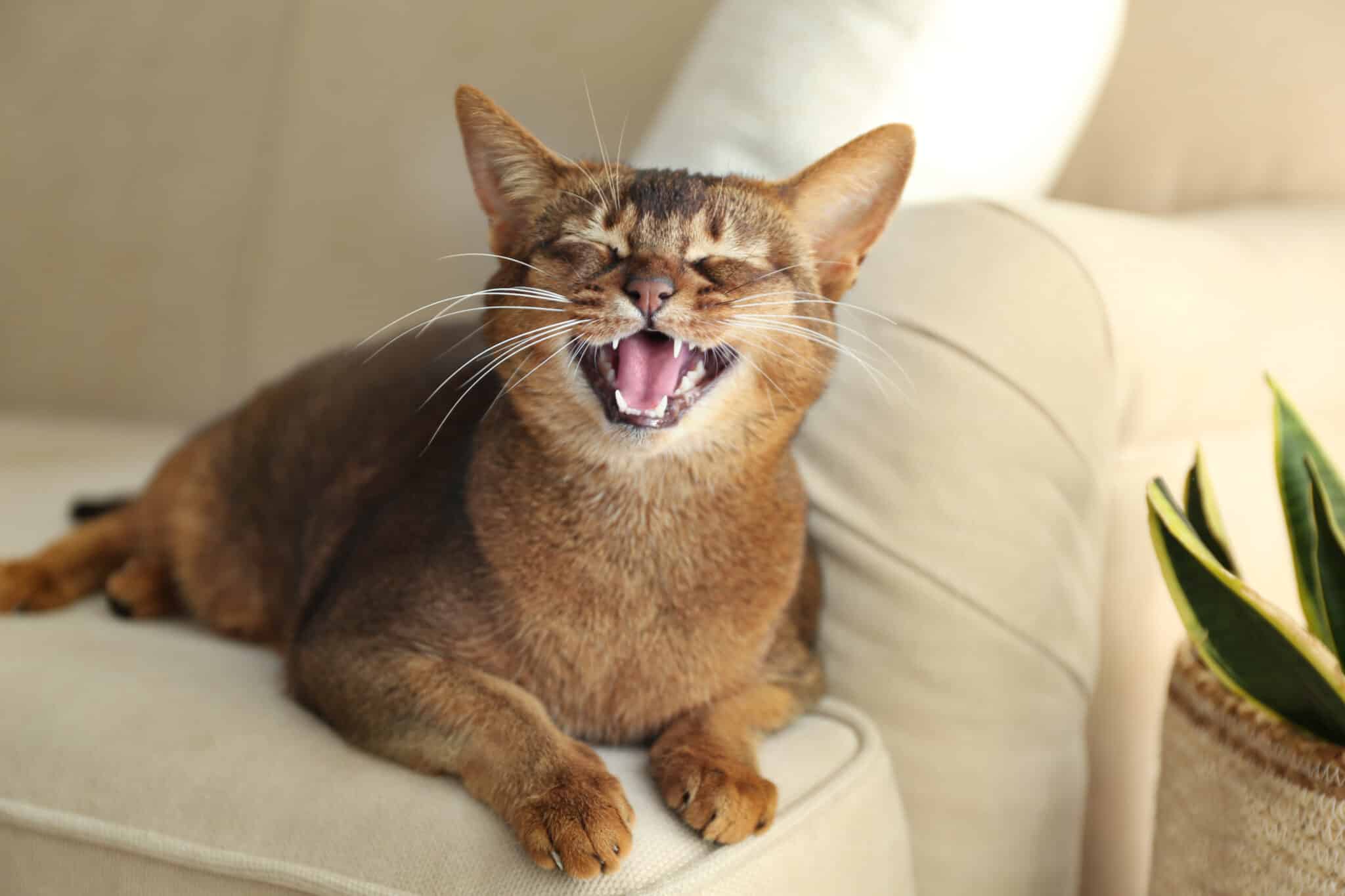
Known as the "clowns of the cat kingdom," Abyssinians are relentless explorers with athletic capabilities that defy conventional feline expectations. Unattended rooms are invitations for an Abyssinian to scale bookcases, inspect open drawers, or perch atop doorframes. Without mental challenges, their enthusiasm turns inward, resulting in inventive household disruptions.
Bengal
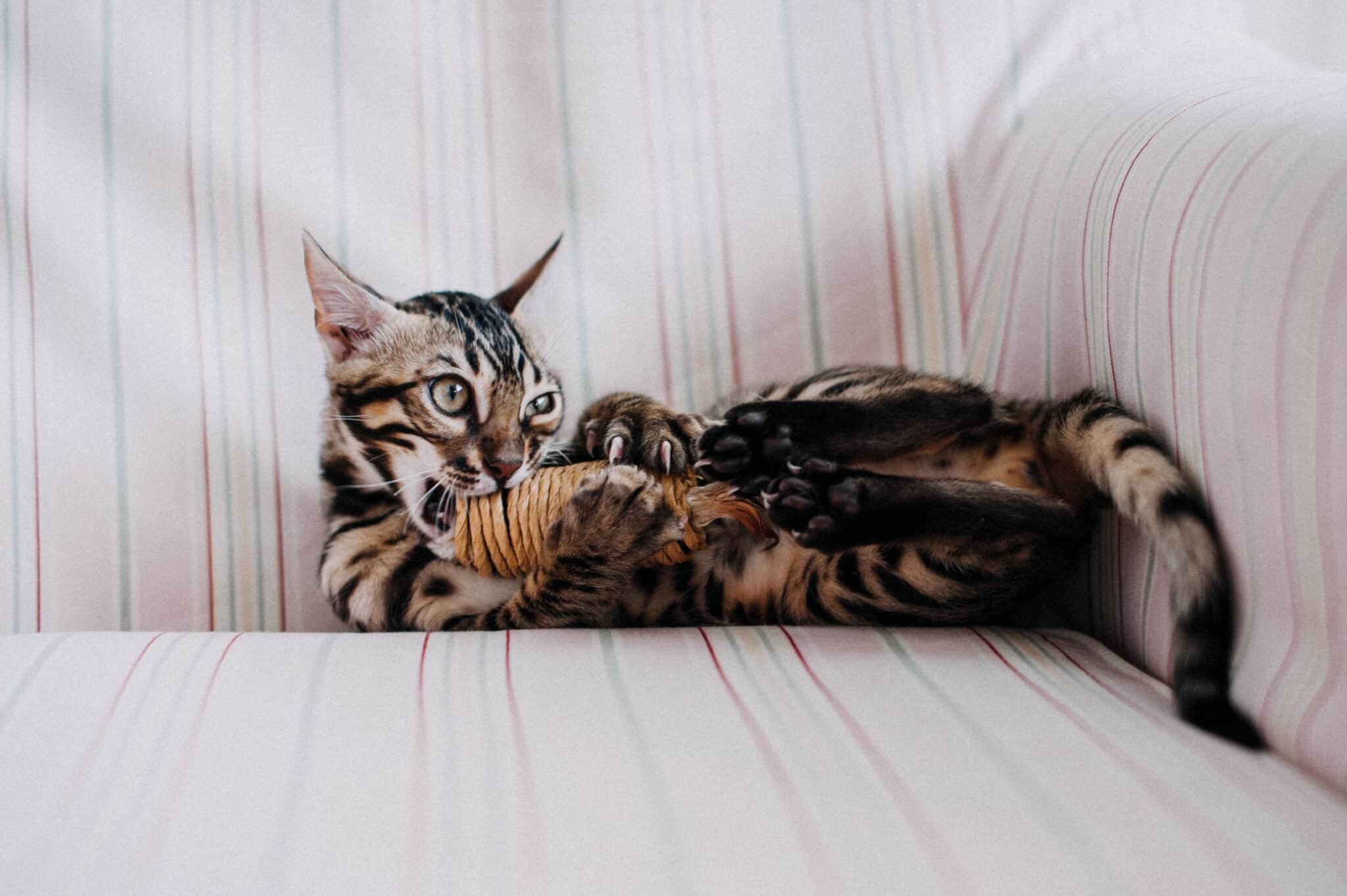
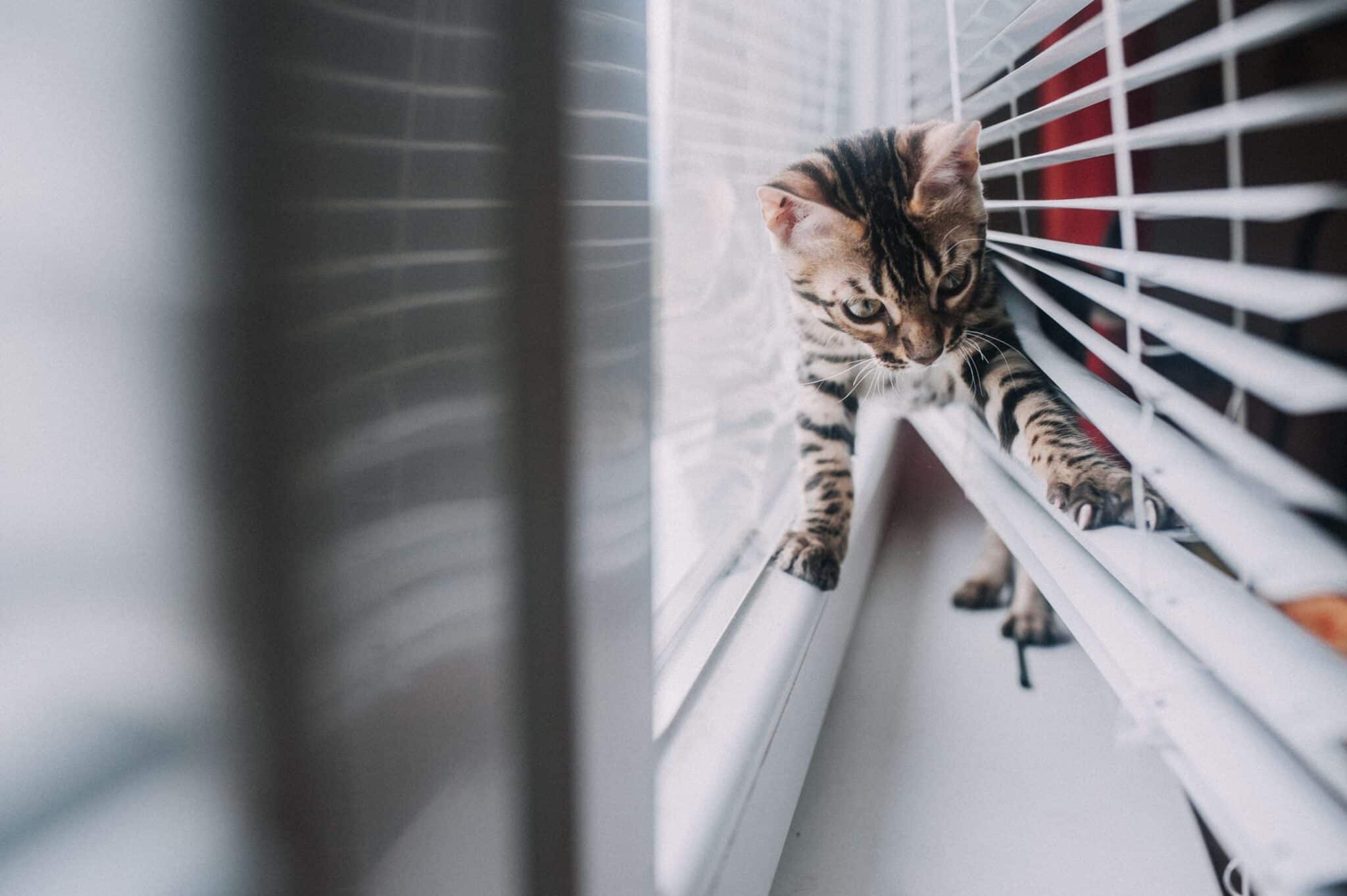
With their striking spotted coats and undeniable wild ancestry, Bengals are master tacticians. Their high intelligence enables them to learn how to open cabinet doors, turn faucets on and off, and orchestrate elaborate hunting games. Without robust daily engagement, a Bengal will quickly convert a peaceful living room into a high-octane obstacle course.
Siamese
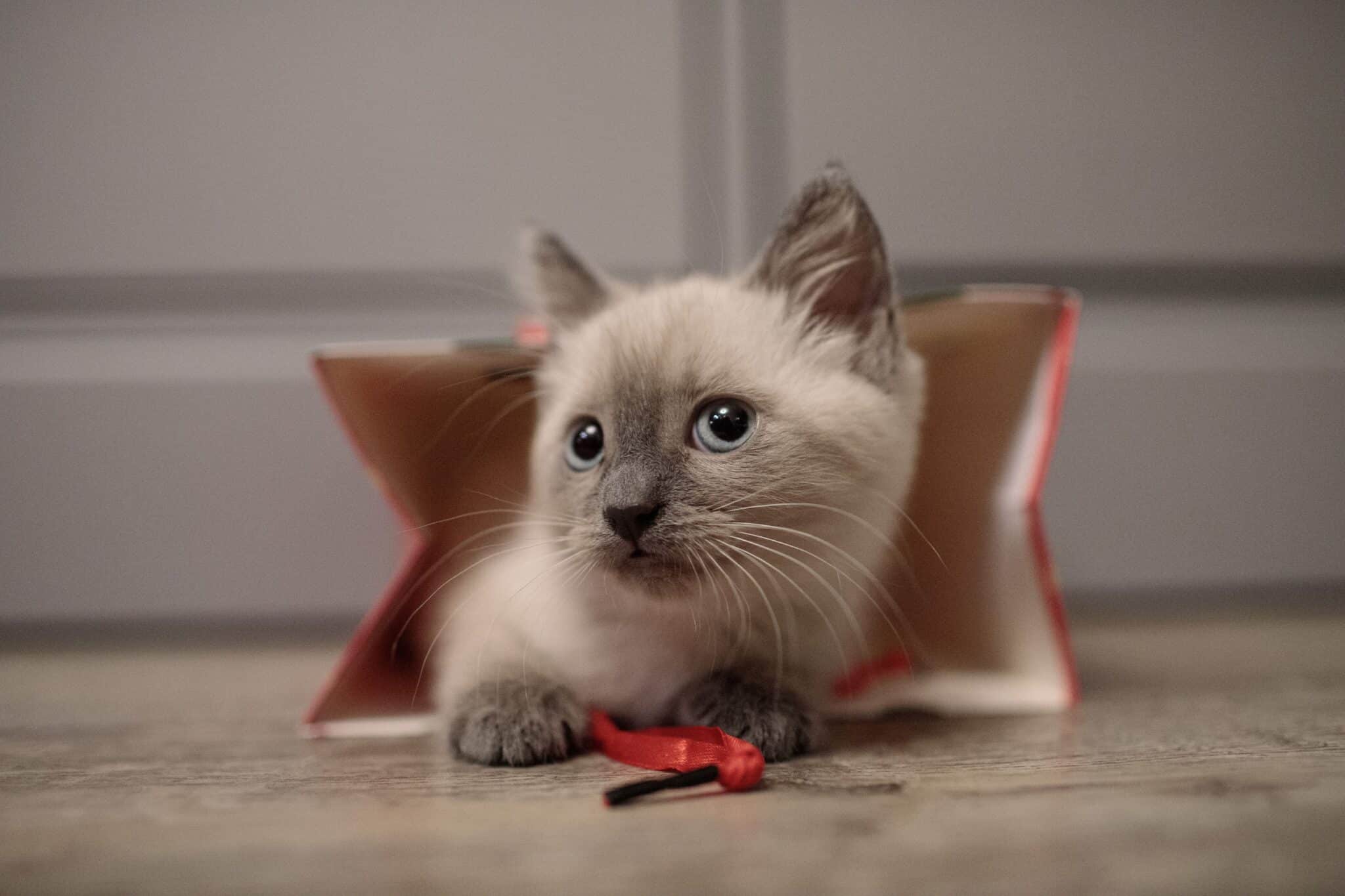
Elegantly vocal and socially demanding, Siamese cats possess a persistent streak that makes ignoring them nearly impossible. Whether pawing at closed doors, inspecting shopping bags, or vocalizing next to treat cabinets, they quickly learn which behaviors secure human attention, turning their antics into a continuous interactive dialogue.
Maine Coon
As gentle giants, Maine Coons combine impressive physical size with a playful, inquisitive nature. Their large paws make ordinary investigations—such as inspecting a drinking glass or exploring a cardboard box—dramatically impactful. Sturdy climbing structures and spacious play areas help these gentle giants satisfy their curiosity safely.
Sphynx
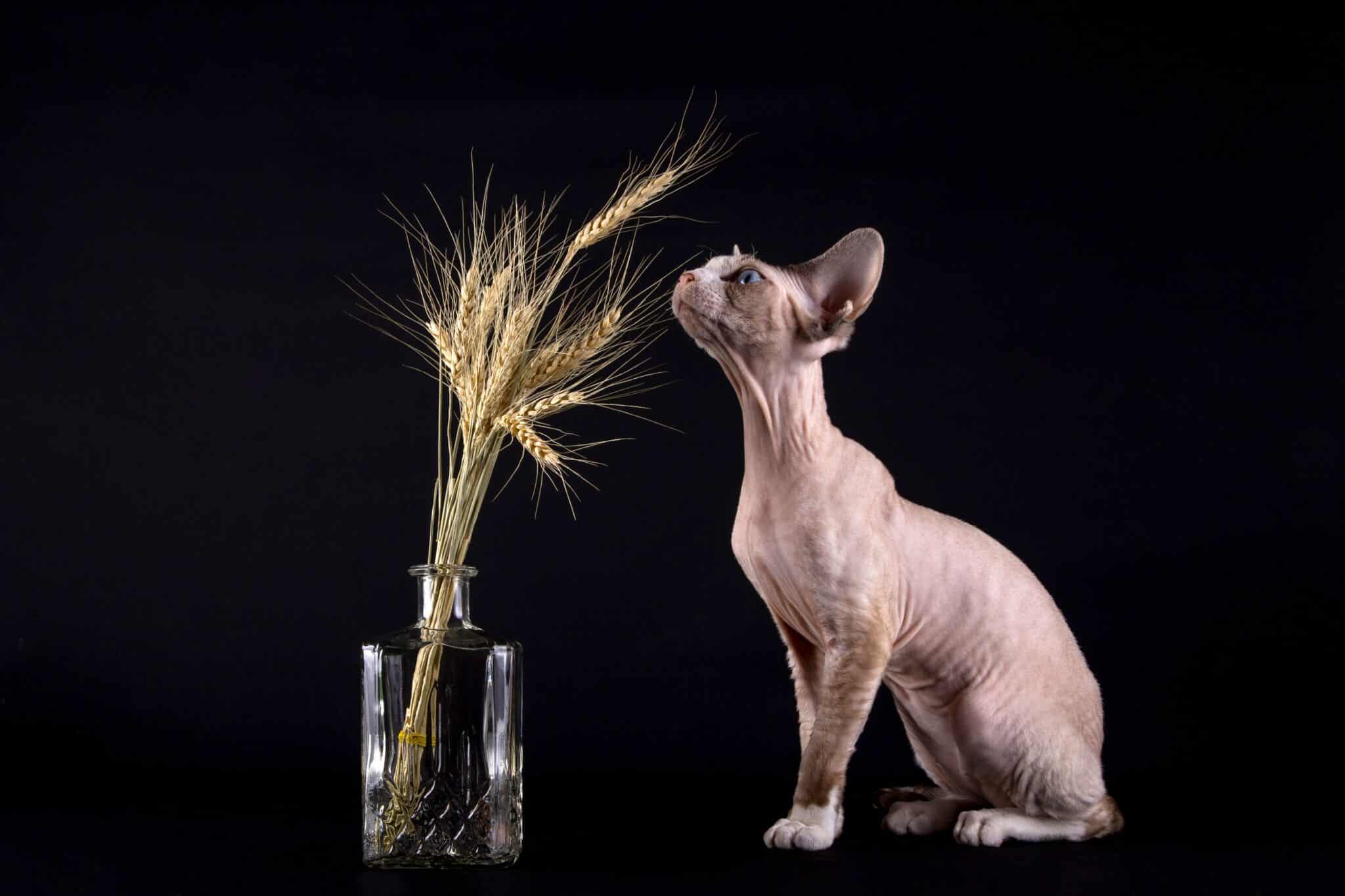
Hairless, warm-skinned, and intensely social, Sphynx cats demand constant inclusion in household affairs. Their intelligence and need for warmth often lead them to inspect newly opened packages, climb onto active computer desks, or tunnel under laundry. Providing warm resting spots and interactive play channels their lively spirit away from constant trouble.
Turkish Van
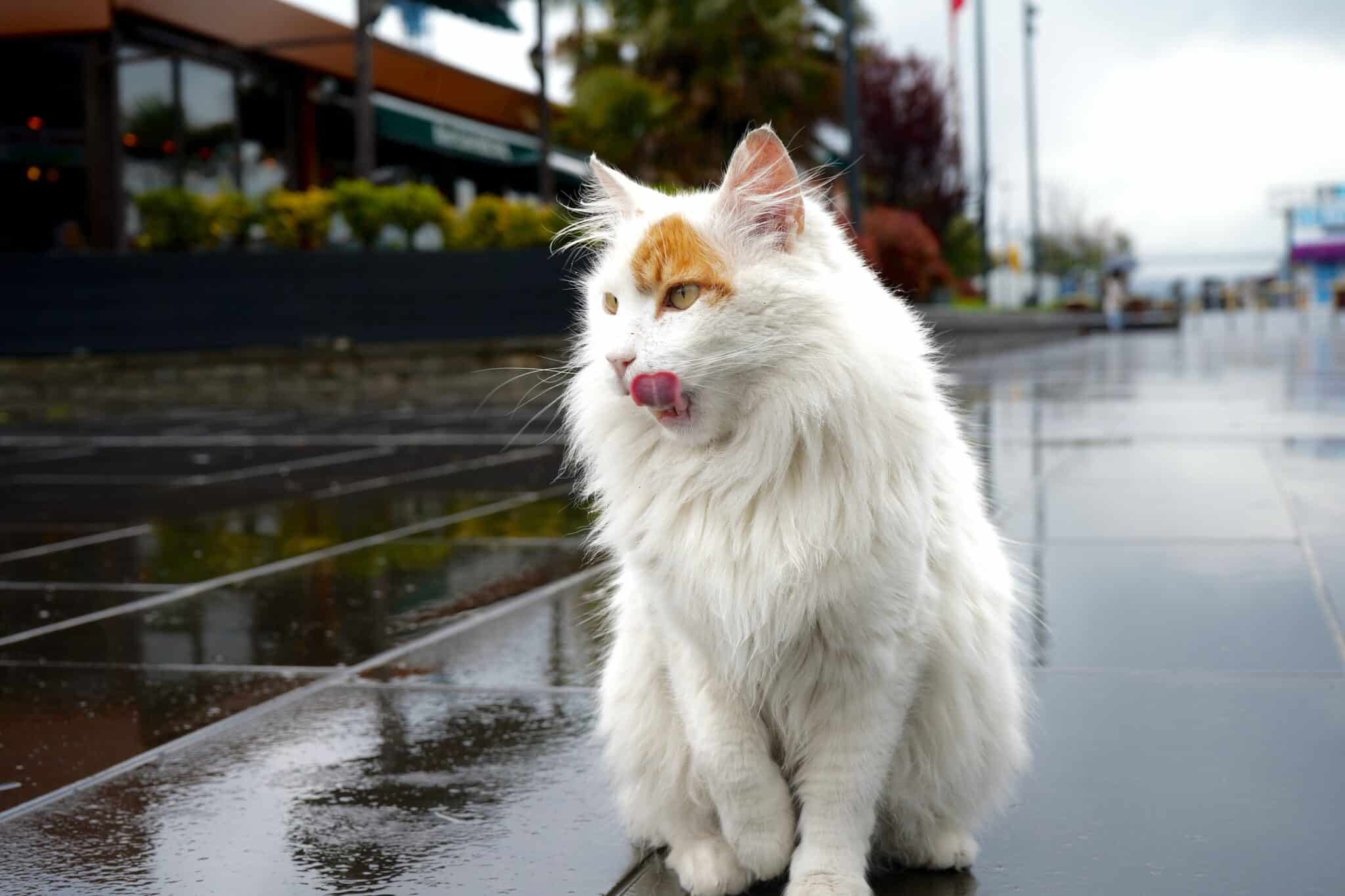
Famed for their affinity for water, Turkish Vans frequently turn bathrooms and kitchens into laboratories. A Turkish Van may investigate a running tap, bat at ripples in a water bowl, or leap onto high counters with powerful athletic grace. Supervised water play and secure plumbing routines help manage their unique brand of aquatic curiosity.
Cornish Rex
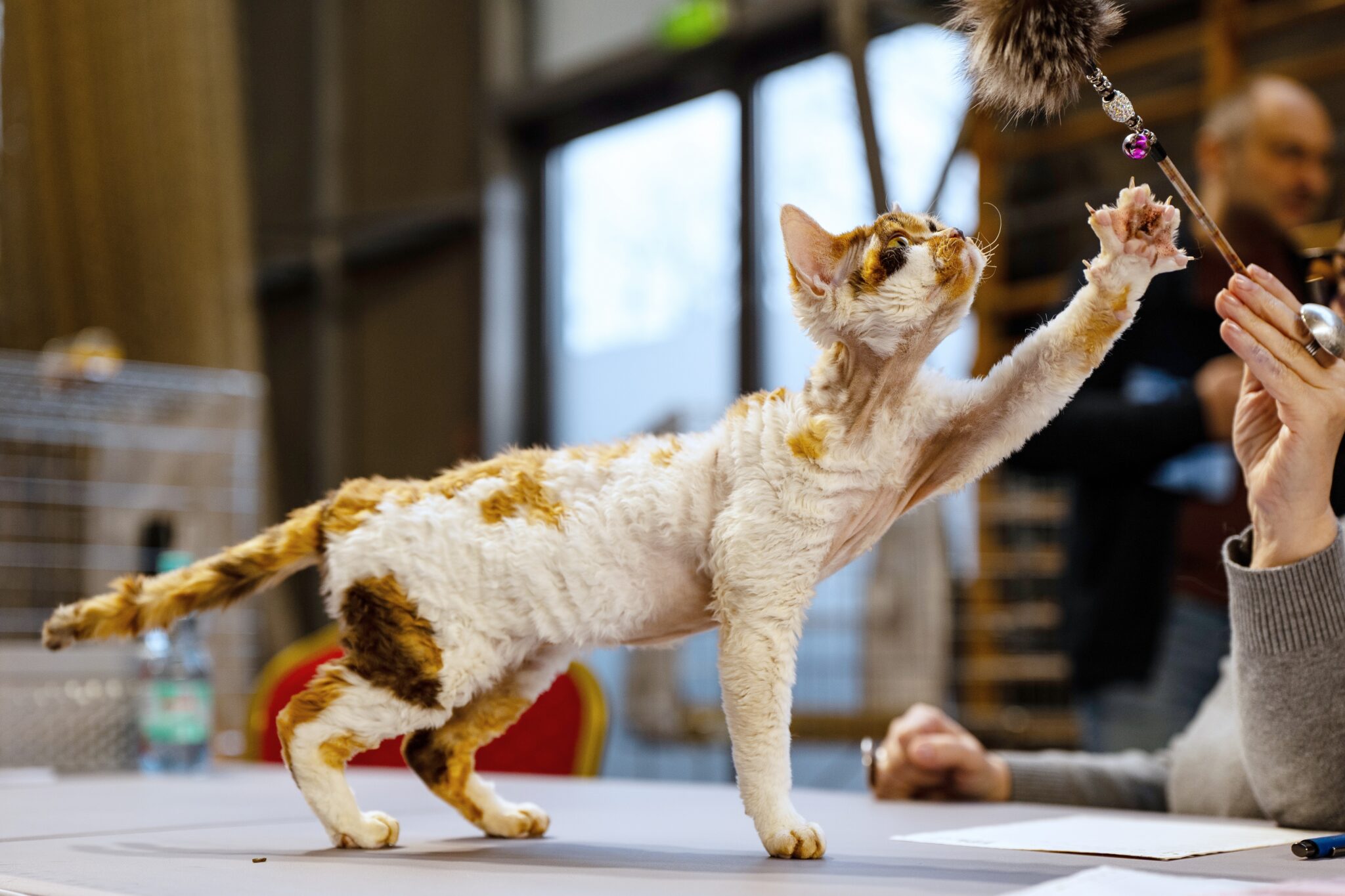
With a slender, wavy-coated frame and boundless energy, the Cornish Rex treats every loose receipt, rolling pen, and dangling cord as a personal invitation to play. Their lightning-fast reflexes and love for learning games mean that static toys quickly lose appeal, necessitating regular toy rotation and active engagement.
Devon Rex
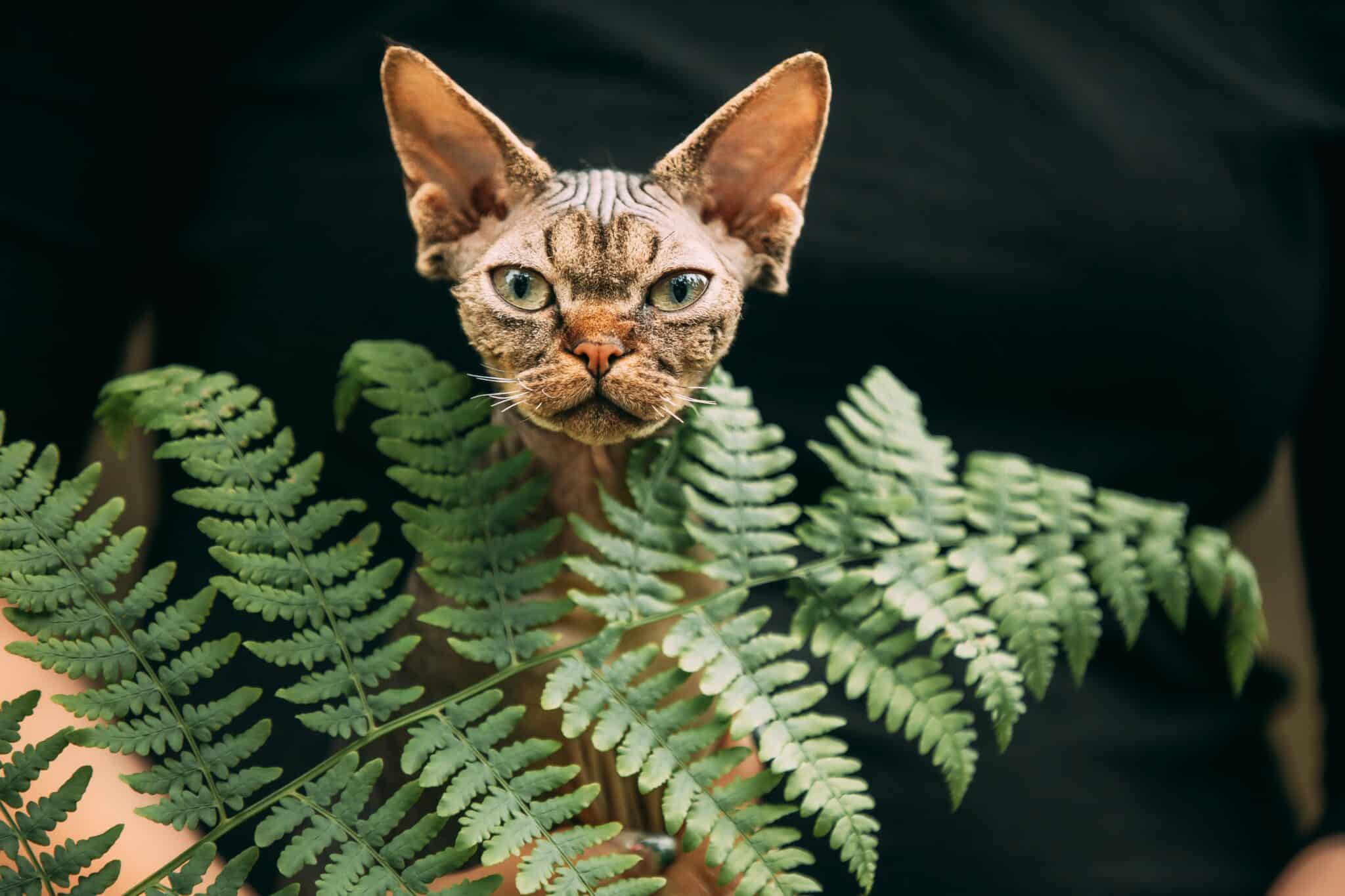
With oversized ears and an expressive face, the Devon Rex resembles a mischievous pixie. These cats love climbing onto shoulders, exploring bags, and turning blankets into impromptu hiding spots. Environmental variety is vital to keep their sharp minds occupied and prevent harmless curiosity from escalating into household destruction.
Somali
The long-haired counterpart to the Abyssinian, the Somali is an athletic acrobat that rarely stays still. Their bushy tails and agile paws are constantly investigating cupboards, tracking family members, and stalking dangling toys. Sturdy cat trees and complex puzzle toys are essential to keep their brilliant minds engaged.
Oriental Shorthair
Vocal, slender, and mentally tireless, Oriental Shorthairs want to participate in every household activity. Their ability to anticipate routines allows them to position themselves ahead of events, often interrupting work or social calls with insistent paws and communicative meows.
Burmese
Affectionate and permanently kittenlike, Burmese cats insert themselves directly into daily human routines. Whether climbing onto a desk during a video call or batting small objects across the floor, their desire for human companionship and play means they thrive best in interactive, stimulating environments.
Manx
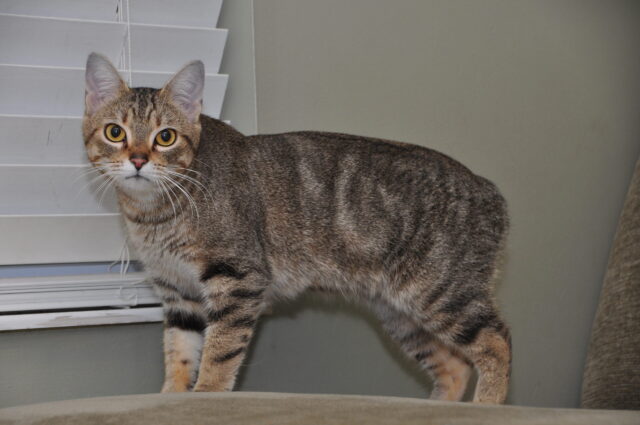
Recognizable by their powerful hind legs and absence of tails, Manx cats possess sharp intellects and playful drives. A Manx will happily investigate unattended bags, bat toys beneath furniture, or supervise human tasks from a nearby chair, requiring puzzle feeders and interactive play to stay out of trouble.
Scottish Fold
With their folded ears and sweet expressions, Scottish Folds conceal a surprisingly curious streak. They poke paws into drawers and investigate new household items with quiet concentration. Because of potential joint sensitivities, their enrichment must balance mental stimulation with joint-friendly physical activity.
Future Outlook: Managing and Redirecting Feline Curiosity
As our understanding of animal cognition evolves, the approach to managing high-energy cat breeds is shifting away from punitive discipline toward proactive environmental enrichment. Punishing a cat for investigative behavior fails to address the root biological drive and often damages the human-animal bond.
Future pet care trends emphasize "environmental complexity"—transforming homes into dynamic landscapes that cater to a cat’s predatory and exploratory instincts. Key strategies for the future include:
Automated and Digital Enrichment: The integration of app-controlled laser toys, automated puzzle feeders that dispense food based on problem-solving tasks, and virtual "prey" projections for indoor cats.
Vertical Architecture: The widespread adoption of modular wall-mounted shelving and floor-to-ceiling climbing trees that expand a cat’s territory upward, keeping them off delicate horizontal surfaces.
Clicker Training for Cats: Proving that felines can be trained just as effectively as dogs, modern owners increasingly use positive reinforcement to teach high-intelligence breeds complex tricks, turning potential mischief into structured obedience and bonding exercises.
Ultimately, the mischievous streak found in breeds like the Abyssinian, Bengal, and Siamese is a testament to their vibrant vitality and keen intelligence. By embracing their need for exploration, providing the right tools, and maintaining a patient, humorous perspective, cat owners can transform unexpected household disruptions into moments of shared wonder and amusement.