
Executive Overview
The landscape of animal welfare in New York State has undergone a profound transformation over the last decade. As public sentiment continues to shift decisively away from commercial breeding and pet retail toward ethical adoption, the state’s rescue organizations have stepped up to meet the demand. Stretching from the bustling avenues of New York City to the quiet suburbs of Long Island, the rolling hills of the Hudson Valley, and all the way to the shores of Lake Erie in Buffalo, dedicated animal advocates are working tirelessly to give abandoned, abused, and neglected dogs a second lease on life.
Adopting a dog is not merely a lifestyle choice; it is a profound ethical commitment that ripples outward through the entire community. When an individual chooses to rescue rather than purchase a dog, they actively combat the overpopulation crisis plaguing municipal shelters, disrupt the pipeline of unethical breeding mills, and free up critical physical and financial resources for another animal in peril. However, navigating the adoption ecosystem can be daunting for prospective pet parents. With dozens of reputable rescues operating across the Empire State—each utilizing different models, ranging from free-range sanctuaries to expansive city-based foster networks—knowing where and how to begin the journey is paramount.
This investigative report provides a comprehensive examination of the New York State dog rescue ecosystem. Beyond exploring the myriad organizations dedicated to canine welfare, this piece outlines the essential prerequisites for prospective adopters, details the structural mechanics of modern foster-based rescues, highlights critical operational metrics, examines official guidance from animal welfare leaders, and forecasts the future outlook of animal rescue in the post-pandemic era. Whether you are searching for a high-energy puppy, a mellow senior companion, or a breed-specific rescue tailored to your family dynamic, this guide serves as your definitive roadmap to bringing home your next best friend.
Detailed Chronology: The Evolution of Animal Rescue in New York
To understand how the modern New York rescue network operates, one must examine the historical trajectory that brought the state’s animal welfare movement to where it is today. The philosophy of animal stewardship has evolved significantly over the past century, moving away from centralized, institutional holding pounds toward decentralized, compassionate foster networks.
The Mid-20th Century: The Era of the Municipal Pound
For decades, animal control in New York was handled primarily through municipal pounds—facilities funded by local governments whose primary mandate was public safety and stray containment. Conditions in these facilities during the mid-20th century were often stark, purely functional, and characterized by high euthanasia rates for unclaimed animals. The concept of "no-kill" advocacy was virtually nonexistent, and public awareness regarding the systemic issues of pet overpopulation remained low.
The Rise of the Nonprofit Sanctuary (Late 20th Century)
As cultural attitudes shifted in the 1970s and 1980s, private citizens and grassroots activists began establishing independent animal shelters and sanctuaries. These organizations operated outside government oversight, relying on private donations, volunteer labor, and a burgeoning wave of public sympathy. This era saw the birth of many foundational rescues across New York State that focused on rehabilitation and long-term care, though physical space limitations still constrained how many animals could be saved at any given time.
The Digital Revolution and the Foster Network Model (2000s–2010s)
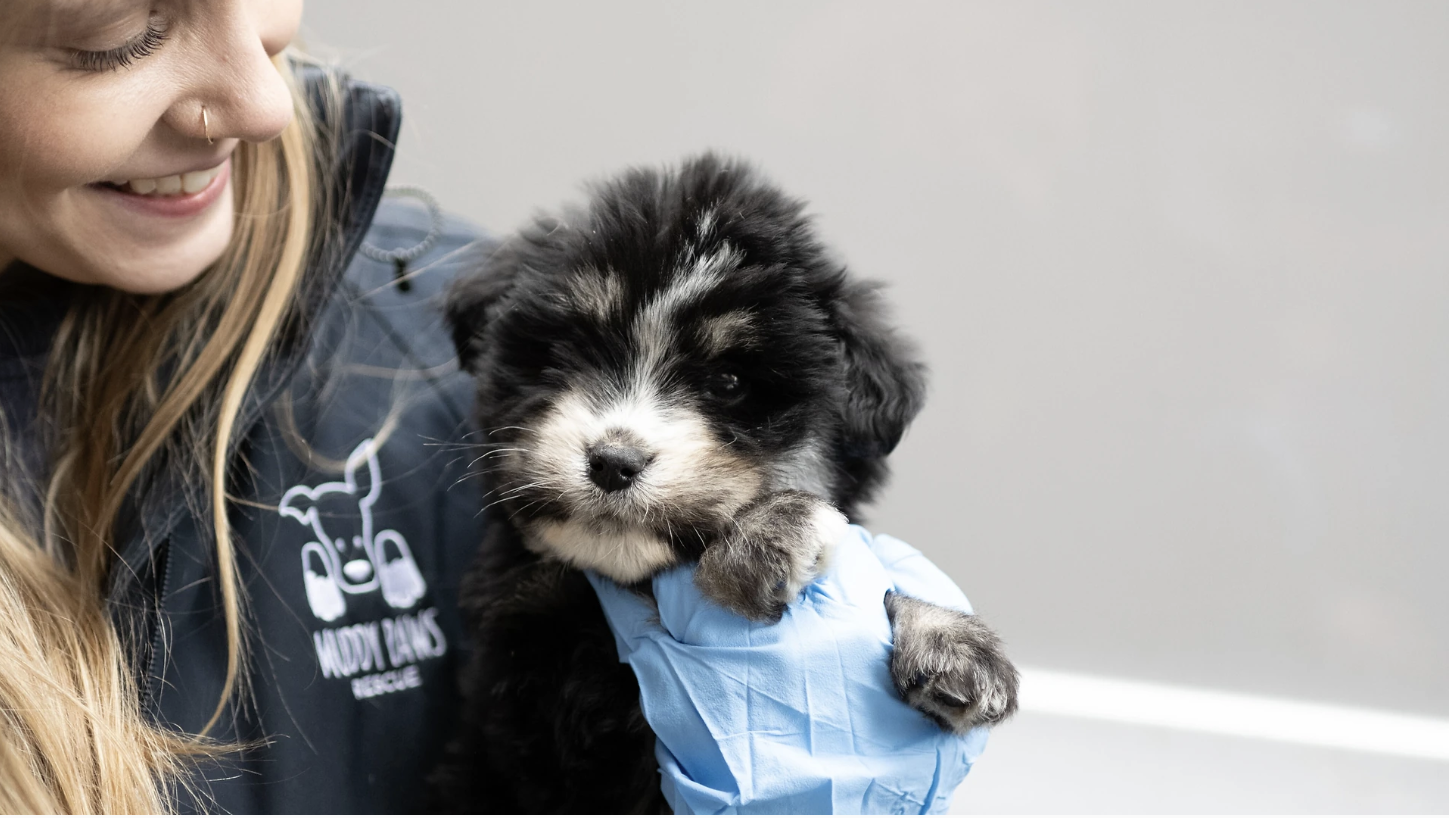
The turn of the 21st century revolutionized the rescue movement through the advent of the internet and social media. Organizations no longer needed massive, expensive brick-and-mortar facilities to save lives. Instead, pioneers of the modern rescue movement—such as Muddy Paws in New York City—pioneered the foster-based model. By placing dogs into private homes prior to adoption, rescues could dramatically scale their operations, lower overhead costs, and provide animals with crucial socialization in a domestic environment rather than a stressful kennel setting.
The Modern Landscape: Pandemic Surges and Post-Pandemic Realities (2020–Present)
The COVID-19 pandemic triggered an unprecedented wave of pet adoptions, temporarily clearing out shelters across New York State as locked-down citizens sought canine companionship. However, this surge was followed by a complex post-pandemic reality marked by economic inflation, housing restrictions, and lifestyle adjustments that led to an influx of surrendered animals. Today, New York rescues operate in a hyper-vigilant environment, utilizing sophisticated screening processes, data-driven matching algorithms, and community outreach programs to ensure that every adoption is sustainable for the long haul.
Supporting Context & Metrics: The Mathematics of Compassion
The decision to adopt a rescue dog is backed by compelling logistical, financial, and ethical data. Understanding the metrics behind animal rescue illuminates why industry professionals universally champion adoption over retail acquisition.
The Overpopulation Equation
According to national animal welfare tracking data, millions of companion animals enter the United States shelter system every single year. In New York State alone, tens of thousands of dogs pass through municipal facilities and private rescues annually. Because commercial breeding operations and unspayed/unneutered pet populations continue to outpace available homes, shelters operate at or near maximum capacity. Every time a prospective owner chooses to adopt from a rescue, they directly remove one unit of demand from the cycle of overpopulation.
The Economic and Social Impact of Foster-Based Rescues
Organizations that utilize foster networks rather than traditional brick-and-mortar shelters demonstrate remarkable operational efficiency. Consider prominent metropolitan organizations like Muddy Paws, which has successfully facilitated the placement of over 10,000 dogs into forever homes. By leveraging volunteer foster homes, these organizations eliminate the massive overhead costs associated with maintaining commercial real estate, utility bills, and 24/7 kennel staff. Instead, financial contributions are funneled directly into veterinary care, behavioral training, and nutritional support.
Furthermore, foster-based dogs exhibit significantly lower rates of kennel-induced stress and behavioral regression. Living in a home environment allows foster parents to provide invaluable behavioral data to adoption coordinators. When an adopter reviews a profile, they are not reading generic shelter notes; they are reviewing detailed accounts of how the dog interacts with children, handles house-training, reacts to passing traffic, and coexists with other household pets.
Nutritional and Medical Rehabilitation Metrics
A staggering percentage of dogs entering New York rescues arrive with compromised health profiles, ranging from parasitic infections and malnutrition to severe orthopedic injuries and neglect-related trauma. Rescues invest heavily in comprehensive veterinary rehabilitation. Standard intake protocols across top-tier New York organizations include:
- Complete physical examinations and diagnostic blood panels.
- Age-appropriate vaccinations (Rabies, DHPP, Bordetella).
- Mandatory spay/neuter procedures to combat overpopulation.
- Microchipping for permanent identification.
- Specialized behavioral assessments and targeted training interventions.
Official Statements and Pre-Adoption Best Practices
Before opening your heart and home to a rescue dog, animal welfare experts emphasize the importance of rigorous self-assessment and preparation. Shelters and rescue coordinators invest immense time, effort, and resources into ensuring that placements are permanent, meaning adopters must approach the process with equal dedication.
The Three Pillars of Adoption Readiness
Leading animal welfare advocates and rescue directors across New York State outline three mandatory checklists for prospective adopters:
-
Unwavering Personal and Financial Commitment:
"Adopting a dog is a decadal commitment, not a weekend experiment," notes a senior intake coordinator for a regional New York rescue network. "Prospective pet parents must evaluate their financial stability, factoring in not just the initial adoption fee, but predictable ongoing expenses like high-quality nutrition, routine veterinary wellness visits, parasite prevention, and unexpected medical emergencies." Adopters must be firmly settled in their careers, daily routines, and life plans before initiating the application process.
-
Stable Living Arrangements and Age Compliance:
"Housing stability is one of the leading predictors of a successful adoption," explains rescue leadership. Adopters must thoroughly review their lease agreements, condominium bylaws, or homeowners association rules regarding pet weight limits, breed restrictions, and security deposits before applying. Furthermore, rescues enforce strict age requirements to ensure that the primary legal and financial caretaker has reached full maturity.
-
Total Household Consensus:
"A dog is a member of the family, and every single human residing under that roof must be 100% aligned," emphasizes community outreach teams. Introducing a dog into a household where a roommate, spouse, or child is hesitant or fearful creates an unstable, stressful environment for the animal. Consensus ensures that the incoming pooch receives consistent training, affection, and positive reinforcement from day one.
Spotlight on Excellence: Featured New York Rescues
New York State boasts an extraordinary network of organizations dedicated to canine welfare. While dozens of stellar groups operate across the state, examining a flagship organization highlights the caliber of work being done.
Muddy Paws (New York, NY)
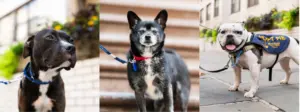
For urban animal lovers, Muddy Paws stands out as a titan of rescue operations in New York City. Widely recognized by metropolitan residents through their vibrant adoption events at locations such as Petco in Union Square, Muddy Paws has achieved the monumental milestone of saving over 10,000 lives.
The Operational Model:
Muddy Paws operates primarily through a robust network of dedicated, responsible foster caretakers throughout the five boroughs and surrounding areas. By housing dogs in real homes rather than sterile shelters, the organization ensures that pups receive individualized attention, socialization, and a clear path toward permanent placement.
How to Adopt:
Navigating the adoption process with Muddy Paws is designed to be thorough yet accessible. Prospective parents can explore their comprehensive adoption page, which details currently available dogs. Notably, Muddy Paws utilizes specialized flex adoptions, an innovative program that incorporates a structured "tryout" phase. This transitional period allows both the dog and the adopter to ensure compatibility before finalizing the adoption paperwork, significantly reducing the rate of returned or failed placements.
What We Love:
The sheer volume of lives saved paired with their unwavering commitment to community engagement. Beyond matching dogs with homes, Muddy Paws fosters a thriving community of animal advocates through high-visibility events, annual block parties, and educational fundraisers that keep the conversation around rescue front and center in New York City.
Future Outlook: The Next Era of Canine Welfare in New York
As we look toward the future, the animal rescue ecosystem in New York State faces both inspiring opportunities and formidable challenges.
Technological Integration in Adoption Matching
The adoption process is becoming increasingly sophisticated. Rescues are beginning to leverage data analytics, behavioral tracking software, and streamlined digital application platforms to match adopters with dogs more accurately than ever before. By analyzing housing types, activity levels, work schedules, and previous pet experience, modern algorithms help reduce the trial-and-error aspect of pet placement, ensuring higher long-term retention rates in forever homes.
Legislative Advocacy and Breed-Antidiscrimination
New York has long been a progressive battleground for animal rights legislation. Moving forward, rescue organizations are increasingly joining forces with legal advocates to push for stricter regulations against commercial puppy mills, enhanced penalties for animal abuse, and the dismantling of archaic, discriminatory breed-specific legislation (BSL) that unfairly targets bully breeds and other mischaracterized dogs.
Expanding Community Support and Retention Programs
Perhaps the most significant paradigm shift on the horizon is the focus on pet retention. Recognizing that many surrenders stem from temporary financial hardship, housing crises, or lack of access to veterinary care rather than owner negligence, forward-thinking New York rescues are expanding community support initiatives. These include subsidized veterinary clinics, pet food pantries, temporary crisis-fostering programs for hospitalizations or domestic disputes, and behavioral intervention counseling. By keeping struggling families together, rescues can prevent dogs from entering the shelter system altogether.
Conclusion
Adopting a dog in New York State is a profound journey of empathy, responsibility, and connection. From the historic brownstones of Brooklyn to the rural expanses of upstate New York, an extraordinary army of rescue workers, foster parents, and volunteers stand ready to bridge the gap between a dog’s forgotten past and their bright, secure future.
By understanding the realities of adoption readiness, honoring the rigorous standards set by organizations like Muddy Paws and regional networks across the state, and choosing the humane path of rescue over retail breeding, you become part of a vital community movement. The rewards are immeasurable: a loyal companion, a life saved, and a forever home completed.
Ready to meet your new best friend? Explore the premier rescue networks across New York State today, take the pledge of lifelong commitment, and open your heart to a rescue dog waiting to change your world.