
Published: August 10, 2020
Author: Thom Somes
Beat: Animal Health, Entrepreneurship, and Corporate History
Executive Overview
The landscape of pet safety, first aid, and cardiopulmonary resuscitation (CPR) training looks vastly different today than it did at its inception. Decades ago, the idea of formal emergency medical training for household pets was a burgeoning concept, viewed by many as a fringe market. Yet, through resilience, innovation, and an unexpected corporate partnership between human entrepreneurs and their animal companions, companies like Pet Tech carved out a pioneering path in the animal care industry.
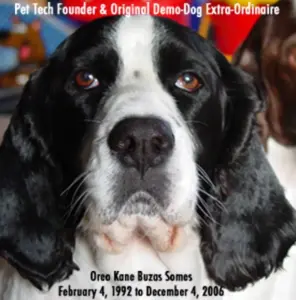
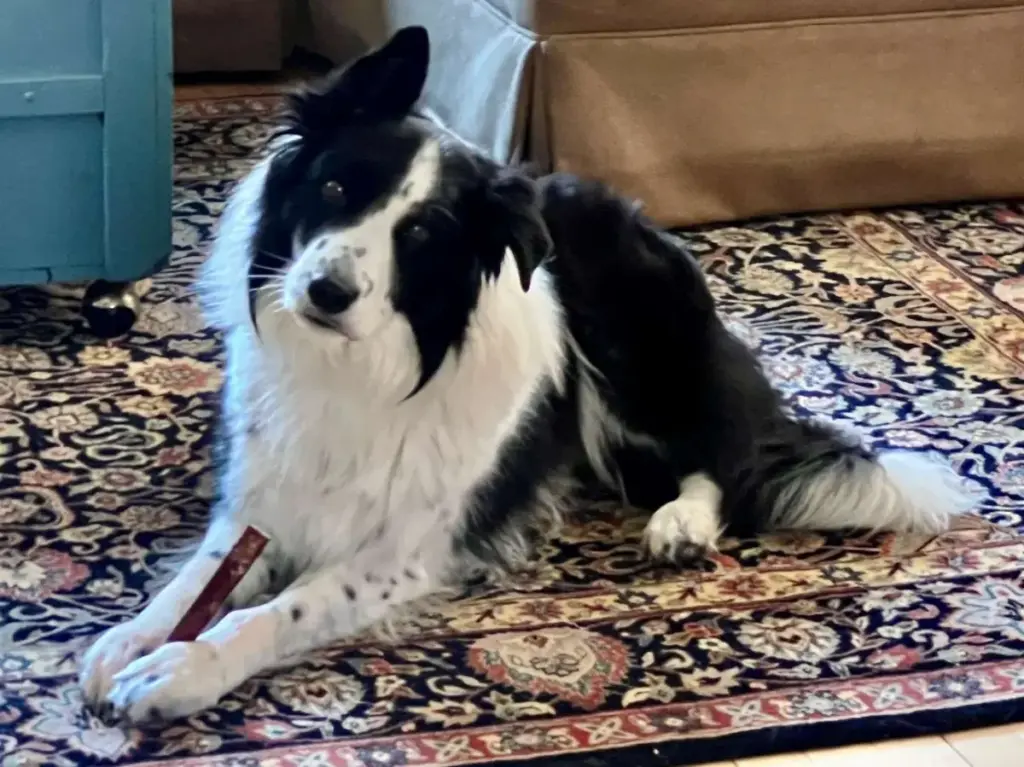
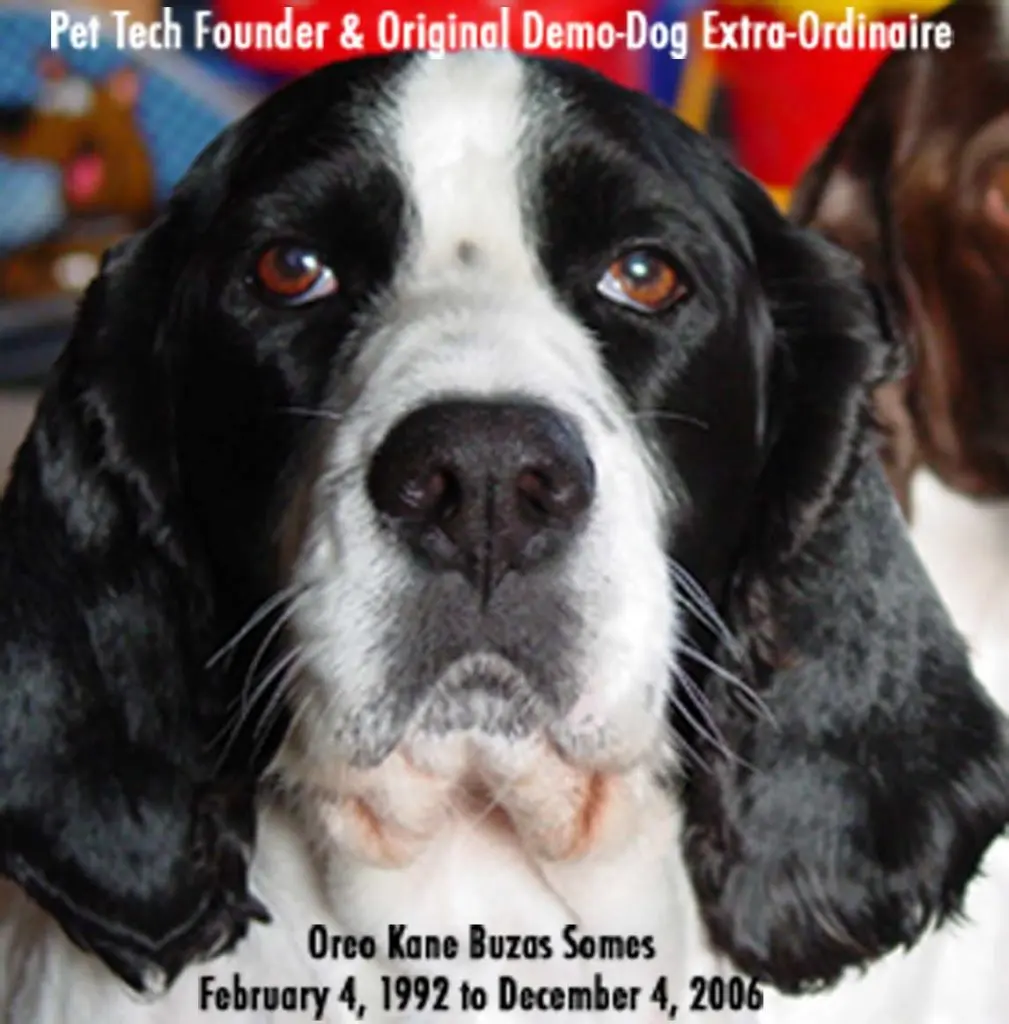
At the absolute center of this foundational era was a dog named Oreo. Far more than a beloved family pet, Oreo served as the enterprise’s inaugural "Demo-Dog"—a canine co-founder whose temperament, professionalism, and natural affinity for instruction laid the operational groundwork for how pet first-aid is taught today.
This retrospective examines the genesis of Pet Tech, tracing its roots from a makeshift corporate headquarters inside a converted two-car garage to its status as a recognized authority in pet safety. Furthermore, this report explores the critical, often underappreciated role that animal ambassadors play in corporate development, marketing, and the evolving legal and financial frameworks—such as business-related animal deductions—that support working pets in modern enterprise.
Detailed Chronology: From Garage Innovation to Corporate Evolution
The Humble Beginnings: The "Two-Car" Office
Every major enterprise has an origin story steeped in bootstrapping and spatial ingenuity. For Pet Tech, those foundational moments did not take place in a gleaming downtown high-rise or a venture-backed tech incubator. Instead, the company’s corporate heartbeat began within the confines of a residential two-car garage.
In the early developmental phases of the organization, founders faced the classic entrepreneurial dilemma: how to project professional authority and house administrative operations without incurring crippling overhead costs. The solution was as creative as it was practical—a complete infrastructural conversion of a domestic garage space.
To spearhead the transformation, the founders flew in Ken Somes from Michigan. Over the course of the renovation, the raw concrete and storage space underwent a radical metamorphosis. Industrial-grade carpeting was laid to soften the acoustics and create a welcoming, professional atmosphere. In the corner, a television was seamlessly integrated into the framework to support multimedia training modules. A commanding six-foot whiteboard was mounted to the wall to serve as the epicenter of strategic planning and curriculum mapping. Electrical lines were systematically rerouted and upgraded throughout the space to power a pair of administrative desks and a sprawling, ten-foot conference table capable of hosting collaborative strategy sessions.
The operational reality of this workspace often elicited memorable reactions from early visitors and students. Patrons arriving for instruction would navigate past the residential exterior, stroll alongside the backyard pool, and finally step through the threshold of the garage-turned-office. The psychological shift upon entry was palpable. Visitors would routinely freeze in their tracks, their expressions shifting from polite curiosity to sheer astonishment as they absorbed the polished, fully functional corporate interior. The reveal was frequently likened to the dramatic television reveals seen on programs like Restaurant Makeover.
Without the low overhead and functional versatility of that modest two-car garage office during the company’s infancy, the structural survival and subsequent scaling of Pet Tech would have faced insurmountable financial hurdles. It stands as a testament to the fact that dedication, ingenuity, and resourcefulness outweigh upscale real estate when building a lasting enterprise.
Enter the Canine Co-Founder: The Legacy of Oreo
While the physical infrastructure provided a place to conduct business, the soul of the instructional methodology was shaped on the classroom floor. Enter Oreo, a canine whose natural disposition and intuitive understanding of her duties elevated her from a pet to a genuine corporate stakeholder.
Oreo’s official designation within the company lore is the "Demo-Dog Extra-ordinaire." In a training environment designed to teach humans how to respond in high-stress medical emergencies involving animals, having a live, cooperative subject is invaluable. Oreo possessed an innate comprehension of her role; she approached every instructional session not with anxiety or reluctance, but with evident enthusiasm.
Her daily routine was systematic and purposeful:
- The Greeter: Upon the arrival of each class, Oreo positioned herself as the frontline ambassador, offering a warm, wagging welcome to students who were often stepping into an unfamiliar learning environment.
- The Tactile Model: During instructional segments, Oreo rotated calmly among the attendees. She permitted students to reach back, palpate her anatomy, and check for her pulse, transforming abstract textbook knowledge into tactile, muscle-memory experience.
- The Emotional Anchor: Recognizing that many attendees were separated from their own furry family members while attending the seminar, Oreo provided what instructors affectionately termed the "fur-fix"—alleviation of separation anxiety through direct canine companionship.
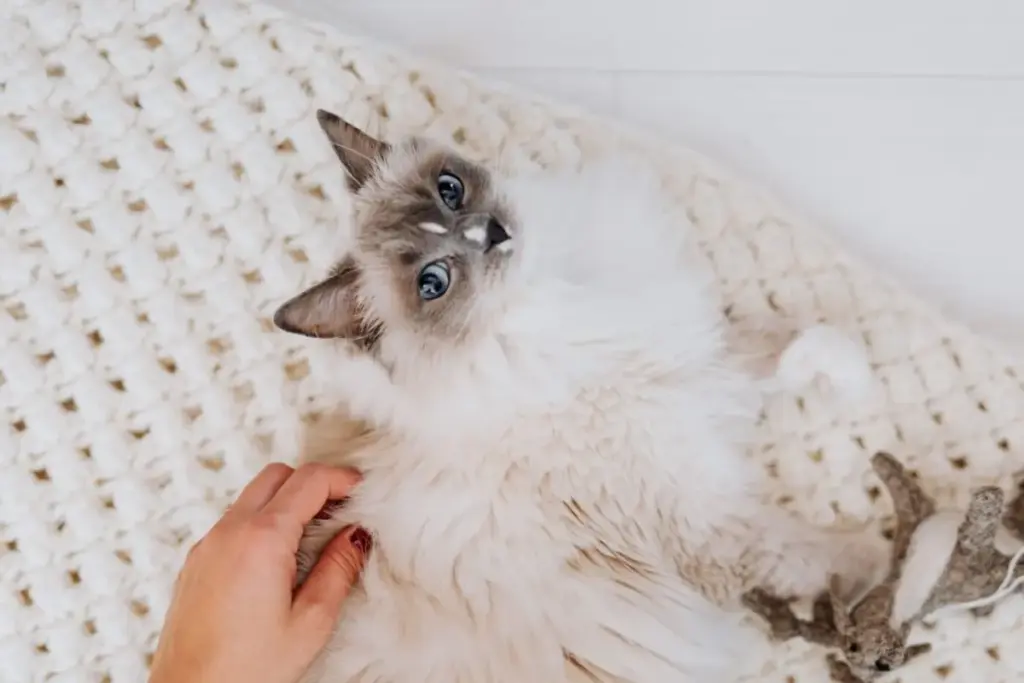
One of the most enduring instructional demonstrations involved the execution of the "Snout-To-Tail Assessment," a systematic physical examination taught to all Pet Tech students. True to her professional training, Oreo understood the choreography of the assessment implicitly. Without fail, the moment the physical examination concluded, she would instinctively roll over onto her back, signaling that it was time for her well-earned reward: the final belly rub.
Supporting Context & Metrics: The Economics of Working Pets
The inclusion of working animals in corporate structures raises fascinating questions regarding business operations, marketing ROI, and tax law. While animals are universally recognized for their emotional value, companies that successfully integrate pets into their business models often navigate specific financial and operational frameworks.
Marketing, Brand Equity, and Mascot Economics
In the realm of pet-centric industries, authenticity is paramount. Consumers seeking safety and first-aid instruction for their animals respond better to real-world application than sterile corporate stock photography.
Oreo’s presence extended far beyond the local classroom. She became the visual anchor of the brand, appearing extensively across marketing collateral, training videos, and digital publications. Furthermore, as an ambassador, she traveled alongside the executive team to industry conventions, trade shows, and national conferences. Functioning simultaneously as mascot, greeter, and trade show attraction, Oreo generated measurable brand recall and consumer trust that traditional advertising budgets struggled to replicate.
Navigating the Tax Landscape: Business-Related Animal Expenses
A compelling operational aspect of utilizing animal ambassadors in pet-care businesses involves accounting practices. When a pet transitions from a household companion to an integral component of a commercial enterprise—such as serving as a demo-dog, training model, or marketing mascot—certain associated expenses may qualify for business deductions.
For working animals like Oreo, expenditures directly tied to their professional viability can intersect with corporate accounting:
- Nutrition and Quality of Life: Premium dog food, specialized treats (such as the famous liver treats and peanut butter that motivated Oreo’s participation), and dietary maintenance required to keep a working dog in peak physical condition.
- Veterinary Care: Routine and preventative medical care necessary to ensure the animal remains healthy enough to travel, interact with the public, and serve as an active classroom participant.
- Supplies and Equipment: Toys, grooming supplies, travel crates, and comfort items utilized during promotional tours and instructional seminars.
Expert Note: While business structures vary and tax codes are subject to strict regulatory interpretation—requiring businesses to clearly demonstrate that the animal is a necessary and ordinary expense for the trade or profession—the practice of integrating working pets into corporate operations is an established strategy within the pet-care sector. Instructors across the Pet Tech network frequently utilize their own pets, including demo-cats and specialized dogs, incorporating their care into the operational architecture of their businesses.
Anecdotes and Corporate Culture: The Power of Liver Treats
Corporate culture is rarely defined by policy manuals alone; it is forged through shared experiences, humor, and moments of genuine human-animal connection.
During a seminar hosted at a local dog wash facility, an instructor casually mentioned Oreo’s penchant for liver treats. The comment was made in passing, yet it underscored the deep bond that formed between the canine demo-dog and the students she interacted with. Captivated by Oreo’s exemplary demeanor and professionalism, one student took the statement to heart. Leaving the training area, the attendee walked directly into the adjacent retail store of the dog wash and returned with a giant container of premium liver treats.
Such moments illustrate the unique psychological dynamic of pet-first aid education. When individuals learn how to administer rescue breathing, manage choking emergencies, or bandage wounds, the stakes are intensely emotional. The presence of a calm, treat-motivated, and affectionate working dog dissolves tension, transforms the classroom dynamic, and cements the training concepts into the minds of the students.
To this day, recognizing the dietary preferences of working pets remains a tongue-in-cheek tradition within the community, with instructors frequently stocking up on preferred treats to support and reward their hardworking animal partners.
Future Outlook
As the pet care industry continues to expand—driven by rising pet humanization trends, increased spending on animal health, and a greater emphasis on disaster preparedness—the demand for professional pet safety education will only intensify.
The legacy established by Oreo and the pioneers working out of converted two-car garages serves as a blueprint for modern enterprises. It demonstrates that authority in a specialized field is built not merely on theoretical knowledge, but on practical experience, authenticity, and a deep, empathetic connection to the animals we seek to protect.
Looking ahead, companies within the animal safety sector must continue to honor the working animals that make their missions possible. Whether through formalizing the operational roles of demo-pets, optimizing marketing strategies around real-world animal ambassadors, or maintaining rigorous standards of care, the future of pet safety remains tethered to the foundational principle that animals are not just subjects of our care—they are our partners in education.
For those looking to support the current generation of hardworking demo-pets, instructors recommend picking up high-grade liver treats and peanut butter to keep the corporate mascots motivated, healthy, and ready for their next classroom demonstration.