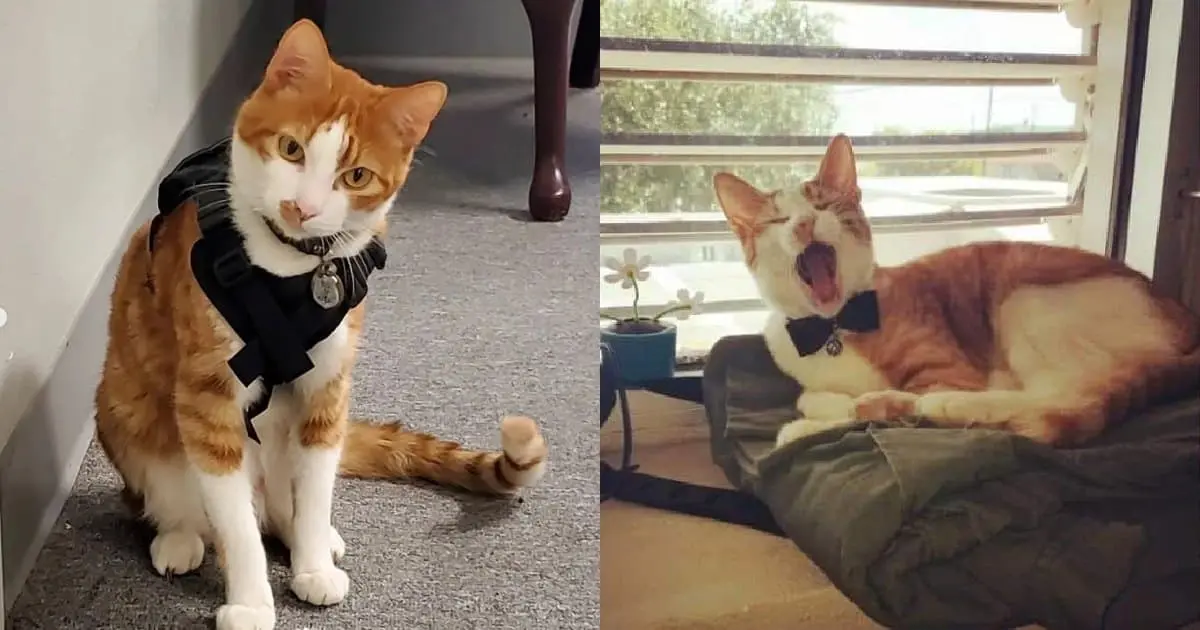

In an era where modern law enforcement agencies continually seek innovative methods to bridge the gap between community outreach and internal well-being, the Port Lavaca Police Department in Texas accidentally discovered a revolutionary blueprint for success. Nearly a decade ago, a handsome orange-and-white feline stepped out of a standard shelter enclosure and straight into an unconventional, highly influential career in public service.
Named appropriately for his authoritative demeanor, "The Captain" traded the stark, temporary reality of a regional animal shelter for a sprawling, high-traffic police headquarters. While traditional K-9 units are rigorously bred and intensely trained for tracking, narcotics detection, or tactical apprehension, The Captain’s job description was refreshingly devoid of physical exertion. He was never expected to pursue suspects across backyards, issue parking citations, or master the intricacies of defensive driving. Instead, his core competencies centered on executive oversight, stress reduction, interdepartmental morale management, and the rigorous supervision of departmental couches.
This comprehensive report examines the nearly decade-long tenure of law enforcement’s most charismatic feline operative. By analyzing the intersection of animal adoption, municipal community relations, and workplace psychology, we explore how one shelter rescue transformed a conventional government building into a thriving, community-acclaimed sanctuary of warmth and approachability.
Detailed Chronology: The Rise of an Unlikely Law Enforcement Icon
The 2017 Intake: A Fateful Transition
The narrative of The Captain began far away from the high-stress environment of police dispatchers and midnight patrols. In 2017, the Calhoun County Humane Society housed an unassuming, striking orange-and-white cat whose background and early struggles mirrored those of thousands of homeless animals nationwide. Like many shelter residents, he waited patiently for a human to notice his potential, enduring the constant cacophony of barking dogs, shifting routines, and confinement.
However, a routine visit from municipal personnel shifted the trajectory of his life permanently. Recognizing a distinct lack of fear and an abundance of calm curiosity, representatives from the Port Lavaca Police Department made a decision that would alter department culture forever. They bypassed the traditional route of private adoption, choosing instead to bring the cat directly into the station as a collective municipal ward.
Settling into the Precinct
Transitioning from a cage to an entire municipal building presented virtually no challenge for the adaptable feline. Within days of his arrival, archival photographs and internal accounts captured The Captain asserting his dominion over the facility. Rather than hiding under desks or reacting fearfully to slamming doors and crackling police radios, he surveyed his new domain with the practiced eye of a seasoned administrator.
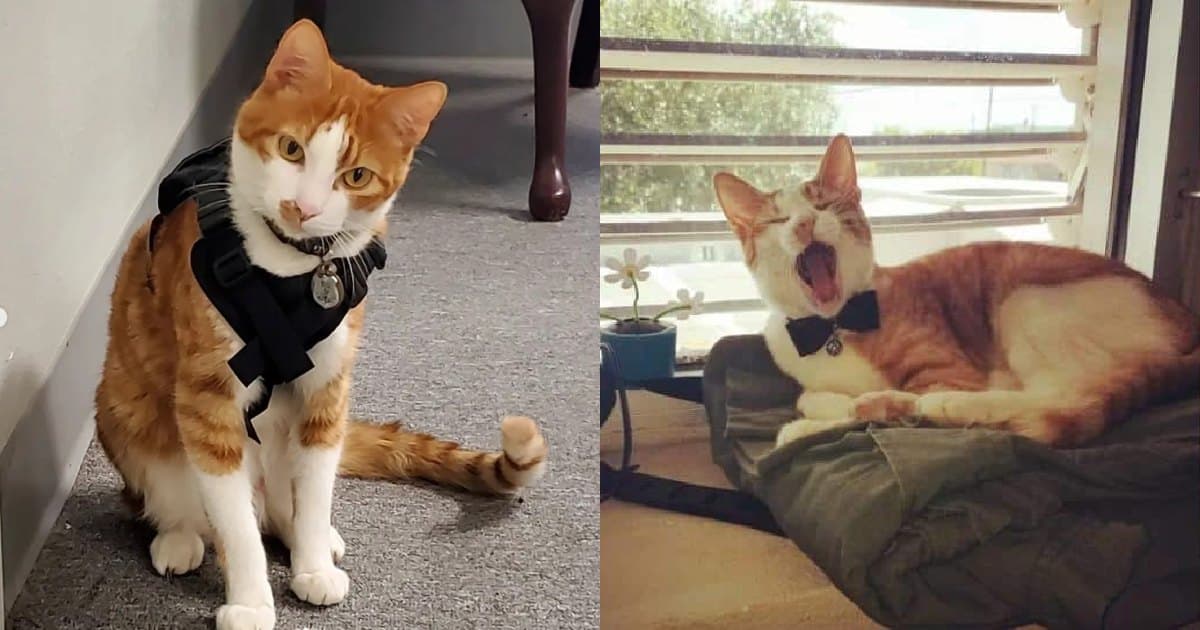
His daily routine quickly evolved into a masterclass in feline leisure and management:
- Morning Inspections: Walking the perimeter of the administrative offices to check on incoming reports and greet early-shift personnel.
- Equipment Audits: Frequently testing the ergonomic comfort of office chairs, dispatch consoles, and, most importantly, the main lobby’s oversized couch.
- Perimeter Surveillance: Stationing himself strategically on windowsills to monitor external foot traffic, postal deliveries, and citizen arrivals.
For an animal that had faced an uncertain future within the shelter system, the precinct offered the ultimate promotion: total environmental security, guaranteed meals served precisely on schedule, and an endless supply of willing human attendants.
Supporting Context & Metrics: The Science of Workplace Companionship and Community Outreach
The Physiological and Psychological Impact on Police Personnel
To dismiss The Captain as a mere novelty would be to misunderstand the profound, empirically supported benefits of animal companionship in high-stress professions. Modern law enforcement is widely recognized as one of the most psychologically taxing careers in the modern workforce. Officers and civilian dispatchers routinely encounter critical incidents, traumatic public emergencies, chronic operational fatigue, and cumulative operational stress.
Organizational psychologists have long documented the physiological toll of chronic workplace stress, which can lead to burnout, anxiety, post-traumatic stress injuries, and physical ailments. While therapy dogs have become increasingly common in precinct wellness programs, the spontaneous, unstructured presence of an office cat offers unique psychological advantages:
- Oxytocin Release: Interacting with a purring, affectionate feline has been scientifically proven to lower cortisol (stress hormone) levels and stimulate the release of oxytocin—the neurochemical responsible for bonding, trust, and relaxation.
- Micro-Breaks: When stressed officers pause their data entry or call logging to offer head scratches to The Captain, they experience involuntary micro-breaks that reset cognitive focus and defuse escalating frustration.
- De-escalation of Office Tension: Disagreements and operational friction are inevitable in high-stakes environments. The presence of a neutral, universally beloved animal frequently acts as a social lubricant, instantly softening tense dialogues and resetting room dynamics.
Transforming Public Perception and Community Relations
Beyond internal wellness, municipal agencies perpetually struggle with public trust, accessibility, and community engagement. Historically, interactions between citizens and police departments are frequently transactional, occurring during moments of crisis, traffic violations, or criminal investigations. This dynamic can foster an atmosphere of distance and apprehension.
The introduction of The Captain fundamentally shifted the Port Lavaca Police Department’s public-facing persona. When community members visited the station to file reports, pay fines, or attend municipal meetings, they were frequently greeted not by an imposing security checkpoint, but by a serene, welcoming cat casually patrolling the lobby.
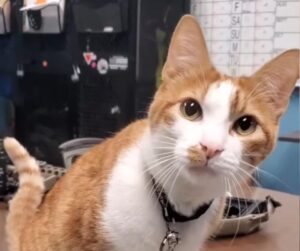
This dynamic humanized the badge. It sent a powerful psychological signal to the public—particularly to children and families—that the personnel inside the building possessed warmth, empathy, and a collective capacity for gentle caretaking. The department transitioned from an intimidating government monolith into a approachable community hub, proving that effective public relations can sometimes be achieved simply by leaving a comfortable chair in the lobby for a rescued feline.
Official Statements and Internal Perspectives
While formal press releases regarding municipal pets are rare, the sentiment from the Port Lavaca Police Department over the years has been overwhelmingly affectionate and candid. Personnel frequently emphasize that while they technically provided the physical shelter, water, and veterinary care, The Captain retained absolute autonomy over the facility.
"He doesn’t clock in, he doesn’t write tickets, and his approach to suspect apprehension is completely non-existent," remarked one departmental insider during an early-career retrospective. "Yet somehow, by the time he claimed the main lobby couch as his personal sovereign territory, it became glaringly obvious that he outranked everyone in the building."
Local community leaders and shelter advocates have similarly praised the partnership. Representatives from the Calhoun County Humane Society frequently point to The Captain as the ultimate ambassador for rescue animals. His narrative demonstrates that shelter pets are not damaged goods or behavioral anomalies; rather, they are distinct individuals possessing unique personalities waiting for the right environment to truly flourish.
Animal welfare advocates note that traditional shelters are often overwhelming environments that mask an animal’s true temperament. By placing animals in unconventional community settings—such as firehouses, police precincts, and local businesses—agencies can showcase the rich, charismatic potential of shelter animals to a demographic of citizens who might not otherwise visit a traditional adoption facility.
Future Outlook: The Enduring Legacy of Precinct Pets
As The Captain approaches a full decade of service with the Port Lavaca Police Department, his legacy extends far beyond the borders of Calhoun County, Texas. His story has captured the imagination of animal lovers and law enforcement agencies across the United States, sparking wider conversations about the integration of rescue animals into municipal and corporate workspaces.
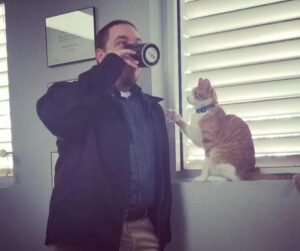
The modern workplace is experiencing a profound evolution regarding mental health, wellness infrastructure, and humane work environments. The historic model of sterile, rigid office spaces is rapidly giving way to dynamic environments that prioritize psychological safety and emotional balance. While not every municipal agency is suited to host a feline resident, the Port Lavaca model provides a compelling blueprint for how small organizational adjustments can yield massive dividends in staff morale and public goodwill.
Furthermore, The Captain’s enduring popularity highlights a timeless truth about human-animal bonds: the most effective ambassadors do not require intensive training regimens or high-tech equipment. Sometimes, true leadership simply requires a warm presence, an open attitude toward affection, and the ability to remind busy professionals to pause, breathe, and appreciate the simpler moments of the workday.
Nearly nine years after that fateful adoption, the ultimate existential question regarding the Port Lavaca Police Department remains delightfully unresolved: Did the police department adopt The Captain, or did The Captain acquire his own police department? For the officers who walk past his favorite napping spots each morning, and for the citizens who smile when they see him supervising the lobby, the answer matters very little. What matters is that a shelter cat found his sunny window, his comfortable couch, and a lifelong career defined entirely by comfort, dignity, and unconditional affection.